


Collapsing trachea in dogs is a chronic airway condition where the windpipe loses its normal support and begins to narrow, often causing a harsh honking cough and breathing difficulty.
If you are researching chronic coughing, airway disease, and breathing emergencies, our collapsed trachea vs kennel cough guide is a useful next read if you are trying to sort this condition from one of the most common cough confusions in dogs.
Key Takeaways
- Collapsing trachea causes a classic honking cough and is most common in small breed dogs.
- The condition is progressive, but many dogs do well with long-term management.
- Triggers often include excitement, exercise, heat, eating, and pressure on the neck.
- Diagnosis usually requires veterinary imaging and airway evaluation.
- Emergency care is needed if breathing becomes severely labored or gums turn blue.
What Is Collapsing Trachea in Dogs?
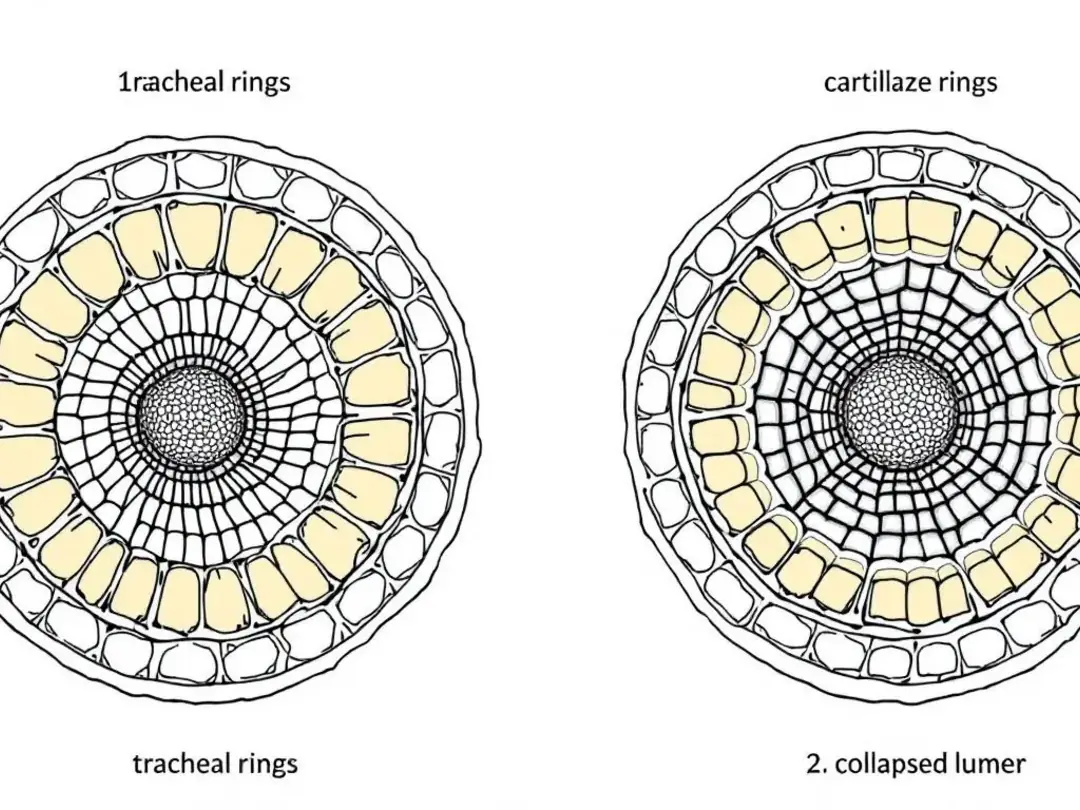
Collapsing trachea happens when the cartilage rings that help keep the windpipe open become weak and flatten. As the airway narrows, breathing becomes less efficient and coughing becomes more likely.
This is not an infection and not a short-term irritation. It is a structural airway problem that tends to worsen over time, though the pace and severity can vary from dog to dog.
With tracheal collapse, the airway is not just irritated. It is losing support.
Common Symptoms and Clinical Signs
The cough is the symptom most owners notice first.
The most recognizable sign is a dry, harsh, goose-honk cough. Dogs may also gag, retch, breathe rapidly, tire easily, or seem worse during excitement, exercise, eating, drinking, or hot weather.
In more advanced cases, dogs may struggle to settle, show obvious breathing effort, or even collapse during severe episodes.
What starts as a cough can become a breathing problem.
Which Dogs Are Most Affected?
Small and toy breeds are most commonly affected, especially Yorkshire Terriers, Pomeranians, Chihuahuas, Toy Poodles, Maltese, and similar dogs. Many cases are diagnosed in middle age or later, though signs can appear earlier in predisposed dogs.
Obesity, airway irritation, and concurrent heart or respiratory disease can make symptoms worse.
Breed may load the gun, but other factors often pull the trigger.
How the Condition Is Graded
Veterinarians often describe tracheal collapse in grades, ranging from mild narrowing to severe or near-complete collapse. Lower grades may cause intermittent coughing, while higher grades can create major breathing difficulty and emergency situations.
The grade helps guide treatment decisions, but the dog's actual symptoms and quality of life matter just as much as the number on the chart.
The image matters, but the dog in front of you matters more.

How Vets Diagnose Tracheal Collapse
Diagnosis usually requires more than just hearing the cough.
Veterinarians use history, physical exam, and imaging such as X-rays or fluoroscopy to evaluate the airway. In some cases, bronchoscopy or endoscopy is used for a more direct look at the trachea and to assess severity.
Additional testing may also be needed to rule out heart disease, infection, or other causes of chronic coughing.
With airway disease, the sound starts the workup. It does not finish it.
Treatment Options
Treatment often includes cough suppressants, anti-inflammatory medication, weight management, harness use instead of collars, and reducing exposure to heat, smoke, and other airway irritants. Some dogs also need treatment for concurrent heart or respiratory disease.
In severe cases that do not respond well to medical management, advanced procedures such as tracheal stenting may be considered.
Most dogs are managed, not cured.

Lifestyle Changes That Help
Daily management can make a major difference.
Keeping the dog lean, using a harness, avoiding neck pressure, limiting overheating, reducing stress, and controlling environmental irritants can all help reduce coughing episodes. Exercise often needs to be modified, but not always eliminated.
For many dogs, the best results come from combining medication with smart daily habits.
Management is not just what is in the pill bottle. It is also what changes at home.

When to Seek Emergency Care
Some episodes are not routine flare-ups. They are emergencies.
Seek emergency veterinary care if your dog has blue or gray gums, severe breathing difficulty, open-mouth breathing at rest, collapse, fainting, or coughing episodes that do not stop and clearly impair breathing.
These signs can indicate dangerous oxygen deprivation and should not be managed at home without professional help.
When the dog is fighting for air, the timeline changes immediately.
Long-Term Outlook
Although collapsing trachea is progressive, many dogs live comfortably for years with proper treatment and monitoring. The outlook depends on severity, response to treatment, weight control, and whether other conditions such as heart disease are also present.
Early recognition and consistent management usually give dogs the best chance at a good quality of life.
Progressive does not mean hopeless. It means management matters.
FAQ
Common Questions About Collapsing Trachea in Dogs
These quick answers cover common questions about symptoms, diagnosis, treatment, and emergency warning signs.
What does a collapsing trachea cough sound like?
It often sounds like a harsh, dry, goose-honk cough.
Which dogs are most likely to get it?
Small and toy breeds such as Yorkies, Pomeranians, and Chihuahuas are most commonly affected.
Can collapsing trachea be cured?
No. It is usually managed long term rather than cured.
Why is a harness better than a collar?
A harness avoids pressure on the neck and can reduce coughing triggers.
When is it an emergency?
It is an emergency if your dog has blue gums, severe breathing trouble, collapse, or open-mouth breathing at rest.


