


Yes, dogs can eat watermelon when it is prepared correctly. The safe part is the fresh flesh. The seeds and rind are the parts that create the real problems.
If you are comparing safe fruits and hydrating treats for dogs, our can dogs eat strawberries, can dogs eat apples, and can dogs eat bananas guides are useful next reads because watermelon often comes up alongside those fruit options.
Key Takeaways
- Dogs can eat fresh watermelon flesh in moderation.
- Seeds and rind should always be removed.
- Watermelon can be a refreshing, hydrating treat for many dogs.
- Too much watermelon can still cause stomach upset.
- Fresh plain watermelon is the only version worth sharing.
Can Dogs Eat Watermelon?
Yes. Watermelon is one of the more dog-friendly fruits when served properly. The flesh is not toxic, and many dogs enjoy it as a cool, juicy treat.
The important part is that watermelon is only safe when the risky parts are removed. That means no rind and no seeds. A properly prepared piece of watermelon is very different from handing a dog a chunk straight off the rind.
So yes, dogs can eat watermelon, but only the right part of it.
Watermelon Safety at a Glance
| Watermelon Part or Form | Safe or Not? | Notes |
|---|---|---|
| Fresh watermelon flesh | Yes | Best option in small amounts |
| Watermelon seeds | No | Can create choking or blockage risks |
| Watermelon rind | No | Too tough and hard to digest |
| Watermelon juice | Usually no | Too concentrated and often not worth it |
| Sweetened watermelon products | No | Added sugar and ingredients make them a poor choice |
Why Watermelon Can Be Good for Dogs
Watermelon is mostly water, which is one reason it is often seen as a refreshing summer treat. It can be a nice way to offer a little hydration and variety, especially in hot weather.
It also contains some useful nutrients, but the main appeal for most owners is that it is light, refreshing, and easy to portion when prepared correctly.
Watermelon can be a good treat, but it is still a treat, not a meal.
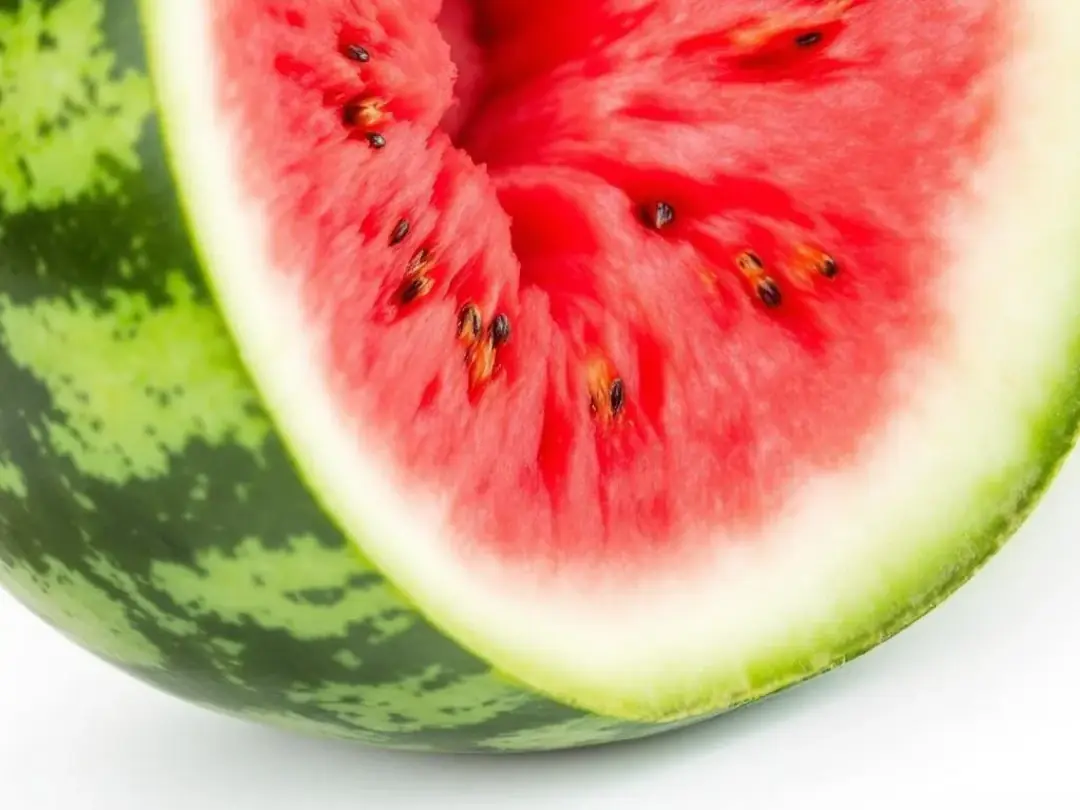
Why Seeds and Rind Are a Problem
The flesh is the safe part. The seeds and rind are the parts to avoid.
Seeds can create choking or blockage concerns, especially if a dog eats a lot of them or is on the smaller side. The rind is tough, fibrous, and much harder for dogs to digest comfortably.
This is why watermelon is not a fruit you should hand over whole or in a big chunk. The preparation is what makes the difference between a safe treat and a risky one.
If the seeds and rind are still there, the watermelon is not ready for your dog.
How Much Watermelon Can a Dog Eat?
Only a small amount is needed. Watermelon should stay in the treat category, not become a major part of the dog's daily food. For many dogs, a few small cubes are enough.
For watermelon, size and stomach history should guide the serving more than curiosity. If watermelon is new for your dog, start with a small amount and see how they respond before offering more.
With watermelon, moderation keeps the treat refreshing instead of irritating.
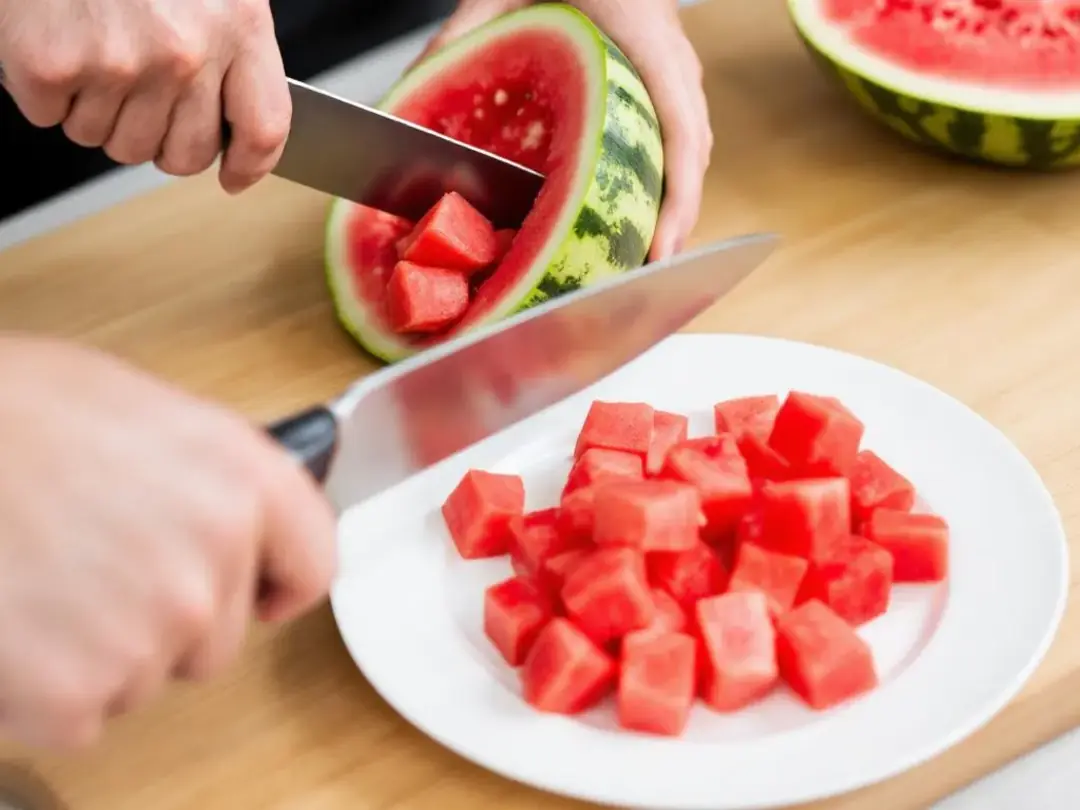
How to Prepare Watermelon for Dogs
Preparation should stay simple and careful.
Wash the watermelon, remove the rind, remove the seeds, and cut the flesh into dog-sized pieces. That is the basic process. Smaller pieces are safer and easier to serve, especially for small dogs.
Fresh watermelon is the version you want. You do not need syrup, juice, candy, or any kind of dessert version to make it appealing.
Plain, seedless, rind-free watermelon is the right standard.
When Watermelon Is Not a Good Choice
Watermelon may not be a good fit for dogs with diabetes, dogs on strict calorie control, or dogs with very sensitive digestion. In those cases, watermelon may not be worth testing just because it appears on a safe-fruit list.
Have watermelon notes should include portion, the recent training, and the next meal plan question.
For a close fruit comparison, the strawberry guide helps separate juicy treat pieces from too much sugar, rind risk, or seeds that should stay out of the bowl.
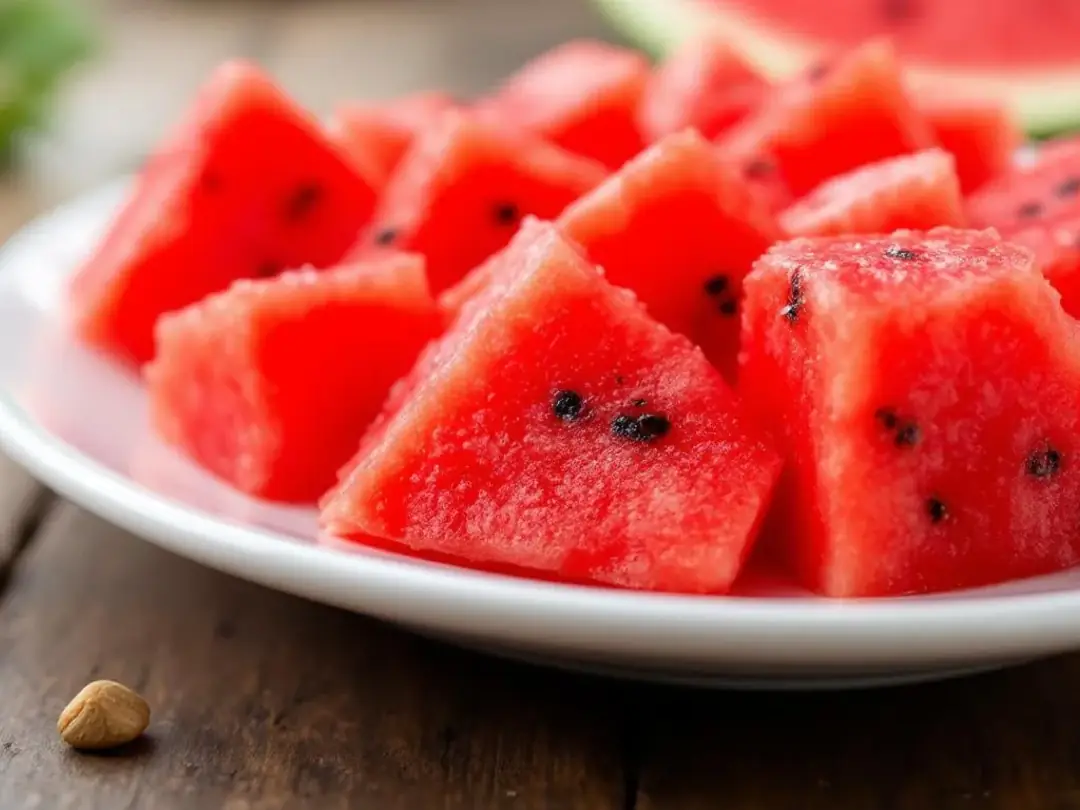
What If a Dog Eats Seeds or Rind?
If your dog ate the seeds or rind, that is the part to take more seriously.
A few tiny seeds may not always create a crisis, but larger amounts or any rind are more concerning because of the risk of digestive trouble or blockage. If your dog is vomiting, acting painful, or having trouble passing stool, contact your veterinarian.
The same is true if your dog ate a large amount of rind or if you are not sure how much was swallowed.
When the unsafe parts are involved, it is better to call than guess.
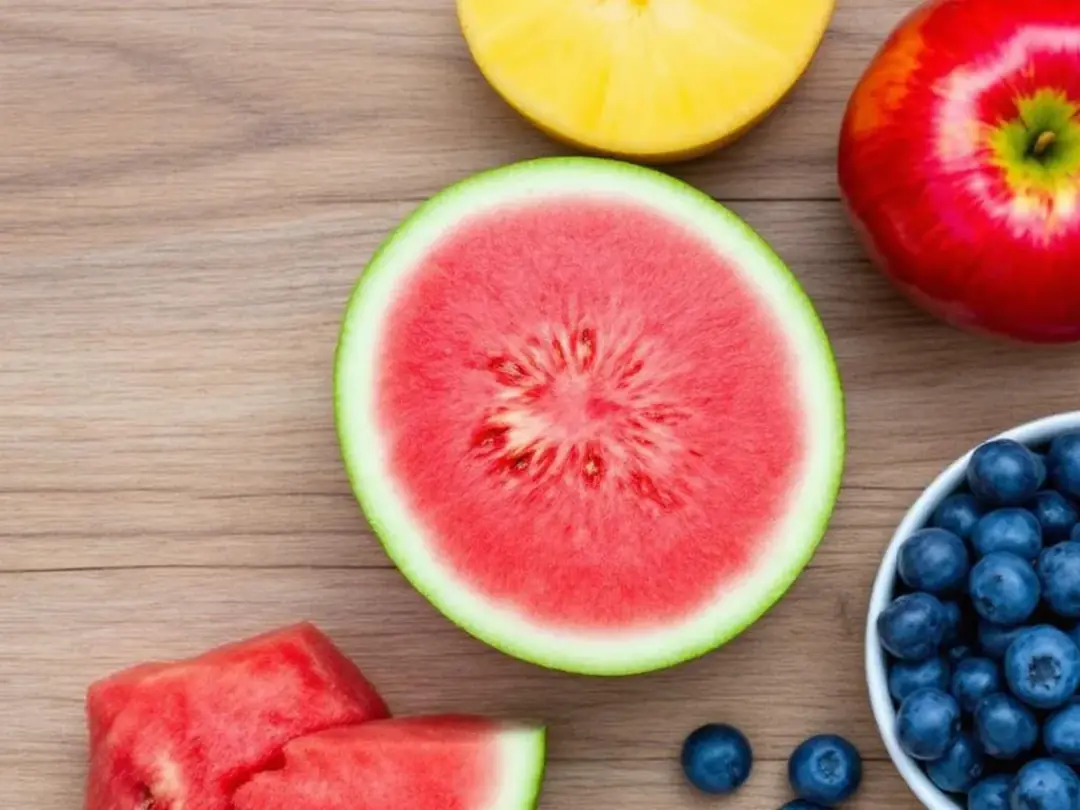
Other Safe Fruit Options
If your dog likes watermelon, there are other fruit options worth considering too.
Strawberries, apples, bananas, and blueberries are all common fruit treats that many dogs can enjoy when served properly. The best fruit is usually the one your dog tolerates well and that you can prepare safely and consistently.
Fruit variety can be fine, but the same rule always applies: small amounts, simple preparation, and no processed dessert versions.
Fresh fruit works best when it still looks like fruit.
FAQ
FAQ: Common Questions About Dogs Eating Watermelon
These questions focus on ripe flesh, rind and seed risks, serving size, and signs that watermelon did not agree with your dog.
Can dogs eat watermelon every day?
Even when watermelon is safe, it should stay an occasional small treat rather than a daily staple.
What is the safest way to serve watermelon?
The safest version is simple and plain: Plain seedless watermelon flesh can be safe in small pieces when rind and seeds are removed.. Avoid rind, seeds, sugary drinks, flavored watermelon products, and large frozen chunks.
How much watermelon can I give my dog?
If you are serving watermelon to a small, sensitive, overweight, or diet-restricted dog, start with a tiny amount or ask your veterinarian first.
Can puppies eat watermelon?
Puppies can be more sensitive to new foods, so keep watermelon very limited and skip it if stool, appetite, or energy changes.
What signs mean watermelon did not agree with my dog?
Gas, vomiting, loose stool, repeated lip licking, loss of appetite, or acting uncomfortable after watermelon are signs to stop offering it and reassess.


