
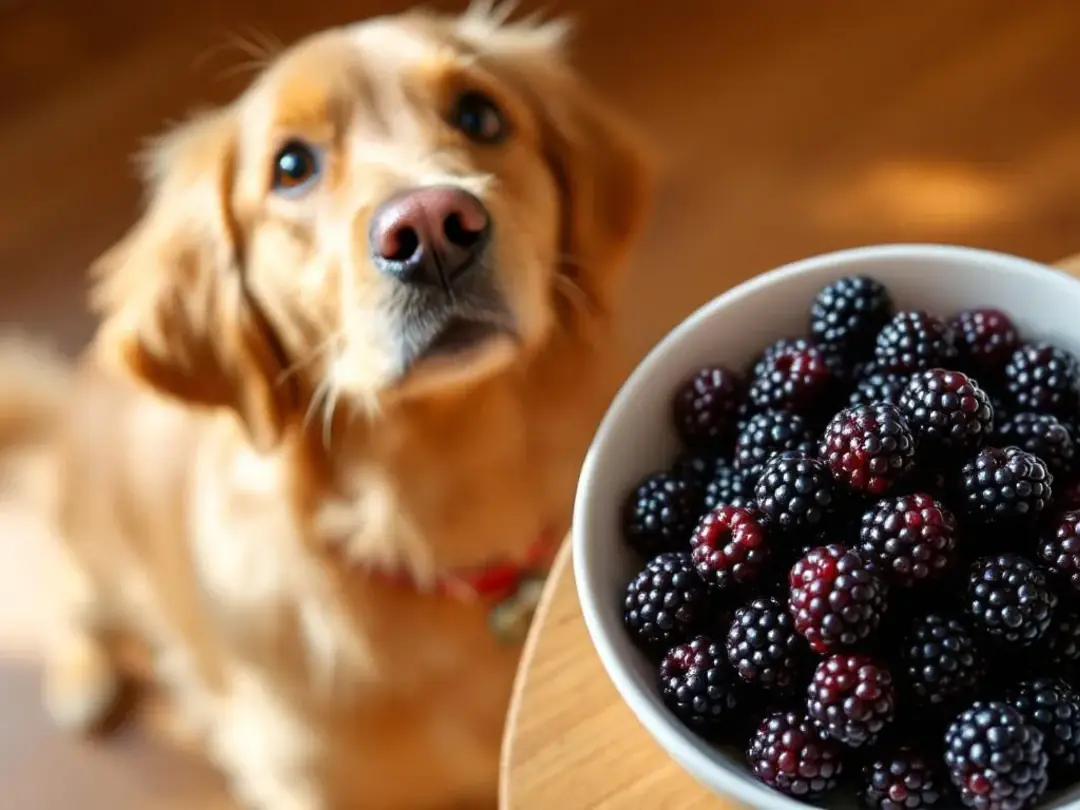

Yes, dogs can eat blackberries in moderation. Fresh blackberries are one of the safer fruits to share with dogs, and they offer fiber, antioxidants, and several vitamins without the heavy sugar load found in some other fruits.
That said, safe does not mean unlimited. Portion size, preparation, and your dog's individual health still matter. If you are comparing fruit options, our guides on can dogs eat strawberries and what fruits can dogs eat can also help you build a safer treat rotation.
Key Takeaways
- Blackberries are generally safe for dogs when served plain and in moderation.
- They provide fiber, antioxidants, and vitamins that can support overall health.
- Serving size should match your dog's size, and overfeeding can cause digestive upset.
- Only offer fresh or plain frozen blackberries, not jam, jelly, or sweetened products.
- Always introduce new foods slowly and watch for stomach upset or allergic reactions.
Are Blackberries Good for Dogs?
Blackberries can be a healthy treat for many dogs because they are naturally low in calories and contain useful nutrients like vitamins C and K, manganese, magnesium, and fiber. Their antioxidant content is one of the biggest reasons they are often considered a smart fruit option.
These berries are also lower in sugar than some other fruits, which makes them easier to fit into a dog's treat routine when served in small amounts. They should still be treated as an occasional extra, not a replacement for a balanced diet.
For many dogs, blackberries are a better choice than processed snacks because they offer nutrition without added sugar, artificial ingredients, or heavy calories.
Health Benefits of Blackberries for Dogs
Blackberries offer several nutritional benefits when fed appropriately. Their antioxidants may help support cell health, while fiber can support digestion and regular bowel movements. Vitamins and minerals in blackberries also contribute to normal immune function and overall wellness.
Because they are relatively low in calories, blackberries can work well as a lighter treat option for dogs who need better portion control. They are not a cure-all food, but they can be a reasonable addition to a healthy treat rotation.
This quick nutrition table shows why blackberries are often considered a dog-friendly fruit in small amounts.
| Nutrient | Why It Matters |
|---|---|
| Fiber | Supports digestion and stool regularity |
| Vitamin C | Helps support normal immune function |
| Vitamin K | Supports normal body functions including clotting processes |
| Antioxidants | Help protect cells from oxidative stress |
| Low Calories | Makes portion control easier than many processed treats |
Compared with some sweeter fruits, blackberries can be a more moderate option. If you want another hydrating fruit comparison, our can dogs eat watermelon guide may also be helpful.

How Many Blackberries Can Dogs Eat Safely?
Portion size matters just as much as food choice when you are offering fruit to your dog.
Blackberries should stay within the general treat rule that extras make up only a small part of your dog's daily calories. A few berries are usually enough for most dogs.
These serving ranges are a practical starting point for healthy dogs without special dietary restrictions.
| Dog Size | Suggested Serving |
|---|---|
| Small dogs | 2-3 blackberries |
| Medium dogs | 4-6 blackberries |
| Large dogs | Up to 8 blackberries |
Start with less than the full amount the first time. That gives you a chance to see how your dog handles the new food before making it part of an occasional treat routine.
Feeding blackberries a few times per week is usually more than enough. Even healthy treats can cause stomach upset if they are overused.
Potential Risks and Side Effects
Blackberries are generally safe, but too many can cause digestive upset. The most common issues are loose stool, gas, vomiting, or mild stomach discomfort after overfeeding.
Whole berries can also be a choking concern for very small dogs or puppies if they are swallowed too quickly. Cutting them into smaller pieces can help reduce that risk.
Blackberries do contain naturally occurring sugars and very small amounts of naturally occurring xylitol, but the amount in normal fresh servings is not usually the main concern. The bigger issue is still moderation and avoiding processed blackberry products with added sweeteners.
As with any new food, some dogs may also show sensitivity or an allergic-type reaction. If you notice itching, swelling, vomiting, or diarrhea after feeding blackberries, stop and contact your veterinarian.
Allergic Reactions and Sensitivities in Dogs
Most dogs tolerate blackberries well, but some may react poorly to any new food. Signs of sensitivity can include vomiting, diarrhea, itching, facial swelling, or unusual discomfort after eating them.
If your dog has a history of food sensitivities or a very delicate stomach, it is smart to start with only one berry and wait before offering more. That makes it easier to spot a reaction early.
Severe reactions are uncommon, but if your dog has trouble breathing, collapses, or develops significant swelling, seek veterinary care right away.
How to Safely Prepare and Serve Blackberries
Simple preparation steps make blackberries safer and easier for dogs to enjoy.
Basic preparation steps:
- Wash the berries thoroughly.
- Remove any stems or leaves.
- Cut larger berries for puppies or very small dogs.
- Serve only a small portion at a time.
Safe serving ideas:
- Fresh at room temperature
- Plain frozen blackberries as a cool-weather treat
- Mashed for puppies or senior dogs
- Mixed in a very small amount with plain, dog-safe yogurt if tolerated
Do not feed blackberry jam, jelly, syrup, or desserts. Those products often contain added sugar or sweeteners and are not the same as plain fruit.
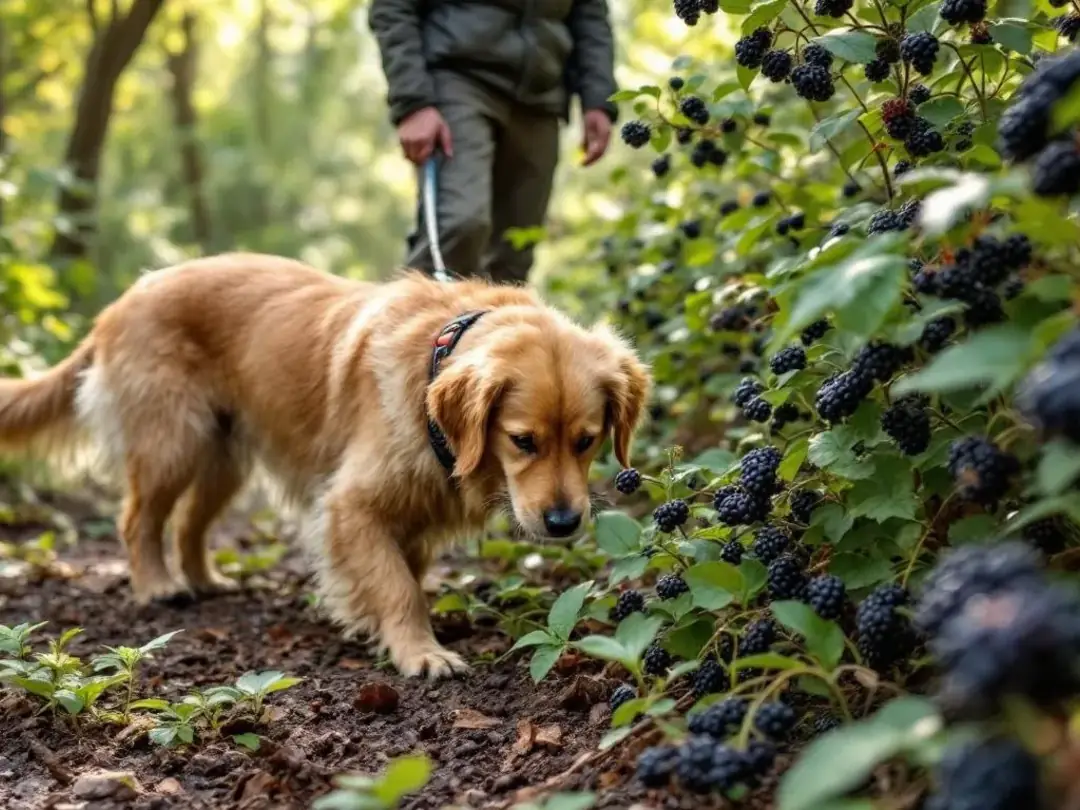
Wild blackberries can also be risky if you are not certain about plant identification or if the area may have been exposed to pesticides, roadside contamination, or other chemicals. Store-bought fresh berries are often the simpler and safer option.
Can Puppies Eat Blackberries?
Puppies can eat blackberries, but they should be introduced slowly and in very small amounts. Because puppies have more sensitive digestive systems, overfeeding fruit can lead to loose stool or stomach upset more quickly than it might in an adult dog.
Cutting berries into smaller pieces is especially important for puppies and toy breeds. Blackberries should remain a small treat, not a regular meal component.
If your puppy has a history of digestive sensitivity or is on a special feeding plan, it is worth checking with your veterinarian before adding fruit treats.
When to Avoid Blackberries for Dogs
Some dogs should avoid blackberries or only try them with veterinary guidance. That includes dogs with diabetes, chronic digestive disease, food sensitivities, or prescription diets that need tighter control.
Dogs with pancreatitis or inflammatory bowel issues may not tolerate extra fruit fiber well. Dogs on therapeutic diets may also need more careful treat planning so the diet continues to do its job properly.
If your dog has a medical condition and you are unsure whether fruit treats fit safely into the plan, your veterinarian is the best person to ask.
Toxic Berries to Avoid
Not all berries are safe for dogs. While blackberries are generally fine in moderation, some berries can be harmful or even dangerous.
This table highlights a few berries and berry-like plants that should not be treated as dog-safe snacks.
| Toxic Berry | Risk Level | Possible Symptoms |
|---|---|---|
| Holly berries | High | Vomiting, diarrhea, lethargy |
| Mistletoe berries | Severe | Breathing trouble, weakness, neurologic signs |
| Poke berries | High | Severe digestive upset, weakness |
| Baneberries | Severe | Serious systemic illness, possible neurologic effects |
If you think your dog ate a toxic berry, contact your veterinarian or a pet poison resource right away. It is also worth remembering that grapes and raisins are highly dangerous for dogs, even though they are not berries in the same sense as blackberries.
Healthy Berry Alternatives
If your dog enjoys blackberries, there are a few other fruit options worth comparing.
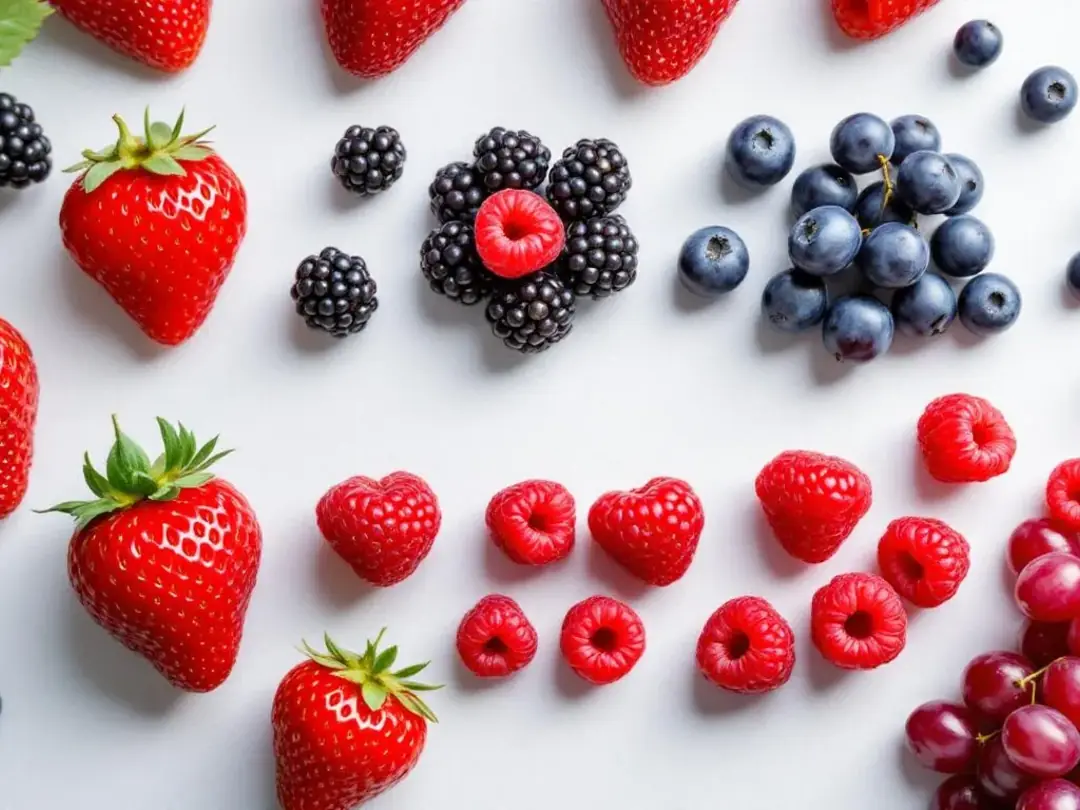
Blueberries are one of the most popular dog-friendly berries because they are small, easy to serve, and rich in antioxidants. Strawberries can also work in moderation, though they are a bit sweeter. Raspberries are another option, but they should be fed more sparingly.
Rotating safe fruits can keep treats interesting while helping you avoid overdoing any one food. If you want a broader comparison, our article on what should dogs not eat can help you separate safe options from foods that should stay off the menu.
FAQ
Common Questions About Blackberries for Dogs
These quick answers cover common questions about serving, safety, and what to avoid.
Can dogs eat blackberry jam or jelly?
No. Jam and jelly often contain added sugar or sweeteners and are not the same as plain fresh fruit. Stick with plain blackberries only.
What should I do if my dog ate too many blackberries?
Watch for vomiting, diarrhea, gas, or stomach discomfort. Mild digestive upset may pass, but if symptoms are severe or persistent, contact your veterinarian.
Are frozen blackberries safe for dogs?
Yes, plain frozen blackberries are usually fine. For very small dogs, letting them soften a bit first can help reduce choking risk.
Can diabetic dogs eat blackberries?
Some diabetic dogs may be able to have small amounts, but this should be discussed with a veterinarian because even lower-sugar fruits can still affect the diet plan.
How do I know if my dog is allergic to blackberries?
Watch for itching, swelling, vomiting, diarrhea, or unusual discomfort after eating them. If you see those signs, stop feeding blackberries and contact your veterinarian.
Can puppies eat blackberries?
Yes, but only in very small amounts and cut into smaller pieces. Puppies are more likely to get stomach upset if they eat too much fruit at once.


