


Key Takeaways
-
“Teacup poodle” is usually a marketing term rather than an official breed classification
-
For a related next step, keep this page focused on Teacup Poodles; compare it with the linked guide only when adult size expectations or household rhythm makes that connection useful.
-
Breeder quality matters a lot because unrealistic size claims and poor breeding practices are common in this niche
-
These dogs may fit apartment life well, but they are not automatically low-effort pets
-
Buyers should compare teacup claims with standard toy poodle expectations before deciding
Teacup poodles attract a lot of attention because they combine poodle intelligence with an extremely small size. But that same tiny size is also why buyers should slow down and look carefully at health, breeder practices, and realistic expectations.
If you're already comparing listings and breeder claims, our teacup poodle for sale guide can help with the buying side of the decision, not just the breed overview.
Introduction to Teacup Poodles Easy to Love
People are often drawn to teacup poodles because they seem portable, cute, and apartment-friendly. Those things can be true, but they are only part of the picture.
Very small dogs can also be more delicate, more vulnerable to injury, and more demanding in some care areas than buyers expect at first glance.
History, Origin, and the Teacup Poodle Breeder
Teacup poodles come out of the toy poodle world, but “teacup” itself is not usually treated as an official size category by major kennel organizations.
That matters because buyers should understand when they are looking at a recognized breed standard versus a marketing label.
What is a Teacup Poodle?
In practice, “teacup poodle” usually refers to a very small poodle marketed below standard toy-poodle size expectations.
| Term | What It Usually Means | Why It Matters |
|---|---|---|
| Toy Poodle | Recognized small poodle size | Gives buyers a more standardized reference point |
| Teacup Poodle | Very tiny poodle marketed below toy size | Can involve looser claims and more health concerns |
That does not automatically make every teacup poodle listing bad, but it does mean buyers should ask more questions, not fewer.
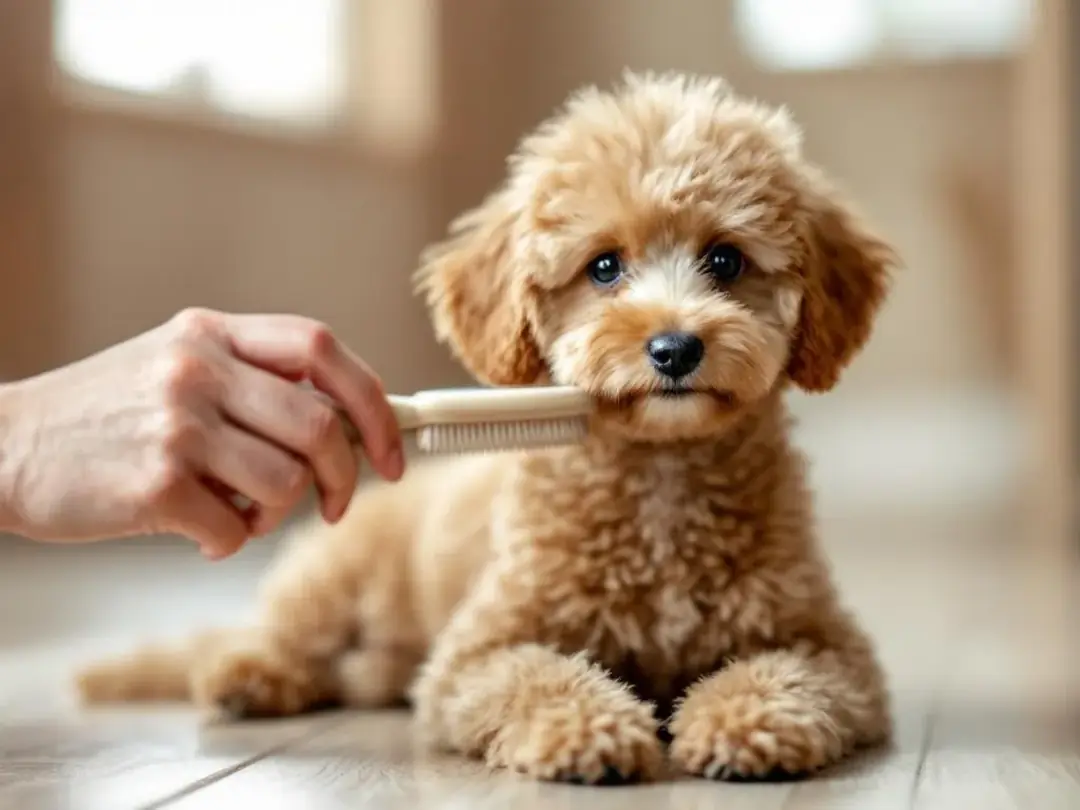
Physical Characteristics and Appearance Including Do Teacup Poodles Shed
The appeal is often visual first: tiny body, poodle coat, and a very compact look.
Like other poodles, they are often chosen for their low-shedding coat. But coat care still matters a lot, and grooming needs do not disappear just because the dog is small.
If coat type and allergy concerns are part of your decision, our hypoallergenic puppies guide can help put poodle coat claims into a broader context.
Temperament and Personality
Teacup poodles are often described as affectionate, alert, and intelligent. Those traits can make them very appealing companion dogs.
But temperament still depends on breeding, early handling, socialization, and the individual dog-not just the label.
Training and Intelligence
Poodles are known for being smart, and very small poodles still need training, structure, and mental stimulation.
Tiny size does not mean low training needs. In fact, clear routines and gentle consistency can matter even more with sensitive little dogs.

Exercise and Energy Requirements
Small size does not mean no energy.
These dogs may not need huge amounts of exercise, but they still need movement, play, and mental engagement. The challenge is balancing activity with safety because very tiny dogs can be easier to injure.
Health Concerns and Common Issues
Health is one of the biggest reasons to approach teacup poodles carefully. Extremely small size can increase the risk of fragility and certain medical concerns.
That does not mean every tiny poodle will have major problems, but it does mean buyers should not treat size as a purely cosmetic feature.
Care and Maintenance
Daily care often includes careful feeding routines, grooming, supervision, and a home setup that reduces injury risk.
Because these dogs are so small, ordinary household situations can sometimes become bigger safety issues than owners expect.
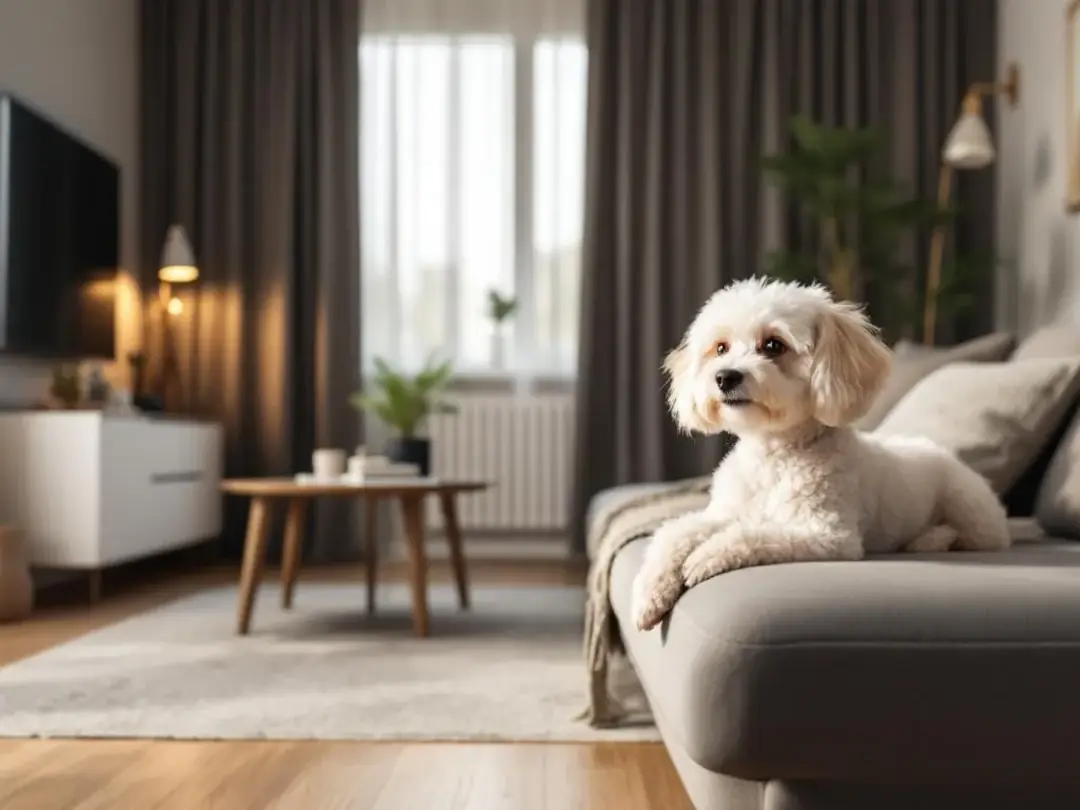
Living Situations and Suitability
Teacup poodles may fit apartment life well, but suitability is about more than square footage.
Household noise, children, larger pets, handling style, and how often the dog will be alone all matter. Some homes are simply safer fits than others for a very tiny dog.
Lifestyle Considerations
These dogs often suit owners who want a close companion and are comfortable with a more hands-on care style.
They may be less ideal for households that are rough, chaotic, or looking for a very sturdy, low-worry dog.
Cost and Purchasing Considerations
Cost should be viewed as more than the purchase price. Ongoing care, grooming, veterinary attention, and potential health management all matter too.
That is one reason buyers should compare breeder quality and long-term fit, not just the initial listing price.

Is a Teacup Poodle Right for You?
This question is really about fit, not just preference.
If you want a very tiny companion and are prepared for the extra caution that may come with that, a teacup poodle may appeal to you. If you want a sturdier small dog, a standard toy poodle may be the better answer.
If you're weighing that exact comparison, our toy poodle guide is useful because it gives a more standardized small-poodle reference point.
How This Usually Plays Out in Daily Life
In real life, teacup poodles: traits, care, and what to expect often matters most because it changes how the household needs to plan, respond, or set expectations.
That is why practical context helps so much. The more clearly a family understands how the topic fits into the dog's actual day, the easier it becomes to make steady choices.
That bigger picture usually prevents the conversation from becoming more confusing than it needs to be.
FAQ: Common Questions About Teacup Poodles
the quick responses below cover size, shedding, health, suitability, and buying concerns.
How does Teacup Poodles: Traits, Care, and What to Expect usually show up in everyday life?
A calmer plan starts with coat care needs, avoids overreacting to breeder transparency, and leaves room for help if daily activity fit becomes concerning.
Which parts of Teacup Poodles: Traits, Care, and What to Expect matter most first?
Teacup Poodles note: Teacup Poodles uses adult size; Teacup Poodles compares home rhythm; Teacup Poodles changes course when training fit shifts.
What should families pay closest attention to here?
If Teacup Poodles is showing up repeatedly, track breeder transparency, reduce guesswork around daily activity fit, and act faster when coat care needs is involved.
When is extra help worth considering?
Teacup Poodles note: Teacup Poodles uses coat upkeep; Teacup Poodles compares breeder record; Teacup Poodles changes course when activity need shifts.
How can owners plan better around Teacup Poodles: Traits, Care, and What to Expect?
Teacup Poodles note: Teacup Poodles uses home rhythm; Teacup Poodles compares training fit; Teacup Poodles changes course when adult size shifts.
Trusted Records & Registrations
ABCs Puppy Zs
Official parent records, litter registration details, microchip protection, health documentation, and DNA testing are shown clearly for every puppy family.


