
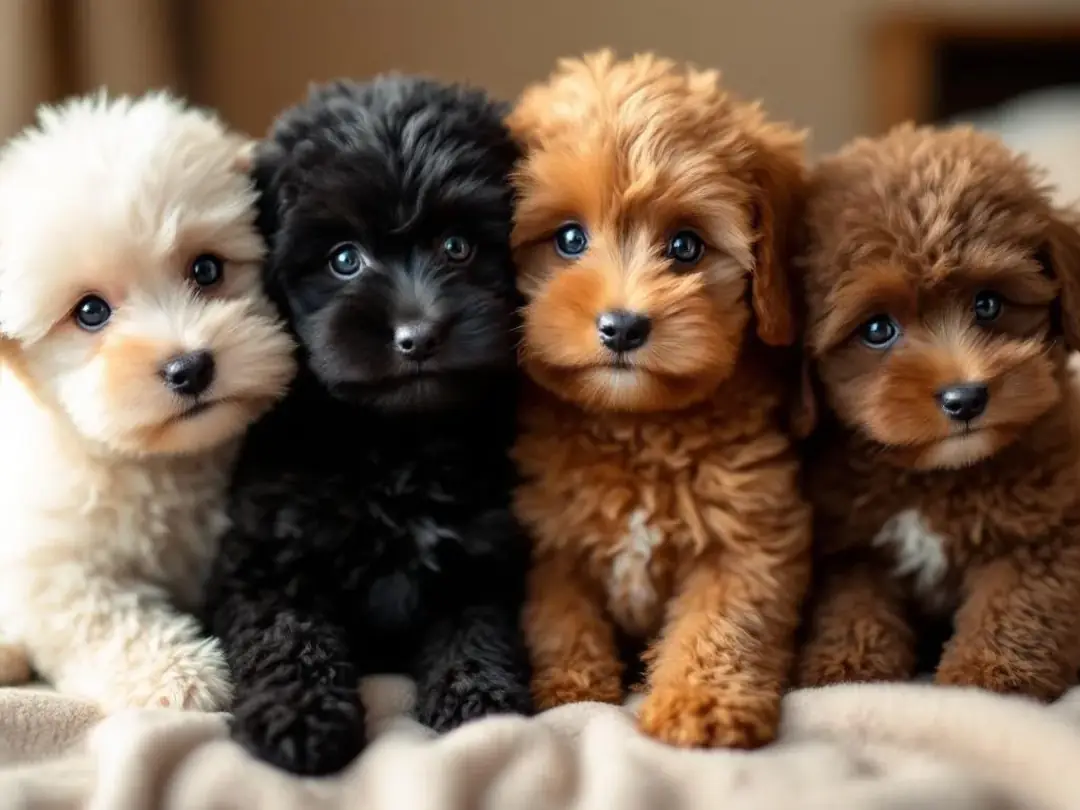

Looking for a teacup poodle for sale usually means balancing excitement with caution. Tiny dogs can be very appealing, but the smaller the dog, the more important breeder quality, health transparency, and realistic expectations become.
If you're comparing very small poodles more broadly before committing to a breeder or listing, our teacup poodles guide can help with the breed-size and care side before you focus on the sale process itself.
Introduction to Teacup Poodles
Teacup poodles are marketed as extremely small poodles, often appealing to buyers who want a compact dog for apartment living or easier portability.
But “teacup” is also a term that can be used loosely in listings, which is why buyers should look beyond the label and ask careful questions about actual size, health, and breeding practices.
Available Teacup Poodle Puppies for Sale
Listings often vary a lot in price, size claims, and quality. That is one reason buyers should be careful about assuming every “teacup poodle for sale” listing represents the same thing.
| What to Check | Why It Matters |
|---|---|
| Actual current weight | Helps you judge whether the size claim is realistic |
| Parent size and health history | Gives better context than marketing language alone |
| Health testing and vet records | Helps reduce the risk of buying from poor breeding situations |
| Breeder transparency | A good breeder should answer questions clearly and directly |
Good listings should feel informative, not evasive.
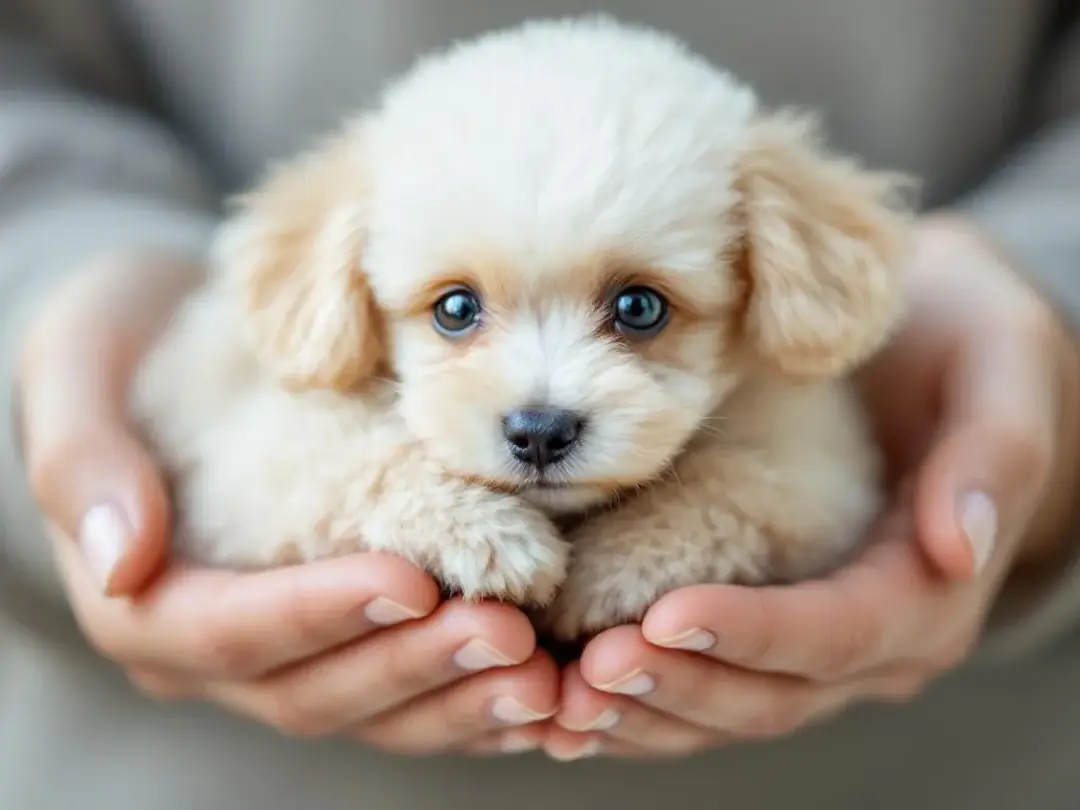
What Makes Teacup Poodles Special
The appeal is obvious: tiny size, poodle intelligence, and a companion-dog feel.
People are often drawn to their portability, apartment friendliness, and low-shedding coat. But the same tiny size that makes them appealing can also make them more fragile and more demanding in some care areas.
Pricing and Payment Options
Very small poodles are often expensive, and high prices alone do not prove quality. Sometimes they reflect real breeder investment, but sometimes they reflect marketing.
Buyers should understand what is included in the price, what health support exists, and whether the breeder is transparent about why the puppy is priced the way it is.
Health and Care Considerations
Health questions should be front and center with very tiny dogs.
Fragility, blood sugar concerns, feeding consistency, dental care, and injury risk can all matter more with extremely small puppies than many first-time buyers expect.
If you're comparing tiny poodles with more standard small-poodle options, our toy poodle guide can help because it gives a useful contrast in size and expectations.
Reputable Breeders and What to Look For
A reputable breeder should be willing to discuss parent dogs, health testing, early care, socialization, and realistic adult size expectations.
If the breeder avoids direct questions, overpromises impossible size guarantees, or seems more focused on urgency than transparency, that is worth taking seriously.
Delivery and Shipping Options
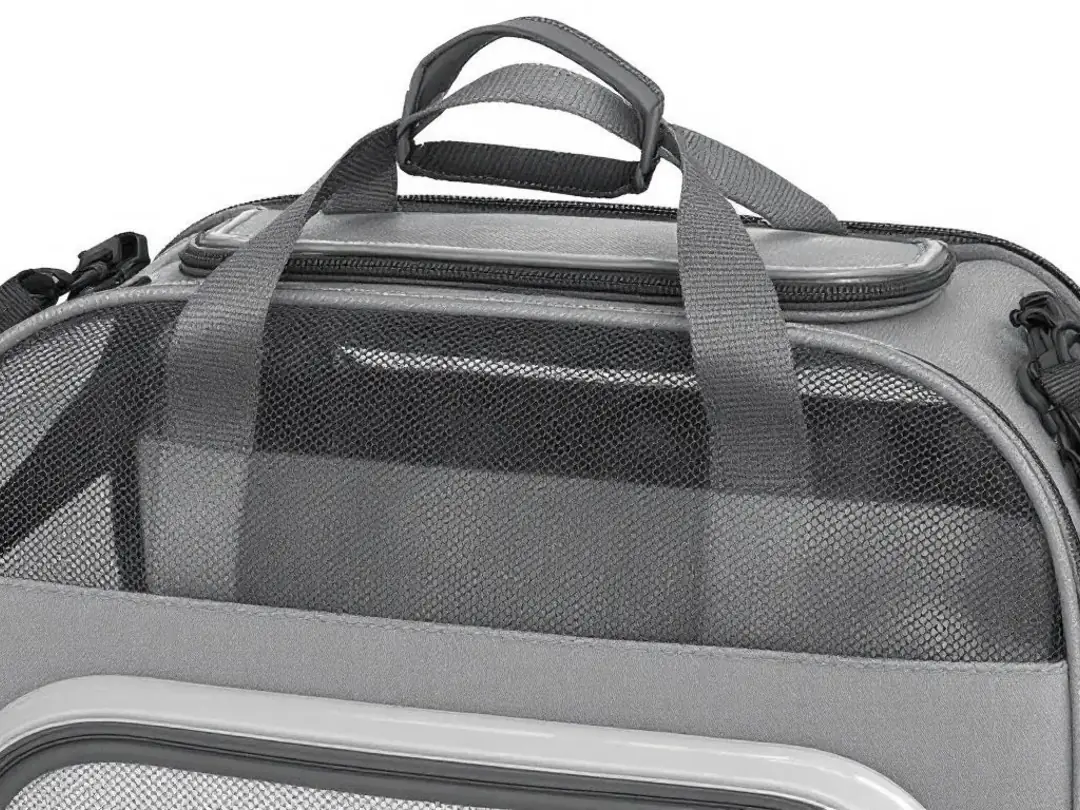
Shipping and delivery deserve careful thought with tiny puppies.
Transport stress, weather, handling, and the puppy's age and size all matter. Buyers should understand exactly how delivery works before agreeing to it.
In some cases, a safer or more transparent pickup option may be worth the extra effort.
Preparing Your Home for a Teacup Poodle
Preparing for a very small puppy means thinking about safety at a different scale. Falls, gaps, rough handling, and access to unsafe objects can all matter more.
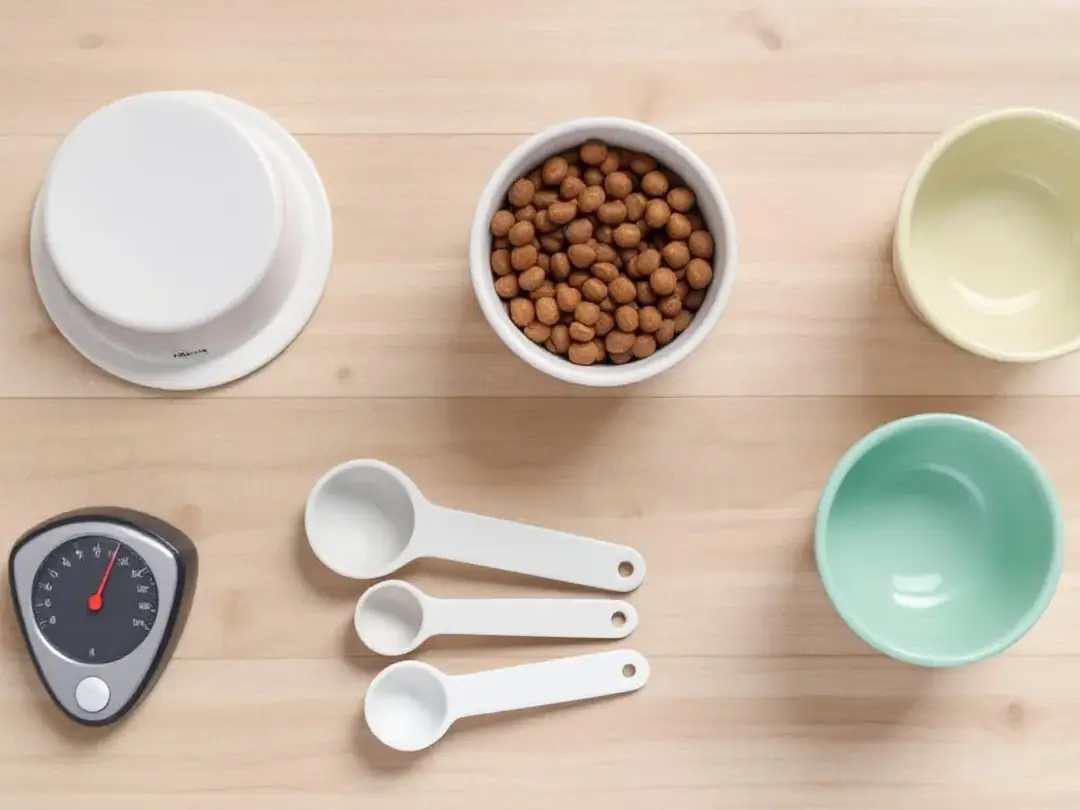
Food setup, warmth, secure containment, and careful supervision are all part of making the home ready.
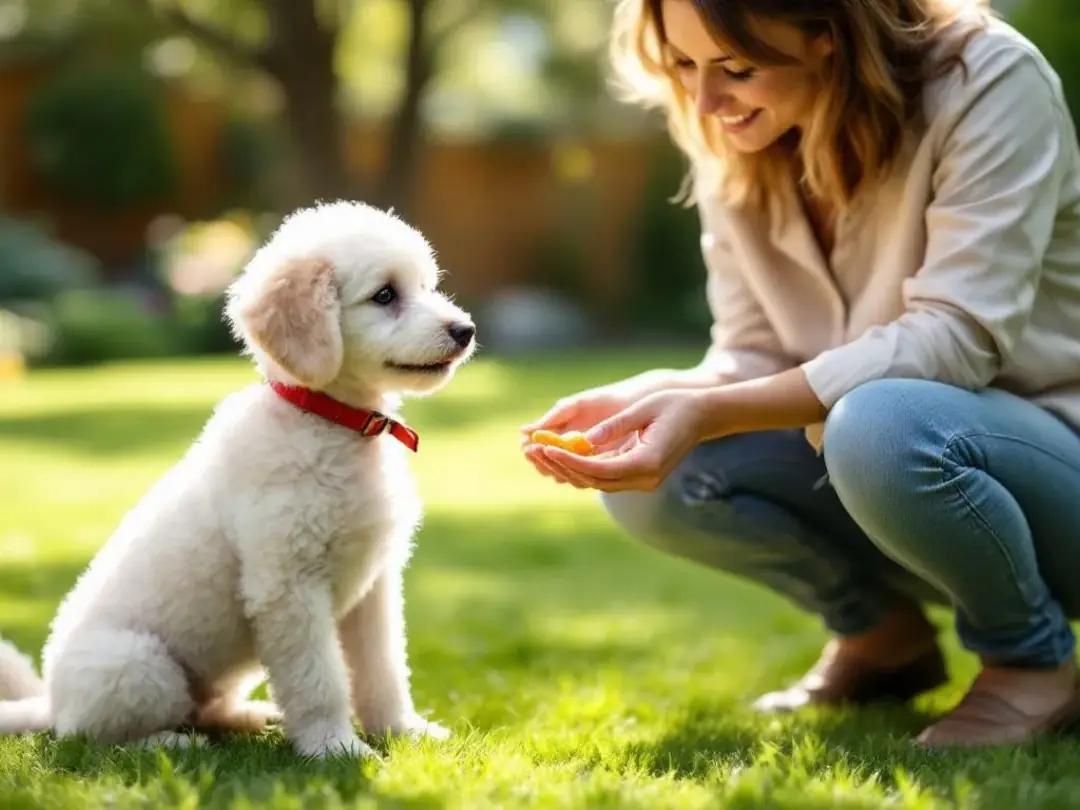
Training and Socialization
Tiny size does not remove the need for training-it just changes how you approach it.
Short sessions, gentle handling, confidence-building, and realistic expectations usually work best. Socialization still matters, but it should be done thoughtfully so the puppy is not overwhelmed.
Forever Homes for Teacup Poodles
The best home for a very tiny dog is usually one that understands the long-term care commitment, not just the initial appeal of a very small puppy.
That means thinking honestly about handling, supervision, finances, health care, and whether your household is a safe fit for such a delicate dog.
Conclusion and Final Thoughts
Buying a teacup poodle should feel like a careful decision, not an impulse purchase driven by size alone. The right breeder and the right expectations matter a lot here.
For many buyers, slowing down and asking harder questions is the smartest part of the process.
FAQ
Common Questions About Buying a Teacup Poodle
These quick answers cover listings, pricing, breeder quality, health, and home prep.
Does “teacup” always mean the same size?
No. The term can be used loosely, which is why actual weight and parent size matter.
Why are teacup poodles so expensive?
Some of the price may reflect breeder investment, but high pricing can also be driven by marketing and demand.
What should I ask a breeder first?
Ask about parent dogs, health testing, current puppy weight, vet records, and realistic adult size expectations.
Are teacup poodles more fragile than larger poodles?
Often yes. Very tiny dogs can be more vulnerable to injury and some health-management issues.
Should I ship a very tiny puppy?
It depends on the situation, but buyers should understand the transport details very carefully before agreeing.


