


The rabies vaccine for dogs is a core vaccine that protects against a fatal viral disease and is also required by law in many places.
If you are trying to understand your dog's vaccine schedule more clearly, our rabies vaccine schedule for dogs guide is a useful next read because timing and booster rules are where many owners get confused.
Key Takeaways
- Rabies is a fatal disease, and vaccination is one of the most important ways to prevent it.
- The rabies vaccine is legally required for dogs in many states and local areas.
- Puppies usually get their first rabies shot at around 12 to 16 weeks, depending on local rules and veterinary guidance.
- Most dogs need a booster one year later and then regular boosters after that.
- Side effects are usually mild, but serious reactions require immediate veterinary attention.
Why the Rabies Vaccine Matters
Rabies is a viral disease that attacks the nervous system and is almost always fatal once symptoms begin. Because it can spread from animals to humans, rabies vaccination is not just about protecting one dog. It is also a public health issue.
That is why rabies laws are taken so seriously in many places.
This is one vaccine where the stakes are bigger than routine prevention.
When Dogs Usually Get It
Most puppies receive their first rabies vaccine at around 12 to 16 weeks of age. After that, they usually need a booster one year later, followed by either one-year or three-year boosters depending on the vaccine used and local law.
Your veterinarian should guide the exact schedule, but local regulations may also control what is required.
With rabies, the medical schedule and the legal schedule often overlap.

Why It Is Legally Important
Rabies vaccination is often tied directly to legal ownership responsibilities.
Many areas require proof of rabies vaccination for licensing, boarding, travel, and sometimes even grooming or daycare. If an unvaccinated dog bites someone or is exposed to a potentially rabid animal, the consequences can be much more serious than they would be for a vaccinated dog.
That is one reason keeping records current matters so much.
Being late on rabies is not just a paperwork issue.
Common Side Effects
Most side effects are mild and short-lived. A dog may be a little tired, sore at the injection site, or less interested in food for a day or two. More serious reactions, such as facial swelling, vomiting, difficulty breathing, or collapse, are rare but require immediate veterinary care.
It is normal to watch your dog a little more closely after any vaccine.
Mild soreness is common. Trouble breathing is not.
What to Expect at the Appointment
The visit is usually simple, but the paperwork matters.
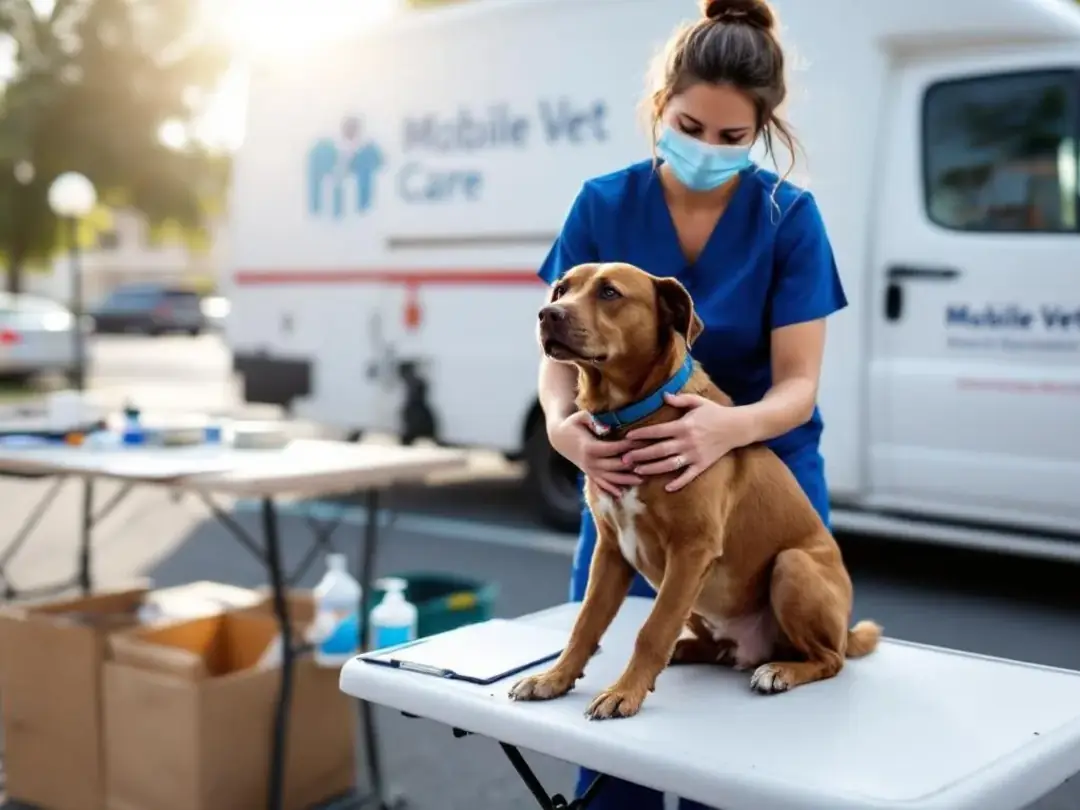
Your veterinarian will usually examine your dog first, give the vaccine by injection, and provide an official rabies certificate showing the date, vaccine information, and next due date. That certificate is important because it serves as legal proof of vaccination.
Keep it somewhere easy to find, especially if you travel, board your dog, or need to renew a license.
The shot takes seconds. The record can matter for years.
What Happens If a Dog Is Exposed
If a vaccinated dog is exposed to a potentially rabid animal, the response is usually much more manageable than it would be for an unvaccinated dog. If a dog is overdue or unvaccinated, quarantine rules, legal consequences, and medical decisions can become much more serious very quickly.
This is one of the clearest reasons staying current matters.
Rabies status becomes most important on the day something goes wrong.

Bottom Line
The rabies vaccine is one of the most important vaccines your dog will get.
It protects against a fatal disease, helps protect public health, and keeps your dog legally compliant in many situations. For most dogs, the process is routine, the side effects are mild, and the benefits are huge.
When in doubt, follow your veterinarian's guidance and your local legal requirements.
Rabies prevention is one of the clearest cases where routine care truly matters.
FAQ
Common Questions About the Rabies Vaccine for Dogs
These quick answers cover common questions about timing, side effects, legal rules, and exposure situations.
When do puppies get the rabies vaccine?
Most puppies get it at around 12 to 16 weeks of age, depending on local law and veterinary guidance.
Is the rabies vaccine required by law?
In many places, yes. Rabies vaccination is legally required for dogs in many states and local jurisdictions.
What are common side effects?
Common side effects include mild soreness, tiredness, or reduced appetite for a day or two.
Can I give the rabies vaccine myself?
No. Rabies vaccines must be given by a licensed veterinarian to count legally and be documented properly.
What if my dog is exposed to a rabid animal?
Contact a veterinarian immediately. The response depends heavily on whether your dog is currently vaccinated.


