
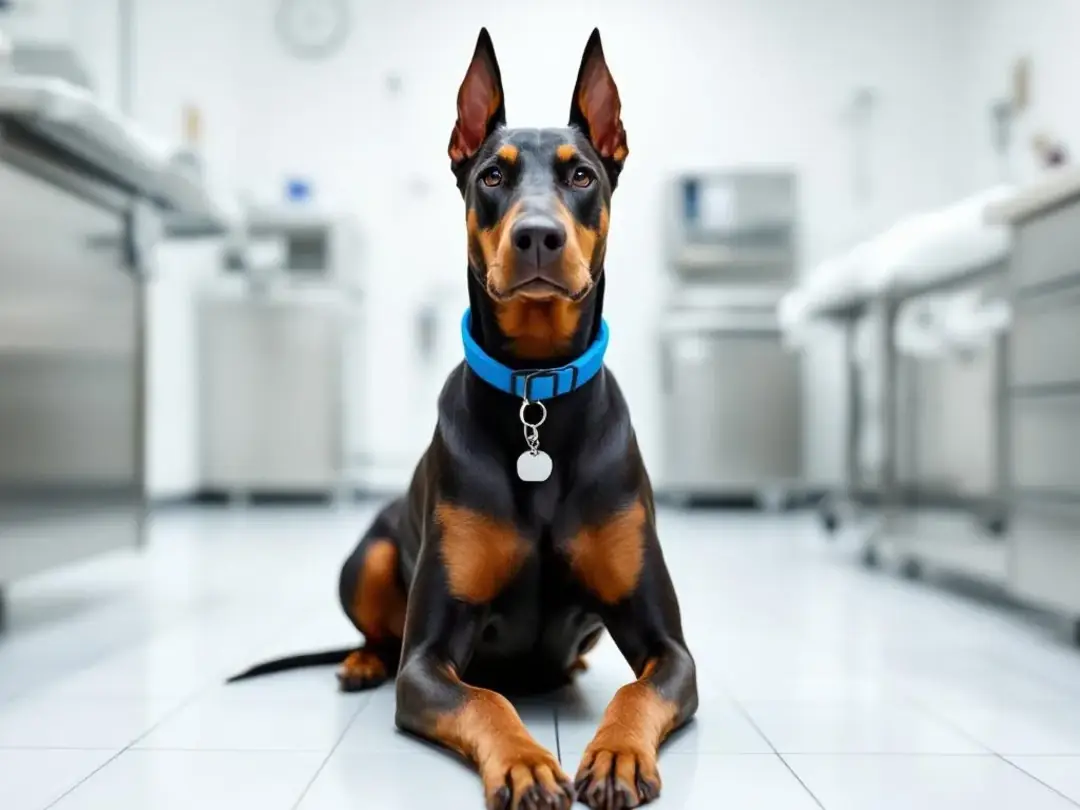

Von Willebrand disease in dogs is an inherited bleeding disorder that affects how well blood clots after injury, surgery, or other bleeding events.
If you are trying to understand whether your dog's symptoms point to a serious medical issue, our why is my dog shaking guide is a helpful next read because sudden physical changes can overlap with other urgent health concerns.
Von choices need willebrand, disease, and symptom.
Key Takeaways
- Von Willebrand disease is the most common inherited bleeding disorder in dogs.
- It affects clotting because the dog lacks enough functional von Willebrand factor.
- Some dogs show only mild symptoms, while others can have serious bleeding problems.
- Testing is especially important before surgery and in at-risk breeds.
- The condition cannot be cured, but it can often be managed with planning and veterinary care.
What Von Willebrand Disease Actually Is
Von Willebrand disease is a genetic clotting disorder caused by a deficiency or dysfunction of von Willebrand factor, a protein that helps platelets stick to damaged blood vessels and supports normal blood clotting. When that factor is missing or not working properly, bleeding can last longer than it should.
This means a dog may seem normal most of the time but have trouble when surgery, injury, or another bleeding event happens.
The problem is not always obvious until the body is asked to stop bleeding fast.
Why It Matters
This condition matters because even a routine procedure can become more dangerous if the dog cannot clot properly. A dog with mild disease may go years without obvious issues, while another may have significant bleeding after surgery, trauma, or even minor injury.
That is why early awareness can make a major difference in safety and planning.
Sometimes the diagnosis matters most before the emergency happens.

Breeds Commonly Affected
Some breeds are much more associated with this condition than others.
Doberman Pinschers are one of the best-known breeds associated with von Willebrand disease, but the condition is also seen in breeds such as German Shepherds, Scottish Terriers, Shetland Sheepdogs, Standard Poodles, Golden Retrievers, and others. Different breeds may be more likely to carry different forms of the disease.
That is why breed history can be a useful clue, but not a substitute for testing.
Risk can run in the bloodline even when symptoms do not.
Common Signs and Symptoms
Common signs include prolonged bleeding after injury, surgery, or nail trims, nosebleeds, bleeding gums, blood in urine or stool, bruising, and excessive bleeding during heat cycles or after giving birth. Some dogs may show only mild signs, while others may have more serious hemorrhage problems.
In many cases, the first clue appears during a procedure that should have been routine.
A dog can look healthy and still have a clotting problem underneath.
How It Is Diagnosed
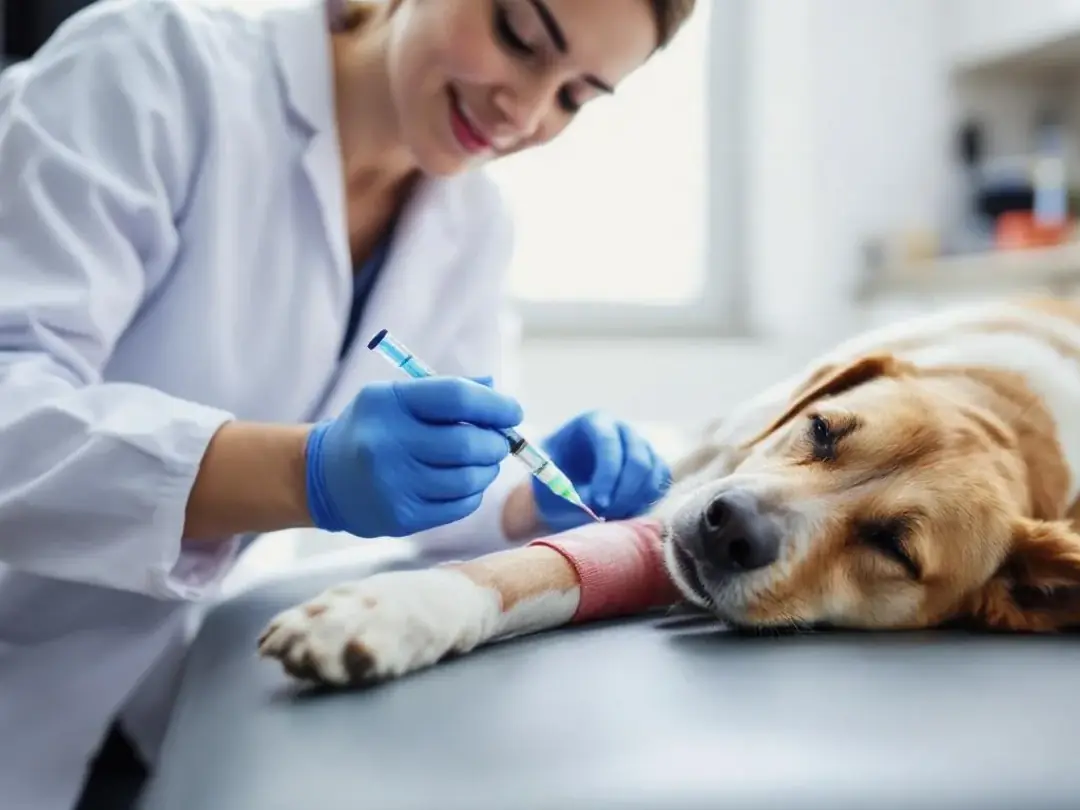
Diagnosis usually involves blood testing and sometimes genetic testing.
Veterinarians may use von Willebrand factor testing, clotting-related blood work, and DNA testing to identify whether a dog is affected or carries the condition. Testing is especially important before surgery in at-risk breeds or in dogs with a history of unusual bleeding.
Because some dogs have mild or hidden disease, testing can matter even when there has not been a major bleeding event yet.
Normal-looking does not always mean low-risk.
Treatment and Management
There is no cure for von Willebrand disease, but management focuses on reducing bleeding risk and being prepared when bleeding happens. Dogs may need special planning before surgery, blood products or plasma in emergencies, and careful avoidance of medications that interfere with clotting.
For many dogs, management is less about daily treatment and more about smart prevention and emergency readiness.
The condition may be lifelong, but the danger is often situational.

What Owners Should Do
Awareness and communication are a big part of safe care.
Owners should tell every veterinarian and groomer if a dog has von Willebrand disease or is suspected of having it. It is also wise to discuss the condition before any surgery, dental work, or procedure that may cause bleeding. At home, avoiding unnecessary injury risk and watching for unusual bleeding can help catch problems early.
In breeding situations, responsible testing matters because this is an inherited condition.
With clotting disorders, planning ahead is part of treatment.
Prognosis
Many dogs with mild forms of von Willebrand disease live normal lives, especially when the condition is known and managed properly. More severe cases carry greater risk, particularly during surgery, trauma, or major bleeding events, but outcomes improve when the diagnosis is known in advance.
The prognosis often depends less on the name of the disease and more on the severity, preparation, and speed of care.
Knowing about the condition early can change the outcome later.
Why the Bigger Pattern Matters
In real life, von willebrand disease in dogs: signs, causes, treatment, and tends to matter most when it starts changing what the dog can comfortably do in a normal day. A family may first notice it in walks, sleep, mealtimes, play, handling, or simply how much recovery time the dog seems to need.
That broader view matters because health questions almost always overlap with routine questions. The dog is still moving through the same house, the same schedule, and the same expectations, even when the body is working a little differently.
Once owners start reading the whole pattern instead of one sign, the situation usually is usually easier to explain and easier to act on.
FAQ: Common Questions About Von Willebrand Disease in Dogs
Willebrand choices need disease, testing, and comfort.
What should owners check first with Von Willebrand Disease in Dogs?
Disease choices need testing, management, and appetite.
How does Von Willebrand Disease in Dogs affect the daily plan?
Testing choices need management, routine, and pain.
When does Von Willebrand Disease in Dogs need outside help?
Management choices need routine, context, and breathing.
What makes Von Willebrand Disease in Dogs easier to manage?
Keep the next step small: track movement quality, adjust willebrand, and review the result before adding more.
What is easy to misunderstand about Von Willebrand Disease in Dogs?
Von Willebrand Disease in Dogs works best when the advice fits the actual disease situation. Keep recurrence history and testing limits visible before adding another task.
Quick Reference Table
| Focus | Why it matters | Useful next step |
|---|---|---|
| Pattern to watch | A better von willebrand disease answer links sleep to comfort, then leaves room for a warning sign check. | With von willebrand disease, one useful pass is gum color first, duration second, and vet call after that. |
| Home notes | Keep the von willebrand disease plan narrow: one timing check, one energy adjustment, one food trial review. | For von willebrand disease, use response as the baseline; change energy only after useful detail is understood. |
| Get help sooner | Von willebrand disease deserves a slower choice when breathing worsens, meal disappears, or pain signal feels unsafe. | Von willebrand disease deserves a slower choice when energy worsens, trigger disappears, or care handoff feels unsafe. |
Trusted Records & Registrations
ABCs Puppy Zs
Official parent records, litter registration details, microchip protection, health documentation, and DNA testing are shown clearly for every puppy family.


