

Key Takeaways
-
Mini goldendoodles are a cross between golden retrievers and miniature poodles, often weighing about 15-35 pounds and standing around 14-17 inches tall
-
Use Miniature Poodle Golden Retriever Mix as a specific question about breeder transparency, daily activity fit, and coat care needs before changing the routine.
-
They often combine the golden retriever's friendly temperament with the poodle's intelligence and lower-shedding coat influence
-
Most need regular grooming every 6-8 weeks plus brushing at home to prevent matting
-
Mini goldendoodles usually need moderate daily exercise, mental stimulation, and positive training to stay balanced
-
They often live around 10-15 years, though health outcomes still depend heavily on genetics and breeder quality
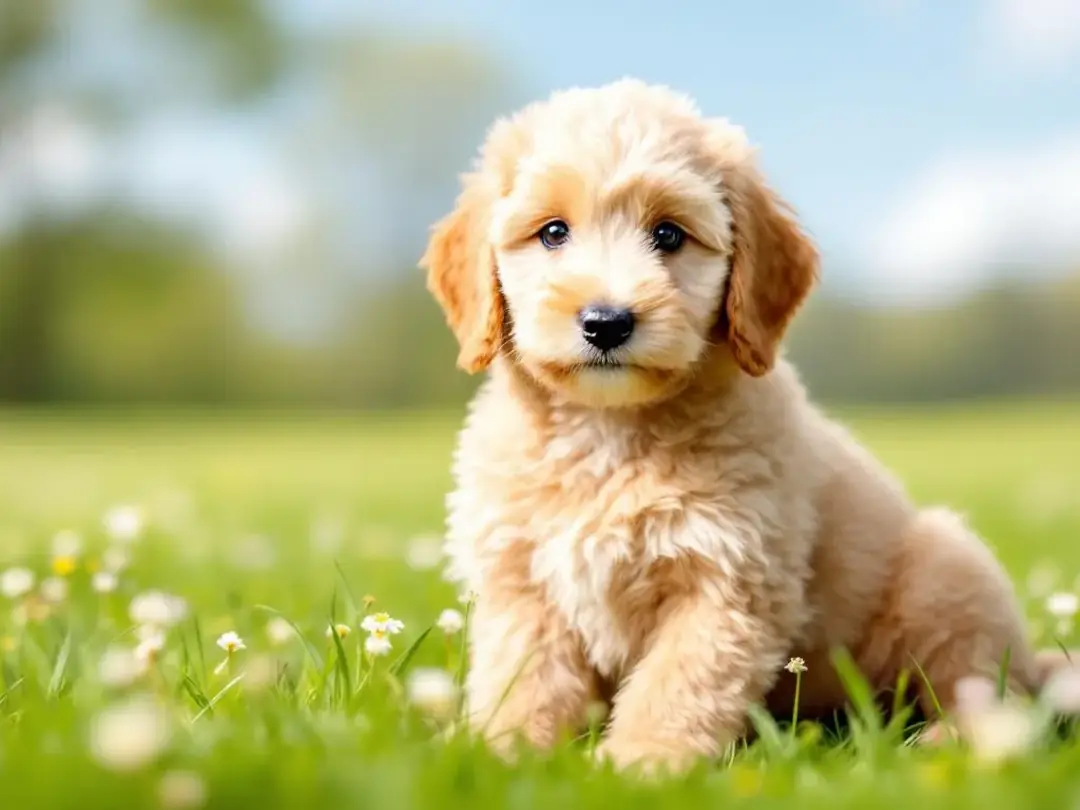
A miniature poodle and golden retriever mix is most commonly known as a mini goldendoodle, a smaller companion dog that blends poodle intelligence with the golden retriever's famously friendly temperament.
If you want a broader overview before diving into this specific mix, our mini goldendoodle guide covers size, temperament, grooming, and everyday ownership in more detail.
What is a Miniature Poodle and Golden Retriever Mix?
A miniature poodle and golden retriever mix is a mini goldendoodle. This hybrid breed was developed to combine the golden retriever's social, family-friendly personality with the miniature poodle's intelligence and lower-shedding coat traits.
Families who search for this mix also often compare it with the broader “mini Golden Retriever” idea, so it helps to read what a miniature Golden Retriever usually means alongside this guide.
Most mini goldendoodles are bred using a golden retriever and a miniature poodle, though some smaller lines may involve toy poodle influence. Because this is a hybrid rather than a standardized purebred, size, coat, and temperament can vary somewhat from dog to dog.
| Trait Area | Mini Goldendoodle Outcome | Why Families Care |
|---|---|---|
| Parent breeds | Golden Retriever + Miniature or Toy Poodle | Shapes size, coat, and temperament |
| Typical size | 15-35 pounds, 14-17 inches | Useful for home and lifestyle planning |
| Temperament | Friendly, intelligent, affectionate | Important for family life and training |
| Coat expectation | Low shedding, wavy to curly | Helpful for grooming and allergy expectations |
For many families, the appeal is simple: a smaller dog with a companion-focused temperament, strong trainability, and a coat that may work better for lower-shedding households than a traditional retriever coat.
Physical Characteristics and Appearance
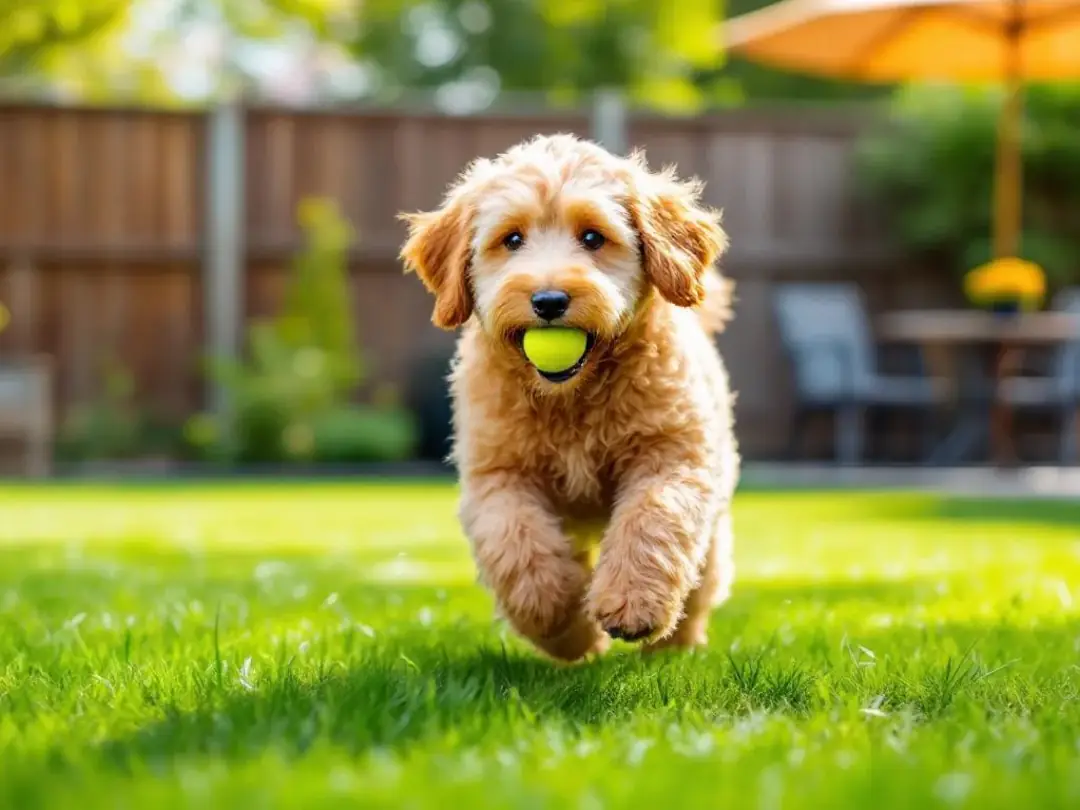
Mini goldendoodles are often recognized by their soft expression, compact size, and teddy-bear-like appearance.
Most fall into the 15-35 pound range, though exact size depends on the parent dogs and the breeder's line. Some stay smaller, while others land closer to the upper end of the mini range.
Coats can be straight, wavy, or curly depending on which parent traits show up more strongly. Curlier coats often indicate stronger poodle influence and usually shed less, while straighter coats may be easier to maintain but can shed a bit more.
Color also varies widely. Cream, gold, apricot, red, chocolate, black, and parti patterns can all appear in the breed depending on the breeding pair.
Temperament and Personality Traits
Mini goldendoodles are popular largely because of temperament. Many inherit the golden retriever's friendly, people-oriented nature along with the poodle's intelligence and responsiveness.
They are often affectionate, social, and eager to please, which makes them appealing to families, couples, and first-time dog owners. Their trainability also makes them easier to live with than some more independent breeds.
With proper socialization, many do well with children and other pets. However, because they often bond closely with their families, some can be prone to separation-related stress if left alone too long without preparation.

Grooming Requirements and Maintenance
Grooming is one of the biggest ownership commitments with mini goldendoodles.
Most need brushing several times a week, and curlier coats may need daily attention to prevent mats. Professional grooming every 6-8 weeks is common for keeping the coat manageable and comfortable.
Areas behind the ears, under the collar, and around the legs tend to mat first, so owners should pay extra attention there. Ear cleaning, nail trimming, and dental care also need to be part of the routine.
Starting grooming habits early makes a big difference. Puppies that are handled regularly usually adapt much better to brushing, trimming, and professional grooming visits later on.
Exercise Needs and Activity Requirements
Mini goldendoodles usually need around 30-60 minutes of daily exercise, depending on age, energy level, and individual temperament. Walks, play sessions, and training games often cover most of what they need.
Mental stimulation matters just as much as physical activity. These dogs are smart and can become bored if they do not have enough to do. Puzzle toys, short training sessions, and interactive routines help keep them balanced.
Their moderate energy level makes them adaptable. They can fit active households, but they also usually do well in more moderate homes as long as owners stay consistent with exercise and engagement.
Training and Socialization
Mini goldendoodles are usually very trainable because they combine intelligence with a strong desire to please. Positive reinforcement tends to work especially well with them.
Basic obedience should start early, along with crate training, leash work, and household routines. Early socialization with people, dogs, sounds, and environments helps build confidence and reduces the risk of fear-based behavior later on.
Many owners also enjoy trick training, therapy-style work, or agility-style activities because these dogs often enjoy learning and interacting closely with people.
If you're building a better enrichment routine, our mental stimulation for puppies guide offers more ideas for smart, active dogs.
Health Considerations and Common Issues
Mini goldendoodles often benefit from hybrid vigor, but they can still inherit health concerns from both parent breeds. That is why breeder quality and health testing matter so much.
Common concerns can include hip dysplasia, progressive retinal atrophy, ear infections, and some inherited conditions from the poodle side. Regular veterinary care, healthy weight management, and preventive routines all support better long-term outcomes.
Many mini goldendoodles live around 10-15 years when given proper care, though exact lifespan still depends on genetics, lifestyle, and overall health management.
Choosing a Reputable Breeder
Finding a responsible breeder is one of the most important parts of getting a healthy mini goldendoodle. Good breeders health test parent dogs, explain their breeding goals clearly, and raise puppies in a clean, well-socialized environment.
Red flags include breeders who always have puppies available, refuse to show health documentation, will not let you meet the mother, or pressure you to commit quickly.
Good breeders usually ask buyers questions too. They want to know whether the puppy is a good fit for your home, schedule, and expectations.
Cost of Ownership
The initial purchase price for a mini goldendoodle often ranges from about $1,500 to $5,000 depending on breeder reputation, location, generation, and health testing.
| Cost Area | Typical Range | What It Covers |
|---|---|---|
| Initial puppy price | $1,500-$5,000 | Breeding, early care, and health planning |
| Routine grooming | $75-$150 every 6-8 weeks | Haircuts, coat care, and maintenance |
| Annual ownership costs | $1,200-$3,000 | Food, vet care, supplies, and routine upkeep |
Beyond the purchase price, owners should budget for grooming, food, veterinary care, training, and general supplies. Grooming is one of the biggest recurring costs because of the coat maintenance involved.
Living Situations and Lifestyle Compatibility
Mini goldendoodles adapt well to many living situations, including apartments, suburban homes, and larger properties, as long as their exercise and social needs are met consistently.
They often work well for families with children, couples, and many first-time dog owners because of their friendly temperament and manageable size. Their adaptability is one of the biggest reasons they remain so popular.
What matters most is not the exact home type-it is whether the household can provide grooming, exercise, training, and regular companionship.
FAQ: Common Questions About the Miniature Poodle and Golden Retriever Mix
The most useful notes are simple: when training support appeared, how adult size expectations changed, and whether household rhythm improved or worsened. Photos can help, but records, coat expectations, and day-to-day fit carry more weight.
How does Miniature Poodle and Golden Retriever Mix: Traits, Care, and Family Fit usually show up in everyday life?
Do not judge Miniature Poodle Golden Retriever Mix from a single snapshot. Pair daily activity fit with coat care needs, then decide whether breeder transparency needs professional input.
Which parts of Miniature Poodle and Golden Retriever Mix: Traits, Care, and Family Fit matter most first?
For families, the practical question is whether adult size expectations is stable, whether household rhythm is new, and whether training support changes the risk.
What should families pay closest attention to here?
A calmer plan starts with coat care needs, avoids overreacting to breeder transparency, and leaves room for help if daily activity fit becomes concerning.
When is extra help worth considering?
Miniature Poodle Golden Retriever Mix note: Miniature Poodle Golden Retriever Mix uses adult size; Miniature Poodle Golden Retriever Mix compares home rhythm; Miniature Poodle Golden Retriever Mix changes course when training fit shifts.
How can owners plan better around Miniature Poodle and Golden Retriever Mix: Traits, Care, and Family Fit?
If Miniature Poodle Golden Retriever Mix is showing up repeatedly, track breeder transparency, reduce guesswork around daily activity fit, and act faster when coat care needs is involved.
Conclusion
A miniature poodle and golden retriever mix, better known as the mini goldendoodle, remains popular because it combines a manageable size with a friendly temperament, strong trainability, and a coat that may work better for lower-shedding households.
For most families, the biggest ownership questions come down to grooming, exercise, breeder quality, and long-term fit. When those pieces line up well, mini goldendoodles can be excellent companions for many different kinds of homes.
Trusted Records & Registrations
ABCs Puppy Zs
Official parent records, litter registration details, microchip protection, health documentation, and DNA testing are shown clearly for every puppy family.


