


Key Takeaways
-
Miniature doodle dogs are smaller Poodle mixes that often weigh 10-35 pounds and stand roughly 10-17 inches tall
-
Popular mini doodle types include Mini Goldendoodles, Mini Labradoodles, Mini Bernedoodles, Mini Aussiedoodles, and other compact Poodle crosses
-
These dogs are often chosen for their lower-shedding coats, intelligence, and adaptability to homes and apartments
-
Mini doodles usually need regular grooming every 6-8 weeks, consistent training, and moderate daily exercise
-
When buying from breeders, health testing, genetic screening, and breeder transparency matter more than trend appeal alone
A miniature doodle dog usually refers to a smaller Poodle mix bred for a more compact size, lower-shedding coat, and easier fit in apartments or smaller homes.
If you're comparing one of the most popular examples of this category, our mini goldendoodle guide is a good place to start.
What Are Miniature Doodle Dogs?
Miniature doodle dogs are intentional crossbreeds created by pairing a miniature or toy poodle with another breed. The goal is usually to combine the Poodle's intelligence and lower-shedding coat with the temperament or appearance of another popular breed.
The term "doodle" started with the Labradoodle, but it now covers a wide range of Poodle mixes. Once breeders began using miniature and toy poodles instead of standard poodles, smaller doodle varieties became more common and more appealing to families in apartments or smaller homes.
| Size Category | Typical Weight | Typical Height | Common Fit |
|---|---|---|---|
| Toy / Micro Doodles | 10-25 pounds | Often under 14 inches | Very small homes and apartment living |
| Mini Doodles | 26-35 pounds | Around 10-17 inches | Families wanting a manageable medium-small dog |
| Standard Doodles | 45+ pounds | Usually taller and heavier overall | Homes with more space and larger exercise needs |
Miniature doodle dogs are often chosen because they feel more manageable than larger doodles while still offering the same general appeal: trainability, sociability, and a coat that may work better for some allergy-sensitive households.
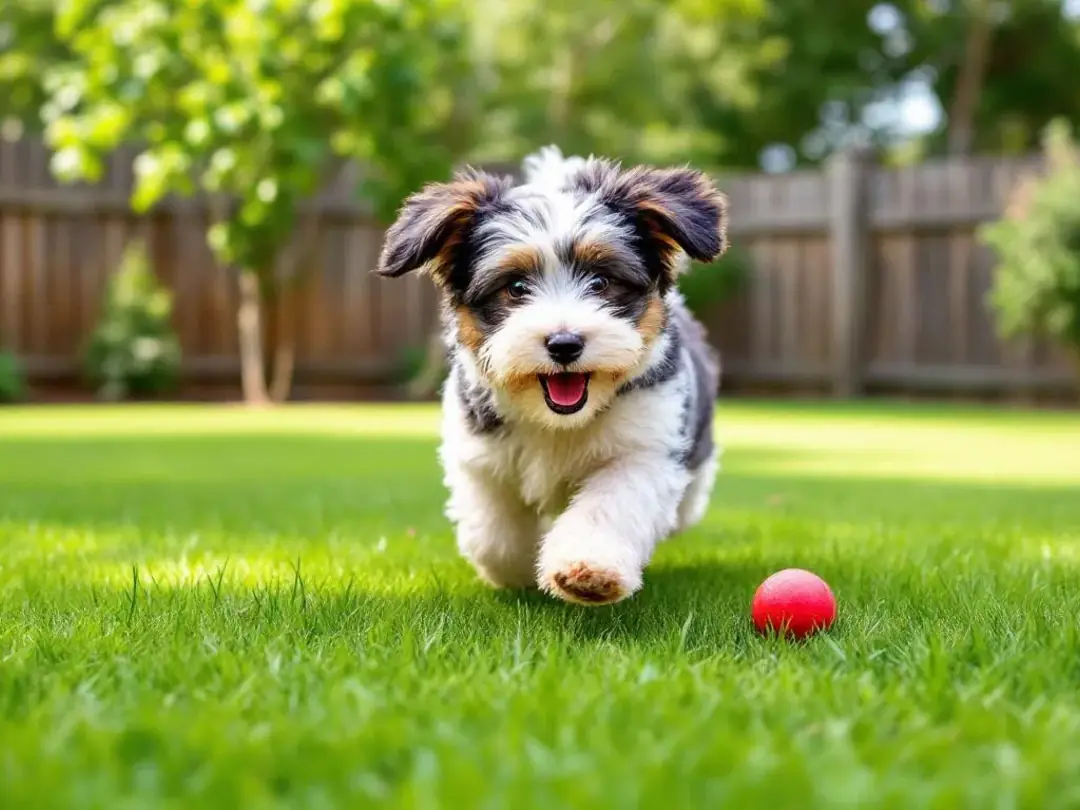
Most Popular Miniature Doodle Breeds
Mini doodles come in several popular varieties, and each one reflects the traits of its non-Poodle parent breed a little differently.
Mini Goldendoodles
Mini goldendoodles are among the most popular miniature doodles because they combine the golden retriever's friendly temperament with the miniature poodle's intelligence and lower-shedding coat. They are often chosen by families who want a social, affectionate companion.
Mini Labradoodles
Mini Labradoodles often bring together trainability, friendliness, and a playful personality. They can be a strong fit for active households that want a dog who enjoys interaction and routine.
Mini Bernedoodles
Mini Bernedoodles are often chosen for their calmer, gentler temperament and their distinctive coat patterns. Many families like them because they can feel a little more laid-back than some other doodle types.
Mini Aussiedoodles
Mini Aussiedoodles tend to be highly intelligent and energetic. They often do best with owners who enjoy training, activity, and giving their dog regular mental challenges.
Mini Cockapoos, Schnoodles, and Cavapoos
Other miniature doodle types include Mini Cockapoos, Mini Schnoodles, and Mini Cavapoos. These dogs vary in energy level and personality, but they all reflect the same general appeal of the mini doodle category: smaller size, trainability, and strong companion-dog potential.

Size and Physical Characteristics
Miniature doodle size depends heavily on whether breeders use toy or miniature poodles and on the size influence of the other parent breed.
| Feature | Typical Mini Doodle Range | Why It Matters |
|---|---|---|
| Weight | 10-35 pounds | Helps families judge handling and home fit |
| Height | 10-17 inches | Useful for crate sizing and space planning |
| Coat type | Curly, wavy, or straight | Affects grooming and shedding expectations |
| Color range | Cream, gold, red, black, chocolate, parti, tricolor | Mostly appearance preference, not temperament |
Coat type can vary a lot, especially in first-generation crosses. Some puppies develop tighter curls, some end up with loose waves, and others lean straighter depending on which parent traits show up more strongly.
Color variation is also broad. Mini doodles can appear in cream, gold, red, black, chocolate, parti, and other patterns depending on the breed mix and breeding line.
Understanding Doodle Generations
The generation of a miniature doodle affects coat predictability, shedding expectations, and how strongly Poodle traits show up in the dog.
| Generation | Typical Makeup | Common Outcome | Best For |
|---|---|---|---|
| F1 | 50% Poodle / 50% other breed | Most variation in coat and traits | Families open to more unpredictability |
| F1B | 75% Poodle / 25% other breed | Curlier coats and stronger low-shedding traits | Many allergy-sensitive households |
| F2 | F1 x F1 | Highly variable traits | Owners comfortable with wider variation |
| F2B / Multigen | Higher Poodle influence overall | More predictable coats and traits | Families wanting more consistency |
F1 dogs often show the widest variation, while F1B and multigen dogs usually offer more predictable coat and shedding outcomes. That is one reason many allergy-sensitive households lean toward higher Poodle influence.
If you're comparing one of the most common backcross generations, our f1b miniature goldendoodle guide can help.

Temperament and Personality Traits
Miniature doodle dogs are often chosen because they combine intelligence, trainability, and a strong companion-dog personality.
-
High intelligence and quick learning ability
-
Strong desire to please their families
-
Natural social skills with proper early socialization
-
Gentle nature that often works well with children
-
Adaptability to various living situations
Energy levels vary by breed mix. Mini Goldendoodles and Mini Cavapoos often land in a moderate range, while Mini Aussiedoodles and some Mini Labradoodles may need more activity and mental work.
Most mini doodles bond closely with their families and often do well with other pets when socialized properly. Their alertness can also make them good watchdogs without necessarily making them aggressive.
Grooming, Health, and Dental Hygiene
Regular grooming is one of the biggest commitments that comes with owning a miniature doodle dog. Their coats often keep growing rather than shedding out naturally, which means owners need to stay ahead of mats and tangles.
-
Daily brushing for tighter curly coats
-
2-3 times weekly brushing for wavier coats
-
Professional grooming every 6-8 weeks
-
Nail trimming monthly or as needed
-
Ear cleaning weekly to reduce infection risk
Dental care matters too. Brushing teeth regularly or using dental chews can help reduce tartar buildup and support better long-term oral health.
A slicker brush and metal comb are usually the basic tools owners rely on most. The goal is not just to keep the dog looking cute-it is to keep the coat comfortable and healthy.

Training and Exercise Needs
Mini doodles usually respond very well to positive reinforcement and consistent routines, which makes training one of their strongest advantages.
-
8-12 weeks: Basic house training and simple commands
-
12-16 weeks: Socialization with people, animals, and environments
-
4-6 months: More complex obedience training and leash skills
-
6+ months: Ongoing reinforcement and advanced skills
Most miniature doodles need around 30-45 minutes of daily exercise, though higher-energy mixes may need more. Walks, play sessions, and training games usually work better than relying on one long outing alone.
Mental stimulation is just as important as physical exercise. Puzzle toys, short training sessions, and interactive routines help prevent boredom and reduce unwanted behavior indoors.
If you want more enrichment ideas for a smart young dog, our mental stimulation for puppies guide is another useful read.
Health Considerations
Miniature doodle dogs can still inherit health concerns from both parent breeds, even when crossbreeding reduces some risks. That is why breeder quality and health testing matter so much.
-
Hip dysplasia
-
Progressive retinal atrophy
-
Patellar luxation
-
Cardiac issues
-
Skin allergies
Regular veterinary care, healthy weight management, and preventive routines all support better long-term outcomes. Many mini doodles live around 12-15 years when cared for well.
Finding Reputable Breeders
Choosing a responsible breeder protects both your future dog and your long-term ownership experience. Because mini doodles are popular, some breeders focus more on demand than on health and temperament.
-
Health testing on all breeding parents
-
Genetic screening for breed-specific conditions
-
Socialization programs for young puppies
-
Health guarantees and ongoing support
-
Willingness to take dogs back if needed
Red flags include breeders who always have puppies available, refuse visits or meaningful proof of living conditions, cannot provide health documentation, or pressure buyers to commit immediately.
Whenever possible, visit in person or request a detailed video call. Seeing the parent dogs and the puppy environment tells you much more than a polished listing page alone.
Cost and Pricing Factors
Miniature doodle dogs can vary widely in price depending on breeder reputation, generation, rarity, and location. More predictable coats, rarer colors, and stronger breeder reputations often push prices higher.
| Cost Area | Typical Range | Notes |
|---|---|---|
| Standard mini doodles | $2,000-$3,500 | Common range from reputable breeders |
| Rare colors or patterns | $3,500-$5,000 | Often priced higher for appearance demand |
| Champion bloodlines | $4,000-$6,000 | May reflect pedigree and breeder reputation |
| Professional grooming | $75-$150 every 6-8 weeks | Important recurring maintenance cost |
| Food | $30-$60 monthly | Depends on size and food quality |
| First-year setup | $1,000+ possible | Vet visits, supplies, training, and procedures add up |
Families should also budget for grooming, food, veterinary care, and supplies beyond the initial puppy price. The ongoing cost of ownership matters just as much as the purchase itself.
Living with a Miniature Doodle
Miniature doodle dogs usually adapt well to apartments, smaller homes, and family households as long as their exercise, grooming, and social needs are met consistently.
Their smaller size makes them easier to manage in tighter spaces, but they still need structure. Daily walks, mental stimulation, and regular interaction help them stay balanced and comfortable indoors.
Most also integrate well into family life when introduced properly to children and other pets. Their companion-dog nature is one of the biggest reasons they remain so popular.
FAQ
Common Questions About Miniature Doodle Dogs
These quick answers cover hypoallergenic expectations, exercise, size labels, separation anxiety, and grooming frequency.
Are miniature doodles truly hypoallergenic?
No dog is completely hypoallergenic, but many mini doodles-especially those with stronger Poodle influence-shed less and may work better for some allergy-sensitive households.
How much exercise do mini doodles need daily?
Most need around 30-45 minutes of daily activity, though higher-energy mixes may need more.
What's the difference between micro, mini, and toy doodles?
The labels usually refer to size, but breeders do not always use them consistently. Parent size and actual adult weight estimates matter more than the label alone.
Do mini doodles have separation anxiety?
Some can, especially because many bond closely with their families. Early independence training and routine help reduce the risk.
How often should I groom my miniature doodle?
Professional grooming every 6-8 weeks is common, with brushing at home several times a week or daily depending on coat type.
Conclusion
Miniature doodle dogs remain popular because they combine smaller size, trainability, and strong companion potential in one package. Whether someone chooses a Mini Goldendoodle, Mini Bernedoodle, Mini Labradoodle, or another mix, the same core questions still matter: health, grooming, temperament, and fit.
If you're considering one, focus on breeder quality, realistic care expectations, and the specific breed mix that best matches your household rather than choosing based on trend alone.


