

Key Takeaways
-
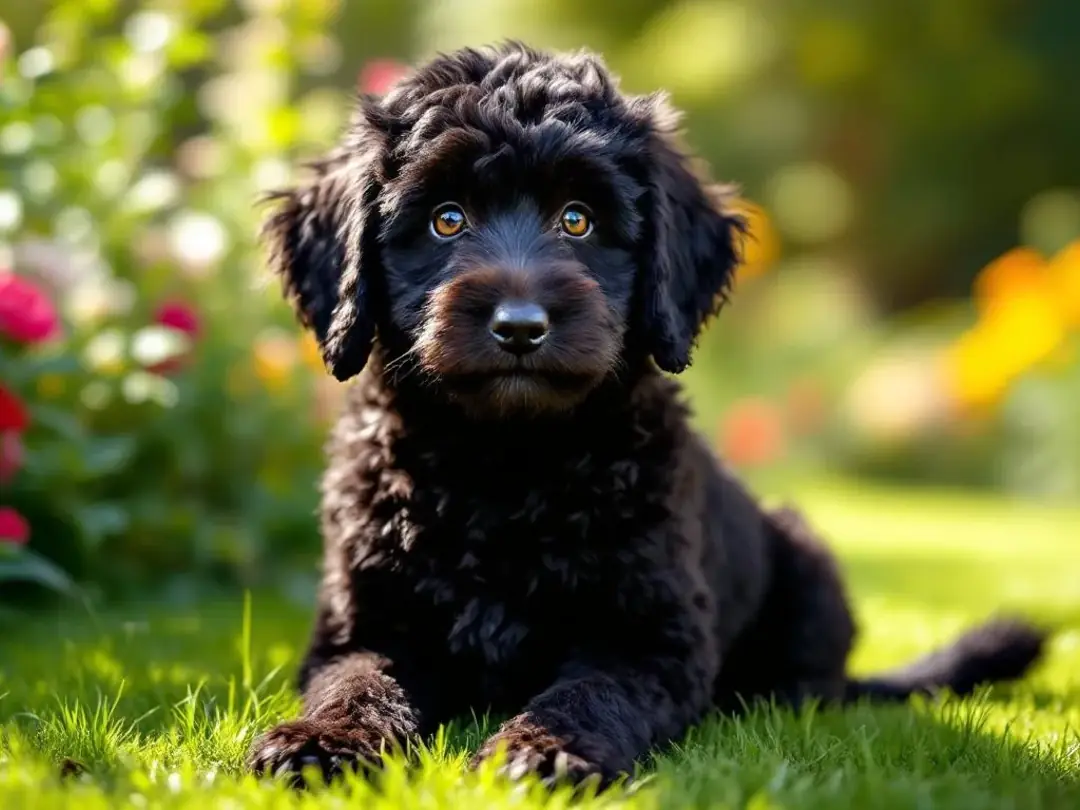
Miniature black goldendoodles are smaller doodle dogs often weighing 15-35 pounds, with darker coats inherited through the poodle side of the breeding line
- Keep mini practical, then reassess they usually keep friendly and daily routine.
-
These dogs often have lower-shedding coats, though coat type matters more than color when it comes to allergy expectations
-
Prices often range from $2,000-$3,500 depending on breeder reputation, rarity, and health testing
-
Regular grooming every 6-8 weeks helps maintain coat health and keeps darker coats looking their best
A miniature black goldendoodle stands out for its darker coat color, smaller size, and the same friendly doodle personality many families already love in other mini goldendoodle variations.
If you're still comparing the breed more broadly before focusing on color, our mini goldendoodle guide can help with temperament, grooming, and everyday fit.
Introduction to the Breed
The Mini Goldendoodle is a hybrid breed that combines the golden retriever and the poodle. Mini versions are especially popular because they offer the same affectionate, intelligent personality in a more compact size that fits many homes more easily.
One of the biggest reasons people choose mini goldendoodles is the coat. Many have lower-shedding coats that appeal to allergy-sensitive households, though coat type still varies from dog to dog. The black mini goldendoodle stands out because the darker coat color is less common than cream, apricot, or red.
That combination of manageable size, family-friendly temperament, and unusual coat color is what makes this variation especially appealing to some buyers.
What Is a Miniature Black Goldendoodle?
A miniature black goldendoodle is a mini goldendoodle with a darker coat color that usually comes through the poodle side of the breeding line. Golden retrievers do not naturally produce black coats on their own, so the black coloring depends on the genetics contributed by the poodle parent.
| Trait | Typical Range or Outcome | Why It Matters |
|---|---|---|
| Adult size | 15-35 pounds, 13-17 inches | Judge by comfort, timing, and owner follow-through |
| Coat color | Black to charcoal tones | Main visual trait that makes this variation stand out |
| Coat type | Wavy to curly, low shedding | Affects grooming and allergy expectations |
| Lifespan | 10-15 years | Shows the long-term commitment involved |
Most miniature black goldendoodles still fall into the same general mini size range as other mini goldendoodles. What changes most is the appearance, not the core breed personality.
Because black is less common in this mix, breeders who consistently produce black puppies often use more specific breeding strategies and may have fewer available litters.
Why Are Black Miniature Goldendoodles So Rare?
Black miniature goldendoodles are considered rarer because the coat color depends on the poodle side of the breeding line rather than the golden retriever side. That means breeders need the right genetic pairing to produce black puppies consistently.
Many breeders focus on more common goldendoodle colors like cream, apricot, and red because those are easier to produce and already have strong demand. Black litters are simply less common in comparison.
This lower availability is one reason black mini goldendoodles may cost more or involve longer wait times than more common color variations.
If you're comparing generation differences more closely, our f1b miniature goldendoodle guide may help explain why coat and shedding expectations can shift.
Physical Characteristics and Appearance
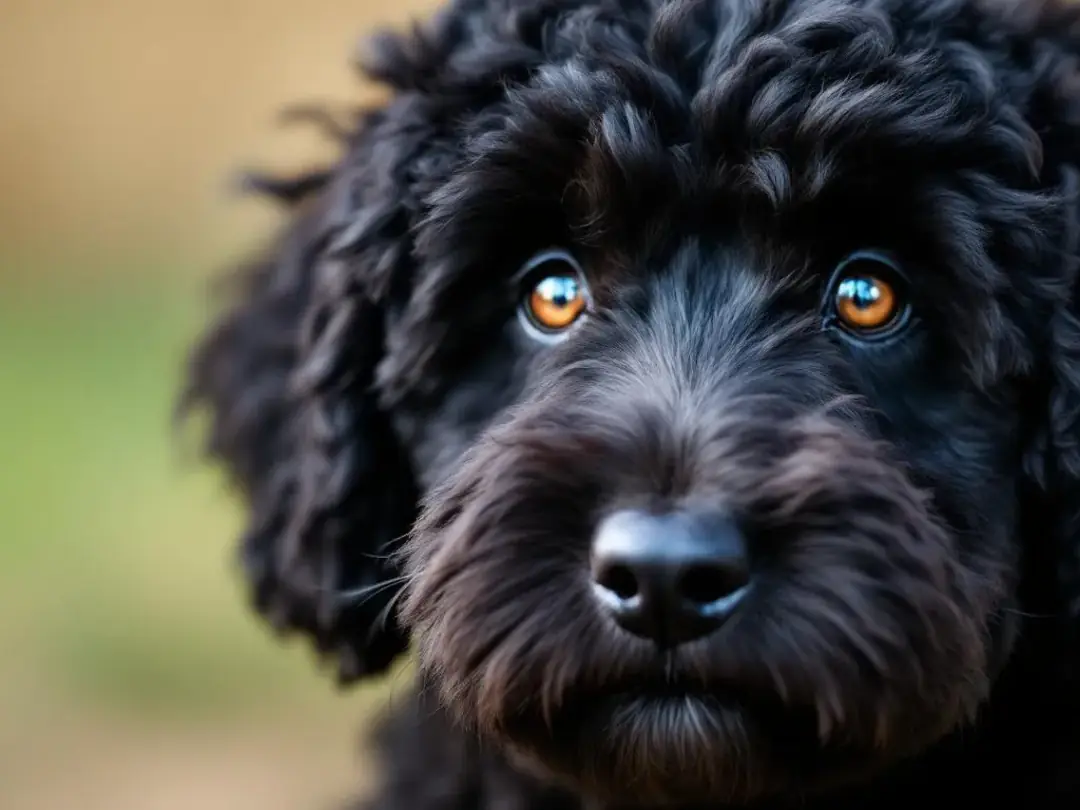
The miniature black goldendoodle's appearance is what usually draws attention first: a darker coat, expressive eyes, and a compact doodle build.
Most have coats that range from wavy to curly, with shades that may appear jet black, softer black, or charcoal depending on genetics and age. Their brown eyes and floppy ears often stand out strongly against the darker coat.
Some dogs may develop lighter highlights or subtle fading as they age, especially around the muzzle or ears. This does not mean the coat is unhealthy-it is simply one of the ways darker coats can change over time.
Within the miniature category, some dogs stay at the lower end of the size range while others grow a bit larger. Parent size and generation still matter more than color when it comes to final adult size.
Temperament and Personality Traits
Miniature black goldendoodles usually share the same core temperament people expect from mini goldendoodles in general: affectionate, social, intelligent, and eager to please.
They often do well with families, children, and other pets when properly socialized. Their intelligence also makes them responsive to training, especially when owners use positive reinforcement and stay consistent.
Energy levels are usually moderate. Most do well with daily walks, play, and mental stimulation rather than extreme exercise demands. That balance is one reason they fit so many different households.
Hypoallergenic Properties and Shedding
The lower-shedding qualities that make mini goldendoodles popular come from the poodle side of the mix, not from the black coat color itself. Coat type matters much more than color when it comes to allergy expectations.
Curly coats usually trap loose hair and dander better than straighter coats, while wavy coats often fall somewhere in the middle. That means two black mini goldendoodles can still differ in how allergy-friendly they feel in a home.
Families with allergies should still spend time around the breed before committing. No dog is completely hypoallergenic, even if it sheds less than many others.

Grooming Requirements and Maintenance
Regular grooming is essential for keeping a black mini goldendoodle's coat healthy, comfortable, and visually sharp.
Brushing several times a week helps prevent mats, especially behind the ears, under the collar, and around the legs. Professional grooming every 6-8 weeks usually keeps the coat manageable and helps maintain a neat overall shape.
Bathing every 4-6 weeks is common, though exact timing depends on coat condition and lifestyle. Dark coats can look especially striking when they are clean and well-maintained, but they still need the same practical care as any other doodle coat.
A slicker brush, metal comb, and dog-safe grooming products are usually the basics owners rely on between professional appointments.
Health Considerations and Lifespan
Miniature black goldendoodles often live around 10-15 years when given proper care. Their long-term health still depends on genetics, weight management, preventive care, and breeder quality.
Common concerns can include hip and elbow issues, eye conditions, ear infections, and inherited problems from either parent breed. This is why health testing in the parent dogs matters so much.
Routine veterinary care, healthy nutrition, and regular grooming all support better outcomes over time. Owners should think about long-term care, not just puppy-stage needs.
Training and Exercise Needs
Mini black goldendoodles usually do well with about 30-45 minutes of daily activity, depending on age, energy level, and overall health. Walks, play sessions, and training games often cover most of what they need.
Mental stimulation matters too. These dogs are intelligent and can become bored if they do not have enough to do. Puzzle toys, short training sessions, and interactive routines help keep them balanced.
Basic obedience and early socialization should start young. These dogs often respond well to positive reinforcement and usually enjoy learning when training stays consistent and rewarding.
If you want more enrichment ideas for a smart young dog, our mental stimulation for puppies guide is another useful read.
Cost and Pricing Factors
The average price range of $2,000-$3,500 for miniature black goldendoodles reflects both their relative rarity and the breeder effort required to produce them responsibly.
| Cost Area | Typical Range | Notes |
|---|---|---|
| Initial puppy price | $2,000-$3,500 | Often higher because black coats are rarer |
| Professional grooming | $75-$150 per visit | Usually needed every 6-8 weeks |
| Annual vet care | $500-$1,200 | Depends on location and preventive care choices |
| Food and supplies | Varies yearly | Includes food, toys, bedding, and replacements |
Breeder reputation, health testing, generation, and coat rarity can all influence price. Families should also budget for grooming, food, veterinary care, and supplies beyond the initial purchase.
Lower prices are not always a bargain. If a breeder cannot explain health testing, parent dogs, or how the puppies are raised, the lower price may come with bigger long-term risks.
Living Arrangements and Adaptability
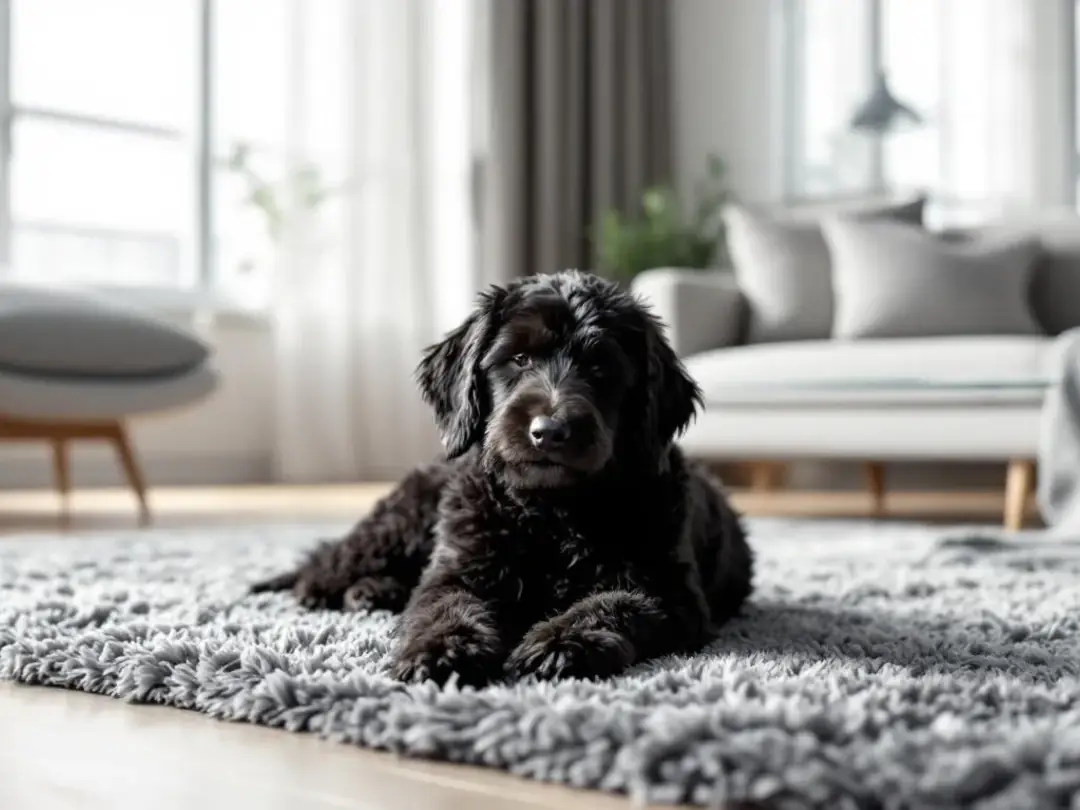
Miniature black goldendoodles usually adapt well to apartments, smaller homes, and family households as long as their exercise and social needs are met.
A yard can be helpful, but it is not required if owners stay consistent with walks, play, and mental stimulation. Their moderate size makes them more manageable in everyday life in tighter spaces than larger doodle types.
Dark coats may absorb more heat in sunny weather, so owners should pay attention to shade, water, and exercise timing during hotter months.
With early exposure and routine, many of these dogs also travel well and adapt to different environments more easily than owners expect.
Nutrition and Feeding Guidelines
High-quality food with appropriate protein and balanced nutrition supports healthy growth, coat condition, and long-term body maintenance in mini black goldendoodles.
Puppies usually need more frequent meals than adults, while adult dogs often do well with two meals per day. Portion control matters because these dogs can be food-motivated and may gain weight if owners are not careful.
Healthy skin and coat also depend on nutrition. Good hydration, balanced fats, and consistent feeding routines all help support a healthier-looking coat over time.
FAQ: Common Questions About Miniature Black Goldendoodles
Miniature Black Goldendoodle: compare miniature, black, and miniature. Miniature Black Goldendoodle: choose one practical action.
What does Miniature Black Goldendoodle: Traits, Care, and What to Expect usually mean in real family life?
Miniature Black Goldendoodle: note miniature first. Miniature Black Goldendoodle: add black and miniature before deciding. Miniature Black Goldendoodle: keep the plan simple enough to test.
Which parts of Miniature Black Goldendoodle: Traits, Care, and What to Expect matter most day to day?
Miniature Black Goldendoodle: compare miniature, black, and parts. Miniature Black Goldendoodle: keep the choice tied to baseline comfort. Miniature Black Goldendoodle: adjust after the dog responds.
What do families ask most often about this topic?
Miniature Black Goldendoodle: start with often, then check miniature. Miniature Black Goldendoodle: separate normal routine from a new pattern. Miniature Black Goldendoodle: choose one clear next step.
When should owners look for more specific guidance here?
Miniature Black Goldendoodle: watch miniature, black, and goldendoodle. Miniature Black Goldendoodle: match advice to the dog at home. Miniature Black Goldendoodle: review sooner when comfort changes.
How can families make a better decision around Miniature Black Goldendoodle: Traits, Care, and What to Expect?
Miniature Black Goldendoodle: check make with miniature. Miniature Black Goldendoodle: keep the plan specific.
Conclusion
The miniature black goldendoodle stands out because of its darker coat, manageable size, and the same friendly, intelligent personality that makes mini goldendoodles so popular overall. The color may be rarer, but the practical ownership questions are still the same: health, grooming, temperament, and fit.
If you're considering one, focus on breeder quality and realistic care expectations rather than color alone. A healthy, well-raised puppy will matter far more over the long term than rarity by itself.
Trusted Records & Registrations
ABCs Puppy Zs
Official parent records, litter registration details, microchip protection, health documentation, and DNA testing are shown clearly for every puppy family.


