Key Takeaways
-
Mini teddy bear goldendoodles are a compact hybrid breed combining English Golden Retrievers and Miniature Poodles, typically weighing 15-35 pounds
-
These dogs feature hypoallergenic, low-shedding coats with a distinctive teddy bear-like appearance through specialized grooming
-
They possess gentle, intelligent temperaments making them ideal family pets, therapy dogs, and companions for allergy sufferers
-
Regular grooming every 6-8 weeks is essential to maintain their signature teddy bear look and prevent matting
-
Mini goldendoodles have a lifespan of 12-15 years and require daily exercise of 30-45 minutes to stay healthy and happy
What is a Mini Teddy Bear Goldendoodle?
A mini teddy bear goldendoodle represents the perfect marriage between an english creme golden retriever and a miniature poodle. These first-generation crosses, known as F1 goldendoodles, typically stand 13-20 inches tall and weigh between 15-35 pounds when fully grown. The "teddy bear" designation comes from their distinctive grooming style that creates a rounded, plush appearance reminiscent of a child's favorite stuffed animal.
The english designation matters significantly for both temperament and coat quality. English golden retrievers, particularly the english creme variety, are bred for calmer dispositions and lighter coat colors compared to their american goldendoodle counterparts. This breeding choice results in a more laid-back temperament that's ideal for families with children or first-time dog owners. The english goldendoodle, in particular, is prized for its gentle nature, wavy coat, and hypoallergenic qualities, making it a standout among other types.
Size variations within the goldendoodle family create a range of distinct categories. Mini goldendoodles are the smallest, followed by small standard (35-50 pounds), and large standard varieties (50+ pounds). The miniature size makes these dogs particularly appealing to apartment dwellers and families who want a manageable pet without sacrificing the wonderful goldendoodle personality.
When you hear about upcoming litters from an experienced breeder, you'll often see references to different generations. F1B goldendoodles (75% poodle, 25% golden retriever) have a bit more poodle in their genetic makeup, which tends to result in curlier coats and stronger hypoallergenic qualities, while F1 crosses offer more variety in coat texture and often display that coveted teddy bear appearance more naturally.
Physical Characteristics and Appearance
The signature teddy bear look comes from a combination of natural genetics and skilled grooming. These dogs typically develop a wavy to curly coat that ranges from slightly feathered to densely curled, creating the perfect canvas for that rounded, plush appearance. The coat texture usually settles into its adult form by 12-18 months of age, though puppies can give you hints about their future coat type as early as 8 weeks.
Color variations add to their charm, with cream and apricot being the most common coat color options. You'll also find rich golden tones, deep red hues, and occasionally parti-colored dogs with white markings. Some dogs may lighten or darken slightly as they age, particularly those with apricot or red coloring that might fade to a lighter cream over time.
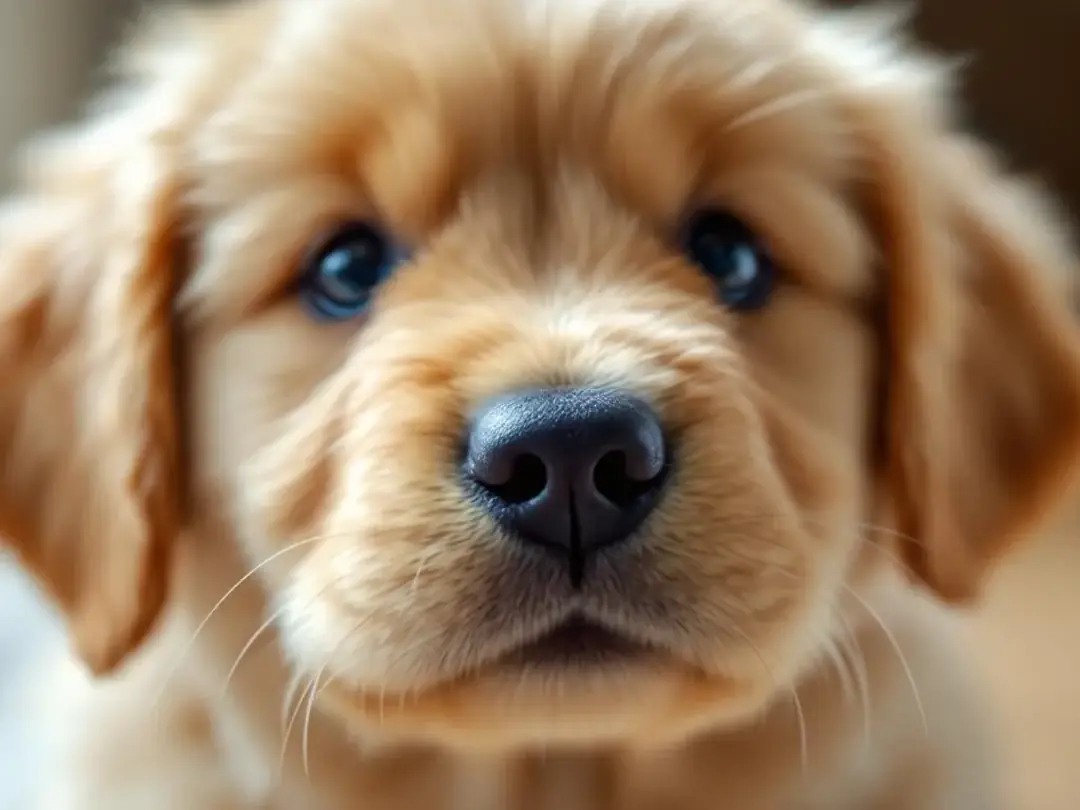
The facial features that create the teddy bear expression include round, expressive eyes, a button nose, and fluffy ears that frame the face perfectly. Their head shape tends to be more rounded than either parent breed, with a slightly shorter muzzle that enhances their baby-like appearance. The body structure remains compact and well-proportioned, with sturdy legs that support their active lifestyle while maintaining that adorable, huggable look.
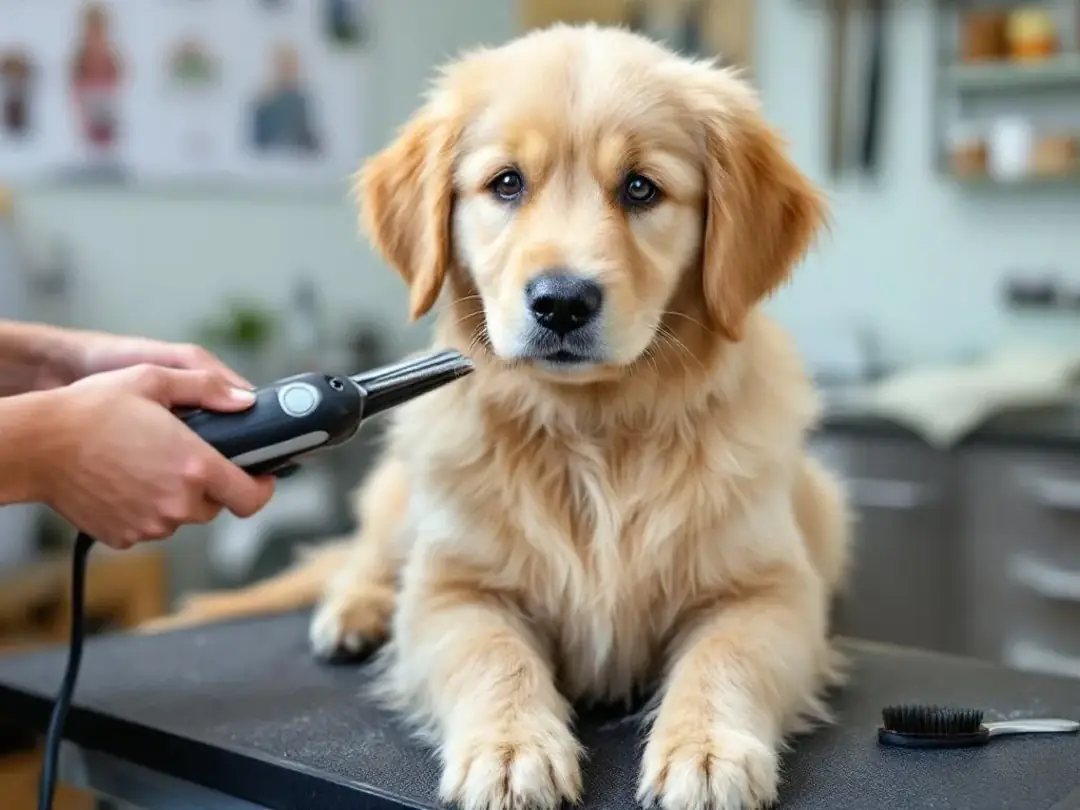
Professional grooming every 6-8 weeks transforms these natural characteristics into the perfect teddy bear appearance. The groomer will create a rounded face shape, maintain fluffy ears, and keep the body coat at an even length that enhances their plush, toy-like quality. Between professional visits, daily brushing prevents matting and keeps that soft, touchable texture that makes these dogs irresistible.
Temperament and Personality Traits
The gentle, affectionate nature inherited from english golden retrievers makes these dogs exceptional family companions. They typically display a calm confidence that's perfect for households with children, showing remarkable patience during play sessions and naturally gravitating toward their human family members. This temperament is affected by heredity, training, and socialization, which all play a significant role in shaping a Goldendoodle's behavior and personality. This temperament, combined with the poodle's intelligence, creates a dog that's both emotionally intuitive and highly trainable.
High intelligence means these dogs excel in training situations when you use positive reinforcement methods. They're eager to please and quick to learn new commands, making them excellent candidates for families who want to teach tricks, participate in dog sports, or even train for therapy work. Many mini teddy bear goldendoodles go on to become successful service dogs or emotional support animals due to their stable temperament and strong desire to bond with humans.
Social by nature, these dogs thrive on interaction with both people and other pets. Early socialization helps them develop into well-rounded adults who can handle various situations with confidence. Owner knowledge about proper socialization techniques and breed traits is crucial for raising a well-adjusted Goldendoodle. They typically get along beautifully with children of all ages, often showing protective instincts without aggression. Other pets in the household usually become fast friends, as goldendoodles rarely display territorial behavior.
However, this social nature comes with one significant consideration: potential separation anxiety. These dogs form strong bonds with their families and can become distressed when left alone for extended periods. Owners should expect that separation anxiety may be an issue and plan accordingly. If your lifestyle requires long work days, you'll need to prepare strategies for keeping your dog comfortable and occupied, or consider doggy daycare options.
Grooming Requirements for the Teddy Bear Look
Maintaining that signature teddy bear appearance requires commitment to regular grooming. Professional grooming every 6-8 weeks isn't just about aesthetics-it's essential for preventing matting and maintaining coat health. Between professional visits, daily brushing with a slicker brush and metal comb prevents tangles from forming, particularly in high-friction areas like behind the ears, under the collar, and where the legs meet the body.
The teddy bear cut itself involves specific techniques that create and maintain that rounded, plush look. Professional groomers will scissor-cut the hair around the face into a circular shape, leaving enough length to maintain that soft, fluffy appearance while ensuring the eyes remain visible. The body coat is typically kept at 3/4 inch to 1 inch in length, depending on the season and your preference.
Seasonal adjustments help keep your dog comfortable year-round. Many owners opt for a slightly longer winter coat (around 3/4 inch) for warmth and a shorter summer cut (1/2 inch) to help with heat management. The key is maintaining consistency in the rounded face shape and ensuring the coat length is even across the body to preserve that teddy bear silhouette.
At-home maintenance between grooming appointments includes regular ear cleaning, nail trimming, and dental care. The ears, in particular, require attention due to their floppy nature and the hair that grows inside the ear canal. Weekly cleaning helps prevent infections, while monthly nail trims keep your dog comfortable and protect your floors.
Face Clipping and Styling
The teddy bear face is perhaps the most distinctive feature of this grooming style. Professional groomers use thinning shears and scissors to create a perfectly rounded face shape that frames the eyes and creates that baby-like expression. The hair around the eyes is carefully trimmed to ensure clear vision while maintaining the fluffy, rounded appearance that gives these dogs their teddy bear name.
Ear grooming involves both the outer ear hair and the hair that grows inside the ear canal. The outer ear hair is shaped to blend seamlessly with the face, creating a continuous rounded appearance. Hair inside the ears should be plucked or trimmed regularly to promote air circulation and prevent moisture buildup that can lead to infections.
The beard and mustache area offers some styling flexibility. Some owners prefer a fuller beard that adds to the teddy bear look, while others opt for a neater trim around the muzzle. The key is maintaining symmetry and ensuring the hair length doesn't interfere with eating or drinking. Regular trimming of this area also helps keep your dog's face clean and reduces odors.
Health and Lifespan
Mini teddy bear goldendoodles typically enjoy a healthy lifespan of 12-15 years when properly cared for. The hybrid vigor that comes from crossing two different breeds often results in fewer genetic health issues compared to purebred dogs. However, responsible breeding practices remain crucial for ensuring the healthiest possible puppies. Puppies that are raised in a nurturing and healthy environment are more likely to thrive and develop into well-adjusted, healthy adults.
Common health considerations include hip dysplasia, which can affect dogs of any size but tends to be less severe in smaller dogs. Eye problems, including progressive retinal atrophy and cataracts, can occasionally occur, making regular veterinary eye exams important. Ear infections are perhaps the most frequent health issue due to the floppy ears and hair growth in the ear canal, but these are easily prevented with proper ear care.
The benefits of hybrid vigor mean that many of the health issues that affect purebred golden retrievers or poodles may be reduced in goldendoodle crosses. However, it's still important to work with breeders who health test their parent dogs for common genetic conditions. An experienced breeder will provide health clearances for both parents and be transparent about any health issues in their breeding lines.
Proper nutrition plays a significant role in maintaining health throughout your dog's life. High-quality food appropriate for their age, size, and activity level helps maintain ideal body weight and supports joint health. Regular exercise, mental stimulation, and preventive veterinary care all contribute to a long, healthy life for your mini teddy bear goldendoodle.
Training and Exercise Needs
Despite their small stature, mini teddy bear goldendoodles require 30-45 minutes of moderate exercise daily to maintain their physical and mental health. This can be broken into shorter sessions-a morning walk, afternoon play session, and evening training time work perfectly for most families. Their intelligent nature means they need mental stimulation just as much as physical exercise.
Positive reinforcement training methods work exceptionally well with these dogs. Their eager-to-please attitude and food motivation make them excellent students for basic obedience, trick training, and even more advanced activities. Start with fundamental commands like sit, stay, come, and down, then progress to more complex behaviors as your dog masters the basics.
Early socialization forms the foundation for a well-adjusted adult dog. Expose your puppy to various people, places, sounds, and experiences in a controlled, positive manner. Puppy kindergarten classes provide excellent socialization opportunities while also teaching basic manners and strengthening the bond between you and your dog. When socializing your puppy with children, teach kids to interact gently and respectfully, including not pulling the dog's tail, to ensure safe and positive experiences for both the child and the dog.
Indoor living works well for these dogs, provided they receive adequate exercise and mental stimulation. Puzzle toys, interactive feeders, and training sessions can help tire out an active mind on days when outdoor exercise is limited. Many owners find that their mini goldendoodles adapt beautifully to apartment life when their exercise needs are consistently met.
Allergy-Friendly Benefits
The hypoallergenic qualities inherited from the poodle parent make mini teddy bear goldendoodles an excellent choice for families dealing with allergies. Their low-shedding coat produces less dander than traditional shedding breeds, though it's important to note that no dog is 100% hypoallergenic. The curly coat texture tends to trap loose hair and dander rather than releasing it into the environment.
F1B generation dogs (75% poodle genetics) typically offer even stronger allergy-friendly traits due to the increased poodle influence in their genetic makeup. These dogs often have curlier coats that shed even less than their F1 counterparts. However, individual dogs can vary, so it's always wise to spend time with a dog before making a commitment if allergies are a concern.
The minimal shedding also means less hair on furniture, clothing, and carpets, making these dogs appealing to families who prefer a cleaner home environment. Regular grooming helps maintain coat health and reduces any loose hair that might otherwise be shed around the house. The trade-off is the increased grooming requirements compared to shorter-coated breeds.
For families with mild to moderate allergies, mini teddy bear goldendoodles often provide the perfect solution. Their manageable size means less overall dander production compared to larger dogs, while their loving temperament ensures you don't have to sacrifice companionship for comfort. Always spend time with individual dogs to assess your specific reaction before bringing one home.
Living Situation and Lifestyle: Is a Mini Teddy Bear Goldendoodle Right for You?
Bringing a Mini Teddy Bear Goldendoodle into your life is an exciting decision, but it's important to make sure this breed truly fits your lifestyle and living situation. These dogs are bred to be the perfect companion-intelligent, loyal, and affectionate-but they thrive best in homes where their social and physical needs are met.
Mini Teddy Bear Goldendoodles, with their signature curly coat and teddy bear appearance, are known for their friendly, outgoing temperament. Bred from English Golden Retrievers and Poodles, they inherit the gentle, people-oriented nature of English Goldendoodles and the smarts of the poodle line. This makes them ideal for families, especially those with children, as well as for individuals seeking a loyal friend or even a potential service dog.
If you have an active household with plenty of time for walks, play, and training, a Mini Teddy Bear Goldendoodle will fit right in. They love being part of family activities and are happiest when included in daily routines. Even if you live in an apartment or have limited outdoor space, these dogs can adapt well-as long as you're prepared to provide daily exercise and mental stimulation. Their moderate size and calm indoor demeanor make them suitable for smaller homes, but they do need regular outings to stay healthy and happy.
Grooming is another key consideration. The breed's beautiful, slightly feathered or curly coat requires consistent care to prevent matting and keep that plush teddy bear look. Be prepared for regular brushing and professional grooming every few weeks. This commitment is essential for their comfort and health, and it's a great way to bond with your dog.
Choosing the right puppy starts with finding an experienced breeder who specializes in English Goldendoodles and prioritizes health, temperament, and proper socialization. Reputable breeders will be transparent about their breeding practices, offer health clearances, and help match you with the perfect puppy for your family. Keep an eye out for upcoming litters and ask about the temperament and coat type of available puppies to ensure you're making the best choice.
Mini Teddy Bear Goldendoodles are not just adorable-they're also highly intelligent and eager to please, making training a rewarding experience. With positive reinforcement and early socialization, your puppy will grow into a confident, well-mannered adult dog. Their adaptable nature also makes them excellent candidates for therapy and service dog work, further highlighting their versatility as a breed.
Before bringing home your new puppy, make sure you're fully prepared for the responsibilities of dog ownership. This includes daily exercise, consistent training, regular grooming, and providing a loving, safe environment. Remember, a Mini Teddy Bear Goldendoodle is a long-term commitment, but with the right care and attention, they will reward you with years of joy, loyalty, and companionship.
If you're ready to welcome a new furry friend into your family, a Mini Teddy Bear Goldendoodle might just be the perfect companion you've been searching for. With their loving temperament, manageable size, and irresistible teddy bear charm, these dogs have a special way of making every day brighter.
Choosing the Right Mini Teddy Bear Goldendoodle
The difference between F1 and F1B generations affects more than just coat characteristics. F1 dogs (50% golden retriever, 50% poodle) typically show more variation in appearance and coat type but often display robust health due to maximum hybrid vigor. F1B dogs offer more predictable coat characteristics and stronger hypoallergenic qualities but may have slightly less genetic diversity.
Working with reputable breeders who health test their parent dogs is crucial for getting a healthy puppy. Look for breeders who provide health clearances for hips, elbows, eyes, and genetic conditions common to both parent breeds. An experienced breeder will also conduct temperament testing to help match puppies with appropriate families based on energy level and personality traits. A reputable breeder will guide you through the entire process of selecting or adopting a puppy, ensuring you understand each step and are well-prepared.
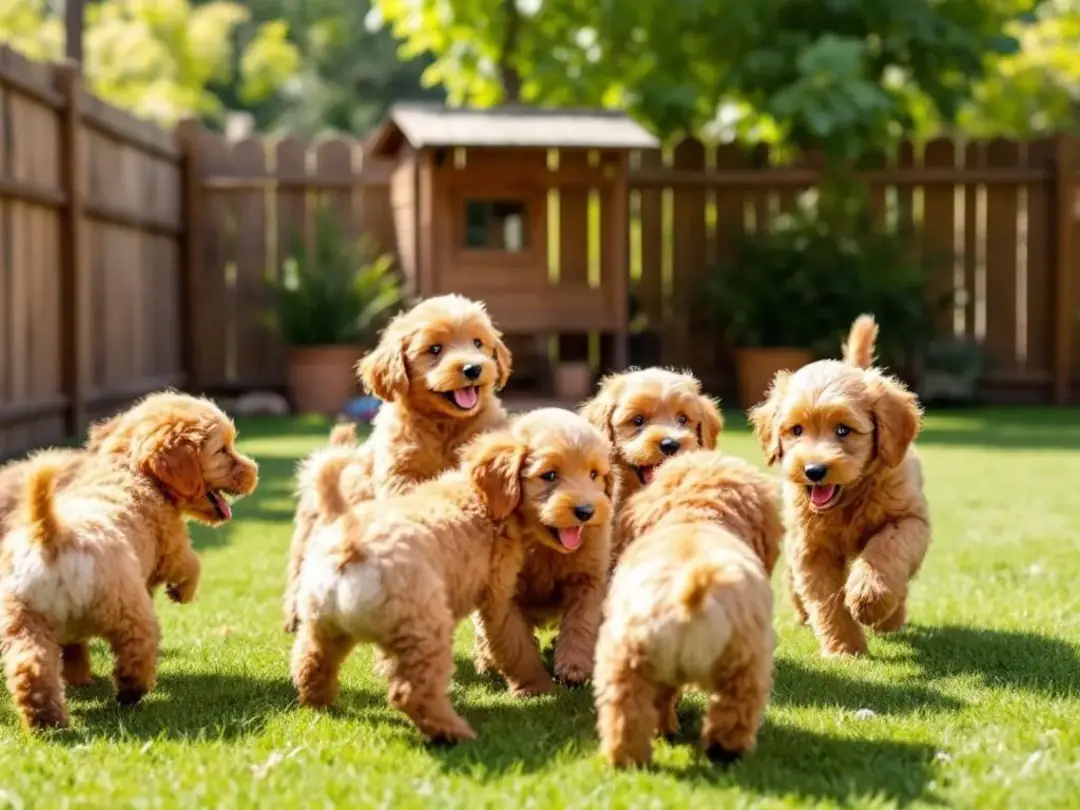
When visiting potential litters, observe how the puppies interact with you and their littermates. A well-socialized puppy should be curious and friendly without being overly shy or aggressive. The breeder should be knowledgeable about their dogs' lineages and willing to answer questions about health, temperament, and care requirements.
Red flags to avoid include breeders who always have available puppies, won't let you meet the parent dogs, can't provide health clearances, or seem more interested in making a quick sale than finding good homes. Reputable breeders often have waiting lists and will interview potential families to ensure good matches between dogs and families.
Don't hesitate to talk directly with breeders to ask questions and address any concerns you may have.
Cost and Maintenance Considerations
The initial purchase price for a mini teddy bear goldendoodle from reputable breeders typically ranges from $1,500 to $3,000, depending on the breeder's reputation, location, and the specific qualities of the parents. This investment reflects the careful health testing, proper socialization, and quality care that goes into raising healthy puppies.
Annual grooming costs represent a significant ongoing expense, typically ranging from $600 to $1,200 for professional maintenance every 6-8 weeks. This cost can vary based on your location, the specific services needed, and whether you learn to do some basic grooming tasks at home. Factor in the cost of professional grooming tools if you plan to handle some maintenance yourself.
Beyond grooming, budget for quality food, regular veterinary care, training classes, toys, and supplies. Pet insurance can help manage unexpected medical costs and is worth considering given the 12-15 year lifespan of these dogs. The initial setup costs for beds, crates, leashes, and other supplies can add several hundred dollars to your first-year expenses.
The long-term financial commitment over a dog's lifetime can easily reach $15,000 to $25,000 when you factor in all care, feeding, grooming, and medical expenses. While this represents a significant investment, many families find the companionship, joy, and emotional benefits of owning a mini teddy bear goldendoodle well worth the cost.
FAQ
How often do mini teddy bear goldendoodles need professional grooming to maintain their appearance?
Professional grooming every 6-8 weeks is essential to maintain the signature teddy bear look and prevent matting. During summer months, some owners opt for more frequent grooming (every 4-6 weeks) to keep their dogs comfortable, while winter grooming can sometimes be stretched to 8-10 weeks if daily brushing is maintained. The key is consistency-skipping grooming appointments can lead to severe matting that requires shaving the coat completely.
Are mini goldendoodles suitable for first-time dog owners, and what training challenges should be expected?
Mini teddy bear goldendoodles are excellent choices for first-time owners due to their gentle temperament and high trainability. The main challenges include managing their social needs (they don't do well when left alone for long periods) and maintaining their grooming requirements. Their intelligence means they need mental stimulation, so new owners should be prepared to provide puzzle toys, training sessions, and adequate exercise to prevent boredom-related behaviors.
What's the difference between a mini goldendoodle's coat at 8 weeks versus full maturity at 12-18 months?
Puppy coats are typically softer and fluffier than adult coats, with less defined curl patterns. Around 6-9 months, dogs go through a coat change where the puppy hair is replaced by their adult coat. This transition period requires extra brushing as the old hair can become trapped in the new growth, leading to matting. The final adult coat texture and curl pattern usually establish by 12-18 months of age.
Can mini teddy bear goldendoodles live comfortably in apartments, and what are their space requirements?
These dogs adapt very well to apartment living provided their exercise and mental stimulation needs are met. Their moderate size and relatively calm indoor demeanor make them suitable for smaller spaces. The key requirements are daily walks, regular play sessions, and mental enrichment activities. Access to a yard is nice but not necessary if you're committed to providing adequate exercise through walks and visits to dog parks.
How do mini goldendoodles compare to other small doodle breeds like mini labradoodles or bernedoodles in terms of temperament and care?
Mini goldendoodles typically have calmer, gentler temperaments compared to mini labradoodles, which tend to be more energetic and outgoing. Compared to mini bernedoodles, goldendoodles are usually more social and less prone to being reserved with strangers. In terms of care, all three require similar grooming commitments, but goldendoodles often have the most predictable temperaments and the strongest track record for therapy and service work due to their golden retriever heritage.
For more information about mini teddy bear goldendoodles, look for the word 'MORE' or use the navigation bar on our website to access additional resources.