


Key Takeaways
-
Mini Goldendoodles are a cross between Golden Retrievers and Miniature Poodles, often weighing 15-40 pounds and standing 13-20 inches tall
-
F1B generation puppies often have more poodle influence, which can mean curlier coats and stronger lower-shedding tendencies
-
Reputable breeders provide health testing, socialization, and screening for inherited conditions like hip dysplasia and eye issues
-
Expect to pay roughly $1,500-$3,500 for a Mini Goldendoodle from an established breeder, depending on generation, location, and breeder reputation
-
Local breeders may offer easier pickup, in-person visits, and more direct support during the adoption process
Searching for mini goldendoodles for sale near you usually means balancing breeder quality, travel distance, health testing, and how prepared you are for a new puppy at home.
If you're still comparing the breed more broadly before narrowing your search locally, our mini goldendoodle guide can help with temperament, grooming, and everyday fit.
Introduction to Mini Goldendoodle Puppies
Mini goldendoodle puppies are the result of crossing a golden retriever with a miniature poodle, creating a smaller doodle that many families find appealing. These puppies are often chosen for their affectionate temperament, intelligence, and coats that may shed less than many other breeds.
Mini goldendoodles are known for being social, playful, and adaptable, which is one reason they fit well into many households. Their size also makes them easier to manage than larger doodle varieties while still feeling sturdy enough for active family life.
If you're looking for a puppy that can become a close family companion, a mini goldendoodle is often one of the first breeds people consider. The key is making sure the breeder, puppy, and timing all fit your actual situation rather than just the search phrase.
Where to Find Mini Goldendoodles for Sale Near You
When searching for mini goldendoodle puppies in your area, start with reputable breeder directories and breed-specific websites. Platforms that let you filter by location, generation, and size can help narrow the search, but they should only be the starting point-not the final proof that a breeder is trustworthy.
| Search Option | Why People Use It | What to Double-Check |
|---|---|---|
| Breeder directories | Easy local filtering by breed and location | Health testing, reviews, and breeder transparency |
| GANA breeder listings | Focus on breeders meeting association standards | Current certification and actual breeding practices |
| Local vet referrals | Trusted local insight from professionals | Whether the breeder still has a strong reputation |
| Dog shows or meet-ups | Chance to meet breeders and dogs in person | Temperament, cleanliness, and breeder knowledge |
| Social groups and reviews | Real owner experiences and local recommendations | Consistency of feedback, not just one glowing review |
The Goldendoodle Association of North America (GANA) can also be a useful resource when looking for breeders who follow stronger health testing and breeding standards. Local veterinarians may also know which breeders in your area have a solid reputation over time.
Regional dog events, breeder meet-ups, and local owner groups can also help you gather more realistic information. These settings let you see adult dogs in person and hear directly from families who have already gone through the process.
What to Look for in Reputable Mini Goldendoodle Breeders
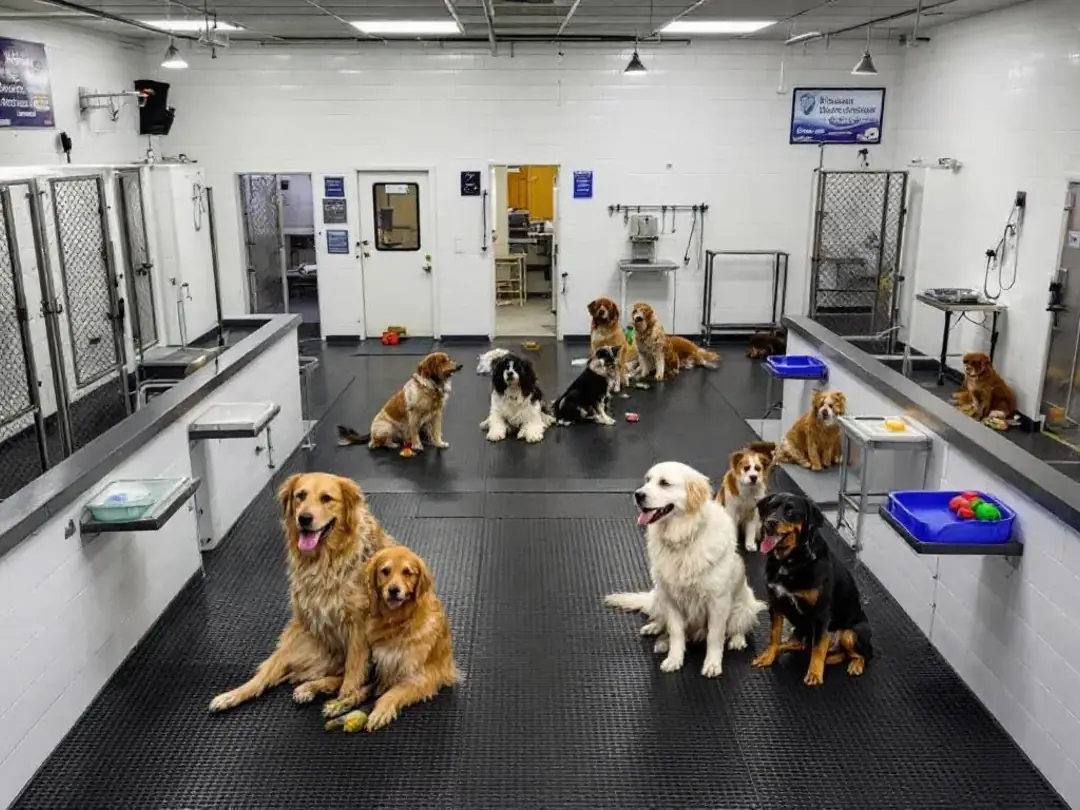
Health testing for both parent dogs should be one of your first priorities when evaluating breeders.
Responsible breeders should be able to provide OFA hip and elbow clearances, eye testing, and genetic screening for inherited conditions that can affect goldendoodles. They should also be willing to explain the health and temperament of the parent dogs, especially the mother.
Look for breeders who maintain organized records, explain their breeding goals clearly, and can discuss the differences between generations like F1 and F1B. Good breeders usually understand not just what they are breeding, but why they are breeding those pairings.
Quality breeders also begin socialization early. Puppies should be exposed to handling, sounds, routines, and age-appropriate experiences before they ever leave for a new home.
A written health guarantee and ongoing breeder support are also strong signs. Reputable breeders usually welcome questions, allow visits or video tours, and do not pressure families into rushed decisions.
Mini Goldendoodle Generations and Size Variations
Understanding mini goldendoodle generations helps you make a more informed decision about coat type, size, and general expectations. F1 mini goldendoodles come from a golden retriever crossed with a miniature poodle, while F1B puppies are bred back to a poodle and usually show stronger poodle influence.
| Generation | Typical Makeup | Common Size Range | Why Families Choose It |
|---|---|---|---|
| F1 | 50% Golden Retriever / 50% Poodle | 25-40 pounds | Balanced traits from both parent breeds |
| F1B | 25% Golden Retriever / 75% Poodle | 15-30 pounds | Often curlier and more allergy-friendly |
| Multi-gen | Multiple doodle generations | Varies by line | Often more predictable traits over time |
| Petite / micro lines | Often smaller poodle influence | 10-25 pounds | Appeals to families wanting a smaller companion |
F1B mini goldendoodles often have curlier coats and stronger lower-shedding tendencies, which is one reason they are popular with allergy-conscious households. Multi-generational lines may offer more predictable coat and size outcomes over time.
Petite and smaller mini lines may appeal to families in apartments or smaller homes, while larger minis may be a better fit for more active households that want a sturdier dog for outdoor routines.
If you're comparing generation differences more closely, our f1b miniature goldendoodle guide can help.

Pricing and What's Included with Your Mini Goldendoodle
Mini goldendoodle pricing varies based on generation, breeder reputation, location, and what is included in the puppy package.
Many mini goldendoodle puppies fall somewhere in the $1,500-$3,500 range. F1B puppies may cost more in some programs because of coat expectations and stronger poodle influence.
Most reputable breeders include first vaccinations, deworming, microchipping, and a health certificate in the purchase price. Some also include food samples, toys, blankets, and written care instructions to help with the transition home.
Delivery and transport options vary. Local pickup is usually the simplest and least stressful option, while long-distance transport can add significant cost. Deposits are also common and are usually applied toward the final purchase price.
Health Considerations and Genetic Testing
Comprehensive health testing in the parent dogs is one of the strongest indicators that a breeder is taking long-term puppy health seriously. Common screenings include hips, elbows, eyes, and genetic testing for inherited conditions that can affect goldendoodles.
Conditions breeders may screen for include hip dysplasia, progressive retinal atrophy, and certain bleeding disorders. Testing does not eliminate all risk, but it does reduce avoidable inherited problems when used responsibly.
Mini goldendoodles often live around 12-15 years with proper care, though individual outcomes depend on genetics, weight management, preventive care, and overall lifestyle.
Once your puppy comes home, regular veterinary care, healthy nutrition, and routine grooming all support better long-term health. A breeder who remains available for questions after pickup is often a good sign as well.
Preparing Your Home for Your New Mini Goldendoodle
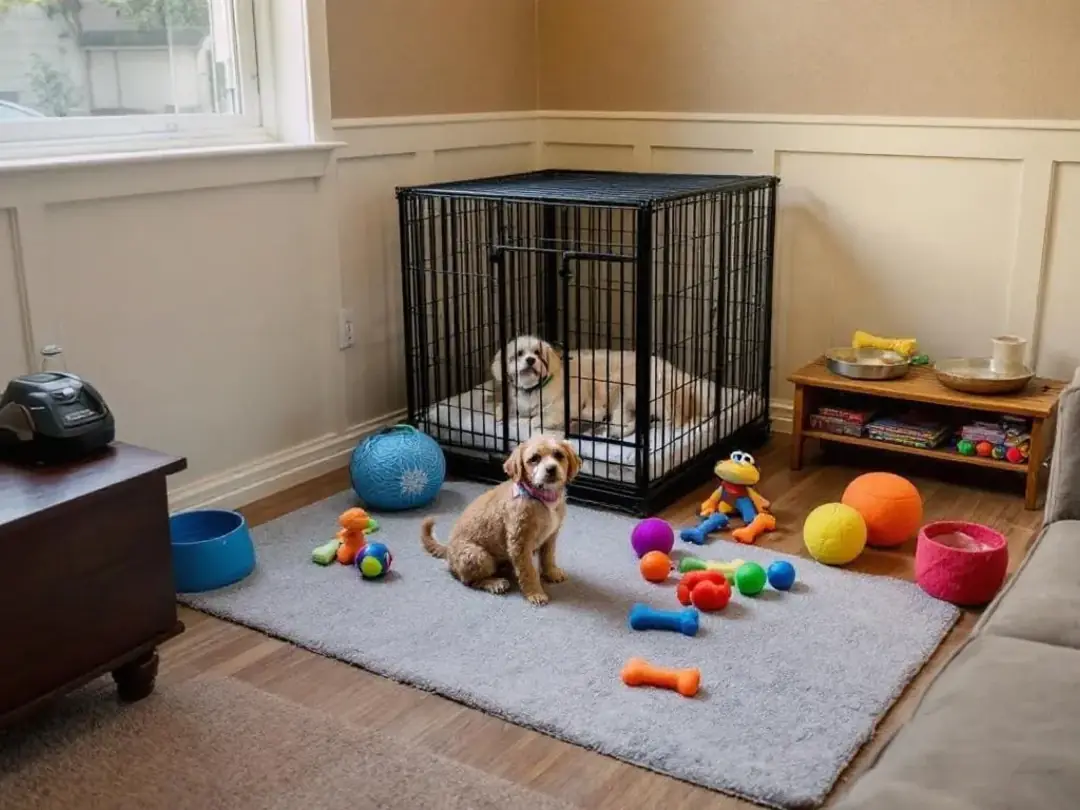
Preparing your home before pickup makes the transition easier for both your puppy and your household.
Start with the basics: crate, bed, bowls, leash, collar, ID tags, toys, and grooming tools. These items give your puppy structure and help you establish routines right away.
Puppy-proofing matters too. Secure cords, remove small objects, block unsafe areas, and make sure anything toxic or fragile is out of reach. Mini goldendoodles are curious and often explore with their mouths.
It also helps to decide in advance where your puppy will sleep, eat, and go for potty breaks. Consistency in those first days usually reduces confusion and stress.
If you're planning those first few days now, our first 48 hours with puppy guide may help you get organized.
The Adoption Process: From Inquiry to Bringing Your Puppy Home
The process usually starts with an inquiry or application. Reputable breeders often ask about your home, schedule, dog experience, and what you're looking for in a puppy. This is usually a good sign, because it shows they care about placement rather than just making a sale.
| Step | What Usually Happens | Why It Matters |
|---|---|---|
| Initial inquiry | You contact the breeder and ask about litters, pricing, and timing | Helps you judge responsiveness and transparency |
| Application | Breeder asks about your home, schedule, and dog experience | Supports better puppy-family matches |
| Deposit and waitlist | You reserve a spot for an upcoming litter | Secures your place and sets expectations |
| Selection period | You meet or review puppies around 6-7 weeks | Lets you assess temperament and fit |
| Pickup or delivery | Puppy goes home around 8-10 weeks | Marks the transition into your daily routine |
Many breeders maintain waiting lists, especially if they breed selectively and only have a few litters each year. Deposits are common and usually secure your place for an upcoming litter.
Puppy selection often happens around 6-7 weeks, either in person or through detailed photos and videos. Good breeders can usually help match temperament and energy level to your household rather than leaving the decision entirely to appearance.
Most puppies go home around 8-10 weeks. At that point, you should receive health records, feeding instructions, and guidance for the transition period.
Ongoing Care and Training for Your Mini Goldendoodle
Mini goldendoodles need regular grooming, exercise, and training to stay healthy and well-adjusted.
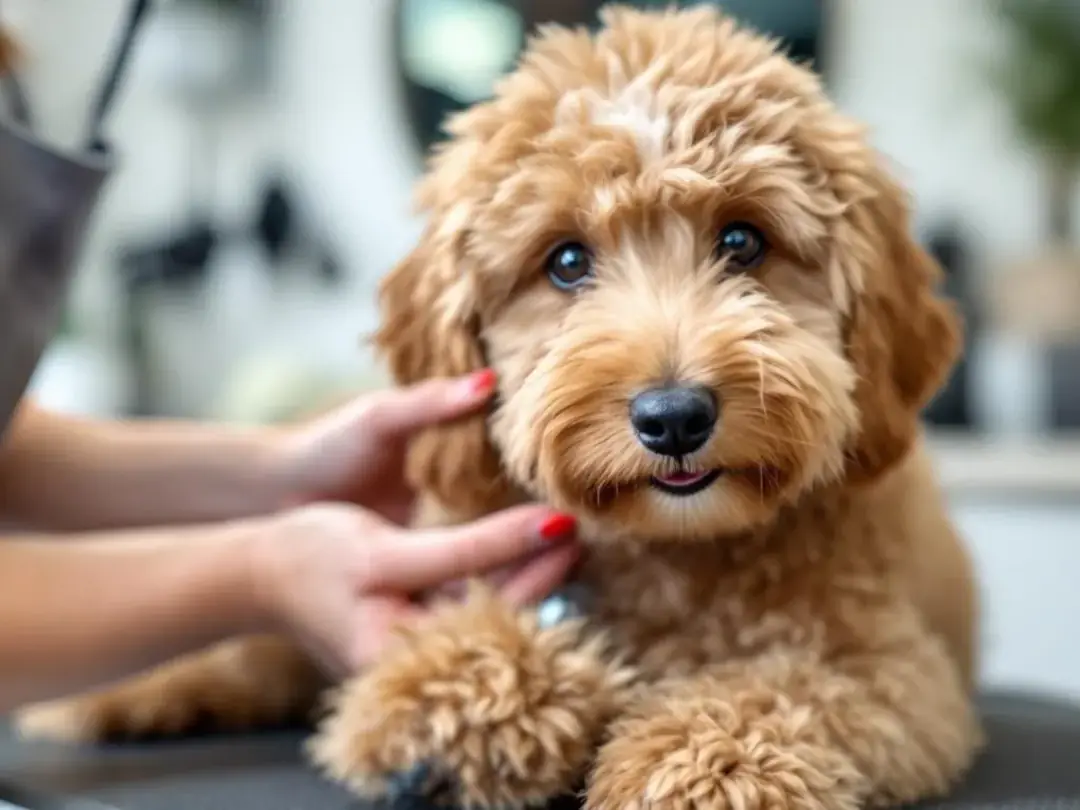
Professional grooming every 6-8 weeks, along with regular brushing at home, helps prevent matting and keeps the coat manageable. Their curly or wavy coats usually need more maintenance than many short-haired breeds.
Daily exercise and mental stimulation are also important. Mini goldendoodles are smart dogs, and without enough activity they may become bored or overly excitable. Walks, play, training sessions, and enrichment games all help.
Training should start early and stay consistent. House training, crate routines, socialization, and basic obedience all matter during the first months. If you want more enrichment ideas for a smart young dog, our mental stimulation for puppies guide is another useful read.
Families should also budget for ongoing care. Food, grooming, veterinary visits, and supplies all add up over time, so it helps to think beyond the initial purchase price.
FAQ
Common Questions About Finding Mini Goldendoodles Near You
These quick answers cover waitlists, allergies, local versus shipped puppies, breeder legitimacy, and grooming costs.
How long is the typical waiting list for mini goldendoodle puppies from reputable breeders?
Many established breeders have waiting lists that range from a few months to longer, depending on demand, litter timing, and how selectively they breed.
Are mini goldendoodles truly hypoallergenic?
No dog is completely hypoallergenic, but many mini goldendoodles-especially those with stronger poodle influence-shed less and may work better for some allergy-sensitive households.
Is it better to buy locally or have a puppy shipped?
Local pickup is often preferred because it allows in-person visits, easier communication, and less travel stress for the puppy.
How do I know a breeder is legitimate?
Look for health testing, transparency, references, willingness to answer questions, and a breeder who allows visits or meaningful proof of how the dogs are raised.
What should I expect to pay for grooming and maintenance?
Professional grooming every 6-8 weeks plus routine food, vet care, and supplies can add up significantly over the year, so ongoing costs should be part of your planning.
Conclusion
Finding mini goldendoodles for sale near you is usually less about finding the closest puppy and more about finding the right breeder, the right health standards, and the right fit for your household. Distance matters, but breeder quality matters more.
Taking time to compare breeders, ask detailed questions, and prepare your home before pickup usually leads to a better experience for both the family and the puppy. The goal is not just to bring home a dog quickly, but to bring home one that has been raised responsibly and fits your life well.
With realistic expectations, careful screening, and good preparation, a mini goldendoodle can become a long-term companion that fits comfortably into your routine and home.


