


Lupus in dogs is an autoimmune disease in which the immune system attacks the dog's own tissues instead of protecting them normally.
If you are trying to compare lupus with other immune or chronic medical conditions, our von Willebrand disease in dogs guide is a useful next read because some serious conditions can overlap in symptoms while having very different causes.
Key Takeaways
- There are different forms of lupus in dogs, including systemic and discoid forms.
- Systemic lupus can affect multiple organs, while discoid lupus mainly affects the skin.
- Common signs include skin lesions, joint pain, fever, lethargy, and in severe cases organ involvement.
- Lupus is not curable, but it can often be managed with long-term treatment.
- Early diagnosis and ongoing veterinary care can make a major difference in quality of life.
What Lupus in Dogs Means
Lupus is an autoimmune condition, which means the immune system starts reacting against the dog's own body. Instead of only targeting outside threats, it attacks normal tissues and creates inflammation and damage.
That is what makes lupus such a broad and sometimes confusing disease.
The problem is not one infected spot. The problem is the immune system choosing the wrong target.
Systemic vs Discoid Lupus
Systemic lupus erythematosus can affect multiple organs and body systems, including joints, kidneys, blood cells, skin, and the nervous system. Discoid lupus erythematosus is usually more limited to the skin, often affecting the nose, face, and other sun-exposed areas.
That difference matters a lot for severity and prognosis.
One form is often a skin disease. The other can become a whole-body disease.
Common Signs and Symptoms
The signs depend on which form of lupus the dog has.
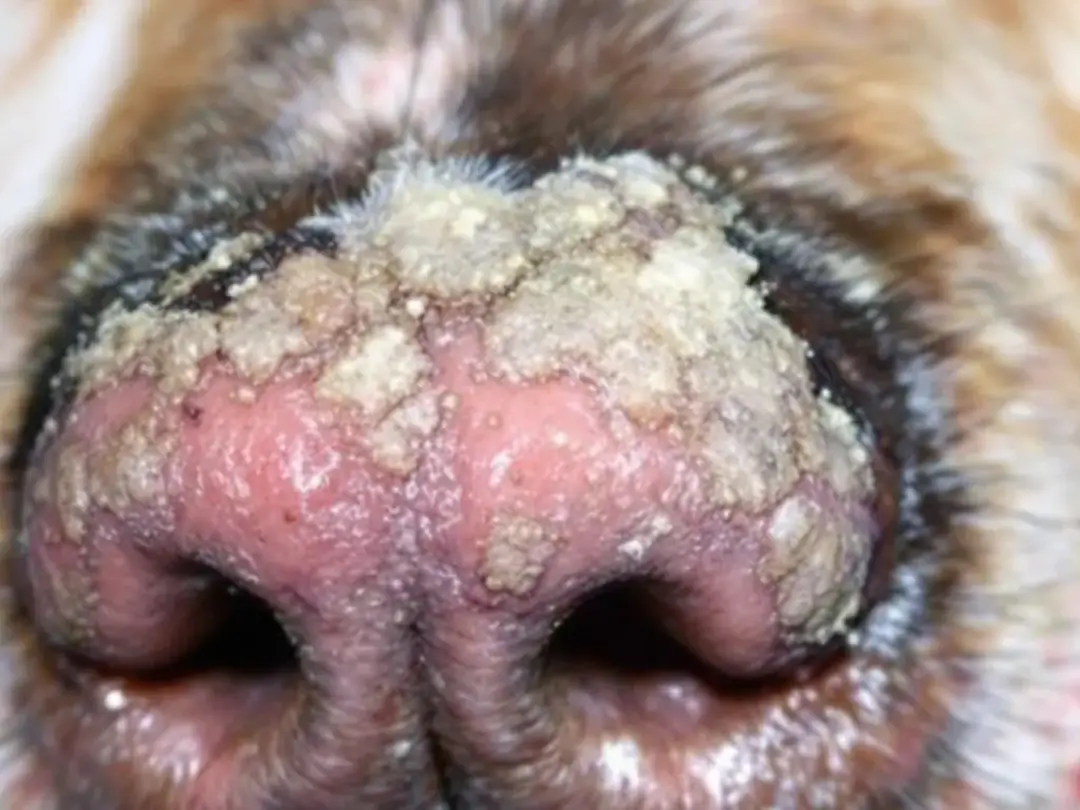
Dogs with discoid lupus often develop depigmentation, crusting, sores, or ulceration around the nose and face. Dogs with systemic lupus may show fever, lethargy, shifting leg lameness, swollen joints, pale gums, skin lesions, kidney problems, or neurological signs in more severe cases.
That range is one reason lupus can be hard to recognize quickly.
It can look like a skin problem, a joint problem, or a much bigger medical problem.
Who Is More at Risk
Some breeds appear more predisposed than others.
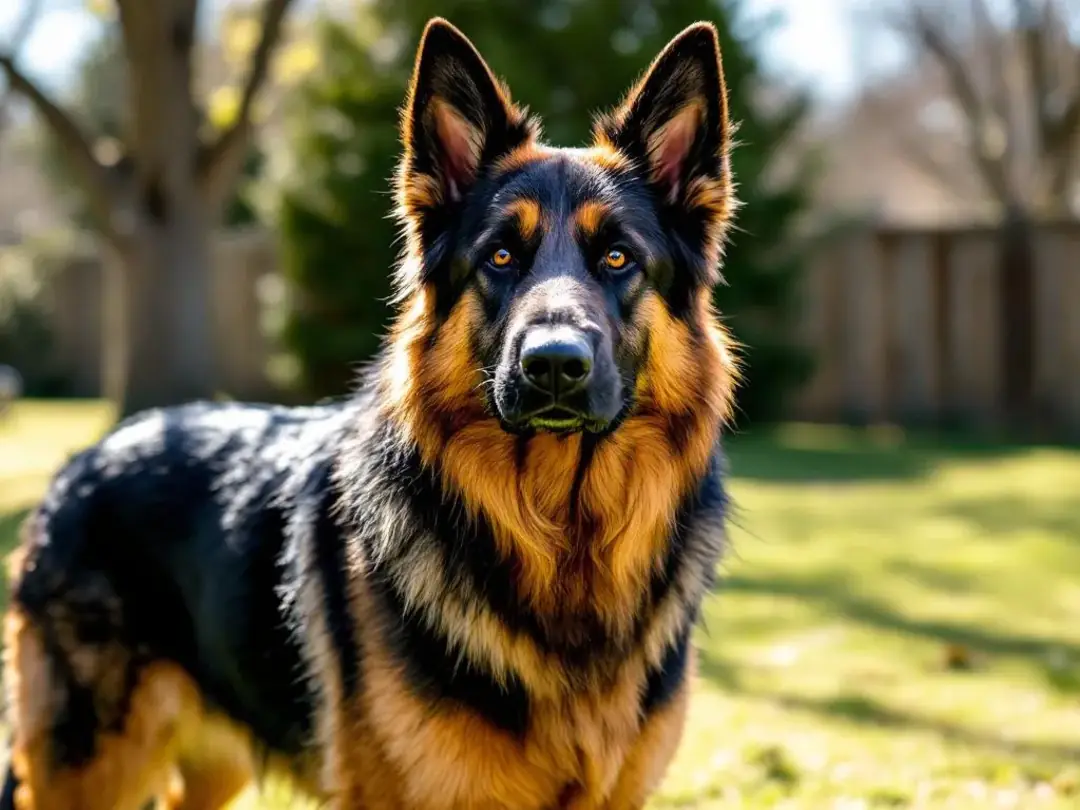
German Shepherds, Beagles, Siberian Huskies, Collies, Shetland Sheepdogs, and some other breeds are often mentioned as having increased risk. Lupus is often diagnosed in middle-aged dogs, though it can occur at other ages too.
That does not mean every dog in those breeds will develop it.
Predisposition raises the odds. It does not guarantee the outcome.
How Lupus Is Diagnosed
Diagnosis often involves bloodwork, urinalysis, ANA testing, skin or tissue biopsy, and ruling out other diseases that can look similar. There is not always one simple test that gives the whole answer, so veterinarians often have to build the diagnosis from several pieces.
That can make the process feel slow, but it is important.
With lupus, diagnosis is often about pattern recognition plus exclusion.

What Treatment Usually Involves
Treatment is usually about control, not cure.
Dogs with lupus are often treated with corticosteroids and other immunosuppressive medications to calm the immune system. Dogs with skin-focused disease may also need topical treatment and strict sun protection. Some cases require long-term medication adjustments and regular monitoring for side effects or flare-ups.
That is why management is often ongoing.
The goal is usually stability, not a one-time fix.

Bottom Line
Lupus in dogs is serious, but it is not always hopeless.
Some dogs with lupus can live well for a long time with the right treatment and monitoring. The most important steps are recognizing the signs, getting a proper diagnosis, and staying consistent with long-term care.
That is what gives the best chance for control and comfort.
With lupus, management is the path to quality of life.
FAQ
Common Questions About Lupus in Dogs
These quick answers cover common questions about symptoms, diagnosis, treatment, and long-term outlook.
What is lupus in dogs?
It is an autoimmune disease where the immune system attacks the dog's own tissues.
What is the difference between systemic and discoid lupus?
Systemic lupus can affect multiple organs, while discoid lupus mainly affects the skin.
Can lupus in dogs be cured?
No, it is usually not curable, but it can often be managed with treatment.
What are common symptoms of lupus in dogs?
Common symptoms include skin lesions, joint pain, fever, lethargy, and in severe cases organ problems.
How is lupus diagnosed in dogs?
It is usually diagnosed with a combination of bloodwork, testing, biopsy, and ruling out other diseases.


