
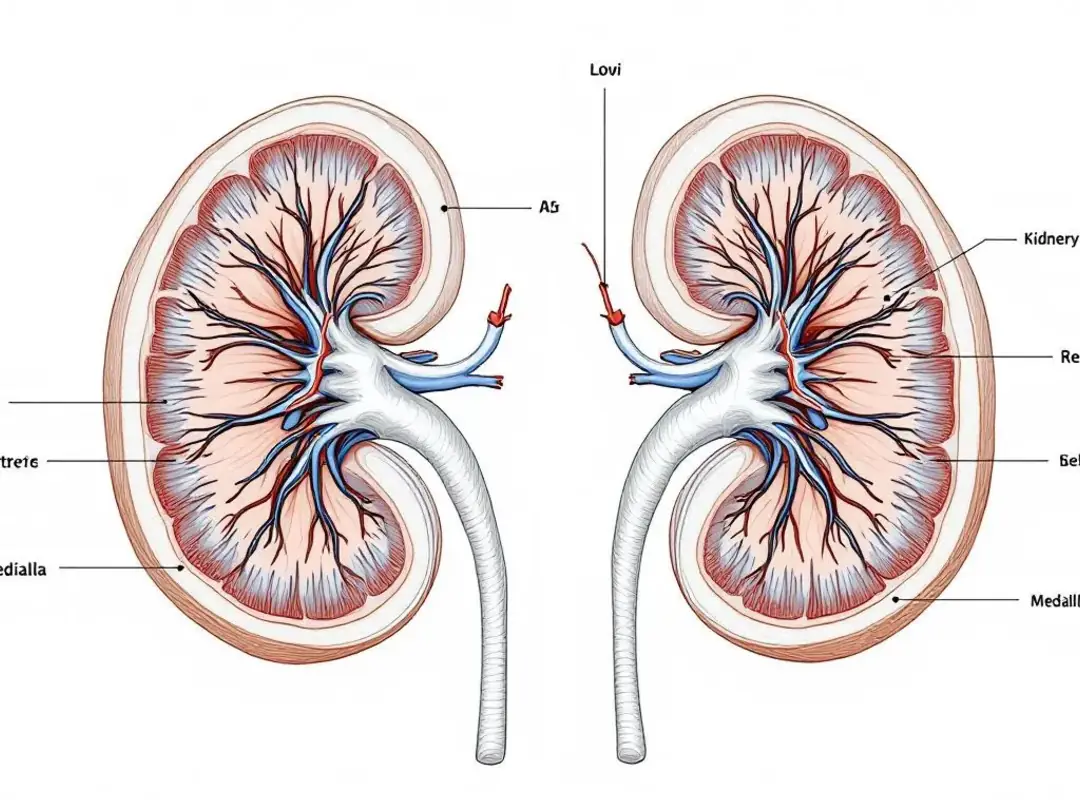

Kidney disease in dogs is a serious condition that affects how well the kidneys filter waste, balance fluids, and support overall body function.
If you are trying to understand whether your dog's symptoms point to a chronic condition or a more sudden medical problem, our why is my dog shaking guide is a useful next read because weakness, nausea, and general distress can overlap with many illnesses.
Key Takeaways
- Kidney disease can be chronic and progressive or acute and sudden.
- Early signs often include increased thirst and urination.
- More advanced signs can include vomiting, poor appetite, weight loss, lethargy, and bad breath.
- Diagnosis usually involves bloodwork, urinalysis, blood pressure checks, and sometimes imaging.
- While chronic kidney disease is not curable, treatment can often improve comfort and extend quality of life.
What Kidney Disease in Dogs Means
The kidneys help filter waste from the blood, regulate fluids and minerals, and support other important body functions. When kidney function declines, waste products build up and the body has a harder time maintaining balance.
That is why kidney disease can affect much more than just urination.
When the kidneys struggle, the whole body feels it.
Chronic vs Acute Kidney Problems
Chronic kidney disease develops gradually over time and is more common in older dogs. Acute kidney injury happens suddenly, often because of toxins, severe dehydration, infection, or another medical crisis. The difference matters because acute cases may sometimes improve more dramatically if treated quickly.
Chronic disease is usually about long-term management. Acute disease is often about emergency response.
The timeline changes the conversation.

Early Signs Owners Often Notice First
The earliest signs are often easy to miss.
Many owners first notice increased thirst and increased urination. A dog may start emptying the water bowl more often, asking to go outside more, or having accidents indoors. Because these changes can happen gradually, they are sometimes mistaken for normal aging.
That is one reason kidney disease can hide in plain sight for a while.
Subtle changes in routine are often the first clue.
Signs That Suggest More Advanced Disease
As kidney disease progresses, dogs may develop poor appetite, vomiting, weight loss, lethargy, bad breath, dehydration, weakness, and general decline. Some dogs also develop high blood pressure, anemia, or mouth ulcers as the disease becomes more advanced.
At that point, the problem is usually affecting more than one system.
When the kidneys fall behind, the body starts showing it in multiple ways.

How It Is Diagnosed
Diagnosis usually takes more than one test.
Veterinarians often use bloodwork, urinalysis, blood pressure measurement, and sometimes ultrasound or X-rays to evaluate kidney function and look for underlying causes. Staging systems such as IRIS help describe how advanced chronic kidney disease is and guide treatment decisions.
That staging matters because treatment goals can change depending on severity.
Good treatment starts with knowing what stage you are actually treating.
What Treatment May Involve
Treatment may include IV fluids for stabilization, prescription kidney diets, anti-nausea medication, appetite support, blood pressure control, phosphorus management, and sometimes home fluid therapy. The exact plan depends on whether the problem is acute or chronic and how sick the dog is at diagnosis.
The goal is usually to reduce the body's toxic burden and support the remaining kidney function.
In many cases, treatment is about management, not cure.

Why Early Detection Matters So Much
Kidney disease is often easier to manage when it is found earlier.
Because dogs can lose a lot of kidney function before obvious symptoms appear, routine bloodwork in older dogs can make a major difference. Earlier diagnosis may allow for diet changes, medication, and monitoring before the dog becomes severely ill.
That can mean more time and better quality of life.
With kidney disease, catching it late is common. Catching it earlier is valuable.

Bottom Line
Kidney disease in dogs is serious, but not always hopeless.
Many dogs with kidney disease can still have meaningful, comfortable time with the right treatment and monitoring. The most important steps are noticing the signs, getting veterinary testing early, and following a realistic long-term care plan.
That is what gives the best chance for stability and comfort.
When the kidneys cannot be cured, the plan becomes protecting what function is left.
FAQ
Common Questions About Kidney Disease in Dogs
These quick answers cover common questions about symptoms, diagnosis, treatment, and outlook.
What are early signs of kidney disease in dogs?
Early signs often include increased thirst and increased urination.
Is kidney disease in dogs curable?
Chronic kidney disease is not curable, but it can often be managed for a period of time.
How is kidney disease diagnosed?
It is usually diagnosed with bloodwork, urinalysis, blood pressure checks, and sometimes imaging.
What do dogs with kidney disease eat?
Many dogs are placed on prescription kidney diets designed to support kidney function and reduce stress on the body.
Can dogs live a while with kidney disease?
Yes. Many dogs can live for months or longer with good management, depending on the stage and cause.


