


Choosing doggy daycare is less about finding the cheapest opening on the calendar and more about finding a setting your dog can actually handle well. The right program should feel safe, predictable, and well managed for both the dog and the family dropping them off.
A good daycare can help some dogs burn energy, practice social skills, and settle more comfortably during the workweek. A poor fit can do the opposite by creating overstimulation, rough play habits, or daily stress. If you are also weighing home-care routines, our guide on how long a puppy can be left alone can help you decide whether daycare is the best solution or just one option in the mix.
This guide focuses on how families can choose a daycare wisely: what to look for, which red flags matter, how trial days usually work, and where pricing fits into the bigger decision.
What Makes a Good Doggy Daycare Fit
The best daycare match depends on your dog’s age, play style, stress level, and ability to recover after stimulation. A social adult dog with good dog-to-dog manners may enjoy regular group play, while a shy puppy, a senior dog, or a dog with poor impulse control may need a much slower start or shorter visits.
A facility can be clean and popular and still not be the right match for your dog. Families should pay attention to how the staff talks about introductions, rest breaks, playgroup matching, and what they do when a dog needs quieter handling rather than “more socialization.” If you are comparing daycare to a more exercise-based routine, our guide on how much exercise a dog needs can help you judge whether your dog truly needs group daycare or just more structured activity at home.
| Dog type | Daycare fit | What families should ask |
|---|---|---|
| Confident social adult | Often a strong fit for regular group play | How are playgroups matched and supervised? |
| Young puppy | Usually needs shorter introductions and more rest | Do puppies get nap breaks and smaller groups? |
| Senior or lower-energy dog | May do better with quiet care than full-group play | What does a lower-stimulation day look like? |
| Anxious or easily overstimulated dog | Needs cautious evaluation, not automatic enrollment | How do staff handle stress, conflict, or overstimulation? |
Your dog’s age, size, and play style
How staff group dogs and interrupt rough play
Whether dogs get structured rest as well as activity
How the facility handles dogs who seem overstimulated or anxious
Questions Families Should Ask Before Enrolling
Before you commit to a package, ask how the staff evaluates new dogs, what a normal first day looks like, and whether they recommend a half day before a full day. Good facilities usually welcome practical questions because they know the right families are trying to make a careful decision.
You should also ask what is included in the posted rate. Some programs include meals, report cards, medication administration, or rest-time management, while others bill those separately.
| Question to ask | Why it matters |
|---|---|
| How are dogs evaluated before joining group play? | This tells you whether the facility is screening for fit instead of simply filling spots. |
| How do staff break up rough or overstimulated play? | A good answer shows the team manages energy proactively rather than waiting for conflict. |
| What is included in the standard rate? | This helps you compare posted pricing with the real total cost. |
| What happens if my dog is not a good fit for open group daycare? | You want a facility with quieter options, shorter visits, or a clear recommendation rather than pressure. |
What is the dog-to-staff ratio during the busiest part of the day?
How are dogs grouped for play?
What vaccines or health records are required?
What happens if my dog is stressed, tired, or not a good fit for group play?
Are there extra pickup, feeding, or medication fees?
What to Watch on a Tour or Trial Day
A tour or trial day often tells you more than the website does. Listen for whether the room sounds chaotic, watch whether staff are actively moving through the group, and notice whether dogs have space to disengage or are pushed to stay “on” the whole time.
You are not looking for a perfectly silent room. You are looking for visible structure, steady supervision, and dogs who appear appropriately managed rather than hyped up without interruption.
Typical Doggy Daycare Pricing Structure
Most doggie day care facilities structure their pricing around two main options: half day and full day care. A half day typically covers up to five hours of supervised play and costs between $15-17 at most facilities. This option works well for pet parents with shorter work schedules or dogs who need gradual introduction to daycare services.
Full day rates range from $18-25 and provide extended care beyond five hours, often up to 10-12 hours depending on the facility's operating schedule. The price difference reflects the additional staffing, meal services-including different types of food such as dry food or wet food-and extended supervision required for longer stays.
Weekday pricing generally remains consistent Monday through Friday, though many doggy day care centers close on weekends or charge premium rates for weekend services. Some facilities offer weekend boarding options that convert regular daycare spaces into overnight accommodation.
Regional variations significantly impact standard pricing. Urban markets like New York City average $51 per day, while smaller cities like Phoenix average $35 per day. Suburban facilities typically fall somewhere between these extremes, balancing lower overhead costs with competitive amenities.
| Pricing structure | Typical range | When it makes sense |
|---|---|---|
| Half day | $15–$17 | Shorter schedules, trial days, or dogs who tire quickly |
| Full day | $18–$25 | Longer workdays and dogs who handle group care well |
| Urban markets | $35–$51+ | Higher-rent areas with more staffing and overhead costs |
| Bulk package rate | Lower per-visit cost | Only when you already know the daycare is a good long-term fit |
The key factors driving standard pricing include:
-
Facility size and indoor/outdoor space ratio
-
Staff-to-dog ratios during peak hours
-
Climate control and specialized play equipment
-
Operating hours and pickup flexibility
-
Insurance and licensing requirements in your area

Discount Packages, Package Purchases, and Savings Options
Package purchases represent the biggest opportunity for cost savings in doggy daycare. Most facilities offer significant discounts for pet parents who commit to multiple visits upfront, creating win-win scenarios where dogs get consistent socialization and families save money. These environments help dogs feel like part of a family, benefiting from companionship and social interactions with other pets and humans, which promotes their overall well-being.
10-Day Packages typically offer $2-4 savings per visit, translating to $20-80 total savings compared to daily rates. These packages work well for occasional users or families testing their dog's adjustment to daycare services.
20-Day Options provide more substantial savings of $5-6 per visit, with total savings reaching up to $210. This level represents the sweet spot for regular users who want meaningful discounts without major upfront investment.
30-Day Bulk Packages deliver maximum savings, often reducing costs to around $18 per visit compared to $25 daily rates. The $210 savings potential makes these packages attractive for daily daycare users, though the non refundable nature requires careful consideration.
Additional savings opportunities include:
-
Multi-dog discounts for families with additional dogs (typically 10-15% off second pet)
-
Membership programs offering priority booking and exclusive rates
-
Referral bonuses for bringing new customers to the facility
-
Seasonal promotions during slower periods
Smart pet parents calculate their expected usage before purchasing packages. If your dog attends three days per week, a 30-day package provides roughly 10 weeks of care with maximum savings.
Additional Service Costs
Beyond basic daycare supervision, most facilities offer supplementary services that enhance your pet's experience but add to the total cost. Understanding these options helps you budget accurately and decide which services provide genuine value for your dog's specific needs.
Initial Assessment Fees are virtually universal, with temperament evaluations ranging from $35-40. This required prior evaluation determines your dog's compatibility with group play and identifies the appropriate playgroup based on size, energy level, age, and dog behavior patterns. While this represents an upfront cost, it's essential for safety and socialization success.
Grooming Services offer convenient add-ons during daycare visits:
-
Nail trims: $20 per session
-
Brushing and de-shedding: $16 per service
-
Ear cleaning: $14 per treatment
-
Full grooming packages: $45-75 depending on dog size
Specialized Care accommodates dogs with unique needs:
-
Medication administration: $3-5 per dose
-
Special handling for anxious or reactive dogs: $35-40 per day
-
Senior dog programs with modified exercise: Additional charge varies
-
Puppy socialization classes: $25-35 per session
Premium Services cater to pet parents wanting extra attention for their pups:
-
Private spa time in quiet areas: $20 per day
-
One-on-one play sessions: $15-25 per session
-
Webcam access for remote monitoring: $5-10 monthly fee
-
Customized exercise programs: $30-50 setup fee
Most facilities require spayed or neutered pets for group play, though some accommodate intact animals with additional supervision and higher fees.

Extra Fees and Surcharges
Hidden costs can quickly inflate your doggy daycare budget, making it essential to understand all potential charges before enrolling your pet. Reputable facilities provide transparent fee schedules, but always ask for complete pricing details during your initial visit.
Late Pickup Penalties start immediately after closing time, typically charging $1 per minute for every minute past the facility's posted hours. Some locations implement boarding conversion policies where dogs not collected within 15 minutes are transferred to board overnight, incurring standard boarding fees.
Pet Condition Surcharges apply to specific situations:
-
Unneutered dogs over 50 pounds: $12 per day additional fee
-
Female dogs in heat: $12 per day for specialized accommodation
-
Unvaccinated or overdue vaccination pets: Refused service until current
Behavioral Surcharges address dogs requiring extra attention:
-
Reactive dog supervision: $10-15 per day
-
Separation anxiety management: Additional charge for individual attention
-
Aggressive behavior incidents: Potential suspension or termination fees
Holiday and Peak Time Pricing affects busy periods:
-
Holiday weeks: $10 per day surcharge common
-
Summer peak season: 15-20% rate increases possible
-
Weather-related indoor-only days: Some facilities charge premium rates
Administrative Fees cover paperwork and processing:
-
Registration and setup: $25-50 one-time fee
-
Vaccination record processing: $10-15 annually
-
Account maintenance for inactive customers: $5-10 monthly
Understanding these potential charges helps you budget accurately and avoid unpleasant surprises. Always request a complete fee schedule and ask about peak pricing periods that might affect your planned usage.
Factors That Affect Pricing
Multiple variables influence doggy daycare pricing in your area, creating significant variation even among facilities within the same city. Understanding these factors helps you evaluate whether higher prices deliver proportional value for your pet's care. Those are the details that help families compare programs more intelligently instead of shopping by headline price alone.
Geographic Location represents the primary pricing driver. Urban facilities face higher rent, wages, and insurance costs that directly impact daily rates. Metropolitan areas consistently charge 20-40% more than suburban or rural alternatives. Competition density also affects pricing-areas with many facilities often see more competitive rates and package deals.
Facility Amenities justify premium pricing through enhanced experiences:
-
Swimming pools and water play areas
-
Climate-controlled indoor and outdoor spaces, including specialized indoor play rooms for safe and comfortable play
-
Specialized play equipment and agility courses
-
Webcam monitoring systems for pet parents to watch their dogs during the day
-
Separate areas for large dogs, small breeds, and puppies
Staffing Levels directly correlate with pricing and safety. Facilities maintaining 1:10 or better staff-to-dog ratios typically charge more but provide superior supervision and individualized attention. Higher staff qualifications, including animal behavior training and pet first aid certification, also command premium rates.
Operating Hours affect both convenience and cost. Extended hours accommodating early drop off and late pickup require additional staffing expenses reflected in pricing. Weekend availability, holiday hours, and emergency pickup services add operational complexity that influences rates.
Specialized Programs differentiate facilities and justify higher pricing:
-
Puppy socialization classes for young dogs
-
Senior dog programs with modified activities
-
Training integration during daycare hours
-
Behavioral modification support for reactive pets
-
Home improves socialization programs for shy dogs
Insurance and Licensing requirements vary by location but universally impact operating costs. Facilities with comprehensive liability coverage and specialized pet care insurance typically charge more but offer greater protection for both pets and owners.
The key is matching facility features with your dog's specific needs. A high-energy young dog might benefit from premium play equipment, while an older pet might prefer a quieter facility with specialized senior programs.
What to Expect
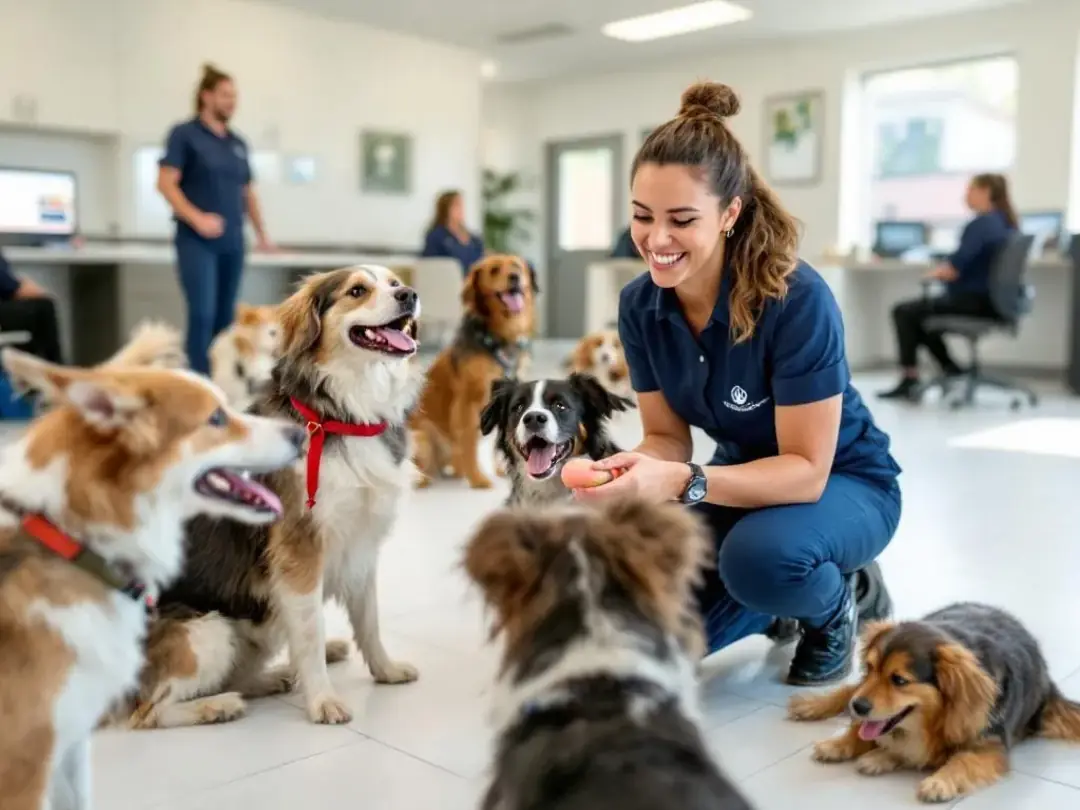
When you drop off your dog at a dog daycare, you can expect a warm welcome and a well-organized process designed to keep your pet safe and happy. Upon arrival, staff will typically conduct a brief interview to learn about your dog's health, behavior, and any special requirements. Your dog will then be gradually introduced to other dogs in the facility, with staff closely monitoring interactions to ensure everyone gets along. Throughout the day, your dog will enjoy a balanced schedule of playtime, meals, and rest, all tailored to support their physical and mental well-being. Whether your dog is romping with new friends, taking a nap in a quiet area, or participating in a training session, you can trust that their health and happiness are top priorities at a quality dog daycare.
Doggy Day Care Benefits
Enrolling your dog in doggy daycare comes with a host of benefits for both you and your pet. Regular attendance helps dogs develop strong social skills by interacting with other dogs and caring staff, which can lead to improved behavior and greater confidence in new situations. The structured environment provides plenty of exercise and mental stimulation, helping your dog maintain a healthy weight and reducing the risk of boredom-related destructive behavior. For pet parents, doggy daycare offers relief from the worry of leaving your dog home alone, especially if your pup struggles with separation anxiety. Knowing your dog is spending the day in a safe, fun, and nurturing environment allows you to focus on your own schedule, confident that your best friend is receiving the care, attention, and socialization they need to thrive.
How to Find the Best Value
Identifying the best doggy daycare value requires looking beyond advertised daily rates to evaluate total costs, included services, and facility quality. Smart comparison shopping helps you find the right balance between cost and care quality for your specific situation.
Calculate True Per-Visit Costs by factoring in all fees:
-
Compare package rates versus daily pricing for your expected usage
-
Add initial assessment fees to first-month calculations
-
Factor in potential surcharges for your dog's specific needs
-
Consider transportation costs if choosing distant facilities
Evaluate Included Services to understand baseline value:
-
Supervised group play and exercise sessions
-
Basic feeding if meals span daycare hours
-
Indoor and outdoor access throughout the day
-
Incident reporting and daily care summaries
-
Emergency contact protocols and basic first aid
Assess Facility Quality through direct observation:
-
Tour during operational hours to see actual conditions
-
Observe staff interactions with current dogs
-
Check cleanliness standards and safety protocols
-
Verify vaccination requirements and health screening procedures
-
Review facility certifications and insurance coverage
Read Reviews and References for real-world insights:
-
Focus on recurring themes in online reviews
-
Ask for references from current customers with similar dogs
-
Check Better Business Bureau ratings and complaint history
-
Verify staff training credentials and facility licensing
-
Research any safety incidents or regulatory issues
Test with Short-Term Commitment before major package purchases:
-
Start with daily rates or small packages to assess fit
-
Monitor your dog's happiness and health during trial period
-
Evaluate pickup condition, energy levels, and behavioral changes
-
Assess staff communication and incident reporting quality
Negotiate Based on Usage patterns and needs:
-
Discuss custom packages for unusual schedules
-
Ask about off-peak pricing for flexible schedules
-
Inquire about loyalty programs for long-term customers
-
Consider group discounts if coordinating with friends or neighbors
The best value combines reasonable pricing with excellent care, creating an environment where your dog thrives while giving you peace of mind during work hours or travel.
FAQ
Common Questions About How to Choose Doggy Daycare
These quick answers cover common questions families ask when comparing daycare programs, pricing structures, and first-day expectations.
What does How to Choose Doggy Daycare: What Families Should Know Before usually look like in everyday life?
How to Choose Doggy Daycare: What Families Should Know Before is easiest to handle when families focus on the dog's routine, environment, and the specific question the page covers rather than treating every case the same.
Which changes matter most with How to Choose Doggy Daycare: What Families Should Know Before?
It tends to matter more when it starts affecting daily comfort, routine, training, or decision-making for the family.
Which concerns come up most often with How to Choose Doggy Daycare: What Families Should Know Before?
Most owners want to know what is normal, what changes are worth watching, and what practical next step makes the most sense at home.
When is outside help worth getting for How to Choose Doggy Daycare: What Families Should Know Before?
If symptoms escalate, routines stop working, or you are unsure how to respond, it makes sense to check with your veterinarian or the professional guiding your dog.
How can families prepare better for How to Choose Doggy Daycare: What Families Should Know Before?
A little planning usually helps most, especially when families think ahead about routine, safety, scheduling, and what support they may need.


