
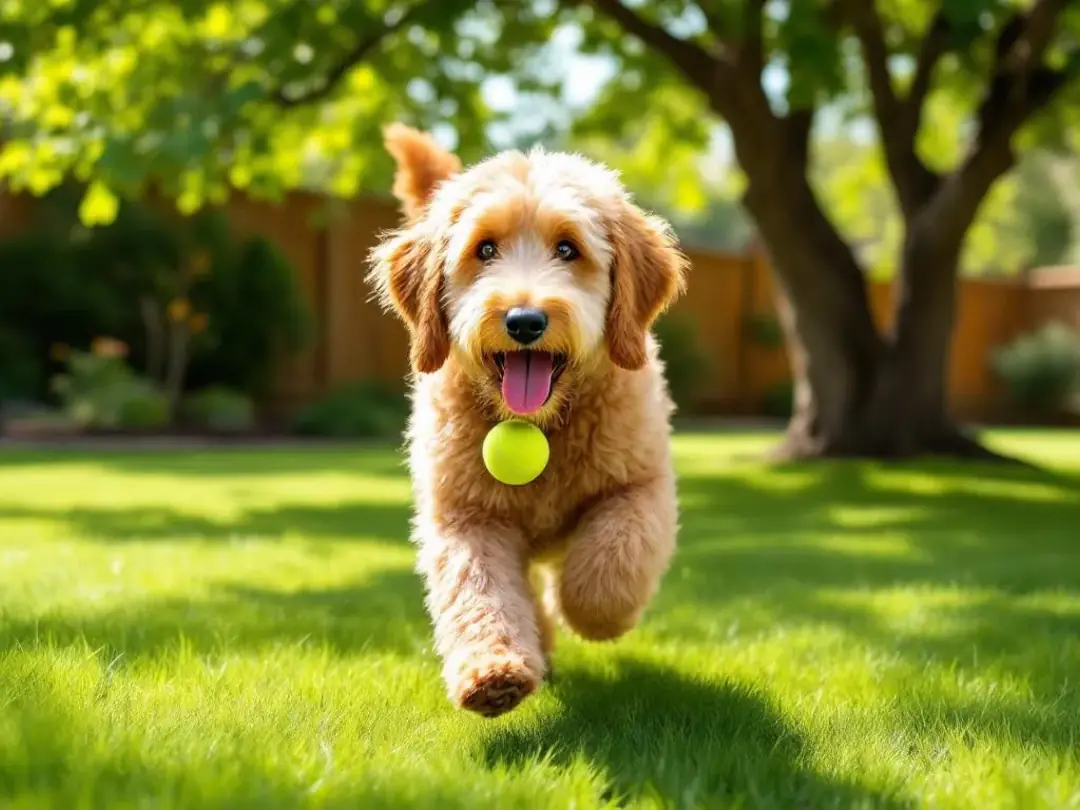

Goldendoodle coat type shapes more than appearance. It affects shedding, grooming time, texture, and how predictable the dog may be for day-to-day family life. While many people imagine every Goldendoodle having the same fluffy doodle look, the reality is that coats can range from straighter and retriever-like to loose waves to tighter poodle-style curls.
If you are already comparing a straighter look to a fuller doodle coat, our flat coat Goldendoodle guide helps explain why some puppies look much more Golden Retriever-like than others. Understanding coat type early makes it easier to set realistic expectations before you choose a puppy.
Key Takeaways
- Straight coats usually look the most retriever-like and are often the least predictable for low shedding.
- Wavy coats are the classic middle-ground doodle look and often balance softness, fluff, and moderate grooming needs.
- Curly coats tend to look the most poodle-like and usually need the most consistent brushing and coat maintenance.
- Puppy coats can change as adult coat comes in, so very young puppies do not always show the final texture clearly.
- The best coat type is not just about appearance. It is also about your tolerance for grooming, shedding, and upkeep.
What Goldendoodle Coat Types Really Mean
Most Goldendoodle coat discussions come down to three practical categories: straight, wavy, and curly. Those categories are useful because they describe how the coat tends to look and behave in real life, even though no two dogs are perfectly identical.
Straight coats usually sit flatter against the body and look closer to a Golden Retriever. Wavy coats have a looser, tousled pattern that many families picture when they think of a Goldendoodle. Curly coats are denser and more poodle-like, with tighter texture and more grooming structure.
These coat patterns are tied to genetics, but they also show up differently depending on generation, breeder selection, and how the adult coat develops over time. That is why owners should think in terms of tendencies rather than guarantees.
Straight, Wavy, and Curly at a Glance
The visual difference matters, but the day-to-day care difference matters even more.
Straight coats usually feel smoother and lie closer to the body. These dogs can be very appealing to families who prefer a softer, less fluffy look, but straight coats are also the ones most likely to lean away from the classic doodle appearance.
Wavy coats are often the most popular because they offer the shaggy teddy-bear look many people want without the very tight curl pattern of a more poodle-like coat.
Curly coats are often the most textured and can be the lowest shedding in practical day-to-day life, but they usually ask the most from the owner in brushing, combing, drying, and regular grooming appointments.
Straight Coat Goldendoodles
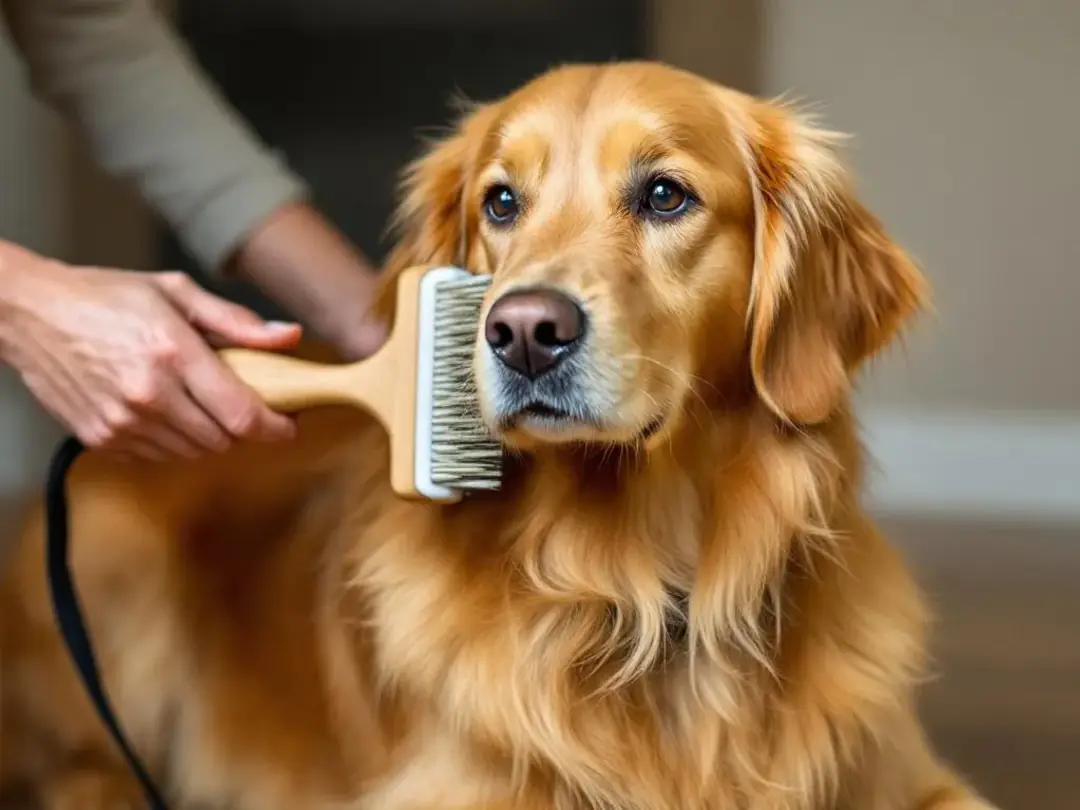
A straight coat Goldendoodle often looks the most like the Golden Retriever side of the mix. The coat usually has less obvious wave or curl, and it may hang more naturally along the body.
For some families, that look is a plus. It can feel more familiar, less fluffy, and easier to picture as the dog matures. For others, it may not match the doodle look they expected.
Straighter coats can still be beautiful and soft, but owners should usually expect less predictability around low shedding. They may also need less intense detangling than very curly coats, though regular brushing still matters.
Wavy Coat Goldendoodles
Wavy coats are often the sweet spot for families who want a recognizably doodle look without the tightest curl pattern. The coat usually has a loose, tousled shape and a fuller appearance than a straight coat.
In everyday ownership, wavy coats often land in the middle on grooming demands. They can still mat, especially behind the ears, under the collar, and during coat transition, but many owners find them slightly easier to manage than a denser curly coat.
This is one reason wavy coats are so common in family-pet conversations. They often combine the softer doodle aesthetic with a manageable grooming routine, provided the owner stays consistent.
Curly Coat Goldendoodles
Curly coats usually show the strongest poodle influence in appearance. They tend to hold more shape, look fuller, and often give the most traditionally doodle-like look.
These coats can be appealing for owners who want the fluffier, curlier style many people associate with allergy-friendly doodles. They also often require the most commitment to brushing and line-combing because tight texture can trap loose hair and form hidden mats if maintenance slips.
For families who are comfortable with regular coat work and grooming appointments, curly coats can be a great fit. For families hoping for a very low-maintenance routine, they may feel like more upkeep than expected.
Coat Type Comparison Table
| Coat Type | Typical Look | Shedding Trend | Grooming Demand | Best Fit For |
|---|---|---|---|---|
| Straight | Retriever-like, smoother, less fluffy | Often the most variable and more likely to shed | Usually lighter than curly coats, but still needs regular brushing | Families prioritizing a softer, simpler look |
| Wavy | Shaggy, loose, classic doodle appearance | Often moderate to low depending on genetics | Moderate and consistent | Families wanting a balanced doodle coat |
| Curly | Dense, poodle-like, fuller texture | Often the lowest shedding in practice | Highest; regular brushing and professional grooming matter | Owners comfortable with more coat upkeep |
How Puppy Coats Change Over Time
Many coat questions are hardest to answer when a puppy is still very young.
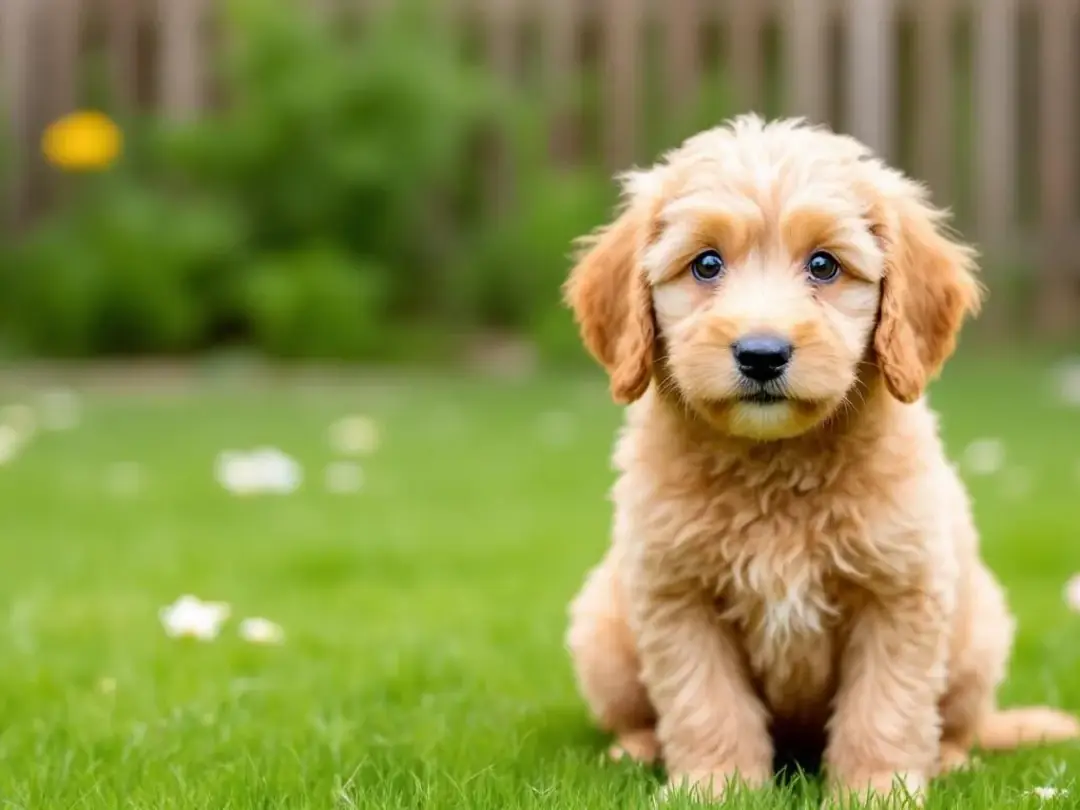
Goldendoodle puppies often start with a softer, lighter puppy coat that changes as the adult coat comes in. That transition can shift the texture more than owners expect. A coat that looks only slightly wavy at first may become fuller and denser later, while a softer puppy coat can also reveal straighter adult traits as the dog matures.
This is one reason breeder experience matters. Someone who knows the parent coats and has seen previous litters mature will usually give better context than a single puppy photo can provide.
Owners should also remember that coat transition can make grooming feel harder for a period of time because loose puppy coat and incoming adult coat can tangle together more easily.
How Coat Type Affects Shedding and Grooming
Coat type does not only change the look of the dog. It changes what the owner experiences at home. Straighter coats may be easier to brush through in some cases, but they can also be less predictable for families trying to reduce visible shedding. Curlier coats often hold onto loose hair better, but that same trait can turn into hidden matting when grooming falls behind.
That is why coat discussions should always include the maintenance side. If you are comparing the real-world work involved, our Goldendoodle coat care guide goes deeper into brushing, mat prevention, grooming tools, and how to build a coat routine that matches your dog.
For many families, the best coat is the one they can realistically maintain. A beautiful curly coat is only a good fit if the owner is ready for the extra brushing and grooming that usually comes with it.
Choosing the Best Coat Type for Your Home
The best coat type depends on what matters most to you. If you care most about a more classic doodle look, wavy and curly coats usually stay closest to that expectation. If you care more about lighter upkeep and a softer retriever-style appearance, a straighter coat may still be a great fit.
It also helps to be honest about your grooming habits. Some owners genuinely enjoy brushing sessions, coat maintenance, and regular groomer visits. Others want something simpler and more forgiving. There is no wrong answer as long as expectations are realistic.
Instead of asking which coat type is objectively best, it is usually smarter to ask which one best matches your home, schedule, and tolerance for shedding and upkeep.
Final Thoughts on Goldendoodle Coat Types
Goldendoodle coat type matters because it shapes the ownership experience, not just the dog’s appearance. Straight, wavy, and curly coats can all be beautiful, but they each bring different expectations for grooming, shedding, and daily maintenance.
Owners who understand those tradeoffs early usually make more confident choices and feel less surprised once the puppy settles into adult coat and routine care. The goal is not to chase one perfect look. It is to choose the coat type that fits your real life best.
What This Looks Like in Real Homes
Goldendoodle Coat Types Explained is easier to judge when owners look at daily life rather than broad breed stereotypes. Labels can be useful for setting expectations, but a real dog is shaped just as much by age, routine, training, health, and the home environment. That is why two dogs with the same breed label can feel very different to live with.
In practice, owners usually get the clearest answer by looking at schedule, energy level, size, and grooming consistency. Those details influence how manageable the dog feels, how much upkeep the dog needs, and whether the lifestyle is actually a good fit. A breed article becomes more useful when it helps owners match traits to real routines instead of just repeating general claims.
It also helps to think in stages. A dog may seem easy in one season of life and more demanding in another. Rechecking expectations as the dog matures keeps the plan realistic and reduces frustration for both the dog and the household.
The Details That Matter More Than Labels
With goldendoodle coat types explained, owners usually get the clearest picture by separating fixed traits from manageable habits. Schedule, grooming consistency, and noise sensitivity may be part of the dog’s natural profile, but training, exercise quality, and home rhythm still shape how easy that dog is to live with. The best breed-fit decisions come from that combined view.
It also helps to think past the first impression. A dog that looks manageable on a weekend can feel very different when the workweek returns, grooming gets delayed, or the weather changes the usual exercise plan. Looking at the full month instead of one good day gives owners a more reliable answer.
When expectations are realistic, owners can solve the right problem first. That might mean improving grooming consistency, adjusting barking triggers, shortening sessions, or simply accepting that some phases require more hands-on management than others.
How to Make the Advice Fit Your Household
Breed decisions and breed management work best when the plan fits the owner’s actual week. Exercise windows, grooming time, apartment noise, children, travel, and work schedules all affect whether the dog feels easy or hard to live with. Those real-life constraints matter more than idealized breed descriptions.
When owners design around their real schedule, they are more likely to follow through consistently. That consistency usually matters more than chasing a perfect routine that only works on exceptional days.
A Realistic Plan Owners Can Follow
A useful plan for goldendoodle coat types explained should be specific enough to follow on an ordinary day and flexible enough to survive a busy week. Owners usually make better progress when they choose a handful of repeatable actions rather than trying to fix everything at once.
- Decide what daily time you can really give to exercise, grooming, and training
- Base expectations on age and personality, not only breed reputation
- Solve the biggest friction point first, whether that is barking, coat care, or routine
- Use predictable habits so the dog knows what happens around meals, walks, and rest
- Recheck the plan every few months because young and mature dogs need different support
The plan around goldendoodle coat types explained is probably realistic if the dog’s needs can be met on ordinary weekdays, not just on weekends or ideal weather days. Owners should be able to picture what grooming, exercise, training, and downtime look like when life is busy as well as when it is calm.
That kind of structure also makes progress easier to notice. Instead of asking whether everything is fixed, owners can ask whether recovery is faster, the dog needs less help, or the routine feels easier to repeat than it did two weeks ago. Small improvements are often the clearest sign that the plan is moving in the right direction.
Common Mistakes That Slow Progress
Breed-fit articles become less useful when owners ask whether a breed is good or bad in the abstract instead of whether the dog and the household are well matched. Most frustration comes from a mismatch between expectations and daily routine, not from one dramatic breed flaw.
It is also easy to focus on the appealing trait and underestimate the maintenance around it. Coat care, barking management, adolescent behavior, and ordinary weekday logistics often matter more to long-term satisfaction than the first impression a dog makes.
How to Review the Plan After the First Adjustment
Owners can review goldendoodle coat types explained by asking whether the dog’s real daily pattern matches what the household can comfortably support. If the dog’s needs are being met without constant catch-up, the fit is probably workable even if some traits still need management.
If the routine keeps slipping, the answer is usually to tighten one habit at a time instead of trying to redesign dog ownership overnight. Small stable habits are what make breed traits feel manageable in the long run.
How to Judge Progress
If the dog’s behavior, coat, or stress level keeps causing friction, stepping back to adjust the daily routine is usually more effective than blaming the breed label. A trainer, groomer, or veterinarian can often identify one change that removes a lot of daily pressure.
FAQ
Common Questions About Goldendoodle Coat Types
These quick answers cover the most common questions owners ask when comparing straight, wavy, and curly Goldendoodle coats.
Which Goldendoodle coat type sheds the least?
Curly coats are often the lowest shedding in practical day-to-day life, though no coat outcome is perfectly guaranteed and grooming still matters.
Are wavy coats easier than curly coats?
Many owners find wavy coats a little easier to manage because they often tangle less aggressively than tighter curls while still keeping a fuller doodle look.
Can a puppy’s coat type change as they grow?
Yes. Many Goldendoodles go through coat transition as the adult coat comes in, so texture and grooming needs can become clearer over time.
Is a straight coat Goldendoodle still a real Goldendoodle?
Yes. Straight-coated Goldendoodles are still Goldendoodles. They simply show a coat outcome that leans more toward the retriever side of the mix.
Which coat type is best for allergy-sensitive families?
Many allergy-sensitive families prefer wavy or curly coats because they are often lower shedding than straighter coats, but individual reactions still vary from dog to dog.
What coat type is easiest to maintain?
That depends on what you mean by easy. Straighter coats may require less detangling, while wavy coats often balance look and upkeep well. Curly coats usually require the most consistent grooming effort.


