

If your dog is having accidents, straining to pee, or showing discomfort, you may also find our guides on dog not eating, why is my dog shaking, and dog swollen lymph nodes helpful as well.
When your dog starts having accidents indoors or shows signs of discomfort while urinating, a dog urinary tract infection may be the culprit. These bacterial infections affect the urinary system and can cause significant discomfort for your pet if left untreated.
Understanding the signs, causes, and treatment options for urinary tract infections in dogs is essential for every pet owner. With prompt recognition and appropriate veterinary care, most dogs make a full recovery and can return to their normal, comfortable routine.
What is a Dog Urinary Tract Infection?
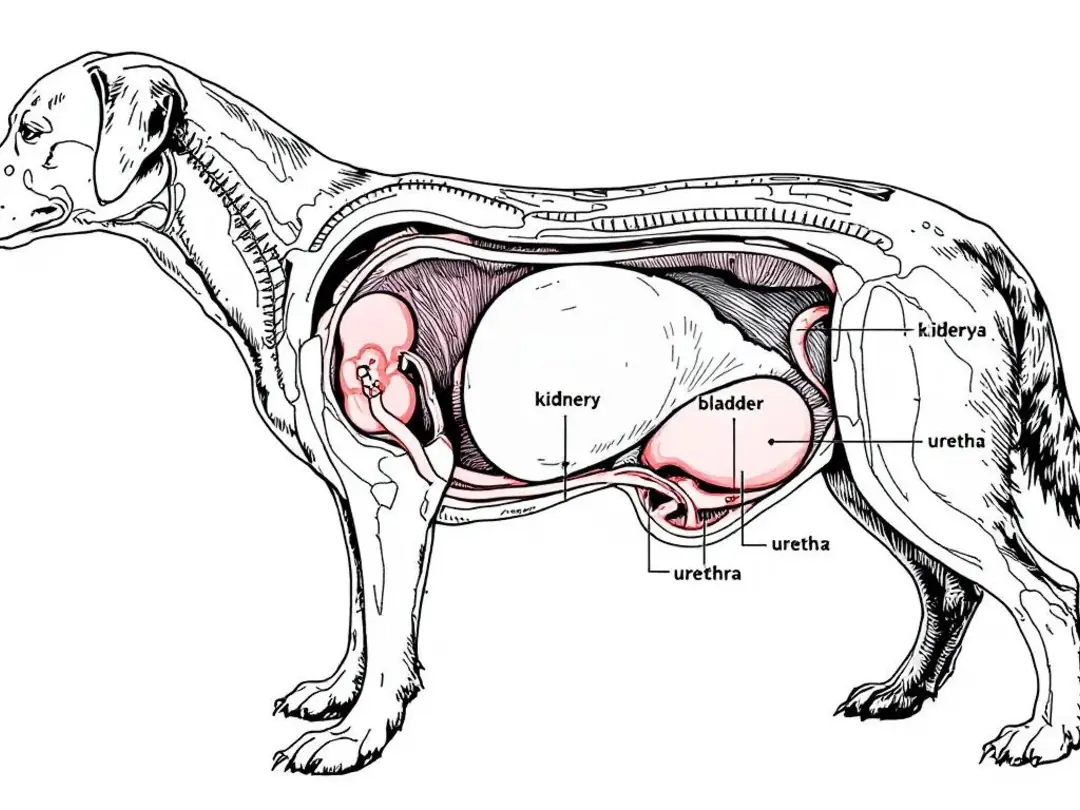
A dog urinary tract infection is a bacterial infection that affects any part of the urinary system, including the bladder, urethra, and kidneys. Most commonly, these infections develop in the bladder, where bacteria multiply in what should normally be sterile urine.
Statistics from veterinary medicine show that urinary tract infections affect approximately 14% of dogs in veterinary practice, making them one of the more frequent health concerns seen by veterinarians. Dogs urinary tract infections occur when bacteria from the skin, rectum, or hair around the urethral opening enter the urinary tract and begin to multiply.
The infection process typically begins when the body's natural defense mechanisms become compromised. In healthy dogs, frequent urination helps flush out bacteria, while the immune system works to prevent bacterial growth in the urinary tract. However, when these defenses fail, bacteria can establish themselves and cause infection.
There's an important distinction between simple UTIs and complicated or recurrent infections. Simple urinary tract infections respond well to standard antibiotic treatment, while complicated cases involve underlying conditions or anatomical abnormalities that predispose dogs to repeated episodes. Recurrent UTIs are defined as more than three UTIs within a year or multiple infections within six months.
Common Symptoms of UTI in Dogs
Recognizing UTI symptoms early allows for prompt treatment and prevents complications. The most common symptoms include frequent urination, straining to urinate, and painful urination. Dogs with a urinary tract infection often display a characteristic posture when attempting to urinate but produce only small amounts of urine.
Primary Symptoms
The most noticeable signs that dog owners observe include:
-
Frequent urination - Your dog may ask to go outside more often than usual or urinate multiple times during a single walk
-
Straining to urinate - Dogs may spend extended time in the urination position with little to no urine production
-
Painful urination - Whimpering, crying, or showing visible discomfort during urination attempts
Visible Signs
Physical changes in the dog's urine and behavior provide additional clues:
-
Bloody or cloudy urine - The presence of red blood cells often gives urine a pink, red, or cloudy appearance
-
Foul-smelling urine - Bacterial infection typically produces a strong, unpleasant odor
-
Urinary accidents indoors - House-trained dogs may have accidents due to urgency or inability to control urination
Behavioral Changes
Dogs with urinary tract infections often exhibit specific behaviors:
-
Excessive licking of the genital area - This can result in stained fur from constant attention to the urinary opening
-
Posturing multiple times - Dogs may assume the urination position repeatedly without producing urine
-
Restlessness or agitation - Discomfort may cause dogs to pace or appear unable to settle
Advanced Symptoms
If a urinary tract infection progresses untreated, more serious clinical signs may develop:
-
Lethargy and decreased appetite - Systemic illness can occur if bacteria spread beyond the bladder
-
Fever - A sign that the infection may have progressed to a kidney infection
-
Vomiting - Can indicate that the UTI has advanced to affect other body systems
Emergency Warning Signs
Certain symptoms require immediate veterinary attention and suggest potential complications:
-
Complete inability to urinate despite straining
-
Severe pain that prevents normal movement
-
Signs of kidney infection including fever, weakness, and loss of appetite
-
Blood clots or tissue in the urine
Causes and Risk Factors
Understanding what causes urinary tract infections helps dog owners recognize when their pets may be at higher risk. The majority of UTIs in dogs result from bacterial infection, with specific organisms and risk factors playing crucial roles in infection development.
Primary Bacterial Causes
Bacterial growth in the urinary tract stems from several common organisms:
-
E. coli - The most frequent cause, responsible for 50-70% of all canine UTI cases
-
Staphylococcus species - Common bacteria that normally live on the skin but can migrate to the urinary tract
-
Streptococcus species - Another frequent bacterial cause of bladder infections
-
Other common bacteria - Including Enterococcus and Proteus species
These bacteria typically originate from the dog's own normal flora around the genital area and ascend through the urethra to establish infection in the bladder.
Gender Predisposition
Female dogs face significantly higher risk for urinary tract infections due to anatomical differences. The shorter, wider urethra in female dogs provides easier access for bacteria to reach the bladder compared to male dogs. This anatomical predisposition makes female dogs 2-3 times more likely to develop UTIs than their male counterparts.
Male dogs, while less susceptible to simple bladder infections, may face complications from prostate disease that can predispose them to urinary tract infections.
Age Factors
Middle-aged to senior dogs (7+ years) demonstrate increased susceptibility to urinary tract infections. As dogs age, their immune systems may become less effective at preventing bacterial growth, and they're more likely to develop underlying conditions that increase UTI risk.
Underlying Conditions
Several health conditions significantly increase the risk of developing urinary tract infections:
-
Diabetes mellitus - High glucose levels in urine create an environment that promotes bacterial growth
-
Chronic kidney disease - Compromised kidney function affects the body's ability to concentrate urine and fight infection
-
Bladder stones - Create surfaces where bacteria can adhere and multiply
-
Weakened immune system - From illness, medication, or age-related changes
Anatomical Issues
Structural abnormalities can predispose dogs to recurrent infections:
-
Ectopic ureters - Congenital abnormalities where ureters don't connect properly to the bladder
-
Hooded vulvas - Excess skin folds around the vulva can trap bacteria and moisture
-
Excessive skin folds around the genital area in overweight dogs
Breed-Specific Risks
Certain breeds show higher predisposition to conditions that complicate UTI treatment:
-
High-risk breeds - Shih Tzu, Bichon Frise, and Yorkshire Terrier are prone to anatomical issues
-
Breeds predisposed to bladder stones - Including Dalmatians, English Bulldogs, and some terrier breeds
-
Overweight dogs of any breed face increased risk due to difficulty maintaining proper hygiene
Dogs with compromised immune systems, whether from medication, underlying disease, or genetic factors, require particular attention for UTI prevention and monitoring.

Veterinary Diagnosis of Dog UTI
Accurate diagnosis of a dog's UTI requires professional veterinary evaluation and specific diagnostic tests. While symptoms may suggest a urinary tract infection, confirmation through proper testing ensures appropriate treatment and rules out other conditions with similar presentations.
Physical Examination
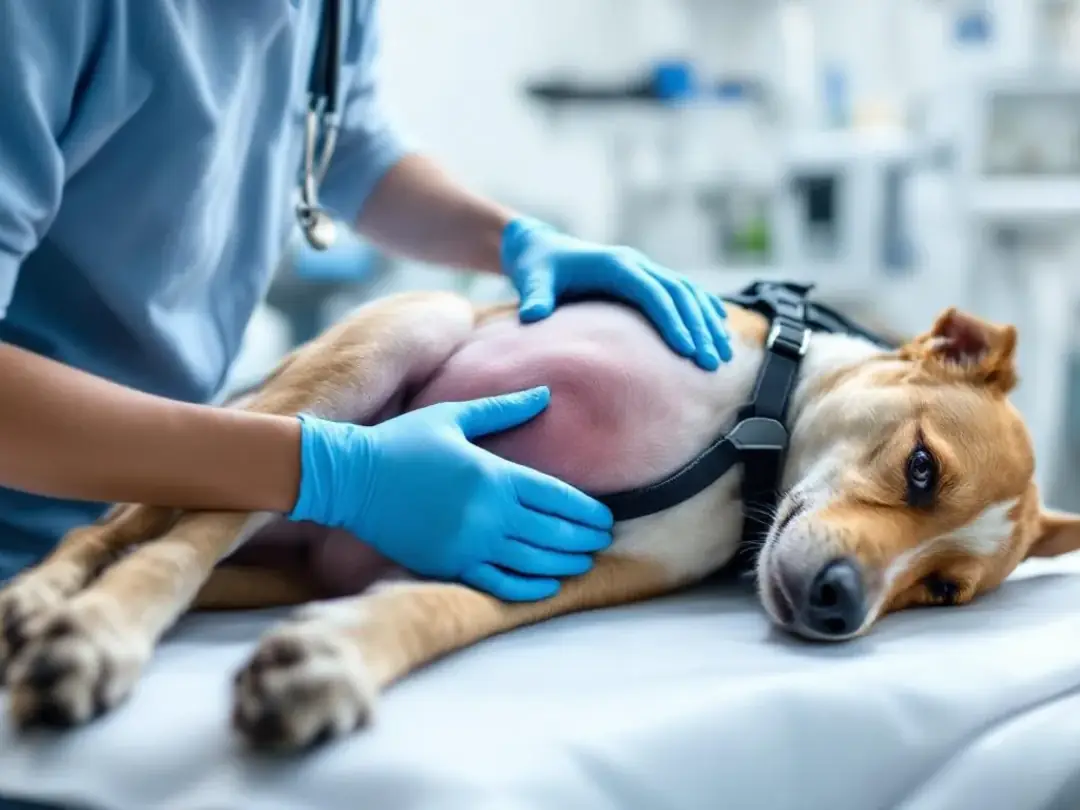
The diagnostic process begins with a thorough physical examination focusing on the urinary tract and related systems. Your veterinarian will palpate the abdomen to assess bladder size and check for pain or abnormalities. They'll also examine the external genitalia for signs of inflammation, discharge, or anatomical abnormalities that might predispose to infection.
During the examination, veterinarians often gather patient history about the onset of symptoms, changes in urination patterns, and any previous UTI episodes. This information helps determine whether the case represents a simple or complicated infection.
Urinalysis as Primary Diagnostic Tool
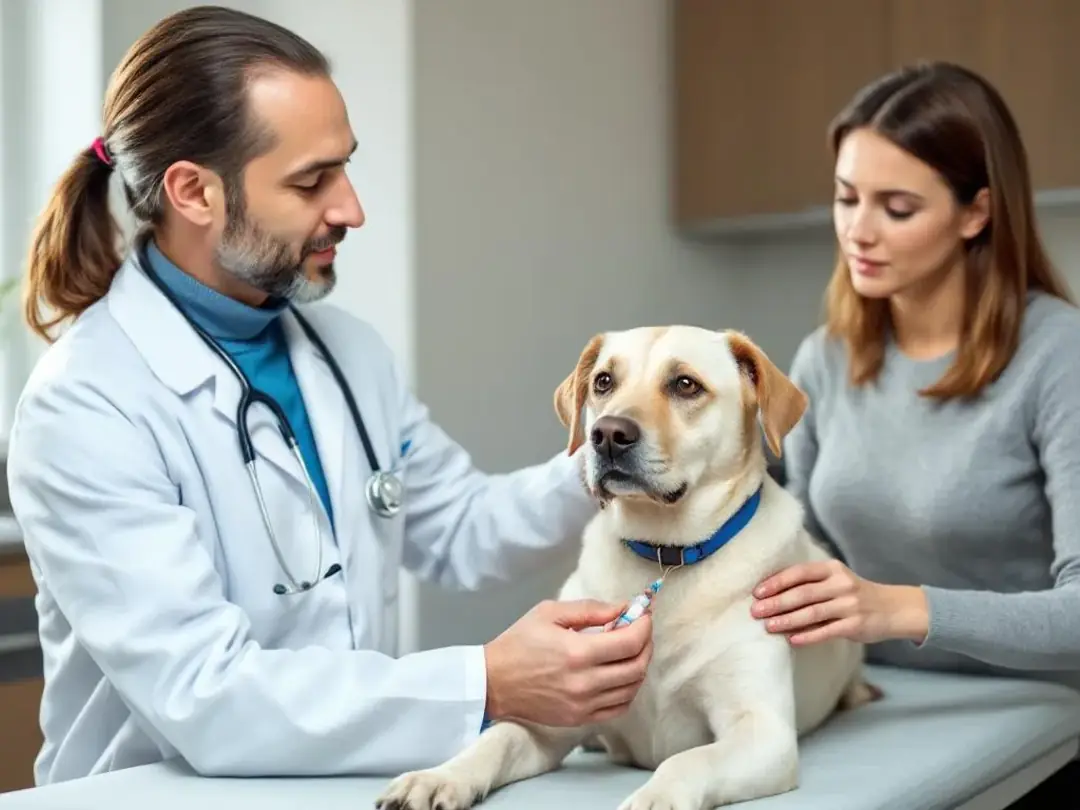
The cornerstone of UTI diagnosis is urinalysis, which involves both chemical and microscopic examination of a urine sample. The preferred collection method is cystocentesis, where a sterile needle is inserted directly into the bladder to obtain an uncontaminated sample. This technique prevents contamination from bacteria normally present around the urinary opening.
Urinalysis reveals several key indicators:
-
White blood cells - Elevated numbers indicate inflammation and immune response to infection
-
Red blood cells - Presence suggests irritation or inflammation of the urinary tract
-
Bacteria - Visible bacteria in properly collected urine confirms infection
-
Crystals - May indicate predisposing factors like bladder stones
-
Protein levels - Can suggest kidney involvement or severe bladder inflammation
Urine Culture and Sensitivity Testing
While urinalysis provides initial evidence of infection, urine culture represents the gold standard for confirming bacterial infection and guiding treatment. The sample obtained through sterile collection is cultured in the laboratory to identify the specific organism causing infection.
Urine culture results typically take 2-3 days but provide crucial information:
-
Identification of the specific bacteria causing infection
-
Antibiotic sensitivity testing to determine which medications will be effective
-
Bacterial growth quantification to confirm significant infection
-
Detection of antibiotic resistance that might complicate treatment
The sensitivity test is particularly important given rising rates of antibiotic resistance in veterinary medicine. This testing ensures that prescribed antibiotics will be effective against the same organism causing your dog's infection.
Additional Tests for Complicated Cases
When dealing with recurrent infections, treatment failures, or suspected complications, veterinarians may perform additional tests:
-
Blood tests - To assess kidney function and check for systemic effects of infection
-
X-rays - Can identify bladder stones or anatomical abnormalities
-
Ultrasound - Provides detailed images of bladder wall thickness and internal structures
-
Cystoscopy - Direct visualization of the bladder interior in specialized cases
For dogs with underlying health conditions like diabetes mellitus or chronic kidney disease, additional monitoring may be necessary to ensure the UTI doesn't worsen these conditions.
Urine Specific Gravity
Measuring urine specific gravity helps assess the kidney's ability to concentrate urine. Dogs with very dilute urine may have underlying kidney disease or other conditions that predispose them to UTI development.
The diagnostic process aims to not only confirm the presence of infection but also identify any predisposing factors that might require treatment to prevent recurrent UTIs. This comprehensive approach ensures that both the immediate infection and any underlying causes receive appropriate attention.
Treatment Options for Dog UTI
Effective treatment of a dog's UTI centers on eliminating the bacterial infection while addressing any underlying causes or complications. The approach varies depending on whether the infection is simple or complicated, with treatment plans tailored to culture results and the individual dog's condition.
Antibiotic Therapy
The foundation of UTI treatment involves targeted antibiotic treatment based on urine culture results. While veterinarians may start empirical antibiotics while awaiting culture results, the specific choice and duration depend on sensitivity testing.
Common effective antibiotics include:
-
Amoxicillin - Often first-line treatment for simple UTIs
-
Clavamox (amoxicillin-clavulanic acid) - Broader spectrum antibiotic for resistant infections
-
Fluoroquinolones - Reserved for complicated cases or resistant bacteria
-
Trimethoprim-sulfamethoxazole - Alternative option for specific bacterial types
Treatment duration typically ranges from 3-10 days for uncomplicated infections, with most dogs showing improvement within 2-3 days of starting appropriate treatment. The complete antibiotic course must be finished even when symptoms resolve to prevent development of antibiotic resistance.
Pain Management
Managing discomfort during treatment improves the dog's quality of life and aids recovery. Pain medication options include:
-
Gabapentin - Helps with nerve-related pain from bladder inflammation
-
Tramadol - Provides general pain relief
-
NSAIDs - Anti-inflammatory drugs that reduce bladder inflammation (used carefully with kidney monitoring)
Pain killers are typically prescribed for the first few days of treatment while antibiotics begin to control the infection.
Supportive Care
Supporting the dog's recovery involves several important measures:
-
Increased water intake - Encouraging frequent drinking helps flush bacteria from the urinary tract
-
Frequent bathroom breaks - More opportunities to urinate help eliminate bacteria
-
Dietary modifications - Special diets may help dissolve crystals or prevent stone formation
Treatment for Underlying Conditions
When underlying disease contributes to UTI development, addressing these conditions is crucial for preventing recurrent infections:
-
Managing diabetes mellitus - Better glucose control reduces UTI risk
-
Removing bladder stones - Surgical removal eliminates surfaces where bacteria can hide
-
Addressing anatomical issues - Surgical correction of abnormalities like hooded vulvas
Follow-up Care
Monitoring treatment success involves follow-up urinalysis approximately 1 week after treatment completion. This confirms that the infection has cleared and helps detect any persistent bacterial growth that might indicate treatment failure or underlying issues.
Treatment for Complicated UTIs
Dogs with recurrent UTIs or complicated cases require more intensive management:
-
Extended antibiotic courses - Treatment may last 4-6 weeks for persistent infections
-
Specialist consultation - Cases with multidrug-resistant bacteria may require referral to veterinary specialists
-
Surgical intervention - Some dogs benefit from procedures like vulvoplasty to correct anatomical predispositions
-
Prescription diets - Special formulations help dissolve crystals and prevent future stone formation
Managing Recurrent UTIs
For dogs experiencing recurrent UTIs (less than three UTIs per year vs. more than three UTIs requiring different approaches), long-term management strategies include:
-
Identifying and treating underlying medical conditions
-
Long-term low-dose antibiotic therapy in select cases
-
Regular urine monitoring to catch infections early
-
Environmental modifications to reduce bacterial exposure
The goal of treatment extends beyond simply clearing the current infection to preventing future episodes and maintaining the dog's overall urinary tract health.
Recovery and Prognosis
Most dogs with urinary tract infections experience excellent recovery when receiving appropriate treatment. Understanding the timeline and monitoring requirements helps dog owners support their pet's healing process and recognize when additional veterinary care may be needed.
Treatment Timeline
Symptom improvement typically begins within 2-3 days of starting appropriate antibiotics. Dog owners often notice reduced straining, less frequent urination attempts, and improved comfort during urination as the first signs of recovery.
Complete resolution of clinical signs usually occurs within 5-7 days of treatment initiation. However, the full antibiotic course must be completed even when the dog appears completely normal to ensure elimination of all bacteria and prevent development of antibiotic resistance.
Importance of Treatment Compliance
Completing the full antibiotic course remains critical even when symptoms resolve quickly. Stopping antibiotics early can lead to:
-
Incomplete bacterial elimination - Some organisms may survive and multiply again
-
Development of antibiotic resistance - Partially treated bacteria may become resistant to future treatment
-
Recurrent infections - Higher likelihood of UTI returning within weeks
Monitoring During Treatment
For uncomplicated UTIs, most dogs require minimal monitoring beyond observing symptom resolution. However, dogs with complicated cases may need:
-
Weekly urinalysis to track bacterial clearance
-
Blood work monitoring if kidney function is compromised
-
Assessment of underlying conditions like diabetes or kidney disease
Dog owners should monitor their pet's urine for return to normal color and odor, improved comfort during urination, and return to normal urination frequency.
Long-term Outlook
The prognosis for simple UTIs is excellent, with most dogs making complete recoveries without long-term effects. Dogs typically return to their normal activity level and urination patterns within days of starting treatment.
For complicated UTIs or those associated with underlying conditions, the prognosis depends on successful management of predisposing factors. Dogs with anatomical abnormalities may require surgical correction to prevent recurrence, while those with chronic diseases need ongoing management.
Complications if Left Untreated
Untreated urinary tract infections can lead to serious complications:
-
Kidney infection (pyelonephritis) - Bacteria can ascend to infect kidney tissue
-
Sepsis - Severe systemic infection that can be life-threatening
-
Kidney failure - Chronic kidney damage from repeated or severe infections
-
Bladder wall changes - Chronic inflammation can cause scarring and functional problems
Signs of Treatment Success
Owners can expect to see several positive changes indicating successful treatment:
-
Normal urination frequency - Return to usual bathroom schedule
-
Clear, normal-colored urine - No blood, cloudiness, or strong odor
-
Comfortable urination - No straining, vocalization, or prolonged posturing
-
Restored normal behavior - Return to usual activity level and appetite
When to Contact Your Veterinarian
Despite appropriate treatment, some situations warrant immediate veterinary attention:
-
No improvement after 3-4 days of antibiotic therapy
-
Worsening symptoms during treatment
-
Development of new symptoms like fever, lethargy, or vomiting
-
Return of symptoms after completing treatment
The key to successful recovery lies in prompt recognition of symptoms, appropriate veterinary diagnosis and treatment, and careful monitoring throughout the healing process.
Prevention Strategies
Preventing urinary tract infections in dogs involves addressing risk factors, maintaining proper hygiene, and creating an environment that supports urinary tract health. While not all UTIs can be prevented, implementing these strategies significantly reduces the likelihood of infection development.
Hygiene Practices
Regular grooming and cleanliness around the genital area help prevent bacterial accumulation that can lead to UTI development:
-
Regular grooming - Keep hair around the urinary opening trimmed to prevent bacterial trapping
-
Vulvar cleaning in female dogs - Gentle cleaning with pet-safe wipes, especially for dogs with skin folds
-
Preputial hair management in male dogs - Regular trimming prevents bacterial accumulation around the sheath
For dogs prone to UTIs, daily attention to genital hygiene becomes particularly important. Pet wipes designed for sensitive areas can help maintain cleanliness without causing irritation.
Environmental Management
Creating an environment that supports frequent, complete bladder emptying helps prevent bacterial growth:
-
Frequent outdoor bathroom opportunities - Allow dogs to urinate every 4-6 hours to prevent bacterial accumulation
-
Consistent bathroom schedule - Regular opportunities prevent prolonged urine retention
-
Clean, accessible water sources - Fresh water encourages frequent drinking and urination
Dogs should never be forced to "hold it" for extended periods, as this allows bacteria time to multiply in the bladder.
Hydration Support
Proper hydration promotes frequent urination, which naturally flushes bacteria from the urinary tract:
-
Constant access to fresh, clean water - Multiple water sources encourage adequate intake
-
Wet food supplementation - Adds moisture to the diet and increases overall fluid intake
-
Water bowl maintenance - Clean bowls daily and refill with fresh water
Some dogs benefit from flavored water or broth (low sodium) to encourage increased drinking, particularly during recovery from UTI or for prevention in high-risk dogs.
Weight Management
Maintaining optimal body weight reduces UTI risk through several mechanisms:
-
Improved hygiene access - Dogs at proper weight can better clean themselves
-
Reduced skin fold problems - Prevents bacterial trapping in excess tissue
-
Better mobility - Easier access to water sources and outdoor areas
Weight management involves appropriate portion control, regular exercise, and working with your veterinarian to establish target weight goals.
Addressing Anatomical Predispositions
Dogs with anatomical abnormalities may benefit from veterinary consultation about preventive measures:
-
Surgical correction - Procedures like vulvoplasty can eliminate bacterial trapping
-
Enhanced hygiene protocols - More frequent cleaning for dogs with hooded vulvas or excessive skin folds
-
Regular monitoring - More frequent urine checks for high-risk dogs
Regular Veterinary Care
Preventive veterinary care helps identify and address predisposing factors before UTI development:
-
Annual examinations - Include urinalysis for early problem detection
-
Monitoring underlying conditions - Proper management of diabetes, kidney disease, or other predisposing conditions
-
Breed-specific screening - Enhanced monitoring for breeds with known UTI predisposition
Senior dogs or those with chronic conditions may benefit from more frequent urine monitoring to catch problems early.
Home Care and Monitoring
Effective home care and monitoring help dog owners recognize UTI symptoms early and support their pet's urinary tract health. Daily observation and simple monitoring techniques can prevent minor issues from becoming serious infections.
Daily Observation
Consistent monitoring of your dog's urination habits provides early warning of potential problems:
-
Urination frequency - Note changes in how often your dog needs to go outside
-
Urine appearance - Observe color, clarity, and any unusual odor in the dog's urine
-
Bathroom posture - Watch for straining, prolonged positioning, or signs of discomfort
-
Behavioral changes - Monitor for excessive licking, restlessness, or accidents indoors
Keep a simple log of unusual observations to share with your veterinarian if concerns arise.
Hygiene Support
Regular hygiene maintenance helps prevent bacterial accumulation:
-
Use of pet wipes - Gentle cleaning for overweight females or dogs with hooded vulvas
-
Daily visual checks - Look for discharge, redness, or swelling around the urinary opening
-
Proper grooming - Keep hair trimmed around the genital area to prevent bacterial trapping
Supportive Supplements
Some dogs may benefit from adjunctive support, though these should supplement, not replace, proper veterinary care:
-
Probiotics - May help maintain healthy bacterial balance
-
Cranberry supplements - Some evidence suggests benefits for urinary tract health (use veterinary-approved products only)
-
Increased fiber - Helps prevent constipation that can contribute to urinary problems
Always consult your veterinarian before adding supplements to your dog's routine, as some can interact with medications or underlying conditions.
Prescription Diets
Dogs prone to crystal formation or recurrent UTIs may benefit from specialized nutrition:
-
Urinary health diets - Formulated to promote appropriate urine pH and mineral content
-
Increased moisture content - Wet or semi-moist diets increase overall fluid intake
-
Controlled mineral levels - Help prevent crystal and stone formation
Environmental Modifications
Simple changes to your dog's environment can support urinary tract health:
-
Multiple water stations - Encourage frequent drinking
-
Easy outdoor access - Dog doors or frequent scheduled breaks
-
Comfortable elimination areas - Clean, accessible spots for urination
When to Contact Your Veterinarian
Recognizing when professional veterinary care is needed ensures prompt treatment and prevents complications. Understanding which symptoms require immediate attention versus routine scheduling helps dog owners make appropriate decisions about their pet's care.
Immediate Concerns
Certain symptoms indicate urgent need for veterinary attention and should not wait for regular office hours:
-
Complete inability to urinate - This represents a medical emergency requiring immediate intervention
-
Severe pain that prevents normal movement or causes constant distress
-
Significant blood in urine - Large amounts of blood or blood clots require prompt evaluation
-
Signs of systemic illness - Fever, severe lethargy, or collapse
These emergency warning signs suggest potential complications like complete urinary obstruction or kidney infection that can be life-threatening without prompt treatment.
Recurring Symptoms
Dogs experiencing multiple UTI episodes require specialized evaluation to identify underlying causes:
-
Multiple UTI episodes within 6-12 months - Indicates need for investigation of predisposing factors
-
Symptoms that return shortly after treatment - May suggest incomplete treatment or resistant bacteria
-
Gradual worsening of symptoms - Progressive changes require professional assessment
Recurrent infections often involve underlying medical conditions, anatomical abnormalities, or antibiotic resistance that require specialized diagnostic testing and treatment approaches.
Treatment Failure
When current treatment isn't producing expected results, veterinary consultation helps adjust the approach:
-
No improvement after 3-4 days of antibiotic therapy
-
Worsening symptoms despite treatment
-
New symptoms developing during treatment - Such as fever, vomiting, or severe lethargy
-
Incomplete symptom resolution after completing full antibiotic course
Treatment failure may indicate antibiotic resistance, incorrect diagnosis, or underlying complications that require different therapeutic approaches.
Preventive Care Scheduling
Regular monitoring helps catch problems early, particularly for high-risk dogs:
-
Routine urine checks for senior dogs or those with chronic conditions
-
Annual wellness examinations that include urinalysis
-
Monitoring of underlying conditions like diabetes mellitus or chronic kidney disease
-
Breed-specific screening for dogs with known predispositions
Dogs with previous UTI history, anatomical abnormalities, or chronic diseases benefit from more frequent monitoring to prevent complications.
Questions to Ask Your Veterinarian
When contacting your veterinarian about potential UTI concerns, provide specific information:
-
Duration and progression of symptoms
-
Changes in urination frequency, appearance, or behavior
-
Any previous UTI history or underlying health conditions
-
Current medications or supplements
-
Recent changes in diet, environment, or routine
This information helps your veterinary team assess urgency and provide appropriate guidance for your dog's specific situation.
Special Considerations
Certain situations and conditions require modified approaches to UTI diagnosis, treatment, and prevention. Understanding these special circumstances helps ensure appropriate care for dogs with unique needs or risk factors.
Catheterized Dogs
Dogs requiring urinary catheterization face increased UTI risk due to the introduction of foreign material into the sterile urinary tract. These dogs need specialized monitoring protocols:
-
Enhanced sterile technique during catheter insertion and maintenance
-
Regular urine monitoring while catheterized
-
Prompt catheter removal when no longer medically necessary
-
Post-catheter monitoring for several days after removal
Veterinary clinics follow strict protocols for catheterized patients to minimize infection risk while maintaining necessary medical treatment.
Subclinical Bacteriuria
Some dogs may have bacteria in their urine without showing clinical signs of infection. This condition, called subclinical bacteriuria, requires careful evaluation:
-
No treatment recommended for healthy dogs without symptoms
-
Risk factor assessment - Dogs with underlying conditions may require treatment
-
Regular monitoring to ensure the condition doesn't progress to clinical infection
-
Treatment reserved for dogs showing other signs of illness
The decision to treat subclinical bacteriuria depends on the individual dog's health status and risk factors.
Multidrug-Resistant Infections
Rising antibiotic resistance presents challenges in veterinary medicine, requiring specialized approaches:
-
Specialist consultation for complex resistant infections
-
Extended culture and sensitivity testing to identify effective antibiotics
-
Critical antimicrobials reserved for life-threatening infections
-
Alternative treatment strategies when standard antibiotics fail
These cases require careful antimicrobial stewardship to preserve effectiveness of available treatments.
Pregnancy and Nursing
Reproductive females require special consideration for both diagnosis and treatment:
-
Safe antibiotic selection that won't harm developing puppies
-
Modified diagnostic approaches to minimize stress on pregnant females
-
Monitoring for complications that could affect pregnancy outcomes
-
Postpartum screening as nursing can increase UTI risk
Veterinarians carefully balance maternal health needs with safety considerations for developing or nursing puppies.
Senior Dogs
Aging dogs face unique challenges that require adjusted management approaches:
-
Increased monitoring frequency due to higher UTI risk
-
Consideration of age-related conditions that predispose to infection
-
Modified treatment protocols for dogs with kidney disease or other chronic conditions
-
Enhanced supportive care to maintain quality of life
Senior dog care often involves managing multiple health conditions simultaneously while maintaining urinary tract health.
Neurologic Disease
Dogs with neurologic conditions affecting bladder function require specialized management:
-
Assisted bladder emptying for dogs with neurologic dysfunction
-
Enhanced hygiene protocols for dogs with mobility limitations
-
Regular monitoring for incomplete bladder emptying
-
Coordinated care between neurology and internal medicine specialists
These dogs often need long-term management strategies to prevent recurrent infections while addressing their neurologic condition.
Disclaimer: This content is for general educational purposes only. It does not replace an in-person examination or diagnosis. If you are concerned about your dog's health or behavior, contact your veterinarian promptly.
Understanding urinary tract infections in dogs empowers pet owners to recognize symptoms early, seek appropriate veterinary care, and implement effective prevention strategies. With proper attention to your dog's urinary health, most UTIs can be successfully treated and prevented from recurring.
The partnership between dog owners and veterinary professionals remains essential for maintaining optimal urinary tract health. Regular monitoring, prompt attention to symptoms, and adherence to treatment recommendations ensure the best outcomes for dogs affected by urinary tract infections.
Contact your veterinarian promptly if you notice any changes in your dog's urination habits, as early intervention leads to faster recovery and prevents complications. Your dog's health and comfort depend on recognizing the signs and taking appropriate action when urinary tract infections develop.
Related Resources
More Dog Health and Symptom Guides
If your dog is having accidents, straining to pee, or showing discomfort, these related guides may help.


