
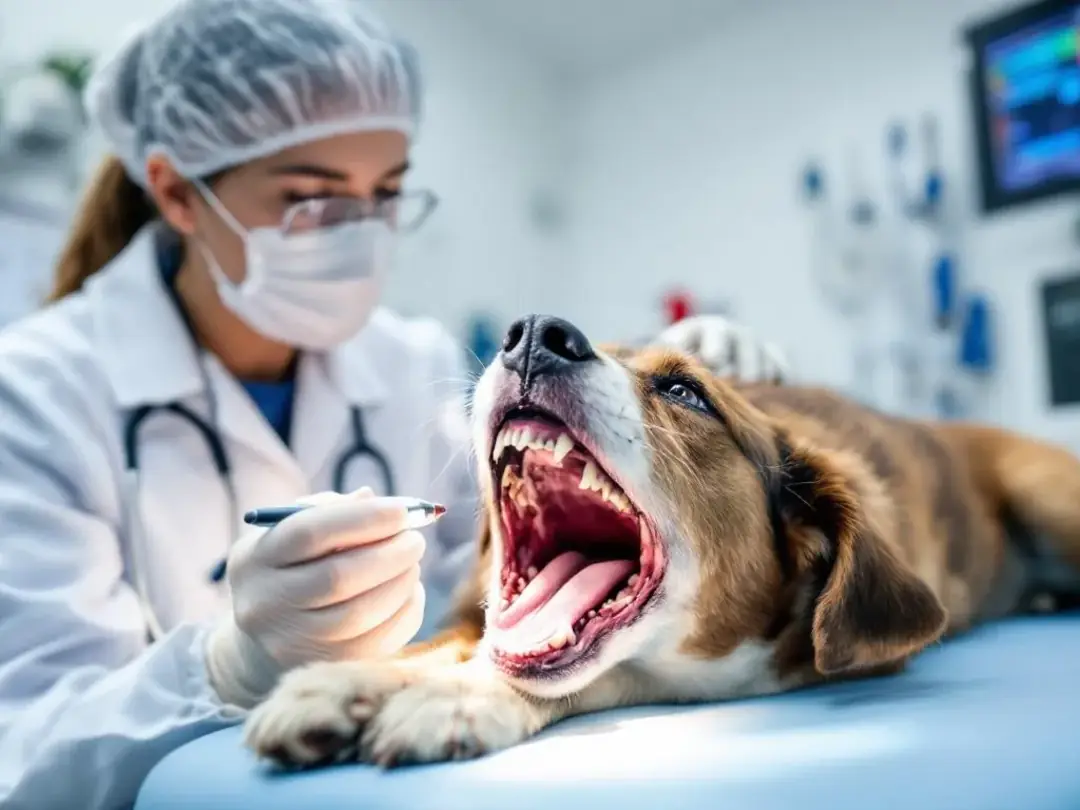

Canine overbite is a bite alignment problem where the upper jaw extends too far beyond the lower jaw, sometimes causing pain, trauma, or difficulty using the mouth normally.
If you are researching bite alignment, oral pain, and long-term dental health in dogs, our Goldendoodle FAQ page is a useful next read for broader dog care questions that often come up alongside dental concerns.
Key Takeaways
- A canine overbite usually means the upper jaw extends too far beyond the lower jaw.
- Some mild overbites can simply be monitored, while others cause pain or trauma and need treatment.
- Early evaluation in puppies often gives the best treatment options.
- Treatment may include monitoring, tooth extraction, orthodontic devices, crown reduction, or surgery.
- Severe untreated cases can lead to chronic pain, oral trauma, and serious complications.
What Is a Canine Overbite?
A canine overbite, often called a Class II malocclusion, happens when the upper jaw extends too far beyond the lower jaw. In many dogs, this is a skeletal alignment issue rather than just a few crooked teeth.
That distinction matters because a true jaw mismatch can create functional problems, not just cosmetic ones. The concern is not simply how the bite looks, but whether the teeth and jaws are injuring the mouth or interfering with normal use.
With overbites, appearance matters less than function.
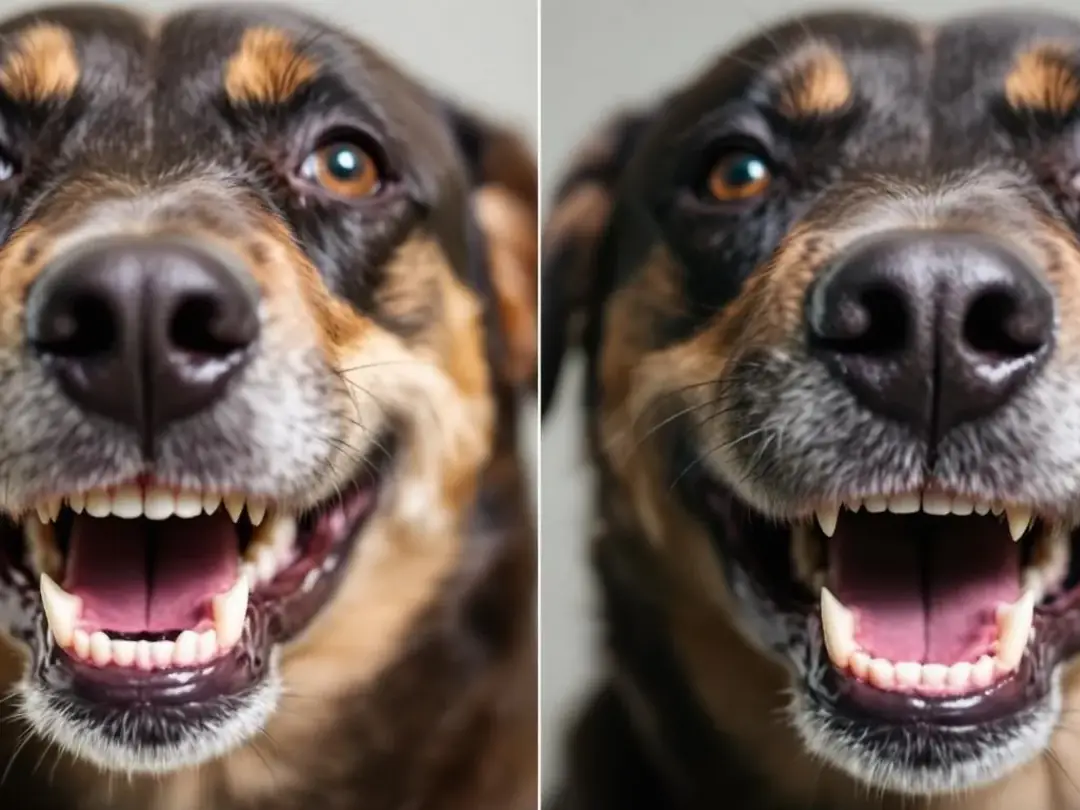
Which Dogs Are More Prone to Overbites?
Some breeds are more likely to develop this problem than others.
Collies, Shelties, Dachshunds, and several other breeds are more commonly affected, and genetics often play a major role. In these dogs, jaw growth patterns can make overbite more likely during development.
That is why early monitoring in predisposed breeds matters. A puppy with a developing bite problem may have more options if it is caught early.
In a high-risk breed, waiting can quietly narrow the choices.
When an Overbite Becomes a Problem
Not every overbite needs treatment. Mild cases that do not cause pain, trauma, or eating difficulty may just need monitoring. The real concern begins when the lower teeth strike the roof of the mouth, the gums, or other oral tissues.
That repeated trauma can create wounds, chronic pain, infection risk, and long-term oral damage. A bite problem becomes a medical problem when it starts hurting the dog.
The question is not just "Is there an overbite?" but "What is it doing?"
Common Symptoms of a Problematic Overbite
Signs of a problematic overbite can include visible trauma to the roof of the mouth, difficulty eating, excessive drooling, bad breath, oral bleeding, reluctance to chew, and behavior changes linked to pain. Some dogs also develop chronic nasal issues if severe trauma creates deeper defects.
These signs may be subtle at first, especially in stoic dogs. Owners often notice eating changes or drooling before they realize the bite itself is the cause.
Dogs do not always point to the mouth, even when the mouth is the problem.
How Vets Diagnose and Evaluate Overbites
Diagnosis is about more than noticing a crooked bite.
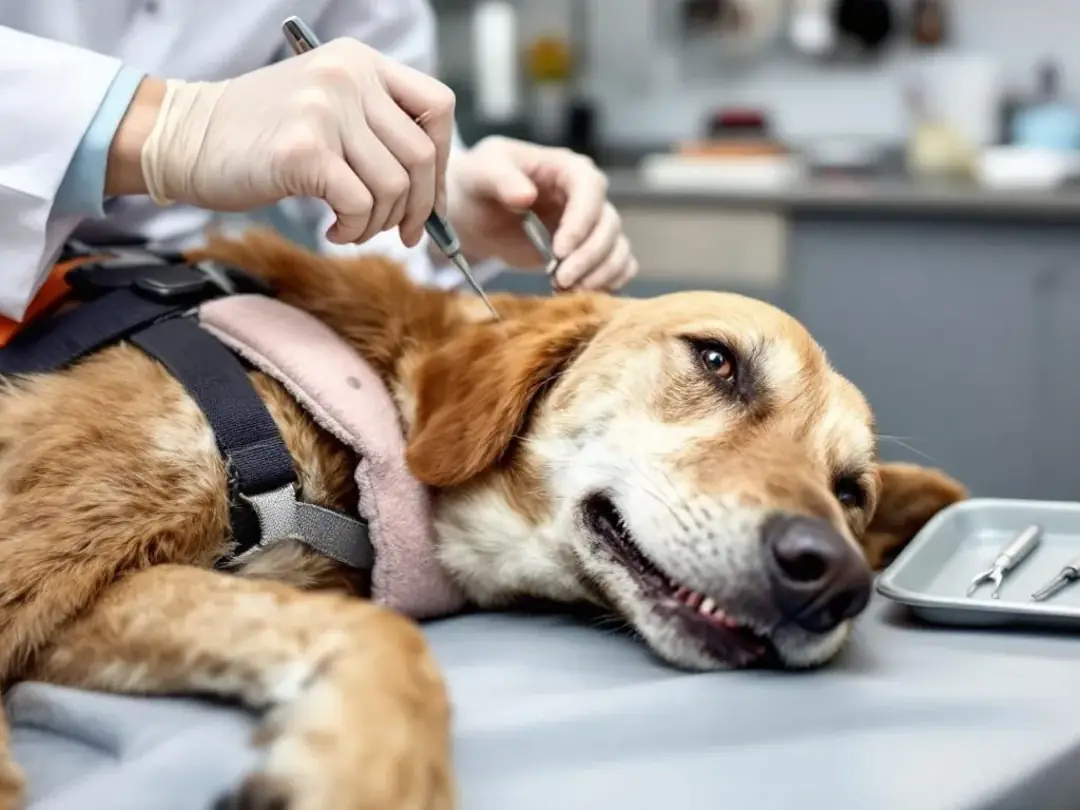
Veterinarians evaluate jaw alignment, tooth position, oral trauma, and the dog's ability to use the mouth comfortably. Dental imaging may also be needed to assess roots, bone structure, and treatment options.
This full evaluation helps determine whether the issue is mild and monitorable or severe enough to require intervention.
In overbite cases, the exam is not just about what the teeth look like. It is about what they are hitting.
Treatment Options for Canine Overbite
Treatment depends on age, severity, and whether trauma is already happening.
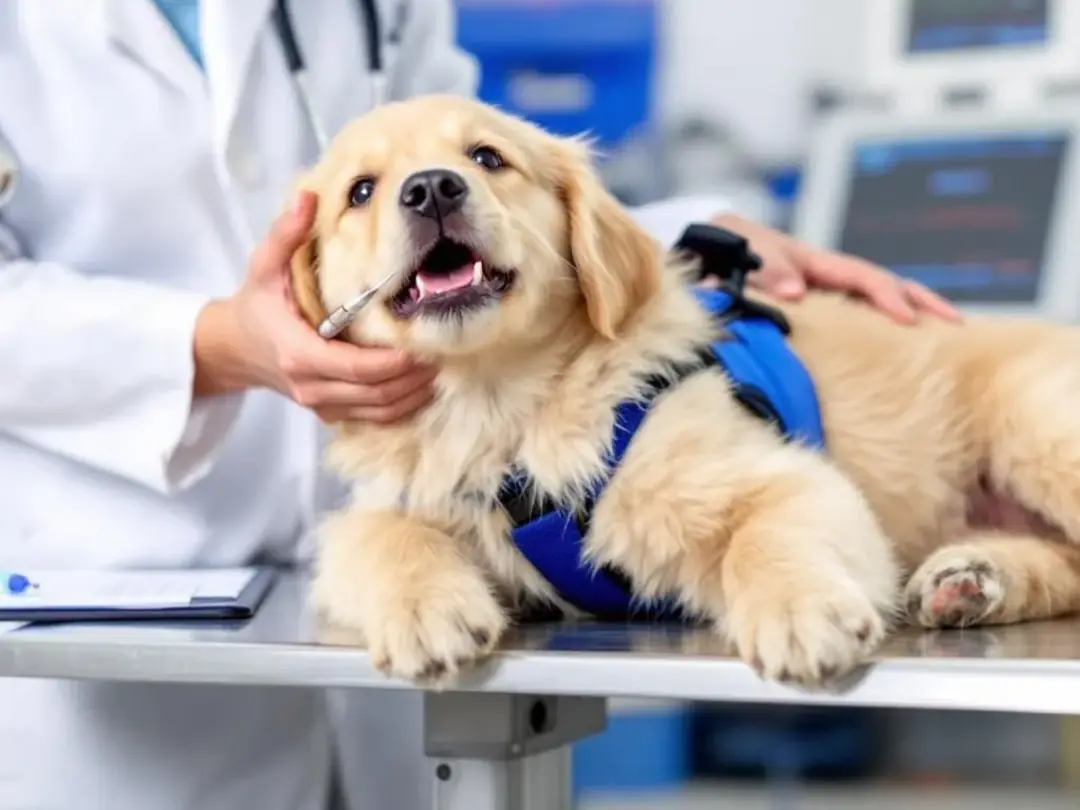
Options may include monitoring, early extraction of problematic baby teeth, orthodontic devices, crown reduction with root canal therapy, or full tooth extraction. In severe skeletal cases, more advanced surgical approaches may be considered.
Puppies often have the best window for less invasive correction because the jaws and teeth are still developing. Adult dogs can still be treated, but the options may be more limited or more involved.
Time changes the treatment menu.
Recovery and Long-Term Monitoring
Recovery depends on the treatment used, but most dogs need pain control, soft food for a period, and follow-up exams to make sure healing is going well. Long-term monitoring also matters because oral trauma, dental disease, or new alignment issues can still develop over time.
Even after successful treatment, dental care and regular rechecks remain important parts of the plan.
Fixing the immediate problem is one step. Protecting the mouth long term is the next one.
When to Call the Vet
Call your veterinarian if your dog has visible mouth trauma, trouble eating, drooling, bad breath, bleeding from the mouth, or obvious bite misalignment. Puppies with developing bite problems should be checked early rather than watched indefinitely.
The earlier the evaluation happens, the more likely it is that simpler treatment options are still on the table.
With overbites, delay can turn a manageable problem into a painful one.
FAQ
Common Questions About Canine Overbite
These quick answers cover common questions about symptoms, treatment timing, complications, and when an overbite becomes a real problem.
What is a canine overbite?
It is a bite alignment problem where the upper jaw extends too far beyond the lower jaw.
Do all overbites need treatment?
No. Mild cases without pain or trauma may only need monitoring.
Why is early treatment in puppies important?
Early treatment often works best because the jaws and teeth are still developing.
What can happen if a severe overbite is ignored?
It can lead to chronic pain, oral trauma, infection, and serious complications such as fistulas.
Can adult dogs still be treated?
Yes, but treatment may be more limited or more involved than it would be in a young puppy.


