


Canine mastitis is an infection or inflammation of the mammary glands, most often seen in nursing female dogs during the postpartum period.
If you are researching postpartum dog health, nursing complications, and emergency care for mothers and puppies, our Goldendoodle FAQ page is a useful next read for broader dog care questions that often come up around breeding and puppy raising.
Key Takeaways
- Mastitis usually affects nursing female dogs during lactation or shortly after whelping.
- Common early signs include swollen, warm, painful mammary glands and abnormal milk.
- Bacterial infection, trauma from puppies, and poor hygiene are common causes.
- Prompt veterinary treatment matters because severe cases can become dangerous for both mother and puppies.
- Many cases improve within a few weeks when treated appropriately.
What Is Canine Mastitis?
Canine mastitis is inflammation of one or more mammary glands, usually caused by infection during lactation. It most often develops when bacteria enter the teat canal or damaged mammary tissue and begin to multiply.
Because the mammary glands are actively producing milk during this time, problems can escalate quickly. What starts as local inflammation can become a much more serious infection if it is not recognized early.
Mastitis may begin in one gland, but the consequences can reach much further.
Common Causes of Mastitis in Dogs
Bacterial infection is the most common cause, often helped along by trauma from puppies' nails, milk stasis, blocked ducts, or unsanitary whelping conditions. Any break in the skin or disruption in milk flow can create an opening for trouble.
That is why mastitis is not just about bacteria being present. It is also about the conditions that let bacteria take hold.
Infection needs an opportunity, and mastitis often starts when the opportunity is there.
Common Symptoms of Canine Mastitis
The early signs are often local, but severe cases become systemic.
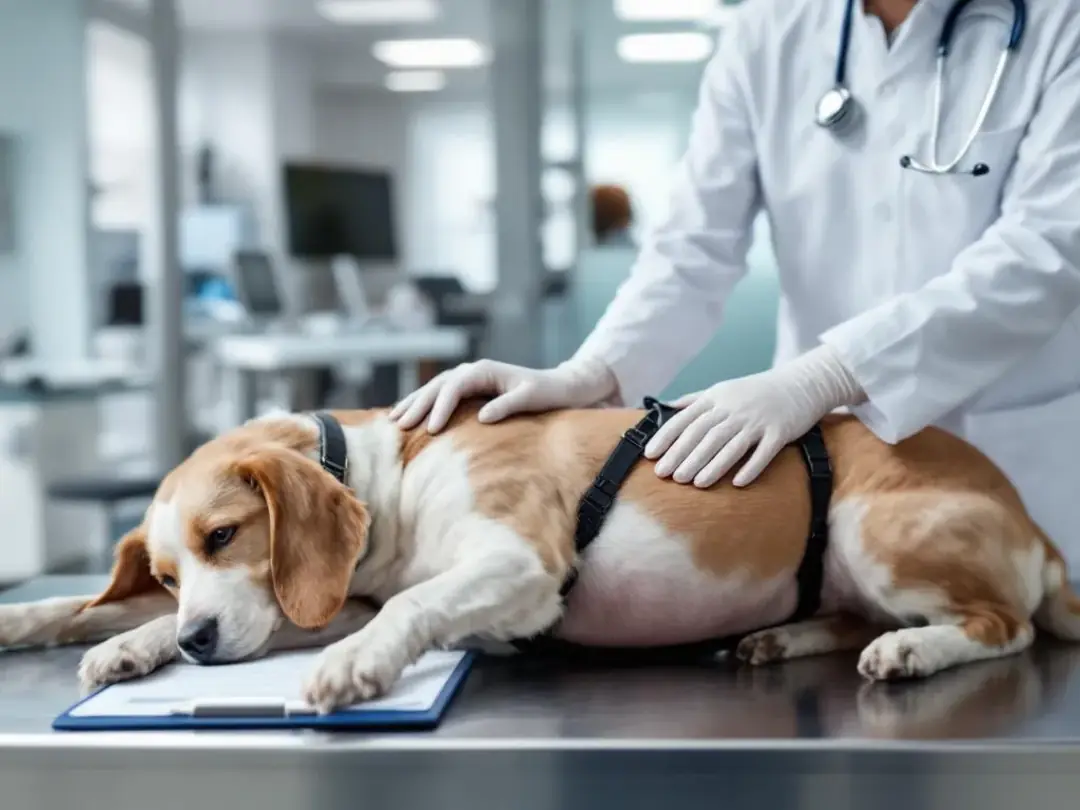
Common signs include swollen, warm, painful mammary glands, discolored or abnormal milk, reluctance to nurse, fever, lethargy, and loss of appetite. In more severe cases, the gland may become very dark, very painful, or begin to break down.
Owners may also notice that the puppies are not thriving, which can be an early clue that the mother is having a nursing problem even before the gland looks dramatically abnormal.
Sometimes the puppies show the first sign that the mother is in trouble.
How Vets Diagnose Mastitis
Veterinarians diagnose mastitis through physical examination, milk evaluation, and often laboratory testing such as cytology, culture, blood work, or other supportive diagnostics. The goal is to confirm the infection, assess severity, and identify complications.
This matters because not all mammary gland swelling is the same, and severe cases may need much more than simple outpatient treatment.
Diagnosis is not just about naming mastitis. It is about measuring how far it has gone.
Treatment for Canine Mastitis
Treatment depends on how sick the mother is and how advanced the infection has become.
Mild cases may be treated with antibiotics, pain control, and supportive care at home. More severe cases may require hospitalization, IV fluids, stronger medications, or even surgery if tissue damage is extensive.
Management may also include careful milk drainage, warm compresses, and decisions about whether puppies can continue nursing safely.
In mastitis, treatment is about helping the gland, protecting the mother, and keeping the puppies safe at the same time.
How Mastitis Affects Nursing Puppies
Mastitis can affect puppies by reducing milk quality, reducing milk availability, or making nursing too painful for the mother. In some cases, puppies may need supplemental feeding or temporary separation, depending on the severity of the infection and veterinary guidance.
This is one reason mastitis is never just a local breast problem. It can quickly become a litter management problem too.
When the mother cannot nurse normally, the whole system changes.

Recovery and Prevention
Most dogs recover well when treatment starts early.
Many cases improve within two to three weeks with proper treatment. Prevention focuses on clean whelping conditions, regular mammary checks, puppy nail trimming, and avoiding sudden milk buildup or weaning problems.
For dogs that have had mastitis before, extra vigilance in future litters is especially important.
Good recovery depends on treatment, but good prevention depends on management.
When to Seek Emergency Care
Some mastitis cases are true emergencies.
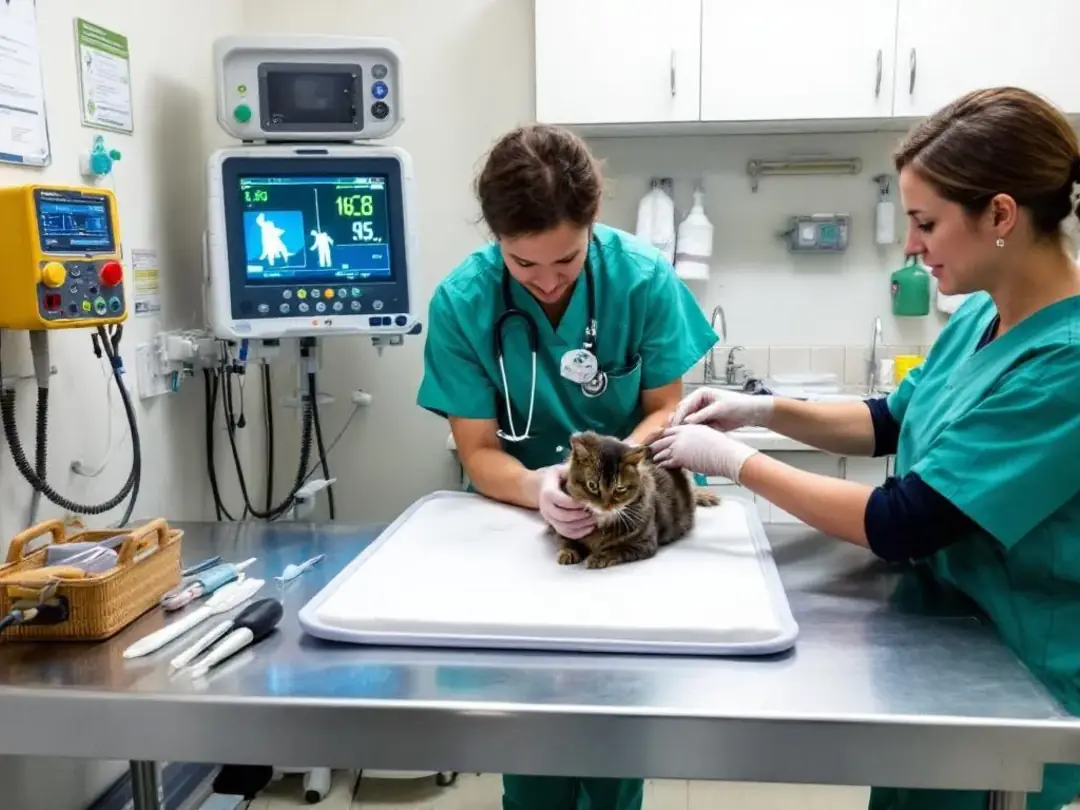
Seek emergency veterinary care if the gland becomes extremely painful, very dark, cold, foul-smelling, or if the mother has fever, vomiting, collapse, severe lethargy, or signs of shock. These can indicate severe infection, tissue death, or sepsis.
If the puppies are also failing, weak, or unable to nurse, that adds urgency as well.
When mastitis stops looking local and starts looking systemic, it is an emergency.
FAQ
Common Questions About Canine Mastitis
These quick answers cover common questions about symptoms, causes, treatment, puppies, and emergency warning signs.
What is canine mastitis?
It is inflammation or infection of the mammary glands, most often in nursing female dogs.
What are common early signs?
Common early signs include swollen, warm, painful glands and abnormal or discolored milk.
What usually causes mastitis?
Common causes include bacterial infection, trauma from puppies, milk stasis, and poor hygiene.
Can puppies be affected too?
Yes. Puppies may struggle if milk quality drops, milk supply falls, or the mother cannot nurse comfortably.
When is mastitis an emergency?
It is an emergency if the gland becomes very dark, very painful, foul-smelling, or the mother seems systemically ill.


