


Canine mast cell tumors are one of the most common skin cancers in dogs and can range from relatively manageable lumps to much more aggressive disease.
If you are researching dog cancer, skin masses, and long-term treatment planning, our cancer in dogs guide is a useful next read for a broader look at how cancer can appear in dogs.
Key Takeaways
- Mast cell tumors are among the most common malignant skin tumors in dogs.
- They can look like many different kinds of skin lumps and may even change in size.
- Fine needle aspiration and proper grading are central to diagnosis and treatment planning.
- Surgery is often the main treatment, but some dogs also need chemotherapy, radiation, or targeted therapy.
- Prognosis depends heavily on grade, stage, location, and whether the tumor was completely removed.
What Is a Canine Mast Cell Tumor?
Mast cell tumors develop from mast cells, which are immune cells involved in inflammation and allergic responses. When these cells become cancerous, they can form skin masses that behave in very different ways from one dog to another.
That variability is one of the hardest parts of mast cell tumors. Some behave in a more controlled way, while others are much more aggressive and unpredictable.
With mast cell tumors, the name may be the same, but the behavior may not be.
How Mast Cell Tumors Can Look
Mast cell tumors can appear as raised lumps, red masses, soft swellings, ulcerated areas, or skin lesions that seem to come and go. Some even fluctuate in size because mast cells release inflammatory chemicals like histamine.
That is why these tumors can fool owners and even look less serious than they are. A lump that changes shape or seems irritated one day and calmer the next still deserves attention.
A changing lump is not a reassuring lump.

Which Dogs Are More at Risk?
Breed and age both matter.
Boxers, Bulldogs, Golden Retrievers, Labrador Retrievers, Shar-peis, and several other breeds are more commonly affected than average. Mast cell tumors are also more often diagnosed in middle-aged to older dogs, though younger dogs are not completely exempt.
Breed risk does not confirm the diagnosis, but it should raise suspicion when a new skin mass appears.
In a predisposed breed, a skin lump deserves less waiting and more testing.
How Vets Diagnose Mast Cell Tumors
Fine needle aspiration is usually the first and most important diagnostic step. It allows the veterinarian to collect cells from the mass and look for mast cells under the microscope.
Once a mast cell tumor is identified, further testing may include biopsy, histopathology, lymph node evaluation, imaging, and other staging work. The goal is not just to name the tumor, but to understand how serious it is.
Diagnosis starts with the lump, but it does not end there.
Why Grading and Staging Matter
Grading describes how aggressive the tumor cells look under the microscope, while staging looks at how far the disease has spread in the body. Together, these help guide treatment and prognosis.
A low-grade, localized tumor is a very different case from a high-grade tumor with lymph node or internal spread. That is why owners should not assume all mast cell tumors carry the same outlook.
The diagnosis tells you what it is. The grade and stage tell you what it may do.
Treatment Options
Treatment often starts with surgery, but not always ends there.
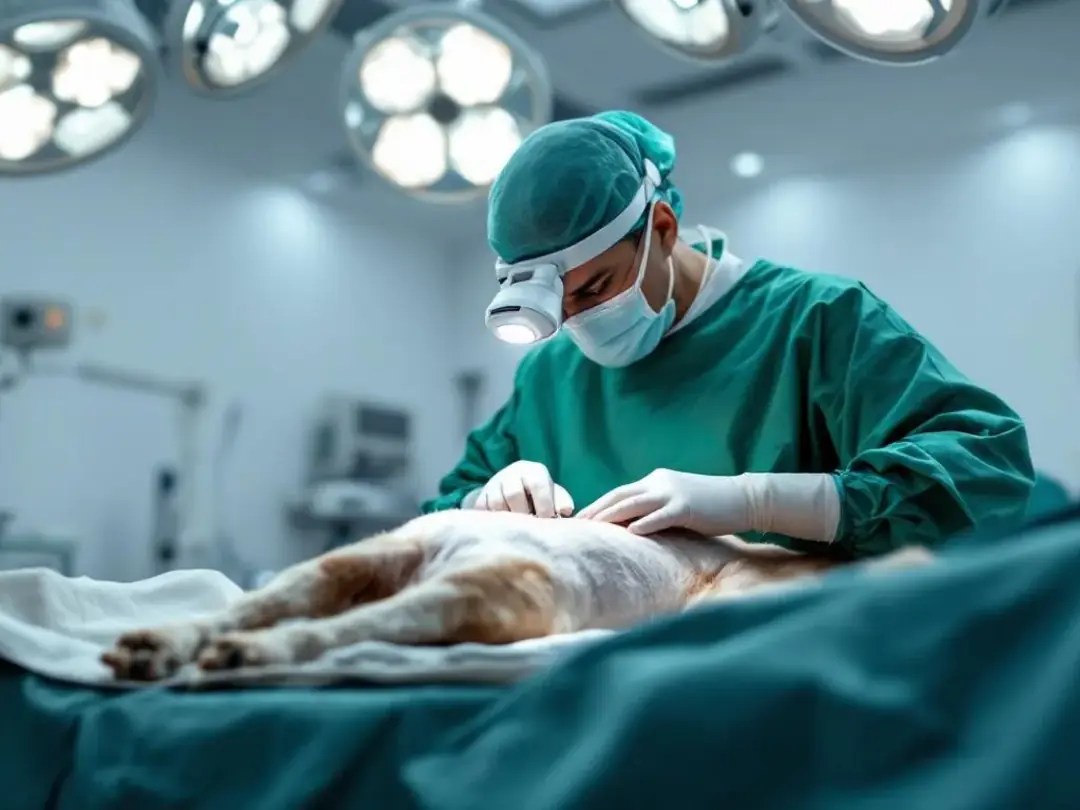
Surgical removal with appropriate margins is the main treatment for many mast cell tumors. Depending on the grade, stage, location, and margin status, some dogs may also need chemotherapy, radiation therapy, or targeted drugs such as tyrosine kinase inhibitors.
Supportive medications may also be used to control histamine-related effects, especially around surgery or in dogs with systemic signs.
For some dogs, the tumor is removed. For others, the disease is managed on multiple fronts.
Recovery and Follow-Up
Recovery depends on the treatment used, the tumor's behavior, and whether the disease has spread. Dogs need follow-up exams because recurrence, new tumors, or progression can still happen even after treatment.
That is why mast cell tumor care is often not a one-visit issue. Monitoring is part of the plan, not an afterthought.
With mast cell tumors, follow-up is part of treatment.
When to Call the Vet
Call your veterinarian if you find any new skin lump, especially one that changes in size, becomes red, ulcerates, or seems itchy or inflamed. Do not assume a skin mass is harmless just because it looks small or soft.
Early testing can make a major difference in treatment options and outcome.
With skin masses, delay can cost information you wish you had sooner.
FAQ
Common Questions About Canine Mast Cell Tumors
These quick answers cover common questions about symptoms, diagnosis, grading, treatment, and prognosis.
What is a canine mast cell tumor?
It is a common type of skin cancer that develops from mast cells.
Can mast cell tumors change in size?
Yes. Some fluctuate in size because mast cells release inflammatory chemicals like histamine.
How are they diagnosed?
They are often first diagnosed with fine needle aspiration, followed by grading and staging tests.
Is surgery always the treatment?
Surgery is often the main treatment, but some dogs also need chemotherapy, radiation, or targeted therapy.
Does prognosis vary a lot?
Yes. Prognosis depends heavily on grade, stage, location, and whether the tumor was completely removed.


