
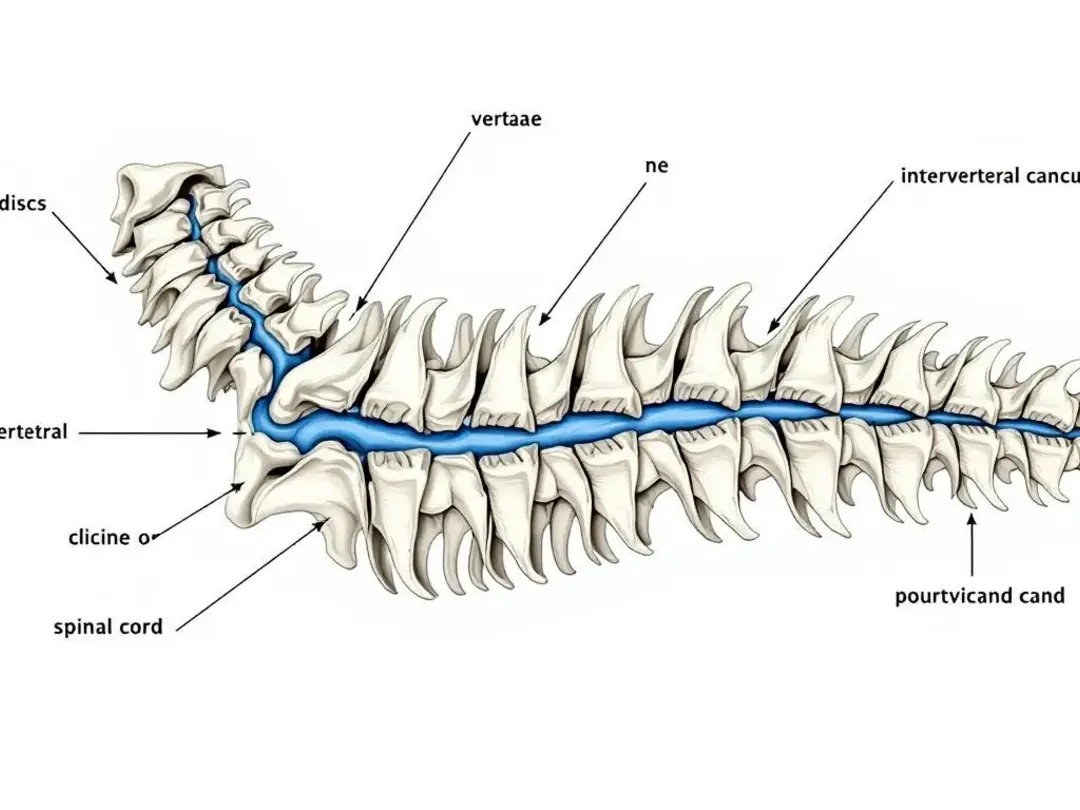

Canine IVDD is a spinal disc disease that can cause pain, weakness, and even paralysis when damaged disc material compresses the spinal cord.
If you are researching spinal pain, paralysis risk, and long-term mobility issues in dogs, our canine dementia guide is a useful next read for another condition that can affect movement, function, and daily life.
Key Takeaways
- IVDD happens when spinal discs degenerate or herniate and compress the spinal cord.
- Some breeds, especially long-backed chondrodystrophic breeds, are at much higher risk.
- Symptoms can range from pain to weakness to complete paralysis.
- Early diagnosis and treatment can make a major difference in recovery.
- Treatment may involve strict rest, medication, surgery, rehabilitation, or a combination of these.
What Is Canine IVDD?
Intervertebral disc disease, or IVDD, happens when the discs between the vertebrae lose their normal structure and begin to bulge, rupture, or herniate. When that disc material presses on the spinal cord or nerves, the result can be pain, weakness, loss of coordination, or paralysis.
That is why IVDD is not just a back problem. It is a spinal cord problem once compression begins, and that is what makes the condition so serious.
With IVDD, the disc is the source, but the spinal cord is what raises the stakes.
Which Dogs Are Most at Risk?
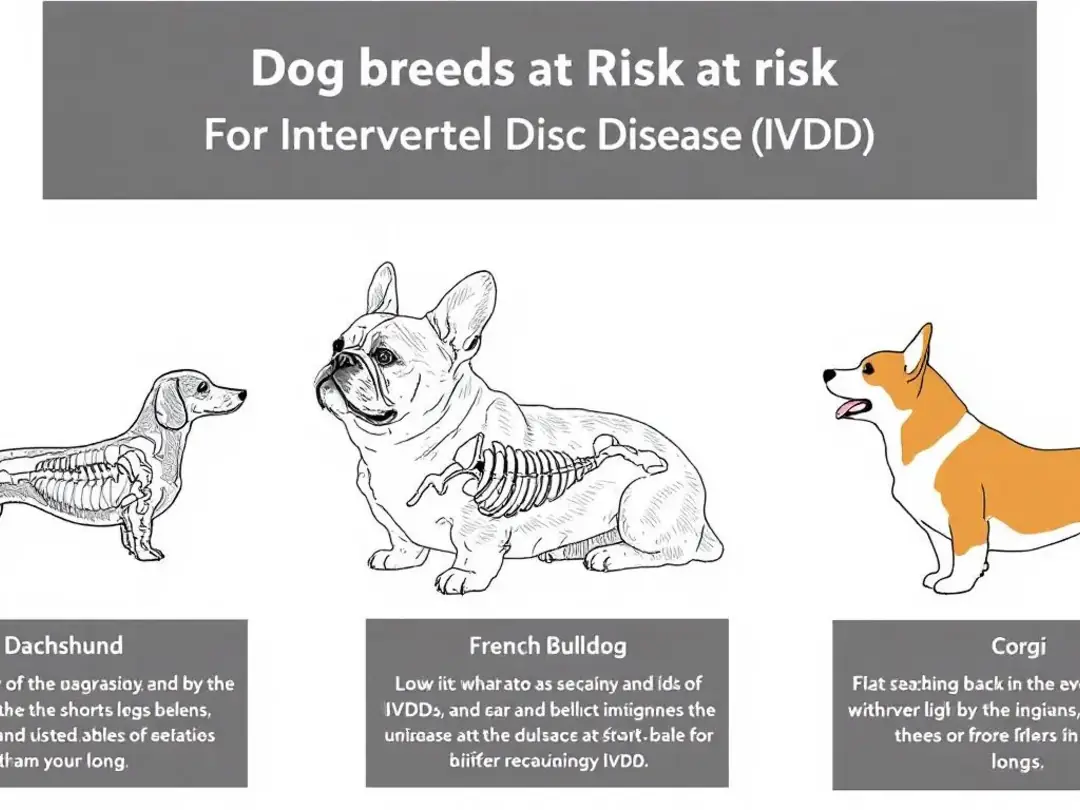
Chondrodystrophic breeds such as Dachshunds, Corgis, French Bulldogs, and several other long-backed or short-legged breeds are at especially high risk. Large breeds can also develop disc disease, but the pattern and age of onset may differ.
Breed risk matters because it changes how quickly owners and veterinarians should react to back pain, weakness, or sudden mobility changes.
In a high-risk breed, a bad back day may not be just a bad back day.

Common Symptoms of Canine IVDD
The symptoms can range from subtle pain to full emergency signs.
Common signs include back or neck pain, reluctance to jump, hunched posture, weakness, wobbliness, dragging limbs, loss of coordination, and in severe cases paralysis or loss of bladder control. Some dogs yelp suddenly, while others just seem stiff, quiet, or unwilling to move normally.
That range is important because IVDD does not always begin with dramatic collapse. Sometimes it starts with pain and hesitation before progressing further.
Early IVDD can whisper before it screams.
Why Early Diagnosis Matters
Time can change the outcome in spinal cord disease.
The longer the spinal cord stays compressed, the greater the risk of lasting neurological damage. Dogs that still have deep pain sensation generally have a much better prognosis than dogs that have already lost it.
That is why sudden weakness, dragging, or paralysis should be treated as urgent. Waiting to see if it "wears off" can cost recovery potential.
In IVDD, delay is not neutral.
How Vets Diagnose IVDD
Diagnosis starts with a physical and neurological exam, but imaging is often needed to confirm the location and severity of the problem. X-rays may suggest changes, but MRI or CT is usually much more useful for identifying disc compression and planning treatment.
The neurological exam also helps determine how severe the injury is and what the recovery outlook may be. That is one reason the exam itself matters so much, even before advanced imaging happens.
Diagnosis is about finding the disc problem and measuring the spinal cord damage it caused.

Treatment Options for Canine IVDD
Treatment depends on severity, speed of progression, and neurological status.
Milder cases may be managed with strict crate rest, pain control, and close monitoring. More severe cases, especially those involving major weakness or paralysis, may need emergency surgery to decompress the spinal cord.
That is why treatment is not one-size-fits-all. A painful but walking dog is a different case from a dog that has lost deep pain sensation.
In IVDD, the right treatment depends on what the spinal cord can still do.

Recovery, Rehabilitation, and Long-Term Care
Recovery often continues long after the first treatment decision.
Many dogs improve with time, rehabilitation, and careful home management. Recovery may involve physical therapy, bladder support, mobility aids, and environmental changes such as ramps or non-slip flooring.
Some dogs return to near-normal function, while others need long-term support. The outcome depends on how severe the injury was and how quickly treatment began.
With IVDD, recovery is often a process, not a moment.
How to Help Reduce Risk
Weight control, avoiding repeated high-impact jumping, using ramps when appropriate, and supporting good body condition can all help reduce spinal stress. These steps cannot erase genetic risk, but they can still matter.
For high-risk breeds, prevention is often about reducing avoidable strain and reacting quickly to early signs rather than assuming the spine will always stay fine.
You cannot change the breed, but you can change the daily load on the back.
When to Seek Emergency Care
Seek emergency veterinary care if your dog suddenly cannot walk, drags limbs, cries out in spinal pain, loses bladder control, or seems to lose feeling in the legs. These are not symptoms to monitor casually at home.
IVDD can move from painful to devastating quickly, and emergency evaluation may protect the chance of recovery.
When the spine changes fast, the response should too.
FAQ
Common Questions About Canine IVDD
These quick answers cover common questions about symptoms, diagnosis, surgery, recovery, and long-term care.
What is canine IVDD?
It is a spinal disc disease that can compress the spinal cord and cause pain, weakness, or paralysis.
Which dogs are most at risk?
Chondrodystrophic breeds such as Dachshunds, Corgis, and French Bulldogs are at especially high risk.
What are common symptoms?
Common signs include back pain, weakness, wobbliness, dragging limbs, and paralysis in severe cases.
Do all dogs with IVDD need surgery?
No. Some milder cases can be managed conservatively, while severe cases may need emergency surgery.
Can dogs recover from IVDD?
Many can, but recovery depends on severity, timing of treatment, and the degree of spinal cord damage.


