
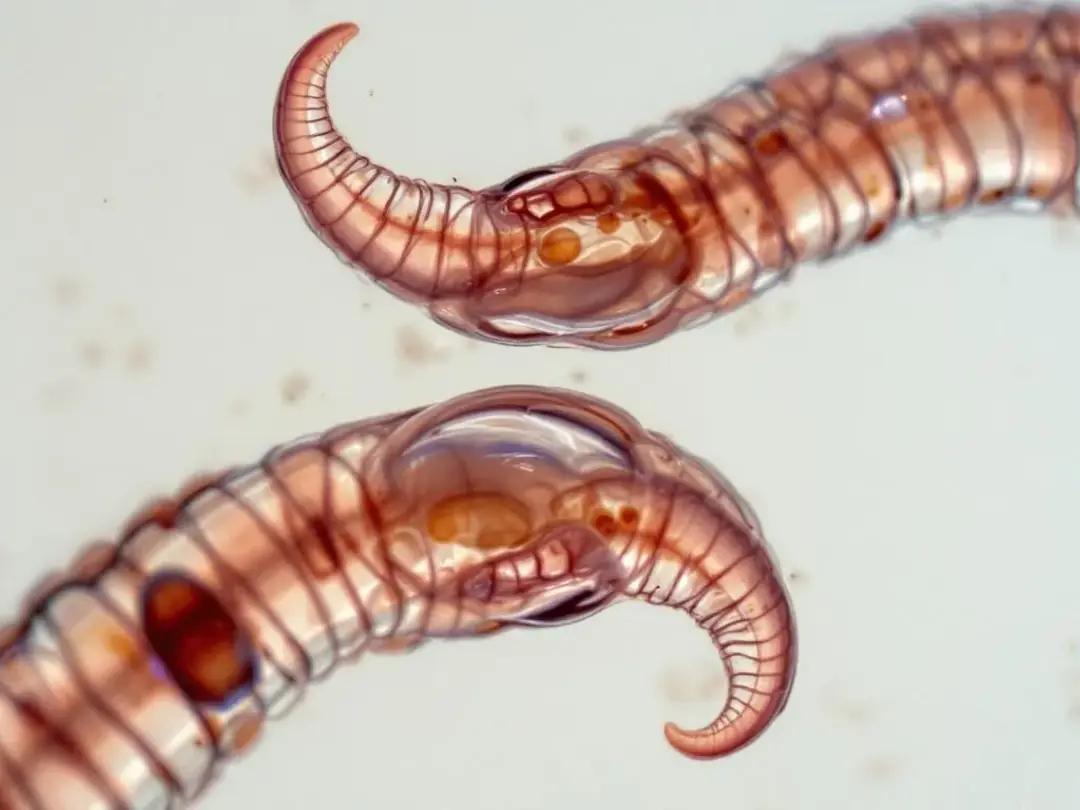

Canine hookworms are blood-feeding intestinal parasites that can cause serious illness, especially in puppies and other vulnerable dogs.
If you are checking intestinal parasites, stool changes, and related dog health concerns, our canine fecal worms guide is a useful next read for a broader look at common worms found in dogs.
Key Takeaways
- Hookworms are intestinal parasites that feed on blood.
- Dogs can become infected through contaminated environments, ingestion, or nursing.
- Common signs include diarrhea, weakness, and anemia.
- Puppies are at especially high risk for severe disease.
- Prevention, sanitation, and follow-up treatment matter because reinfection is common.
What Are Canine Hookworms?
Canine hookworms are small intestinal parasites that attach to the lining of the small intestine and feed on blood. Even though they are tiny, they can cause major problems because the damage is not just from the worms being present, but from the blood loss they create.
That is why hookworms can be especially dangerous in puppies and small dogs. A parasite that seems small on paper can still create a serious medical problem in the body.
With hookworms, size is not a good measure of risk.

How Dogs Get Hookworms
Dogs can pick up hookworms in more than one way.
Dogs may become infected by ingesting larvae from contaminated soil or waste, through skin penetration from contaminated ground, or through nursing from an infected mother. That range of transmission routes is one reason hookworms can be so persistent in some environments.
It also means that prevention is not just about one behavior. It is about the dog's environment, the other animals around it, and the parasite life cycle itself.
Hookworms are easy to underestimate because they are easy to pick up.

Common Symptoms of Hookworms in Dogs
The symptoms often reflect blood loss and intestinal irritation.
Common signs include diarrhea, dark or bloody stool, weakness, pale gums, weight loss, poor growth, and lethargy. In severe cases, especially in puppies, hookworms can cause dangerous anemia and rapid decline.
That is why hookworms are not just a nuisance parasite. In the wrong dog, they can become an emergency.
When a puppy looks weak and pale, hookworms belong on the list fast.

How Vets Diagnose Hookworm Infections
Diagnosis usually starts with fecal testing.
Veterinarians commonly diagnose hookworms through fecal flotation and other stool-based testing. In some cases, blood work is also important, especially if the dog appears anemic or severely affected.
One challenge is that very early infections may not always show eggs right away, which is why the clinical picture still matters. A negative test does not always end the conversation if the dog looks like a hookworm case.
Good diagnosis is not just about the sample. It is about the dog in front of you.
Treatment for Canine Hookworms
Treatment usually involves deworming medication, often with repeat dosing to catch parasites that were not eliminated in the first round. In more serious cases, especially in puppies with anemia, supportive care may also be needed.
That can include nutritional support, monitoring, and in severe situations even emergency care such as fluids or transfusion support. The treatment plan depends on how much damage the hookworms have already done.
Killing the worms is one part. Stabilizing the dog may be the other.
Human Risk and Prevention
Hookworms are not just a dog problem.
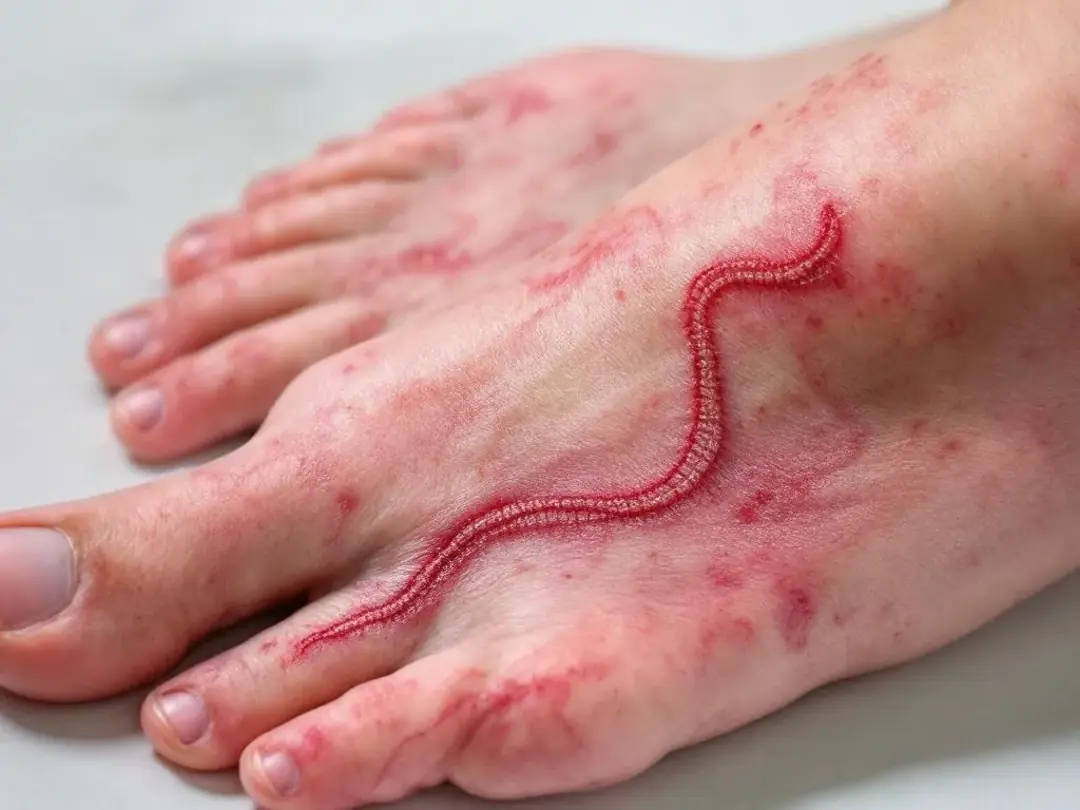
Canine hookworms can also affect people, usually through contact with contaminated soil. Good hygiene, prompt stool cleanup, wearing shoes outdoors, and regular parasite prevention for dogs all help reduce risk.
This is one of the reasons parasite control matters beyond the individual pet. It protects the home environment too.
With hookworms, prevention is pet care and people care at the same time.
When to Call the Vet
Call your veterinarian if your dog has dark or bloody stool, pale gums, weakness, weight loss, poor growth, or any signs of anemia or intestinal illness. Puppies with these signs should be seen especially quickly.
Hookworms are common, but severe hookworm disease is not something to watch casually at home. Early treatment can prevent a much more dangerous situation.
When blood loss is part of the picture, speed matters.
FAQ
Common Questions About Canine Hookworms
These quick answers cover common questions about transmission, symptoms, diagnosis, treatment, and prevention.
What are canine hookworms?
They are blood-feeding intestinal parasites that can cause serious illness in dogs.
How do dogs get hookworms?
Dogs can get them from contaminated environments, ingestion, skin penetration, or nursing.
What are common symptoms?
Common signs include diarrhea, weakness, pale gums, weight loss, and anemia.
Why are puppies at higher risk?
Puppies can become dangerously anemic faster because of their small size and lower blood volume.
Can hookworms affect people?
Yes. Good hygiene, stool cleanup, and parasite prevention help reduce human risk.


