


Canine fecal worms are not always visible in stool, which is why fecal testing matters. A dog can have intestinal parasites even when the poop looks mostly normal, and puppies are especially vulnerable to growth, digestion, and anemia concerns.
If you are building a puppy health plan, read this with our puppy deworming schedule and fecal testing guide. Those pages explain why prevention and testing usually matter more than waiting to see worms.
Key Takeaways
- Common intestinal worms in dogs include roundworms, hookworms, whipworms, and tapeworms.
- Many infections are not obvious without fecal testing.
- Puppies are especially vulnerable to complications from intestinal parasites.
- Treatment depends on the parasite involved and may require repeat dosing.
- Regular prevention and fecal checks are important for both pet and household health.
What Are Canine Fecal Worms?
Canine fecal worms are intestinal parasites that live in a dog's digestive tract and shed eggs, larvae, or visible segments through the stool. Some are easy to miss without testing, while others may be seen in or around the feces.
Owners often use the phrase "worms in poop" to describe what they are seeing, but not every parasite is visible to the naked eye. That is why a normal-looking stool does not always mean a dog is parasite-free.
With intestinal parasites, what you do not see can matter just as much as what you do.
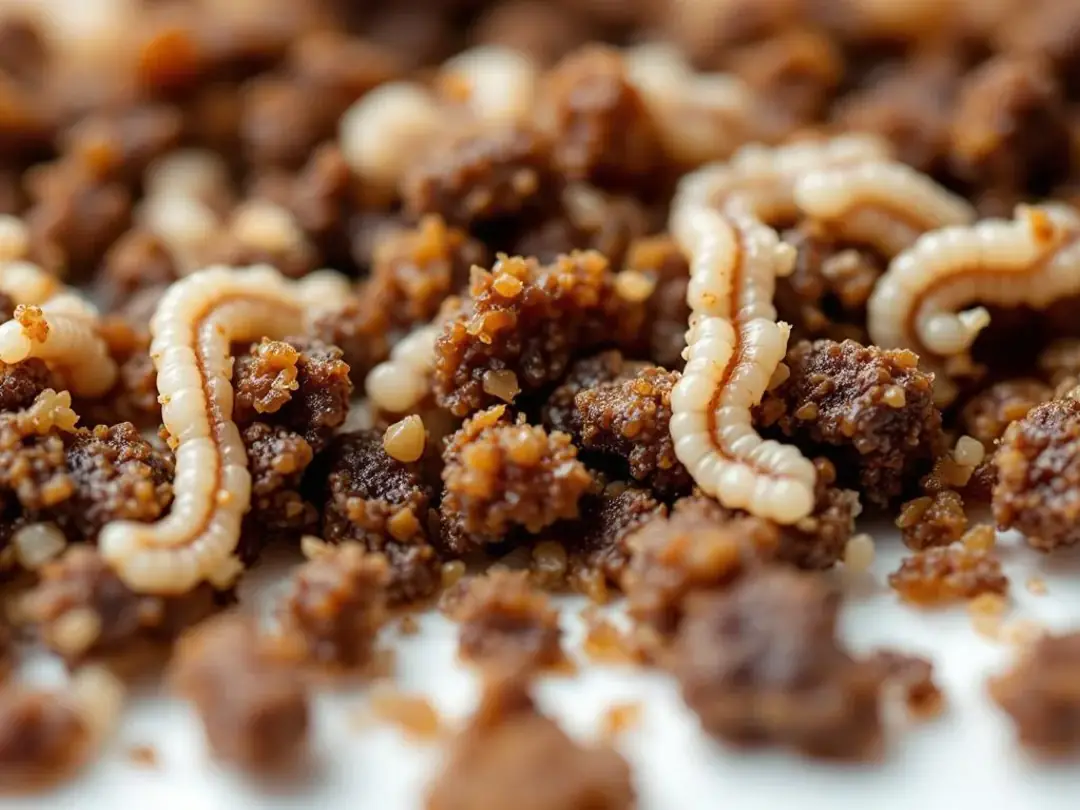
Common Types of Worms Found in Dog Stool
Different parasites behave differently and do not all look the same.
Common intestinal worms in dogs include roundworms, hookworms, whipworms, and tapeworms. Tapeworm segments may sometimes be seen as rice-like pieces, while other parasites are usually identified through microscopic fecal testing rather than direct visual inspection.
That difference matters because owners may assume "no visible worms" means "no worms," which is not a safe assumption.
Some parasites announce themselves. Others need a microscope.
How Dogs Get Intestinal Worms
Dogs can get intestinal parasites through contaminated soil, infected feces, fleas, prey animals, or maternal transmission before or shortly after birth. Puppies are especially vulnerable because some worms can be passed from the mother very early in life.
That is why parasite exposure is not limited to obviously dirty environments. A dog can pick up worms in ordinary outdoor settings, and a puppy can start life already at risk.
Parasite exposure is often more common than owners think.

Common Symptoms of Intestinal Worms in Dogs
Symptoms can range from subtle to severe.
Common signs include diarrhea, vomiting, weight loss, poor growth, a pot-bellied appearance in puppies, scooting, visible segments near the rear, and general poor condition. Some dogs may also show weakness or signs related to blood loss, especially with hookworms.
Not every infected dog looks obviously sick, which is one reason routine testing matters. Some dogs carry parasites with only mild or vague signs.
Parasites can be loud, but they can also be quiet.
How Vets Diagnose Canine Fecal Worms
Veterinarians usually diagnose intestinal parasites through fecal examination. A stool sample is checked for eggs, larvae, or other evidence of infection, and in some cases additional testing may be used.
This is important because the type of parasite affects the treatment plan. A dog with tapeworms is not managed exactly the same way as a dog with whipworms or hookworms.
Good parasite treatment starts with knowing which parasite you are actually treating.
Treatment for Canine Fecal Worms
Treatment usually involves deworming medication chosen for the parasite involved. Some infections need repeat doses because the medication targets one stage of the parasite life cycle better than another.
In more serious cases, especially in puppies or dogs with heavy parasite burdens, supportive care may also be needed. The goal is not just to kill the worms, but to help the dog recover from what the worms have already done.
Clearing the parasite is one part of treatment. Stabilizing the dog may be the other.

How to Help Prevent Intestinal Worms
Prevention is usually easier than dealing with a full infection.
Regular deworming protocols, monthly preventives, prompt stool cleanup, flea control, and routine fecal exams all help reduce risk. Puppies and dogs in higher-exposure environments may need especially careful prevention plans.
Because some intestinal parasites can also affect people, prevention is not just about the dog. It is also about the household.
Parasite control is pet care and public health at the same season.
When to Call the Vet
Call your veterinarian if you see worms or rice-like segments in the stool, if your dog has ongoing diarrhea or vomiting, if a puppy looks pot-bellied or weak, or if your dog is losing weight or acting unwell. Severe bloody diarrhea, weakness, or signs of anemia need faster attention.
Parasites are common, but that does not mean they are harmless. In the wrong dog, especially a young one, they can become serious quickly.
When worms are suspected, guessing is less useful than testing.
Sources Used
References Behind This Guide
The cited resources help frame worms found in dog stool around what families can notice at home and what a veterinarian should evaluate.
FAQ: Common Questions Families Ask
These answers narrow worms found in dog stool to the timing, warning signs, and common misunderstandings families usually need to resolve first.
Can dogs have worms without seeing worms in poop?
Yes. Many intestinal parasites are diagnosed through fecal testing, not by seeing adult worms. Eggs or microscopic stages may be present even when stool looks ordinary.
Which dogs are most at risk?
Puppies, dogs without regular parasite prevention, dogs that eat wildlife or feces, and dogs exposed to contaminated outdoor areas can have higher risk.
Can worms make a dog anemic?
Some parasites, especially hookworms, can contribute to anemia. Pale gums, weakness, poor growth, or black stool should be taken seriously.
How often should fecal testing happen?
Your veterinarian sets the schedule based on age and lifestyle. Puppies are usually tested more often than healthy adults because parasite risk is higher.
Can people catch parasites from dogs?
Some parasites have zoonotic risk. Prompt feces cleanup, handwashing, regular preventives, and veterinary testing help reduce household exposure.
Related Resources
Keep Reading in This Care Cluster
Use the links below when worms found in dog stool raises a follow-up question about prevention, comfort, travel, feeding, or daily care.
Quick Reference Table
| Focus | Why it matters | Useful next step |
|---|---|---|
| Pattern to watch | Canine fecal worms works better when skin is separated from timing, then checked against warning sign. | Canine fecal worms notes should include energy, the recent recovery, and the next symptom record question. |
| Home notes | For canine fecal worms, use treat as the baseline; change schedule only after vet question is understood. | The family can handle canine fecal worms more clearly by naming walk, watching texture, and saving clear signal. |
| Get help sooner | For canine fecal worms, start with bathroom; if trigger shifts, let triage point decide whether to slow down. | The canine fecal worms decision should stay close to pain, especially when pattern or warning sign changes. |
Trusted Records & Registrations
ABCs Puppy Zs
Official parent records, litter registration details, microchip protection, health documentation, and DNA testing are shown clearly for every puppy family.


