


Canine hemorrhagic gastroenteritis, now more often called acute hemorrhagic diarrhea syndrome, is a sudden and potentially life-threatening digestive emergency in dogs.
If you are researching severe digestive emergencies and bloody diarrhea in dogs, our why is my dog throwing up guide is a useful next read if vomiting is happening alongside the diarrhea.
Key Takeaways
- AHDS causes sudden bloody diarrhea and often vomiting.
- It can become dangerous quickly because of severe fluid loss.
- Small and toy breeds are commonly affected, but any dog can develop it.
- Prompt veterinary treatment, especially fluid therapy, is critical.
- Most dogs recover well when treated early.
What Is Canine Hemorrhagic Gastroenteritis?
Canine hemorrhagic gastroenteritis is the older name for what is now commonly called acute hemorrhagic diarrhea syndrome, or AHDS. It is marked by the sudden onset of severe bloody diarrhea, often with vomiting, in a dog that may have seemed normal just hours earlier.
What makes AHDS so serious is not just the blood. It is the speed and severity of the fluid loss. Dogs can become dangerously dehydrated and unstable very quickly.
With AHDS, the timeline matters almost as much as the symptoms.
What Causes AHDS in Dogs?
The exact cause of AHDS is still not fully understood. Researchers have looked at bacterial toxins, stress, dietary indiscretion, and other triggers, but the condition is still considered a syndrome rather than one single clearly defined disease.
That means owners should not get too focused on finding one perfect explanation at home. The more important issue is recognizing the emergency and getting the dog treated.
With AHDS, the cause may be uncertain even when the urgency is not.
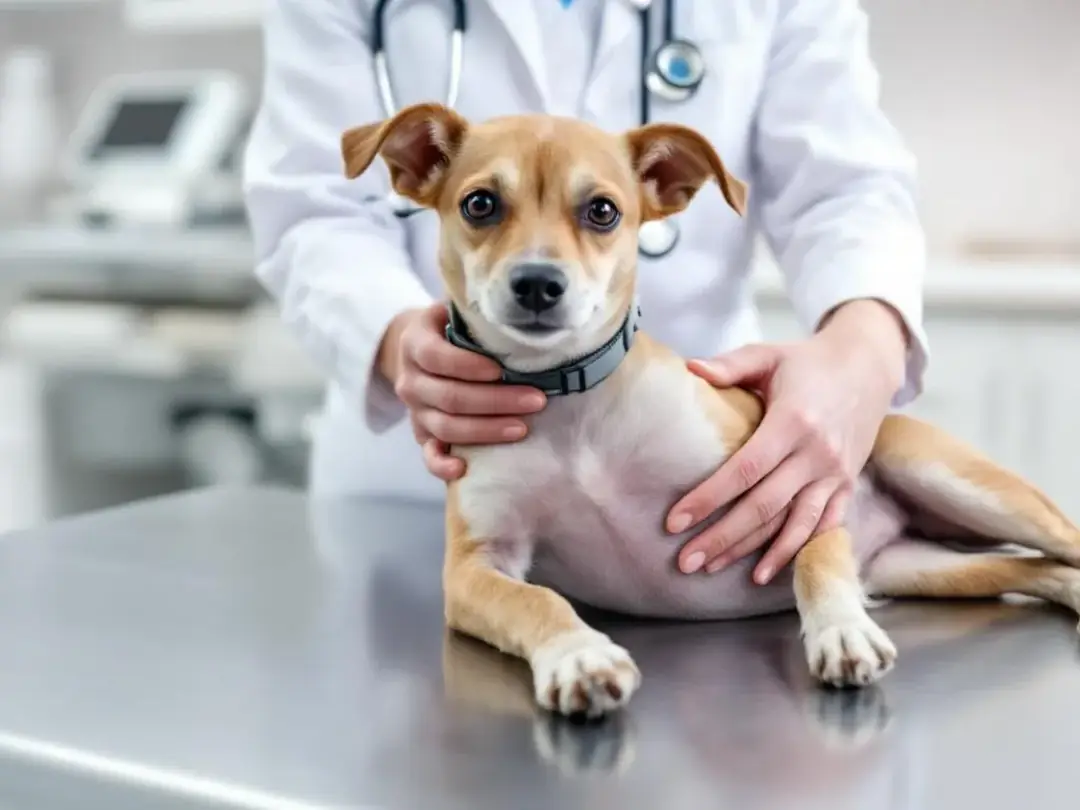
Common Symptoms of Canine Hemorrhagic Gastroenteritis
The presentation is usually dramatic and hard to ignore.
Common signs include sudden bloody diarrhea, vomiting, weakness, lethargy, abdominal pain, and rapid dehydration. The stool is often described as very watery and may look like raspberry jam because of the blood content.
Some dogs decline fast enough that they seem much sicker within hours. That is why owners should not wait to see if the dog "settles down" on its own.
When the diarrhea is bloody and the dog is crashing, this is not a casual stomach upset.
How Vets Diagnose AHDS
Diagnosis is based on the pattern and on ruling out other serious causes.
Veterinarians use history, physical exam, blood work, fecal testing, and other diagnostics to evaluate a dog with sudden bloody diarrhea. One classic clue is a very high packed cell volume caused by severe fluid loss.
The goal is not only to recognize AHDS, but also to make sure the dog is not dealing with something else such as parvovirus, parasites, pancreatitis, or another major gastrointestinal problem.
AHDS is often diagnosed by the pattern, but the workup still matters.
Treatment for Canine Hemorrhagic Gastroenteritis
Intravenous fluid therapy is the core treatment because dehydration and shock risk are the biggest immediate threats. Dogs may also need anti-nausea medication, gastrointestinal support, monitoring, and other supportive care depending on how sick they are.
Antibiotics are not automatically needed in every case. Treatment decisions depend on the dog's condition, lab findings, and whether there is concern for sepsis or another complicating factor.
With AHDS, supportive care is not secondary. It is the treatment.

Recovery and Prognosis
Most dogs do well when treatment starts early.
Many dogs improve quickly once fluids and supportive care are started, often within a day or two. The prognosis is generally good with prompt treatment, but the condition can be life-threatening if care is delayed.
That is why owners should not judge the seriousness by whether the dog is still standing or alert in the first few hours. AHDS can worsen fast.
Early treatment often makes the difference between a short crisis and a much bigger one.
How to Help Reduce Future Risk
Because the exact cause is not fully known, prevention is not perfect. Still, consistent feeding, avoiding dietary indiscretion, reducing stress where possible, and keeping up with routine veterinary care may help lower risk.
Dogs that have had AHDS before may deserve extra caution during diet changes, stressful events, or any time digestive signs begin again.
Prevention is not guaranteed, but attention still matters.
When to Seek Emergency Care
Seek emergency veterinary care right away if your dog has sudden bloody diarrhea, repeated vomiting, weakness, collapse, pale gums, or signs of dehydration. Do not try to manage severe bloody diarrhea at home and hope it passes.
AHDS is one of those conditions where waiting can make the dog much harder to stabilize. Fast treatment is the safest move.
When the stool is bloody and the dog is fading, go now.
FAQ
Common Questions About Canine Hemorrhagic Gastroenteritis
These quick answers cover common questions about bloody diarrhea, emergency treatment, recovery, and what AHDS means.
What is canine hemorrhagic gastroenteritis?
It is the older name for acute hemorrhagic diarrhea syndrome, a sudden and serious condition causing bloody diarrhea and often vomiting.
Is AHDS an emergency?
Yes. It can become life-threatening quickly because of severe fluid loss and shock risk.
What are common symptoms?
Common signs include sudden bloody diarrhea, vomiting, weakness, abdominal pain, and dehydration.
How is AHDS treated?
Treatment usually centers on IV fluids and supportive care, with other therapies added as needed.
Do most dogs recover?
Most dogs recover well when treatment starts promptly.


