


Canine dementia, also called cognitive dysfunction, is an age-related decline in brain function that can change a senior dog's sleep, behavior, memory, and daily routines.
If you are researching senior dog behavior and age-related health changes, our canine cataracts guide is a useful next read for another common issue seen in aging dogs.
Key Takeaways
- Canine dementia is a progressive cognitive decline seen in some senior dogs.
- Common signs include disorientation, sleep changes, house soiling, anxiety, and altered social behavior.
- Diagnosis usually involves ruling out other medical causes first.
- There is no cure, but treatment and home support can help many dogs function better.
- Early recognition can improve quality of life for both the dog and the family.
What Is Canine Dementia?
Canine dementia, often called canine cognitive dysfunction, is a progressive decline in brain function that affects some older dogs. It is often compared to dementia or Alzheimer's-like changes in humans because it can alter memory, awareness, sleep, and behavior.
Owners often first notice that their dog just seems "off" in ways that are hard to explain. The dog may still be physically present and familiar, but daily patterns begin to change in ways that do not feel like normal aging alone.
Canine dementia is not just getting older. It is getting cognitively different.
Common Signs of Canine Dementia
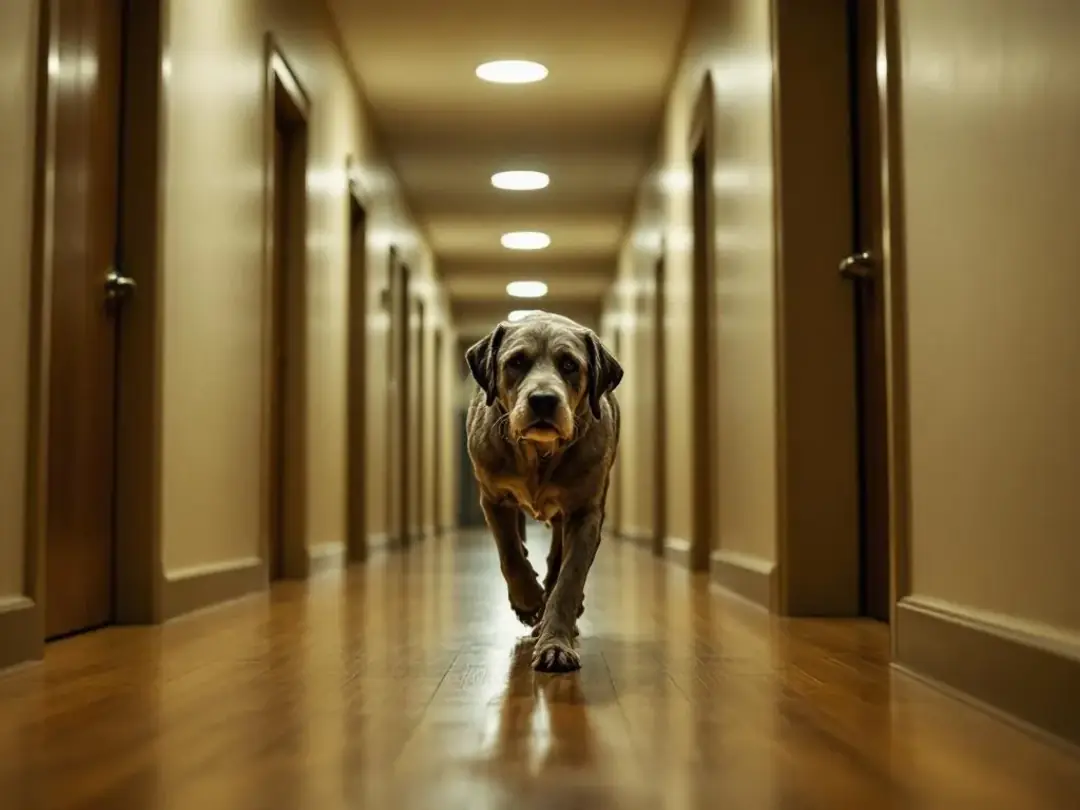
Common signs include disorientation, staring into space, getting stuck in corners, changes in sleep patterns, nighttime restlessness, house soiling, increased anxiety, and altered interaction with people or other pets.
Some dogs become more withdrawn. Others become clingier or more unsettled. The pattern can vary, but the key feature is a change in normal behavior that keeps repeating.
With canine dementia, the dog often seems less sure of the world it used to know well.
Why Diagnosis Matters
Not every senior dog behavior change is dementia.
Vision loss, hearing loss, pain, endocrine disease, neurological problems, and other medical issues can all mimic parts of canine dementia. That is why diagnosis usually means ruling out other causes first.
A dog that seems confused may actually be unable to see well, hear well, or move comfortably. The behavior may look cognitive when the root problem is something else.
Before calling it dementia, it is important to make sure it is not something more treatable.

Treatment and Supportive Care
There is no cure, but there are ways to help.
Treatment may include medication, supplements, diet support, environmental changes, and routines that reduce confusion and anxiety. Some dogs benefit from cognitive support plans that help them stay more settled and functional for longer.
The goal is not to reverse aging. The goal is to improve comfort, reduce distress, and preserve quality of life as much as possible.
With canine dementia, supportive care is often the real treatment.

How to Help a Dog With Dementia at Home
Home setup can make a major difference.
Keeping routines consistent, reducing nighttime confusion, using night lights, avoiding unnecessary furniture changes, and making food, water, and rest areas easy to find can all help. Some dogs also do better with more frequent bathroom breaks and calmer evening routines.
These changes may seem small, but for a confused senior dog they can reduce stress in a very real way.
Supportive care often works best when it makes the world simpler, not busier.

When to Talk to Your Veterinarian
The earlier you bring it up, the more options you usually have.
Talk to your veterinarian if your senior dog is pacing at night, getting lost in familiar spaces, forgetting routines, having new accidents, or acting unusually anxious or detached. Even if the changes seem mild, they are worth discussing.
Early recognition can help rule out other causes and start supportive care sooner, which often makes life easier for both the dog and the household.
With senior behavior changes, "wait and see" is not always the kindest plan.
FAQ
Common Questions About Canine Dementia
These quick answers cover common questions about signs, diagnosis, treatment, and how to support a senior dog with cognitive decline.
What is canine dementia?
It is an age-related decline in brain function that affects memory, behavior, sleep, and daily routines.
What are common signs?
Common signs include disorientation, sleep changes, house soiling, anxiety, and altered social behavior.
Can other problems look like dementia?
Yes. Vision loss, hearing loss, pain, and other medical issues can mimic some of the same signs.
Is there a cure?
No, but treatment and supportive care can help many dogs function better and feel less distressed.
How can I help at home?
Keep routines consistent, simplify the environment, and work with your vet on supportive care.


