
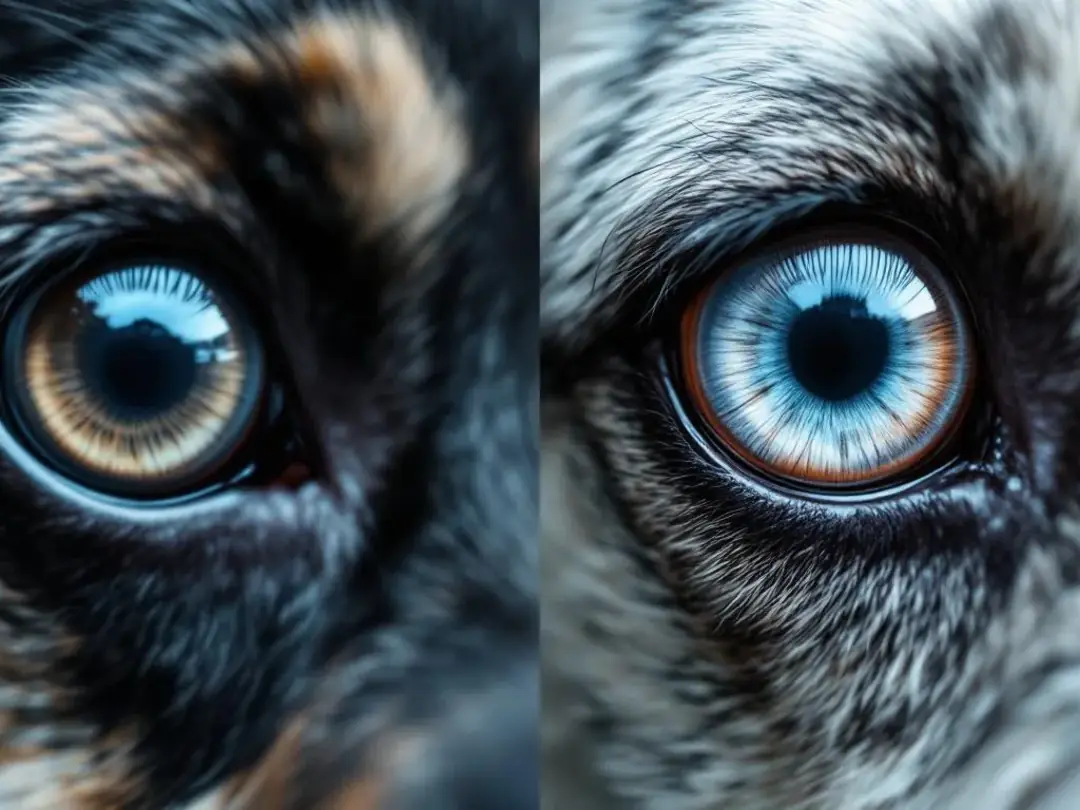

Canine cataracts are lens changes that can reduce vision and, in some dogs, progress to major sight loss if not managed appropriately.
If you are researching dog eye health and age-related conditions, our Goldendoodle FAQ page is a useful next read for broader dog care questions.
Key Takeaways
- Cataracts are opacities in the lens that interfere with vision.
- Common causes include heredity, diabetes, aging changes, and eye injury.
- Cloudy eyes do not always mean cataracts, so diagnosis matters.
- Surgery is the main treatment that can restore vision in appropriate cases.
- Untreated cataracts can lead to additional eye problems in some dogs.
What Are Canine Cataracts?
Cataracts are opacities in the lens of the eye. Instead of staying clear and allowing light to pass through normally, the lens becomes cloudy and interferes with vision.
That cloudiness can be small at first or become extensive enough to cause major visual impairment. The important point is that cataracts affect the lens itself, not just the surface appearance of the eye.
With cataracts, the problem is not just that the eye looks cloudy. It is that vision is being blocked.
Common Causes of Cataracts in Dogs
Hereditary factors and diabetes are two of the most common causes, but cataracts can also develop after eye injury, inflammation, or other health problems. Some dogs are simply more predisposed than others.
That is why cataracts can show up in a young dog with a genetic tendency or in an older dog with a medical condition. The same visible problem can come from very different underlying reasons.
The cloudy lens may look similar from dog to dog, but the cause behind it may not be.
Signs and Symptoms of Canine Cataracts
Owners often notice both eye changes and behavior changes.
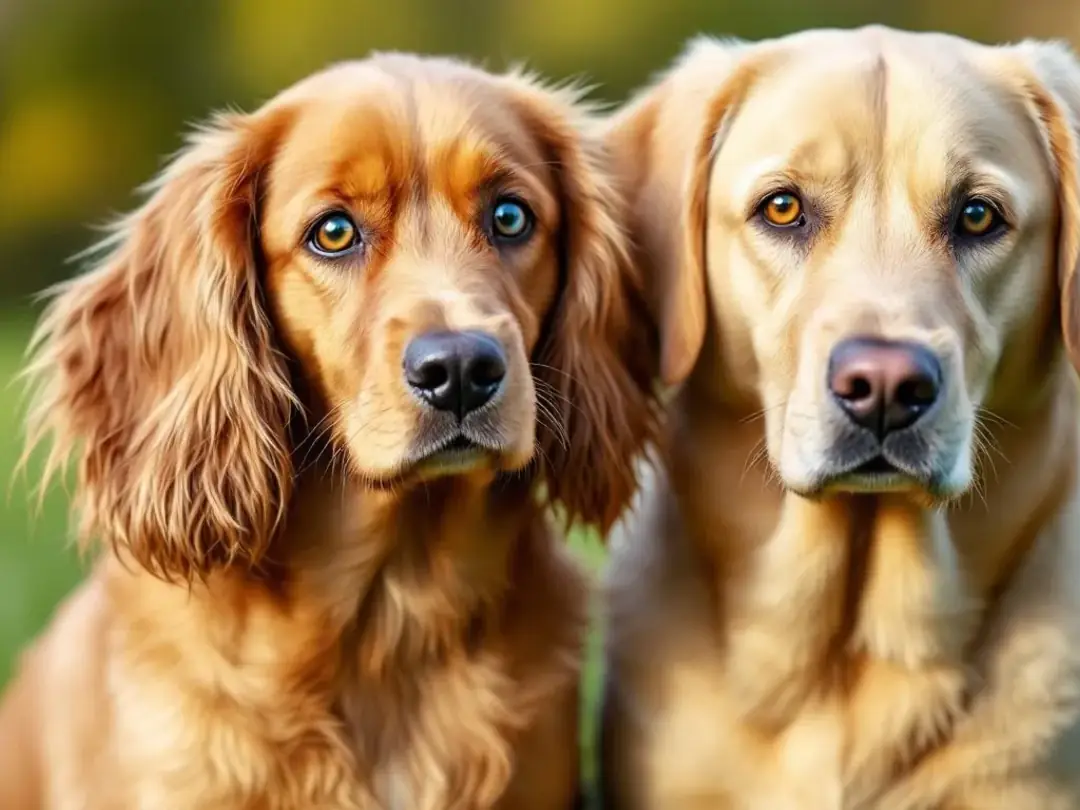
You may notice a cloudy, white, or gray appearance in the eye. Some dogs also begin bumping into objects, hesitating on stairs, struggling in dim light, or acting less confident in unfamiliar spaces.
Not every dog shows obvious signs right away, especially if only one eye is affected or the change is slow. Dogs can compensate surprisingly well for a while.
Sometimes the eye tells you first. Sometimes the dog's behavior does.
Cloudy Eyes Do Not Always Mean Cataracts
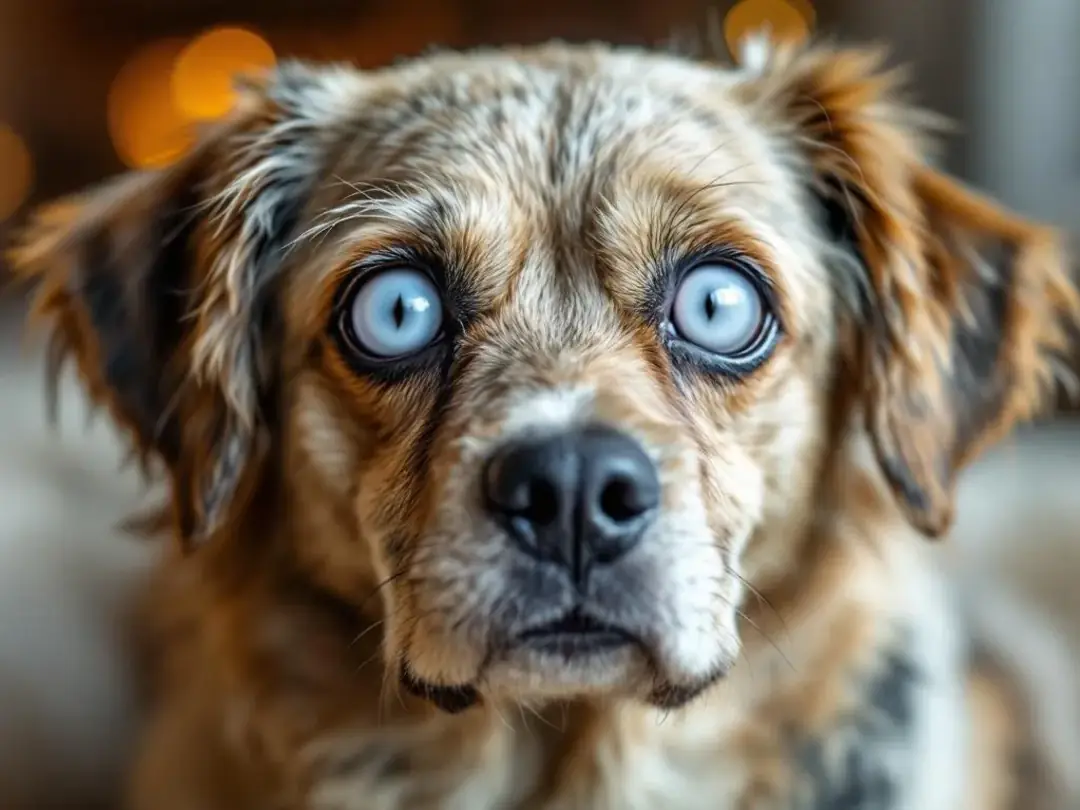
One important point is that not every cloudy-looking eye is a cataract. Older dogs often develop normal age-related lens changes that can look bluish or hazy without causing the same kind of vision loss.
That is why owners should not diagnose cataracts by appearance alone. A veterinary eye exam is what separates a true cataract from other conditions that may look similar.
Cloudy is a clue, not a conclusion.
How Cataracts Affect Vision
As cataracts become denser, they block more light from reaching the retina. That means vision becomes less clear and may eventually be severely reduced or lost in the affected eye.
The effect depends on how much of the lens is involved and how quickly the cataract progresses. Some dogs lose vision gradually, while others decline much faster, especially when diabetes is involved.
With cataracts, progression matters as much as presence.
Cataract Surgery in Dogs
Surgery is the main treatment that can restore vision in the right cases.
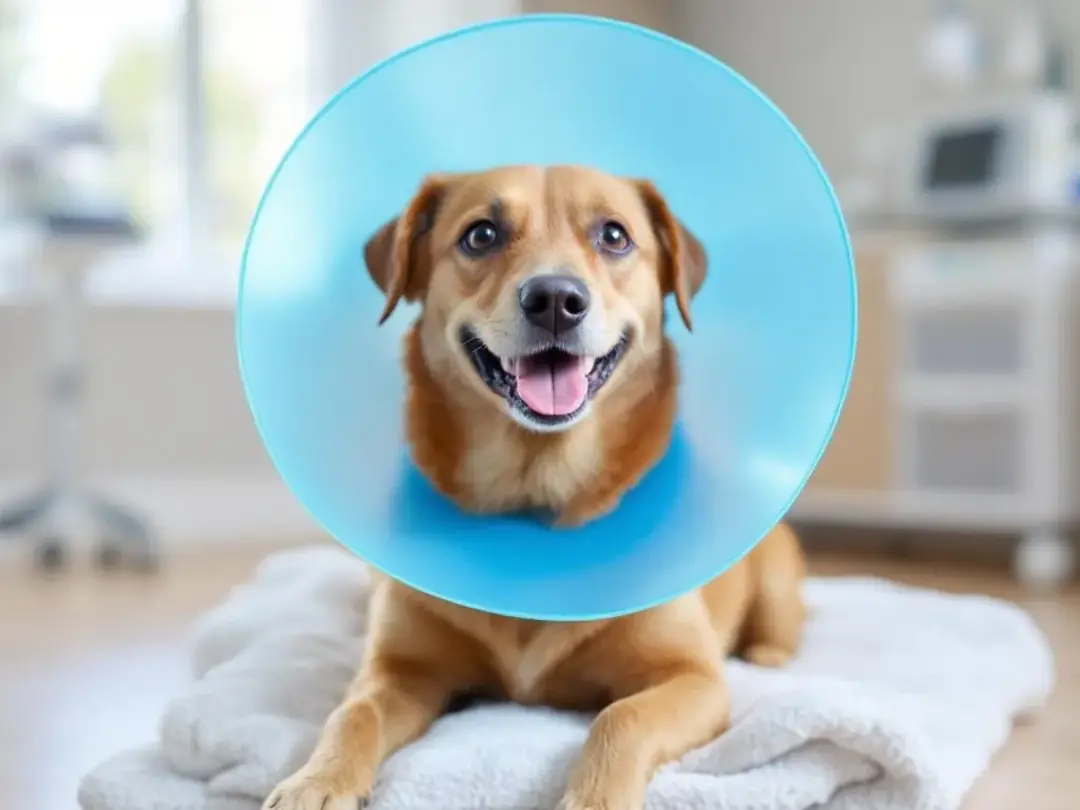
Cataract surgery removes the cloudy lens and is the only treatment that can actually restore sight when the dog is a good candidate. Not every dog qualifies, which is why pre-surgical testing and specialist evaluation matter.
When surgery is appropriate and done early enough, outcomes can be very good. But timing, eye health, and the presence of other disease all affect the result.
With cataracts, surgery is not automatic, but it is often the real treatment option.
When Cataracts Should Be Evaluated Promptly
Waiting too long can make the situation harder to manage.
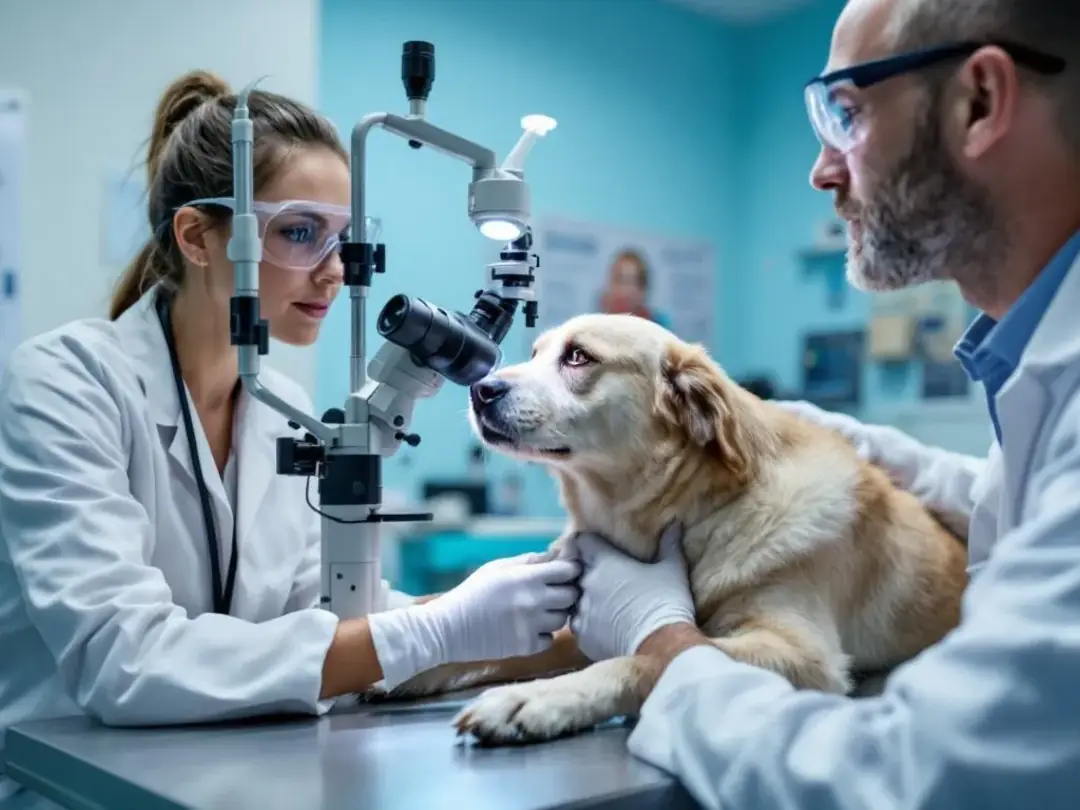
Untreated cataracts can lead to inflammation, glaucoma, and other secondary eye problems in some dogs. That is one reason early evaluation matters, even if the dog still seems to be coping reasonably well.
The goal is not just to label the cataract. It is to understand whether the eye is still healthy enough for treatment and whether complications are already starting.
With eye disease, delay can quietly narrow your options.
Living With a Dog That Has Cataracts
Dogs can often adapt surprisingly well to reduced vision, especially when the change is gradual. Keeping furniture consistent, using verbal cues, and helping the dog navigate safely can make a big difference.
That said, adaptation is not the same thing as treatment. A dog may cope with vision loss and still have an eye condition that deserves medical attention.
Good adaptation helps the dog live better. It does not replace diagnosis or care.
When to Call the Vet
Any new cloudiness or vision change is worth discussing with your vet.
Call your veterinarian if you notice cloudy eyes, bumping into objects, hesitation in dim light, eye redness, squinting, or signs of eye pain. If the change seems sudden, especially in a diabetic dog, do not put it off.
Eye problems can move from cosmetic-looking to medically important faster than owners expect.
When vision changes, it is better to be early than late.
FAQ
Common Questions About Canine Cataracts
These quick answers cover common questions about cloudy eyes, causes, surgery, and when cataracts need faster attention.
What are canine cataracts?
They are opacities in the lens that interfere with normal vision.
What causes cataracts in dogs?
Common causes include heredity, diabetes, injury, and other eye or health problems.
Do cloudy eyes always mean cataracts?
No. Other eye changes can also make the eyes look cloudy, so diagnosis matters.
Can cataracts be treated without surgery?
Surgery is the main treatment that can restore vision. Other care may help manage complications but does not remove the cataract.
When should I call the vet?
Call if you notice new cloudiness, vision changes, redness, squinting, or signs of eye pain.


