
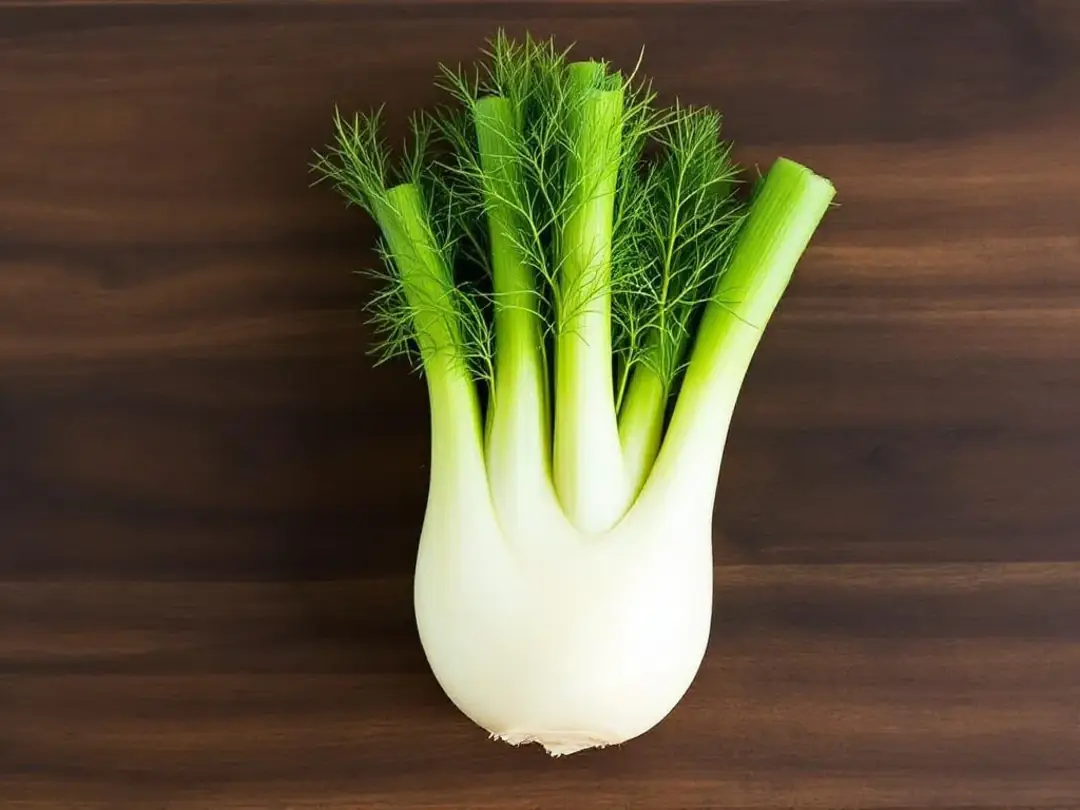

Yes, dogs can have fennel in small amounts when it is prepared simply and served appropriately.
If you are checking herbs and vegetables that may be safe for dogs, our what should dogs not eat guide is a useful next read for broader food-safety context.
Key Takeaways
- Fennel is generally safe for dogs in moderation.
- The bulb, fronds, and seeds can all be used carefully.
- Too much fennel may cause digestive upset.
- Essential oils and concentrated extracts should be avoided.
- Dogs with health issues or medication needs may need veterinary guidance first.
Is Fennel Safe for Dogs?
Yes, fennel is generally considered safe for dogs when given in moderation. That includes the bulb, fronds, and seeds, as long as they are offered in sensible amounts and prepared in a simple way.
The important distinction is between normal culinary fennel and concentrated fennel products. Fresh or dried fennel used as a small food addition is one thing. Essential oils and strong extracts are another and should not be treated the same way.
With fennel, the form matters as much as the ingredient.
Fennel Safety at a Glance
| Fennel Form | Safe or Not? | Notes |
|---|---|---|
| Fresh fennel bulb | Yes | Safe in small pieces |
| Fennel fronds | Yes | Best used in small amounts |
| Fennel seeds | Yes | Use sparingly |
| Fennel essential oil | No | Too concentrated for dogs |
| Heavily seasoned fennel dishes | No | Added ingredients may be unsafe |
Why Some Owners Give Dogs Fennel
Owners usually look at fennel because it is associated with digestion, fresh breath, and light plant-based nutrition. In small amounts, it can fit into that role for some dogs.
That does not mean every dog needs fennel, or that it should become a daily supplement by default. It just means it can be a reasonable occasional add-in when the dog tolerates it well.
Fennel is an option, not a requirement.
Which Parts of Fennel Are Safe?
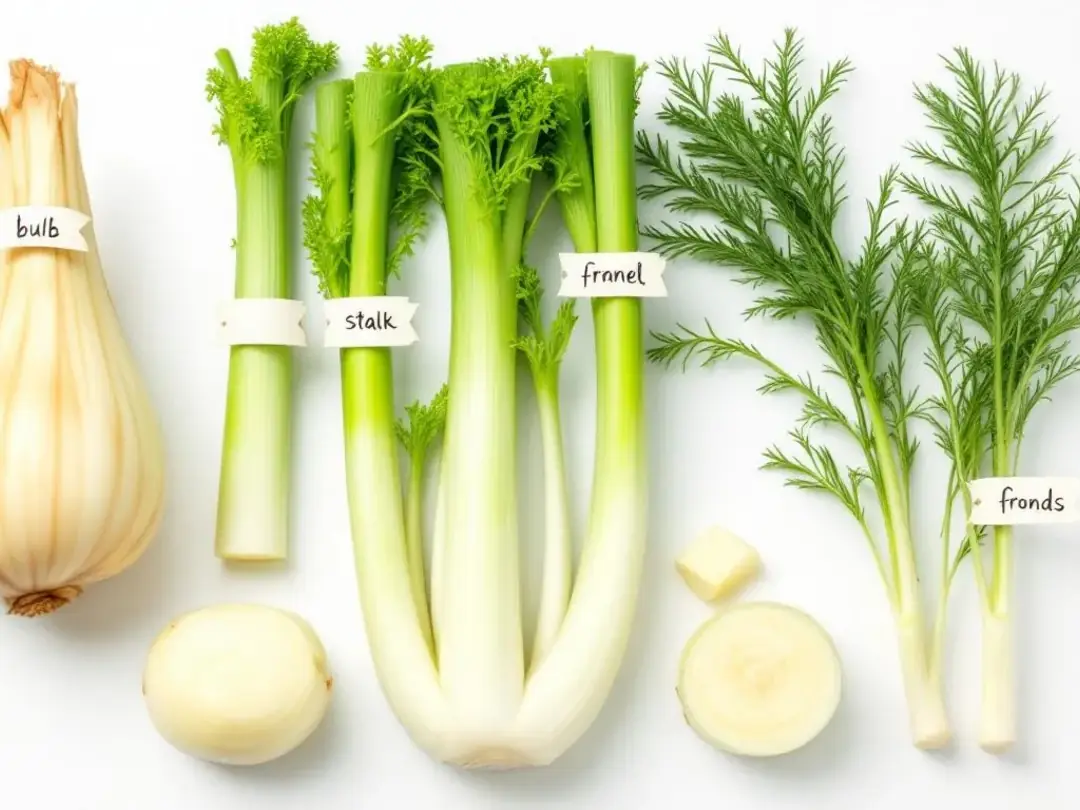
The bulb, fronds, and seeds can all be used carefully.
The bulb is the easiest part for most owners to work with because it can be chopped into small pieces. The fronds can be used more like a garnish, and the seeds can be used in very small amounts.
What you do not want to do is assume that because the plant is safe, every fennel-based product is safe. Concentrated oils and extracts are a different category entirely.
Whole-food fennel is the safer lane.
How to Safely Give Fennel to Your Dog
Preparation and portion size are what keep fennel in the safe zone.
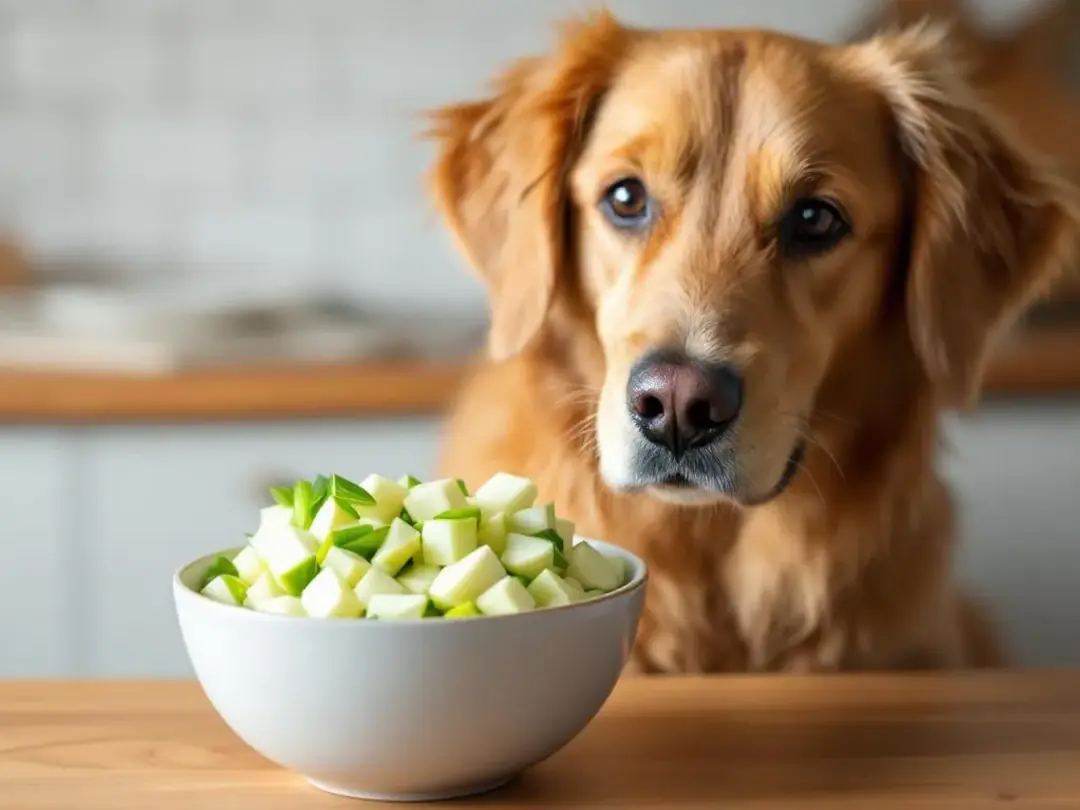
Wash fennel well, cut it into small dog-appropriate pieces, and serve it plain. Avoid garlic, onions, butter, salt, and seasoning blends. Those additions are often a bigger problem than the fennel itself.
Start with a very small amount mixed into regular food rather than offering a large serving all at once. That makes it easier to see how your dog handles it.
With fennel, simple preparation is the safest preparation.
How Much Fennel Can a Dog Have?
Only a small amount is needed. Fennel should stay in the treat or add-in category, not become a major part of the dog's diet. A few small pieces or a light sprinkle is usually enough.
Smaller dogs need less, and dogs with sensitive digestion may need very little or none at all. If you are trying fennel for the first time, smaller is always the better starting point.
With fennel, moderation is the rule that keeps the answer yes.

Potential Risks and Side Effects
The most common problem with fennel is simply giving too much.
Too much fennel may cause diarrhea, vomiting, gas, or general stomach discomfort. Some dogs may also show signs of sensitivity or dislike the taste enough to reject food mixed with it.
Allergic reactions are less common, but any new food can still be the wrong fit for an individual dog. If symptoms appear after introducing fennel, stop offering it and see whether things improve.
Even safe herbs can become a problem when the amount is careless.
When to Ask Your Veterinarian First
If your dog has digestive disease, food sensitivities, chronic illness, or takes regular medication, it is smart to ask your veterinarian before adding fennel. The same goes for pregnant or nursing dogs.
That does not mean fennel is dangerous by default. It means context matters, and some dogs need a more careful answer than a general food guide can provide.
When health history is complicated, the internet should not be the final word.
FAQ
Common Questions About Dogs and Fennel
These quick answers cover common questions about safe fennel parts, serving size, digestion, and when to be more cautious.
Can dogs have fennel?
Yes, in small amounts, when it is prepared simply.
Which parts of fennel are safe for dogs?
The bulb, fronds, and seeds can all be used carefully in moderation.
Can too much fennel upset a dog's stomach?
Yes. Too much may cause diarrhea, vomiting, gas, or stomach discomfort.
Are fennel essential oils safe for dogs?
No. Concentrated fennel oils and extracts should be avoided.
Should I ask my vet before giving fennel?
Yes, especially if your dog has health issues, food sensitivities, or takes medication.


