
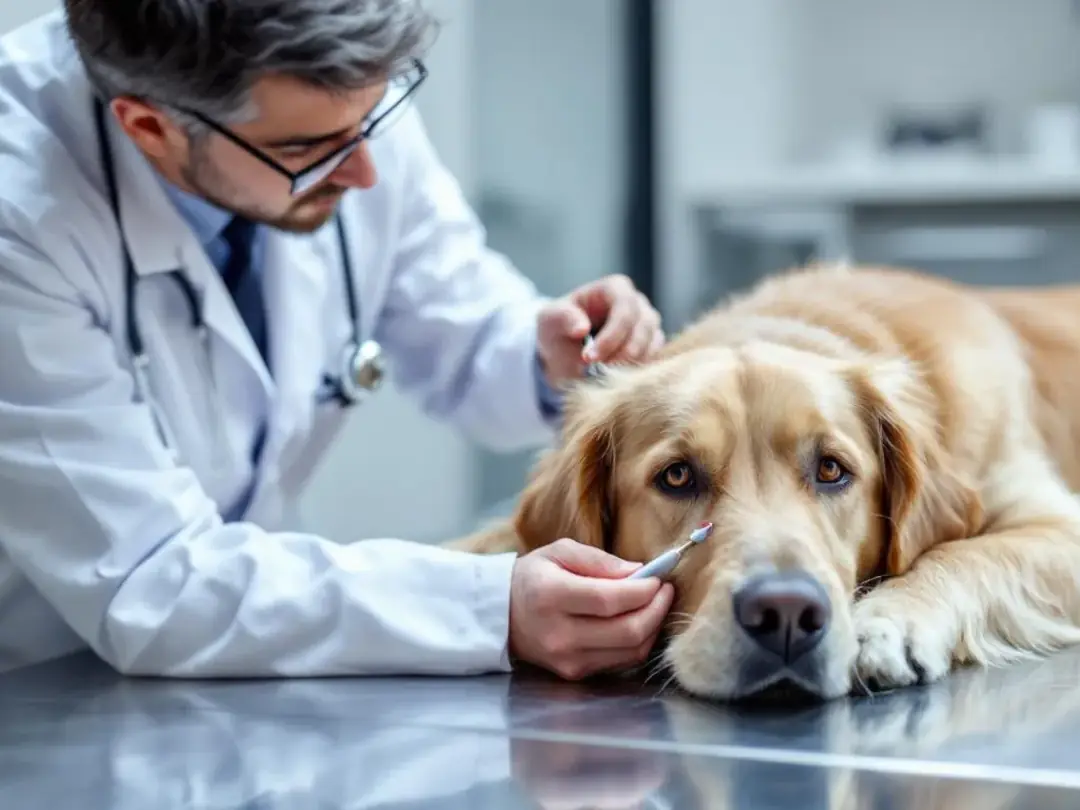

Yes, dogs can get concussions. Head trauma in dogs is real, and the signs can be easy to miss if you do not know what to look for. That is why any significant blow to the head should be taken seriously.
If you are researching dog injuries and emergency warning signs, our why is my dog throwing up and acid reflux in dogs guides may also help when you are trying to sort out symptoms, but head trauma is one of those cases where veterinary attention matters more than home guessing.
Key Takeaways
- Dogs can suffer concussions after head trauma.
- Falls, car accidents, collisions, and fights are common causes.
- Warning signs can include disorientation, vomiting, balance problems, and unusual behavior.
- Any loss of consciousness or serious neurological sign is an emergency.
- Prompt veterinary care is the safest response after suspected head injury.
Can Dogs Get Concussions?
Yes. A dog can suffer a concussion after a blow to the head or a forceful impact that causes the brain to move inside the skull. In practical terms, that means dogs can absolutely experience concussion-type brain injury after trauma.
The challenge is that dogs cannot tell you they feel dizzy, foggy, or headachy. So owners have to rely on visible signs and behavior changes instead of verbal symptoms.
That is why dog concussions are real, but they are often recognized by observation rather than by the dog "saying" anything is wrong.
Common Causes of Concussions in Dogs
Concussions in dogs usually happen after some kind of significant impact. Car accidents, falls, rough collisions, dog fights, or being struck by an object are all common examples.
Smaller dogs can be especially vulnerable because what seems like a minor fall to a person can be a much bigger event for a small body. But larger dogs are not immune either, especially in high-speed or high-force situations.
If the head took a hard hit, concussion should be on the list of possibilities.
Concussion Warning Signs at a Glance
| Possible Sign | Why It Matters |
|---|---|
| Loss of consciousness | Emergency sign that needs immediate veterinary care |
| Vomiting after head trauma | Can suggest brain injury or rising concern after impact |
| Balance problems or stumbling | May reflect neurological disruption |
| Unequal pupils or unusual eye movement | Potentially serious neurological sign |
| Confusion or behavior change | Can be one of the clearest signs something is wrong |

Signs a Dog May Have a Concussion
The signs are often neurological or behavioral rather than obvious external wounds.
You may see disorientation, stumbling, unusual sleepiness, vomiting, trouble standing, odd eye movements, unequal pupils, or a dog that simply does not seem like itself. Some dogs may appear confused, withdrawn, or unusually reactive after head trauma.
Loss of consciousness, seizures, or severe collapse are especially urgent signs. But even milder changes after a head injury should not be brushed off just because the dog is still awake.
After head trauma, "acting weird" is enough reason to take the situation seriously.
What to Do Right Away
If you suspect a concussion, keep your dog as calm and still as possible and contact a veterinarian right away. Do not encourage activity, rough movement, or excitement after a head injury.
If your dog is unconscious, having seizures, struggling to stand, or showing severe neurological signs, this is an emergency. Transport should be careful and controlled, with as little extra movement as possible.
With head trauma, the safest first move is not home treatment. It is veterinary evaluation.
When It Is an Emergency
Any loss of consciousness, seizure activity, repeated vomiting, obvious collapse, or major balance problem after head trauma should be treated as an emergency. The same is true if your dog's pupils look uneven or the dog seems to be getting worse instead of better.
Head injuries are not something to "watch for a few days" without guidance when serious signs are present. Brain injury can worsen after the initial impact, which is one reason fast evaluation matters so much.
If the signs are strong, do not wait for them to become stronger.
How Vets Diagnose and Treat Dog Concussions
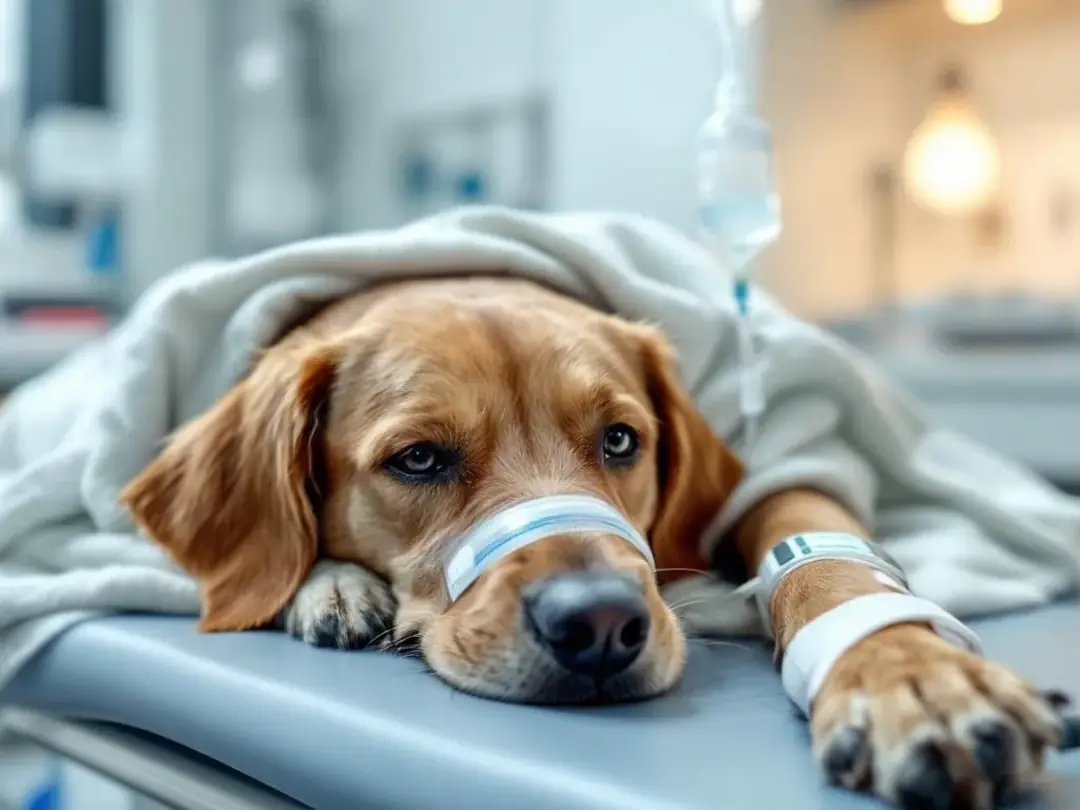
Diagnosis is usually based on the trauma history, the dog's symptoms, and a neurological exam.
Veterinarians may assess consciousness, pupil response, coordination, reflexes, and overall neurological status. In some cases, imaging or additional monitoring may be needed, especially if the injury appears more severe or if other trauma is suspected.
Treatment often focuses on stabilization, monitoring, rest, and managing complications. The exact plan depends on how serious the injury appears and whether the dog is improving or declining.
Concussion care is not just about the initial hit. It is about what the brain does afterward.
Recovery and Rest
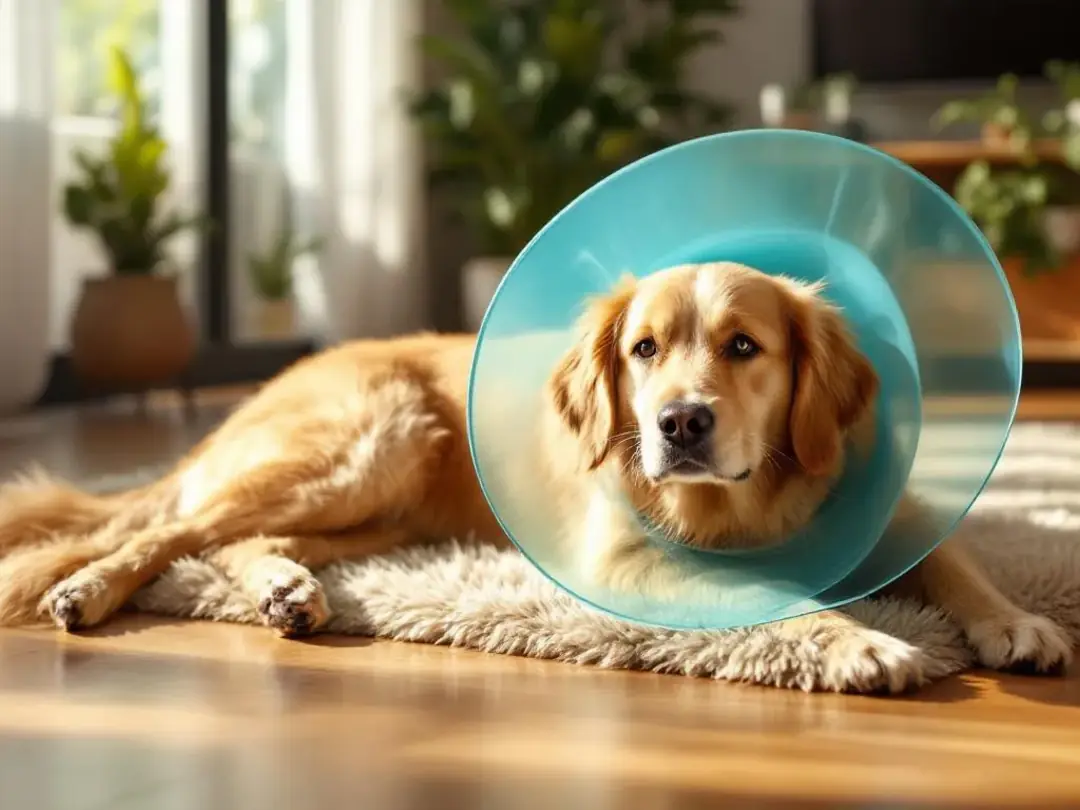
Recovery usually means rest, reduced stimulation, and close observation. Dogs recovering from head trauma may need a quiet environment and a temporary break from normal activity, play, and excitement.
Some dogs recover quickly from mild injuries, while others need more time and more follow-up. The important thing is not to assume that "looking better" means the dog is ready to go back to normal immediately.
With concussions, rest is part of the treatment, not just a side note.
How to Help Prevent Concussions
Prevention is mostly about reducing the chances of major head trauma in the first place. Leash control, safe car travel, supervision around stairs or heights, and careful management of rough play all matter.
Small dogs especially benefit from extra caution around furniture, balconies, and larger dogs. But every dog benefits from an environment where high-impact accidents are less likely.
The best concussion treatment is the one you never need because the injury never happened.
Why Owners Should Trust Their Instincts
If your dog seems off after a head injury, that matters.
Owners often notice subtle changes before anyone else does. A dog that seems quieter, clumsier, more confused, or just not normal after trauma should not be dismissed simply because there is no obvious wound.
Concussions are one of those situations where "I know something is wrong" is a valid reason to seek help. You do not need to wait for dramatic collapse to justify a vet call.
After head trauma, your instincts are worth listening to.
FAQ
Common Questions About Dog Concussions
These quick answers cover common questions about head trauma, concussion signs, emergency care, and recovery.
Can dogs really get concussions?
Yes. Dogs can suffer concussion-type brain injury after head trauma.
What are the signs of a concussion in a dog?
Signs can include disorientation, vomiting, balance problems, unusual eye movement, and behavior changes.
When is it an emergency?
Loss of consciousness, seizures, repeated vomiting, collapse, or severe neurological signs should be treated as emergencies.
Should I let my dog rest at home after a head injury?
Rest matters, but suspected concussion still needs veterinary guidance, especially after significant trauma.
Can dogs recover from concussions?
Many dogs do recover well, especially when they receive prompt veterinary care and proper rest.


