


No, prunes are not a good treat for dogs. They are not in the same category as grapes when it comes to toxicity, but they are still a poor choice because of their concentrated sugar, fiber, and the added risk if a pit is involved.
If you are comparing dried fruits and risky human foods, our can dogs eat grapes and what dogs should not eat guides are useful next reads because prunes often come up in the same fruit-safety conversations.
Key Takeaways
- Prunes are not recommended for dogs.
- They are high in sugar and fiber, which can upset a dog's stomach.
- Prune pits add choking and blockage risks.
- A small amount may not always cause a crisis, but prunes are still a poor treat choice.
- There are much safer fruit and treat alternatives for dogs.
Can Dogs Eat Prunes?
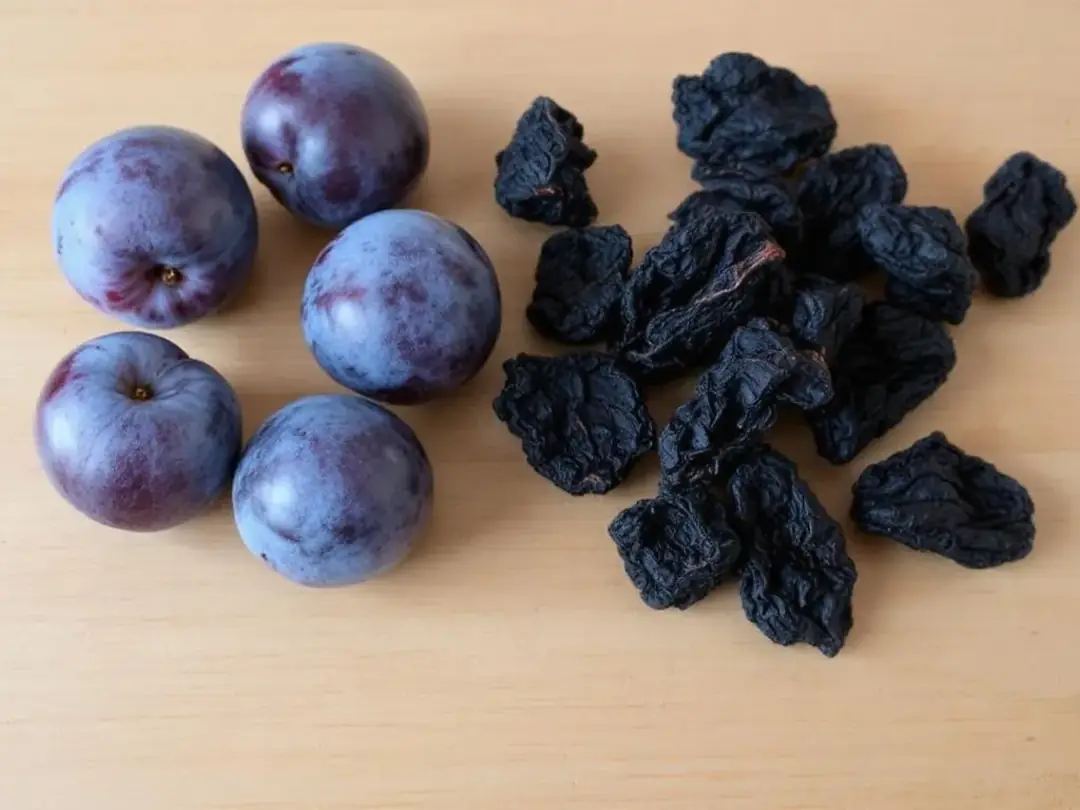
Best to avoid them. Prunes are dried plums, and while they are not usually treated as outright toxic in the same way grapes are, they are still not a smart food for dogs. They are too concentrated in sugar and fiber to be a useful treat.
That means the question is less about whether a dog can physically swallow a prune and more about whether prunes are a good idea. In that sense, the answer is no.
Prunes are one of those foods that are more trouble than they are worth.
Prune Safety at a Glance
| Prune Form | Safe or Not? | Why |
|---|---|---|
| Plain prune | Not recommended | Too much sugar and fiber for a good dog treat |
| Prune with pit | No | Choking and blockage risk |
| Prune juice | No | Concentrated sugar and likely to upset digestion |
| Sweetened prune product | No | Even more sugar and unnecessary additives |
| Fresh plum | Sometimes | Safer than prunes if pit is removed and served in moderation |
Why Prunes Are a Poor Choice for Dogs
The biggest issue is concentration. Drying fruit removes water and leaves behind a much more concentrated source of sugar and fiber. That may be useful for people in some situations, but it is not a good setup for most dogs.
Prunes can easily lead to stomach upset, loose stool, gas, or general digestive discomfort. They also do not offer anything so special that they are worth the risk when there are much easier and safer treats available.
So the problem is not that prunes are a magical poison. It is that they are a bad tradeoff.
Why Prune Pits Make Things Worse
If the prune still has a pit, that adds another layer of risk. The pit can create a choking hazard, and if swallowed, it can also create a blockage problem. That alone is enough reason to take pit-containing prunes seriously.
This is one reason dried fruits with pits are especially poor choices for dogs. Even if the fruit itself is only a bad idea, the pit can turn it into a much more urgent problem.
When the pit is involved, the answer becomes much more clearly no.
What Happens If a Dog Eats a Prune?
A small amount may not always cause a major emergency, but it can still cause digestive upset.
You may see vomiting, diarrhea, gas, stomach discomfort, or restlessness, especially if the dog ate more than one or has a sensitive stomach. If the prune had a pit, the concern goes up because now you are also watching for choking or blockage issues.
The first question is how much was eaten and whether a pit was involved. That tells you much more than the word prune by itself.
If your dog seems uncomfortable or the prune had a pit, contacting your veterinarian is the safer move.
Are Fresh Plums Better Than Prunes?
Fresh plums are generally a better option than prunes because they are less concentrated in sugar and fiber. But even then, the pit still has to be removed, and the fruit still needs to be served in moderation.
That means prunes are not just dried fruit. They are a more concentrated version of a fruit that already needs some care. Drying makes the dog-food question worse, not better.
If you are choosing between the two, prunes are the one to avoid first.

When to Call the Vet
If your dog ate a prune pit, a large amount of prunes, or is showing clear symptoms, it is smart to call.
Persistent vomiting, repeated diarrhea, obvious stomach pain, lethargy, or trouble passing stool are all signs that the situation may need professional attention. The same is true if you are not sure whether the prunes had pits.
It is always better to ask early than to wait and hope a blockage or severe digestive issue settles on its own.
When pits or strong symptoms are involved, do not guess.
Better Alternatives to Prunes
If you want to give your dog a fruit treat, there are much safer options than prunes. Fresh apple slices, blueberries, or small pieces of banana are usually easier to justify and easier to serve safely.
If you want to compare safer fruit options, our can dogs eat bananas guide is a good place to start.
The best treat is usually the one that gives you the least to worry about. Prunes are not that treat.
FAQ
Common Questions About Dogs Eating Prunes
These quick answers cover common questions about prunes, prune pits, prune juice, and safer fruit alternatives.
Can dogs eat prunes safely?
Best to avoid them. Prunes are not a good treat for dogs because of their sugar and fiber content.
Are prunes toxic like grapes?
They are not usually treated the same way grapes are, but they are still not recommended for dogs.
Why are prune pits dangerous?
Prune pits can create choking and blockage risks, which is why they should be taken seriously.
Can dogs drink prune juice?
No. Prune juice is still too concentrated in sugar and is likely to upset a dog's stomach.
What are safer fruit alternatives to prunes?
Apples, blueberries, and bananas are usually much safer and easier fruit options for dogs.


