


No, chips are not a good snack for dogs. Even if a dog steals one chip and seems fine, chips are still too salty, too fatty, and too processed to be a smart treat choice.
If you are comparing processed snacks and safer alternatives, our can dogs eat biscuits guide is a useful companion because chips and biscuits often create the same kind of ingredient and portion problems.
Key Takeaways
- Chips are not a good food for dogs because of salt, fat, and processing.
- Flavored chips can be even riskier because of garlic, onion, cheese powders, or other additives.
- A single plain chip may not cause a crisis, but that does not make chips safe as a treat.
- Large amounts of chips can lead to stomach upset, dehydration, or more serious problems.
- There are much better crunchy treat options for dogs than chips.
Are Chips Safe for Dogs?
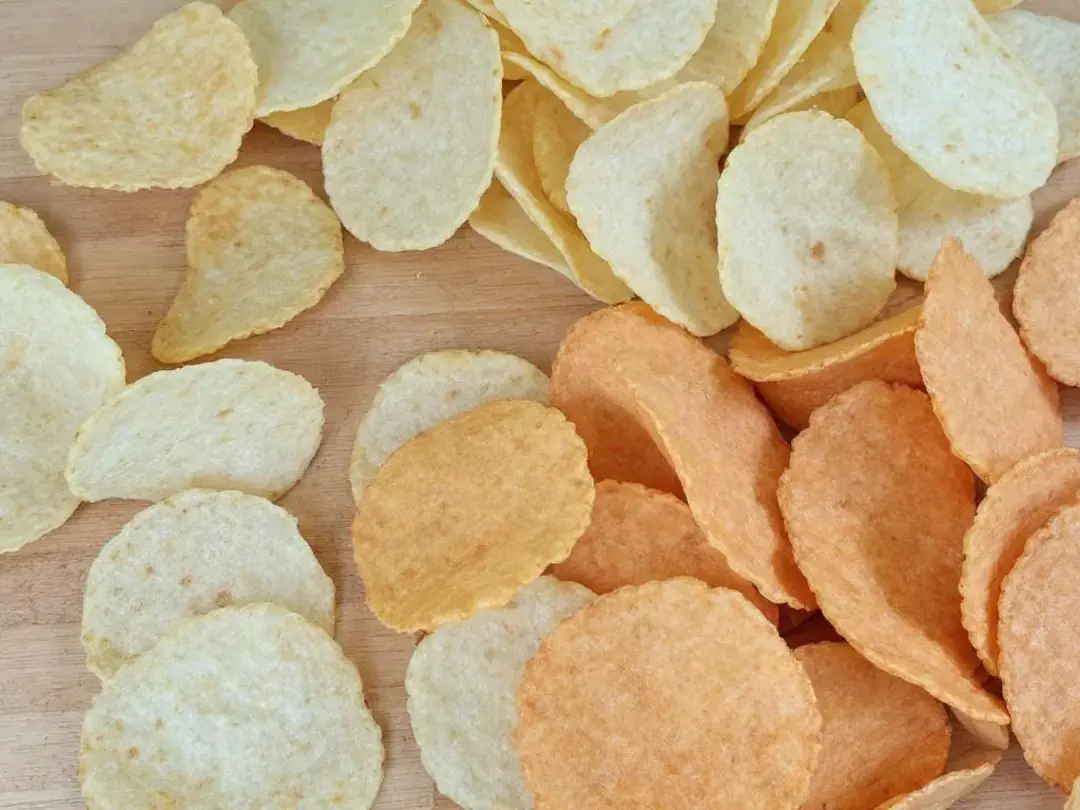
Not really. Chips are one of those foods that may not always cause an emergency in tiny amounts, but they are still a poor choice for dogs. They are usually loaded with salt, oil, and empty calories, and they often come with extra flavorings that make them even worse.
That means the real answer is not just whether a dog can physically eat a chip. It is whether chips are a safe or sensible snack. In that sense, the answer is no.
Chips are a human junk food, not a dog treat.
Chip Safety at a Glance
| Chip Type | Safe or Not? | Why |
|---|---|---|
| Plain potato chip | Not recommended | Too salty and fatty even without flavoring |
| Flavored chip | No | Often contains unsafe seasonings or additives |
| Tortilla chip | Not recommended | Still salty, processed, and not a good dog snack |
| Sweet potato chip | Usually no | Commercial versions are still often oily or salty |
| Homemade plain baked vegetable slice | Sometimes | Can be safer if made simply and without seasoning |
Why Chips Are Risky for Dogs
The biggest problems are salt and fat. Dogs do not need salty processed snacks, and the amount of oil and sodium in chips can be hard on their system. Even if a dog seems to love the crunch, that does not make the food a good fit.
Chips also add calories without adding anything useful. They are basically junk food for dogs in the same way they are junk food for people, except dogs are often less equipped to handle the extra salt and seasoning.
So the risk is not just one ingredient. It is the whole package.
Why Flavored Chips Are Worse
Flavored chips are usually more concerning than plain ones because they may contain garlic powder, onion powder, cheese flavoring, spicy seasoning, or other additives that are not dog-friendly. Some of those ingredients are not just unhealthy. They can be actively dangerous.
That means a barbecue chip, sour cream and onion chip, or spicy chip is not just a salt-and-fat issue. It may also be an ingredient problem. This is one reason our what dogs should not eat guide is useful if you are trying to sort out hidden food risks.
With flavored chips, the label matters a lot more than people think.
What If a Dog Eats a Chip?
A single plain chip is usually not the same as a major emergency, but it is still worth paying attention to what kind of chip it was.
If it was one plain chip and your dog seems normal, you will often just monitor for stomach upset. If it was a large amount, a heavily flavored chip, or a chip with ingredients you are unsure about, that is a different situation.
The first question is always what kind of chip and how much. That tells you much more than the word chip by itself.
When in doubt, check the ingredients and call your veterinarian.
When Chips Become More Concerning
Chips become more concerning when the dog is very small, when a large amount was eaten, or when the chips were heavily seasoned. Puppies, senior dogs, and dogs with health issues may also be less able to handle the extra salt and fat comfortably.
Vomiting, diarrhea, unusual thirst, lethargy, or obvious discomfort are all signs to take more seriously. If the chip type included garlic, onion, or another known problem ingredient, it is smarter to call sooner rather than later.
The more processed and flavored the snack, the less casual the situation should feel.
Are Homemade Chips Better?
Sometimes, but only if they are truly simple. A plain baked slice of sweet potato or another dog-safe vegetable is very different from a greasy, salty commercial chip. The problem is that most people mean processed snack chips when they ask this question.
If you are making a simple baked vegetable slice with no salt, no seasoning, and no heavy oil, that can be a much safer idea. But that is really closer to a homemade dog-safe treat than to a standard chip bag snack.
So homemade can be better, but only if it is actually simple enough to be dog-friendly.
Better Crunchy Alternatives for Dogs
If your dog likes crunch, there are much better options than chips.
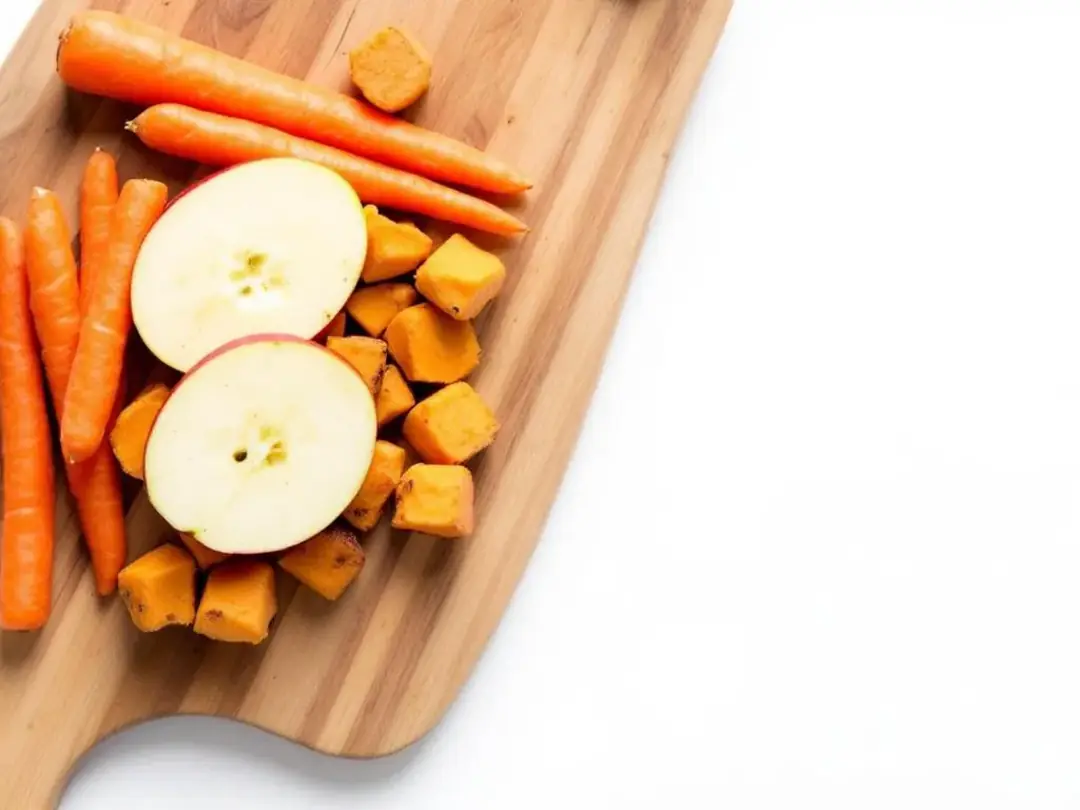
Carrot sticks, apple slices, green beans, and simple dog treats are all easier to justify than salty chips. They give your dog texture without the same level of junk-food baggage.
If you want to compare safer fresh snack options, our can dogs eat apples guide is a good place to start.
The best crunchy treat is usually one that was actually meant to support a dog's health, not just a person's snack craving.
FAQ
Common Questions About Dogs Eating Chips
These quick answers cover common questions about plain chips, flavored chips, and what to do if your dog steals some.
Can dogs eat plain chips?
A plain chip may not always cause an emergency, but chips are still not a good snack for dogs.
Why are chips bad for dogs?
They are usually too salty, too fatty, and too processed to be a smart treat choice.
Are flavored chips worse than plain chips?
Yes. Flavored chips may contain garlic, onion, cheese powders, or other ingredients that are more concerning for dogs.
What should I do if my dog ate chips?
Check what kind of chips they ate, how much they ate, and whether there were risky ingredients. Call your veterinarian if you are unsure.
What are better crunchy treats for dogs?
Carrot sticks, apple slices, green beans, and dog-specific crunchy treats are all better options.


