
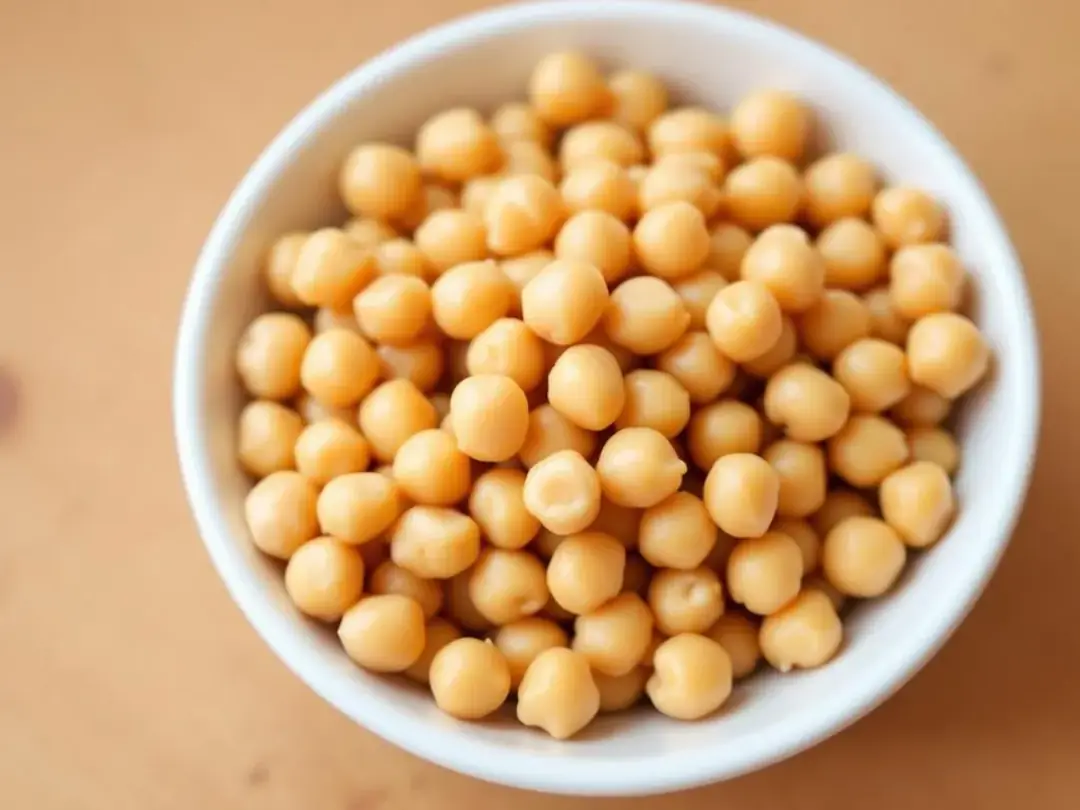

Yes, dogs can eat chickpeas when they are cooked plain and served in small amounts. Chickpeas are not toxic to dogs, but they are still a food that needs sensible preparation and portion control.
If you are comparing legumes and pantry foods, our can dogs eat beans guide is a useful companion because chickpeas often come up in the same conversation as other beans.
Key Takeaways
- Dogs can eat plain cooked chickpeas in moderation.
- Chickpeas should be soft, plain, and free from salt, garlic, onion, or rich seasonings.
- Hummus is not a safe substitute for plain chickpeas.
- Too many chickpeas can cause gas or stomach upset.
- Chickpeas can be an occasional add-on, not a replacement for a balanced dog diet.
Are Chickpeas Safe for Dogs?
Chickpeas are generally safe for dogs when they are cooked and served plain. They are one of the legumes that many dogs can tolerate reasonably well in small amounts.
The main issue is not that chickpeas are toxic. It is that they can be hard on digestion if they are served raw, undercooked, heavily seasoned, or in portions that are too large. That is why preparation matters so much.
So yes, chickpeas can be safe, but only when they are handled like a dog treat and not like a full human side dish.
Chickpea Safety at a Glance
| Chickpea Form | Safe or Not? | Notes |
|---|---|---|
| Plain cooked chickpeas | Yes | Best option in small amounts |
| Canned chickpeas | Sometimes | Only if rinsed well and free from added ingredients |
| Raw or dried chickpeas | No | Too hard and not appropriate to feed as-is |
| Hummus | No | Usually contains garlic, salt, oil, or other unsafe additions |
| Seasoned chickpea dishes | No | Human seasonings make them a poor choice for dogs |
Are Chickpeas Good for Dogs?
Chickpeas can offer fiber, plant-based protein, and some useful nutrients, which is why they sometimes show up in dog foods or homemade treat discussions. For some dogs, they can be a reasonable occasional add-on.
But they are not a required food, and they are not automatically better than simpler options. Some dogs do well with them, while others get gassy or uncomfortable. That is why "good" depends partly on the dog and partly on the amount.
Chickpeas can be fine, but they are still a moderation food.
How to Prepare Chickpeas for Dogs
Preparation is what makes chickpeas dog-friendly instead of risky.
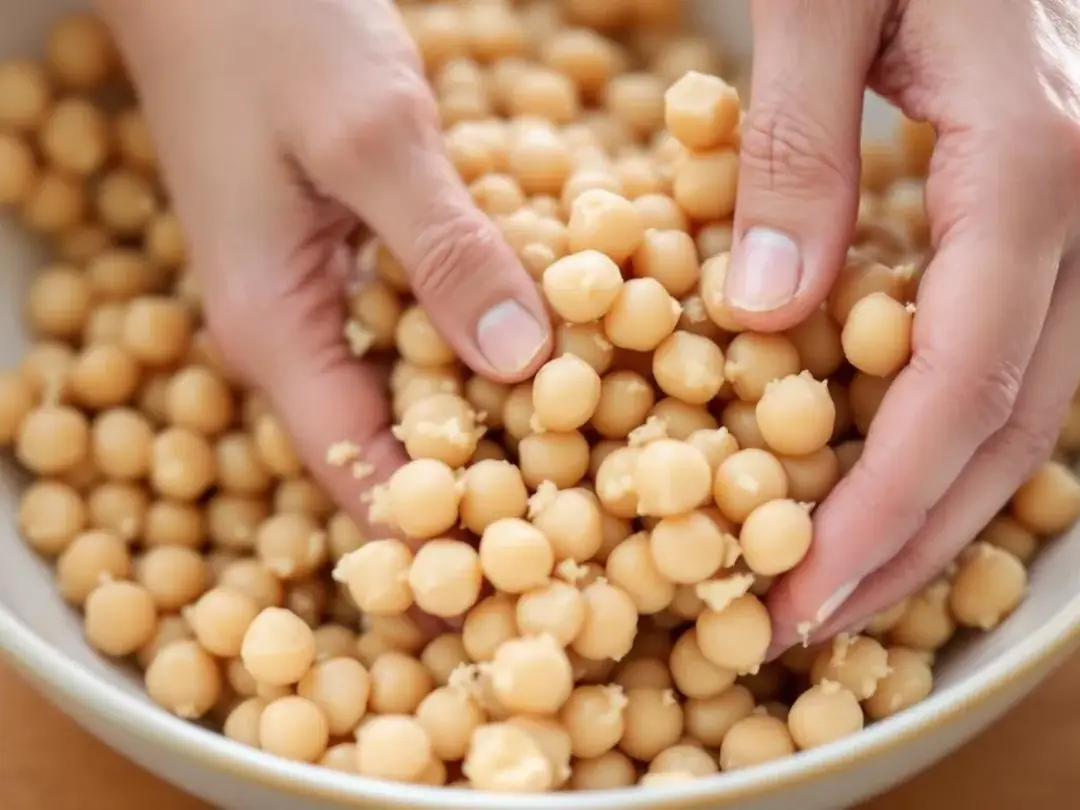
Chickpeas should be cooked until soft and served plain. If you are using canned chickpeas, rinse them well to remove as much added salt as possible. If you are cooking them from dry, make sure they are fully soft before serving.
Do not add garlic, onion, salt, spicy seasoning, butter, or rich oils. Those are the kinds of extras that turn a safe food into a bad idea.
Soft, plain, and simple is the right approach here.
How Much Chickpea Can a Dog Eat?
Only a small amount is needed. Chickpeas should stay in the treat or add-on category, not become a major part of the dog's daily food. For many dogs, a spoonful or a few chickpeas is enough to test tolerance.
Smaller dogs need less, and dogs with sensitive stomachs may need very little or none at all. If your dog has never had chickpeas before, start with a tiny amount and see how they respond over the next day.
With chickpeas, moderation is what keeps them in the safe zone.
Why Hummus Is Not the Same Thing
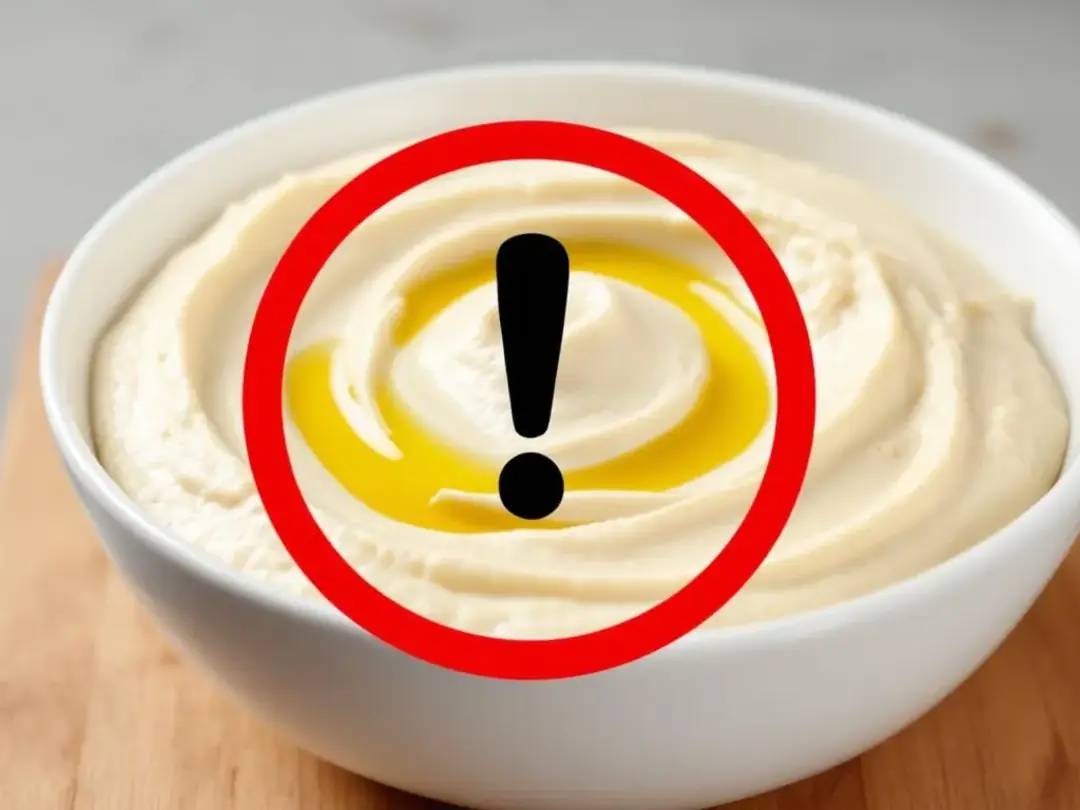
This is where people get tripped up. Plain chickpeas may be okay, but hummus is usually not. Hummus often contains garlic, salt, oil, lemon, and other ingredients that are not a good idea for dogs.
So even though hummus starts with chickpeas, it is not a dog-safe shortcut. The added ingredients are what change the answer.
If you want to share chickpeas, share plain chickpeas, not hummus.
Why Chickpeas Can Upset a Dog's Stomach
The biggest issue with chickpeas is usually digestion, not toxicity.
Chickpeas are rich in fiber and can be gassy, which means some dogs may end up with bloating, gas, or loose stool if they eat too much. That is especially true if the food is new to them or if the serving is too large.
Some dogs handle legumes well, and some do not. That is why it helps to start small and pay attention to how your dog actually responds rather than assuming a food is perfect just because it is technically safe.
If chickpeas make your dog uncomfortable, they are not the right treat for that dog.
When Chickpeas Are Not a Good Choice
Chickpeas may not be a good fit for dogs with sensitive digestion, dogs on prescription diets, or dogs with medical conditions that require tighter food control. In those cases, even a generally safe food may not be worth the experiment.
It is also worth remembering that dogs do not need chickpeas. They are optional. If your dog does better with simpler foods or no legumes at all, that is completely fine.
If you are trying to sort out broader food safety questions, our what dogs should not eat guide is a good next step.

Simple Ways to Use Chickpeas
If your dog tolerates chickpeas well, they can be used in a few simple ways.
You can offer a few plain cooked chickpeas as treats, mash a small amount into food, or use a little in a puzzle toy. The key is still to keep the amount small and the preparation plain.
Chickpeas are not a food that needs a complicated recipe. In fact, the more complicated the recipe gets, the less dog-friendly it usually becomes.
Simple is what keeps chickpeas useful.
FAQ
Common Questions About Dogs Eating Chickpeas
These quick answers cover common questions about plain chickpeas, canned chickpeas, hummus, and how much is too much.
Can dogs eat plain cooked chickpeas?
Yes. Plain cooked chickpeas are generally safe in small amounts.
Can dogs eat canned chickpeas?
Sometimes, but only if they are rinsed well and do not contain added ingredients that are unsafe for dogs.
Can dogs eat hummus?
No. Hummus usually contains garlic, salt, oil, and other ingredients that are not a good idea for dogs.
Why do chickpeas upset some dogs' stomachs?
They are high in fiber and can be gassy, which may lead to bloating, gas, or loose stool in some dogs.
How much chickpea can a dog eat?
Usually just a small amount. A few chickpeas or a spoonful is often enough to test tolerance.


