


Yes, Goldendoodles are generally considered very smart dogs. They often inherit strong intelligence, trainability, and people-focused behavior from both the Golden Retriever and the Poodle, which helps explain why they learn quickly and adapt well in many homes.
That intelligence is one reason so many families are drawn to them, but it also means they need regular mental engagement. If you are also looking at personality and day-to-day behavior, our Goldendoodle temperament page is a helpful companion to this topic.
Key Takeaways
- Goldendoodles are widely considered smart because they inherit intelligence from both Poodles and Golden Retrievers.
- They often learn quickly and respond well to positive reinforcement training.
- Their intelligence includes trainability, problem-solving, and strong social awareness.
- Many Goldendoodles do well in service, therapy, and family companion roles.
- Because they are smart, they need regular mental stimulation as well as physical exercise.
Why Goldendoodles Are Considered Smart
Goldendoodles come from two breeds with strong reputations for intelligence. Poodles are widely known for quick learning and problem-solving, while Golden Retrievers are known for trainability, responsiveness, and strong working ability. That combination gives Goldendoodles a strong foundation for learning.
In practical terms, this often shows up as quick command recognition, strong pattern learning, and a general eagerness to engage with people. Many owners notice that Goldendoodles pick up routines, cues, and household expectations faster than they expected.
Of course, intelligence can still vary from dog to dog. Breeding, early socialization, training quality, and the individual dog's personality all influence how that intelligence shows up in daily life.
The Different Types of Intelligence in Goldendoodles
Dog intelligence is not just one thing. Goldendoodles often show strength in several areas, including trainability, problem-solving, and social awareness.
They often have strong working intelligence, which means they can learn from people and follow commands well. They also tend to show adaptive intelligence, meaning they can figure things out from experience and respond to patterns in the environment.
Many Goldendoodles also show strong social and emotional awareness. They often read tone, body language, and household routines well, which is one reason they can feel especially connected to their families.
| Type of Intelligence | How It Shows Up | Why It Matters |
|---|---|---|
| Working intelligence | Learns commands and routines quickly | Makes training easier and more rewarding |
| Adaptive intelligence | Solves problems and learns from experience | Helps the dog adjust to new situations |
| Social awareness | Reads people, tone, and household patterns | Supports strong family bonding and responsiveness |

Communication and Emotional Intelligence
One of the most noticeable forms of Goldendoodle intelligence is how well many of them seem to read people.
Many owners describe Goldendoodles as intuitive dogs that seem to notice mood changes, routines, and household energy. While that should not be overstated as something magical, it does reflect a strong combination of social awareness and responsiveness.
This is one reason Goldendoodles are often considered for therapy and support roles. Their ability to stay engaged with people, respond to cues, and remain emotionally connected can make them especially appealing in family and service settings.
That same sensitivity also means they often respond best to calm, consistent training rather than harsh correction. They usually learn more effectively when the relationship with the owner stays positive and clear.
How Goldendoodles Compare to Other Breeds
Goldendoodles are often compared with Labradoodles, Poodles, and Golden Retrievers when people are thinking about intelligence and trainability. In many homes, Goldendoodles stand out because they combine quick learning with a very social, family-oriented style.
Compared with some breeds, they may be easier for average families to train because they are both smart and eager to please. Intelligence alone does not always make a dog easy to live with, but Goldendoodles often pair intelligence with friendliness and responsiveness in a way many owners appreciate.
If you are also comparing overall fit, our are Goldendoodles good dogs guide looks more broadly at temperament, care, and family life.
Goldendoodles as Service and Therapy Dogs
Goldendoodles are often chosen for service and therapy work because intelligence alone is not enough for those roles. A dog also needs emotional steadiness, trainability, and the ability to stay focused around people and distractions.
Many Goldendoodles have the kind of people-oriented temperament that supports this work well. Their ability to learn tasks, respond to handlers, and stay engaged in structured settings is one reason they are often considered for these jobs.
Not every Goldendoodle is suited for service work, of course, but the breed's general combination of intelligence and social responsiveness helps explain why they are often part of that conversation.
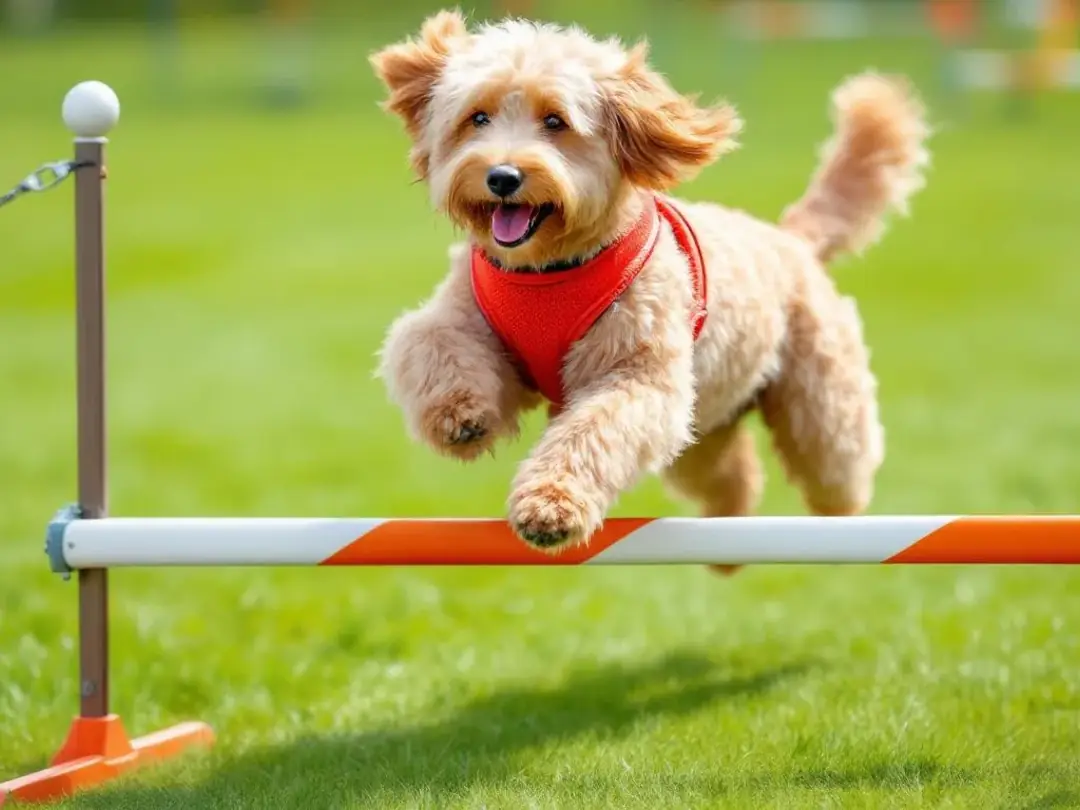
Training Your Goldendoodle for Success
A smart dog still needs structure. Goldendoodles usually learn quickly, but that does not mean training happens automatically.
Starting early helps. Puppies often pick up both good and bad habits fast, so clear routines and consistent expectations matter from the beginning. Positive reinforcement usually works especially well with this breed because many Goldendoodles are highly motivated by praise, food, and interaction.
Short, regular training sessions are often more effective than long, repetitive ones. Because they are smart and social, Goldendoodles often do best when training feels interactive rather than mechanical.
Training also supports confidence. A dog that understands expectations and has regular practice with people, places, and routines is often easier to live with and more adaptable in daily life.

Mental Stimulation and Daily Enrichment
One of the challenges of owning a smart dog is that intelligence needs an outlet.
Goldendoodles often need more than a walk and a food bowl. Puzzle toys, training games, scent work, enrichment activities, and social interaction all help keep their minds engaged. Without enough mental stimulation, some dogs become noisy, destructive, or restless.
This does not mean every Goldendoodle needs advanced dog sports, but it does mean they usually benefit from regular activities that make them think. For owners in smaller homes or apartments, our puppy enrichment ideas for small spaces guide can offer practical ways to build more mental activity into the day.
In many cases, behavior problems in smart dogs are not about stubbornness. They are about unmet needs for engagement, structure, and interaction.
The Benefits of Owning a Smart Dog
Living with a smart dog can make training, communication, and daily routines feel more rewarding. Dogs that learn quickly often adapt more easily to household expectations and can become very responsive companions.
Goldendoodles often benefit from this in a practical way. Their intelligence can make them easier to teach, easier to engage, and easier to include in family life when their needs are being met.
At the same time, intelligence is not just a convenience. It is a responsibility. Smart dogs often need more from their owners, not less, and they usually do best when that intelligence is guided in a healthy direction.
FAQ
Common Questions About Goldendoodle Intelligence
These quick answers cover common questions about Goldendoodle intelligence, training, mental stimulation, and how they compare with other breeds.
How does a Goldendoodle's intelligence compare to other popular breeds?
Goldendoodles are generally considered very smart and often compare well with other highly trainable family breeds because they combine quick learning with strong social responsiveness.
At what age do Goldendoodles start showing their intelligence?
Many Goldendoodle puppies show quick learning and pattern recognition early, but their full maturity and consistency develop over time with training and experience.
Do mini Goldendoodles have the same intelligence as standard Goldendoodles?
Yes, in general. Size does not usually determine intelligence in this breed. Training, genetics, and individual personality matter more than whether the dog is mini or standard.
What happens if a Goldendoodle does not get enough mental stimulation?
Some Goldendoodles may become bored, noisy, destructive, or restless if they do not get enough mental engagement. Enrichment and training help prevent that.
Are Goldendoodles easy to train because they are smart?
Often yes. Their intelligence and eagerness to engage with people usually make them very trainable, especially when owners use clear, positive, and consistent methods.


