


Bully sticks are generally safe for dogs when they are the right size, used with supervision, and given in moderation. They are popular because they are single-ingredient chews that can keep dogs busy longer than many softer treats.
Still, safe does not mean risk-free. Choking, overconsumption, calorie overload, and low-quality products are the main concerns. If you are comparing chew safety with other everyday dog topics, our guides on puppy enrichment ideas for small spaces and what dogs should not eat can also help you make safer choices.
Key Takeaways
- Bully sticks are usually safe for dogs when properly sized and supervised.
- They are single-ingredient chews made from beef pizzle and are generally more digestible than rawhide.
- Main concerns include choking, swallowing the end piece, bacteria risk, and excess calories.
- Most dogs should only have bully sticks occasionally, not every day.
- Choosing a reputable brand and removing the chew before it becomes too small are two of the most important safety steps.
Introduction to Bully Sticks
Bully sticks are natural chews made from beef pizzle. Many dog owners like them because they are single-ingredient treats without the long additive lists found in some processed chews.
Dogs often enjoy bully sticks because they are chewy, flavorful, and long lasting compared with many other treats. They can also provide mental enrichment by giving dogs a focused chewing activity.
For many households, the appeal is simple: bully sticks feel more natural than many synthetic chews, while still lasting long enough to keep a dog interested.
What Are Bully Sticks and Are They Safe?
Bully sticks are made from dried beef pizzle and are considered more digestible than rawhide. That is one of the main reasons they are often viewed as a safer chew option.
They are not automatically safe in every situation, though. A bully stick that is too small, too hard for a particular dog, or left unsupervised can still create problems. Safety depends on the dog's chewing style, the size of the chew, and the quality of the product.
In general, bully sticks can be a reasonable chew choice for many dogs when owners use them carefully and treat them as a supervised activity rather than a hands-off snack.

Safety Benefits of Bully Sticks for Dogs
Bully sticks do have some real advantages when compared with many other chew options.
One of the biggest benefits is digestibility. Compared with rawhide, bully sticks are generally easier for the body to break down. They also provide a longer chewing experience than many soft treats, which can help with boredom and enrichment.
Chewing may also help reduce some plaque and tartar buildup through mechanical scraping, although bully sticks should not replace regular dental care. For dogs that need a satisfying chew, they can be a useful option when used responsibly.
Because they are high in protein and usually made from a single ingredient, some dogs with simpler treat needs may tolerate them better than heavily processed alternatives.
Potential Safety Risks and Concerns
The biggest risk with bully sticks is choking or swallowing the final piece whole. Once the chew gets short enough to fit deep into the mouth, it can become much more dangerous.
Another concern is bacterial contamination, especially with lower-quality products or poor storage practices. That does not mean every bully stick is unsafe, but it does mean product quality and handling matter.
Calories are another issue that many owners overlook. Bully sticks can be calorie-dense, so frequent use can contribute to weight gain if they are not counted as part of the dog's overall intake.
Some dogs may also get digestive upset if they chew too much too quickly or if bully sticks are introduced too fast.
How to Safely Give Bully Sticks to Your Dog
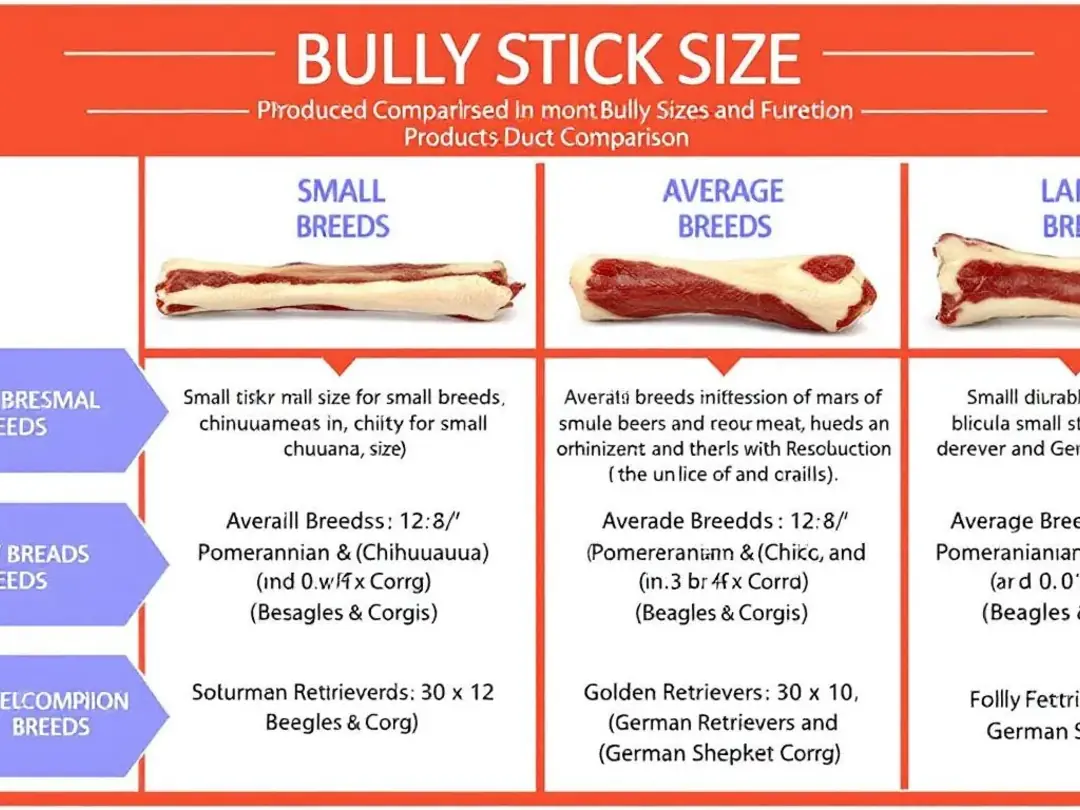
Start by choosing a bully stick that is large enough that your dog cannot easily swallow it whole. The chew should be longer and thicker than what your dog could gulp down in one attempt.
Supervision is essential. If your dog is chewing a bully stick, someone should be nearby and paying attention. Once the chew becomes small enough to swallow, it should be removed.
Shorter sessions are often a good idea, especially when introducing bully sticks for the first time. That helps reduce the chance of stomach upset and gives you a chance to see how your dog handles the chew.
Some owners also use bully stick holders to reduce the risk of swallowing the last piece. These can be especially helpful for dogs that tend to gulp chews rather than work through them slowly.
Safe Feeding Frequency and Portion Control
How often a dog should have a bully stick depends on size, calories, and the rest of the diet.
For many dogs, bully sticks are best treated as occasional chews rather than daily treats. Two to three times per week is a common starting point for healthy adult dogs, though some dogs may need less.
This table gives a simple overview of the main portion-control issues owners should think about.
| Factor | Why It Matters |
|---|---|
| Dog Size | Smaller dogs can be overwhelmed by large or calorie-dense chews |
| Chewing Style | Aggressive chewers may need thicker chews and closer supervision |
| Calories | Bully sticks can add up quickly and affect weight management |
| Digestive Tolerance | Some dogs get stomach upset if they chew too much at once |
It helps to reduce meal calories slightly on days when your dog gets a high-calorie chew. Treats should still remain a relatively small part of the overall diet.
Healthy Treats and a Dog's Diet
Bully sticks can fit into a healthy diet, but they should not crowd out balanced meals. They are best used as an occasional chew, reward, or enrichment tool rather than a routine daily calorie source.
When choosing treats, it helps to think about the full picture: calories, digestibility, chewing safety, and how the treat fits your dog's age, size, and health needs. A treat can be natural and still be too much if portions are not managed well.
For dogs on weight-control plans or prescription diets, it is especially important to count chew calories and ask your veterinarian if needed.
Choosing Safe, High-Quality Bully Sticks
Quality matters a lot with bully sticks. Look for products from reputable companies that are clear about sourcing, processing, and ingredient simplicity. Ideally, the label should reflect a straightforward single-ingredient chew.
Avoid products with unclear ingredient lists, heavy chemical odor, or poor packaging. Higher-quality bully sticks are often more consistent in thickness, cleaner in appearance, and less likely to raise concerns about contamination or poor handling.
It is also smart to match thickness and length to your dog's chewing style. A gentle chewer may do fine with a standard stick, while a strong chewer may need a thicker option that lasts longer and is harder to gulp.
Special Considerations for Different Dogs
Puppies, seniors, small breeds, and aggressive chewers all need a little extra thought when it comes to bully sticks. Puppies may need shorter sessions and closer supervision, while seniors may need softer or easier chew options depending on dental comfort.
Small dogs can be affected more quickly by the calories in bully sticks, and they are also at greater risk if the chew is not sized appropriately. Aggressive chewers may break pieces off faster and need more careful monitoring.
Dogs with beef allergies, certain digestive issues, or special diets may not be good candidates for bully sticks at all. In those cases, a different chew may be a better fit.
Signs of Problems and When to Stop
Stop the chewing session if the bully stick becomes small enough to swallow whole, starts splintering, or breaks into sharp pieces. Those are the moments when the risk rises most.
Also watch for vomiting, diarrhea, loss of appetite, coughing, gagging, or signs of abdominal discomfort after chewing. Those symptoms can suggest digestive upset or a more serious problem if a large piece was swallowed.
If your dog seems distressed, cannot swallow normally, or may have swallowed a large chunk, contact your veterinarian promptly.

Safe Storage and Handling Practices
Storage and handling can affect both freshness and safety.
Keep bully sticks in a cool, dry place and follow the product's storage guidance. Once opened, airtight storage helps preserve quality and reduce odor. Partially chewed sticks are often best refrigerated between sessions if you plan to reuse them soon.
Wash your hands after handling bully sticks, especially before touching food or kitchen surfaces. This is a simple hygiene step that helps reduce the chance of spreading bacteria.
Discard any chew that develops mold, unusual slime, or a clearly off smell. Even a natural chew should be thrown away if it no longer looks or smells normal.
Alternatives to Bully Sticks
If bully sticks are not the right fit for your dog, there are other chew options worth considering. The best alternative depends on your dog's chewing style, calorie needs, digestive tolerance, and dental health.
Some owners rotate in frozen carrots, certain tendon chews, or other single-ingredient options. Others focus more on enrichment toys and food puzzles instead of edible chews. If your main goal is keeping a dog busy, non-edible enrichment may sometimes be the safer long-session option.
Whatever you choose, the same basic rule applies: match the chew or activity to the individual dog rather than assuming one option is perfect for every pet.
FAQ
Common Questions About Bully Sticks for Dogs
These quick answers cover common questions about digestion, supervision, contamination, and which dogs should avoid bully sticks.
Can bully sticks cause intestinal blockage in dogs?
They are generally more digestible than rawhide, but a dog can still have trouble if a large piece is swallowed. Supervision and removing the end piece are important safety steps.
Are bully sticks safe for dogs with sensitive stomachs?
Some dogs with sensitive stomachs tolerate them well, but others may get digestive upset. It is best to introduce them slowly and watch for vomiting, diarrhea, or discomfort.
How do I know if a bully stick is contaminated with bacteria?
You usually cannot confirm contamination just by looking, which is why buying from reputable brands and using good storage and hygiene practices matters so much.
Can I leave my dog alone with a bully stick?
No. Bully sticks should be supervised because the main risk often happens when the chew gets small enough to swallow or breaks in an unsafe way.
Are there dogs that should not have bully sticks?
Dogs with beef allergies, some digestive conditions, or strict calorie limits may not be good candidates. When in doubt, ask your veterinarian before adding them.
How often should I give my dog a bully stick?
For many dogs, occasional use such as a few times per week is more appropriate than daily use, especially because bully sticks can be calorie-dense.


