
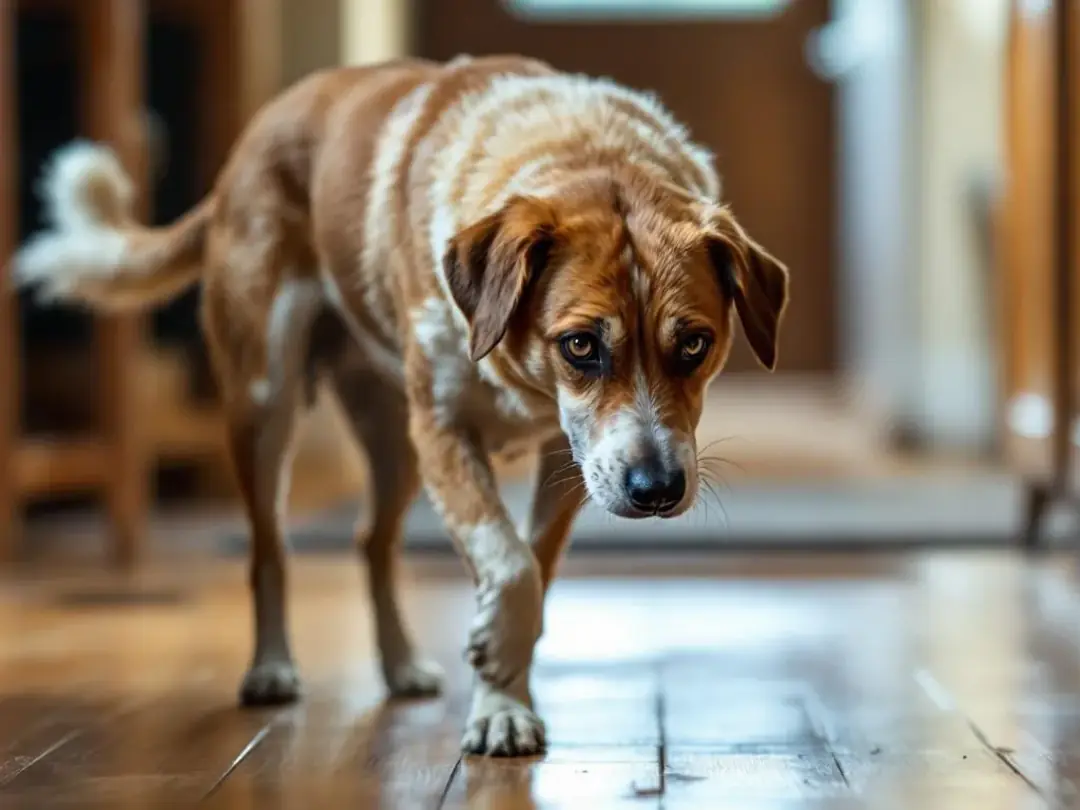

Acid reflux in dogs happens when stomach acid flows backward into the esophagus and irritates the lining. Some dogs show obvious signs like regurgitation or discomfort after meals, while others show more subtle changes such as lip-licking, swallowing, or reduced appetite.
Because reflux can overlap with other digestive problems, it is important not to guess at the cause if your dog is repeatedly uncomfortable after eating. If your dog is also dealing with appetite changes, our dog not eating guide may help you think through common causes and when to call your veterinarian.
Key Takeaways
- Acid reflux happens when stomach acid moves back into the esophagus and causes irritation.
- Common signs include regurgitation, swallowing, lip-licking, coughing, and discomfort after meals.
- Diet changes, smaller meals, and veterinary treatment are often part of management.
- Some dogs, including brachycephalic breeds, may be at higher risk.
- Ongoing symptoms should be evaluated by a veterinarian to prevent complications.
What Is Acid Reflux in Dogs?
Acid reflux, also called gastroesophageal reflux, occurs when stomach acid and other stomach contents move backward into the esophagus. In a healthy dog, the lower esophageal sphincter helps keep stomach contents where they belong. When that barrier weakens or relaxes at the wrong time, acid can irritate the esophageal lining.
This irritation can range from mild inflammation to more serious damage if the problem continues. Some dogs have short-term reflux after anesthesia or a temporary digestive upset, while others develop a more chronic pattern that needs longer-term management.
Brachycephalic breeds such as bulldogs, pugs, and French bulldogs may be more prone to reflux because of their anatomy. Puppies and dogs with other digestive issues may also be more vulnerable in some cases.
How Acid Reflux Happens
The digestive system depends on coordinated movement between the esophagus, stomach, and intestines. Food should move downward, not backward. When the lower esophageal sphincter does not stay closed properly, stomach acid can escape upward and irritate the throat and esophagus.
That backward flow may happen because of delayed stomach emptying, increased stomach pressure, structural issues, or irritation in the digestive tract. In some dogs, reflux is occasional. In others, it becomes a repeated problem that causes pain, inflammation, and feeding difficulties.
The more often acid reaches the esophagus, the more likely the dog is to develop ongoing discomfort and complications if the issue is not addressed.
Common Symptoms of Acid Reflux in Dogs
Symptoms can vary from dog to dog. Some show obvious regurgitation after meals, while others show more subtle signs that are easy to miss at first.
Common signs include lip-licking, repeated swallowing, drooling, coughing, gagging, burping, whining after eating, and reduced interest in food. Some dogs seem restless after meals or act like they are trying to clear their throat.
More serious cases may involve weight loss, repeated vomiting, or signs of pain when swallowing. If your dog has reflux-like symptoms along with vomiting or diarrhea, our dog diarrhea and vomiting guide may help you understand when symptoms are becoming more urgent.
Acid Reflux Symptoms at a Glance
| Symptom | What It May Look Like | Why It Matters |
|---|---|---|
| Regurgitation | Food or fluid comes back up without strong retching | Can suggest reflux or esophageal irritation |
| Lip-licking or swallowing | Repeated mouth movements after meals | May reflect nausea or throat discomfort |
| Coughing or gagging | Especially after eating or lying down | Can happen when reflux irritates the throat |
| Reduced appetite | Eating less or hesitating at meals | Pain after eating may make dogs avoid food |
| Whining or restlessness | Discomfort after meals | May suggest irritation or abdominal discomfort |
Common Causes of Acid Reflux in Dogs
Acid reflux can happen for several reasons. Some cases are linked to anesthesia, which can temporarily relax the lower esophageal sphincter. Others are related to delayed stomach emptying, chronic vomiting, hiatal hernias, obesity, or digestive irritation.
Diet can also play a role. High-fat foods, large meals, and certain treats may worsen reflux in some dogs. In other cases, food sensitivities or broader digestive issues may contribute to the problem.
Because reflux can be a symptom of something else rather than a stand-alone issue, repeated episodes should not be brushed off as simple stomach upset.
Brachycephalic Breeds and Special Risk
Brachycephalic breeds such as pugs, bulldogs, and French bulldogs may be more likely to experience reflux because of the way their anatomy affects breathing pressure and digestive function. Increased pressure in the chest and abdomen can make it easier for stomach contents to move upward.
These dogs may also be more prone to hiatal hernias and other structural issues that make reflux harder to control. Owners of brachycephalic dogs should pay close attention to repeated swallowing, coughing, regurgitation, or discomfort after meals.
Because these breeds can also have airway issues, it is especially important not to ignore symptoms that involve coughing, gagging, or breathing changes.
How Veterinarians Diagnose Acid Reflux
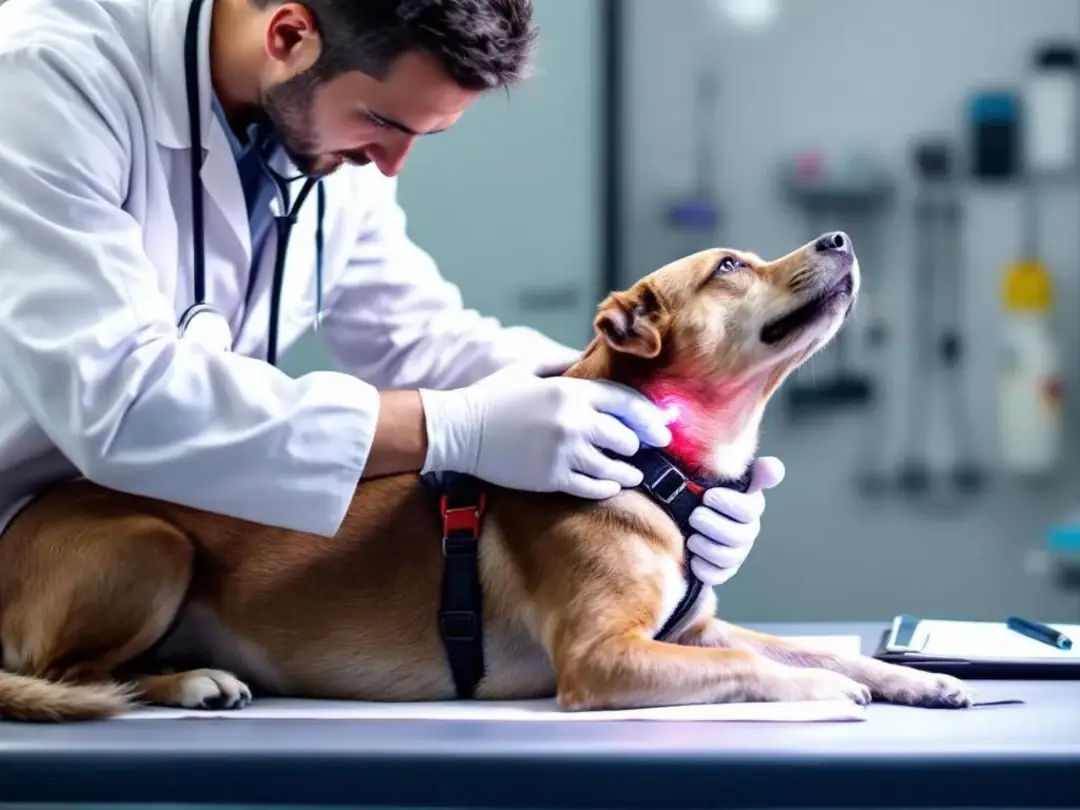
Diagnosis usually starts with a history of symptoms, a physical exam, and a discussion of eating habits, vomiting, regurgitation, and any recent anesthesia or digestive issues. Because reflux can overlap with other conditions, your veterinarian may recommend additional testing.
In some cases, imaging or endoscopy may be used to look for inflammation, structural problems, or other causes of symptoms. Bloodwork may also help rule out broader illness or complications.
The goal is not just to confirm reflux, but to understand what may be causing it and whether there is damage to the esophagus or another condition that needs treatment.
Treatment Options for Acid Reflux in Dogs
Treatment depends on the cause, the severity of symptoms, and whether the dog has developed complications.
Many treatment plans include diet changes, smaller and more frequent meals, and medications that reduce stomach acid or improve stomach emptying. In some dogs, these steps are enough to control symptoms well.
More serious cases may need additional testing, longer-term medication, or treatment for an underlying problem such as a hiatal hernia or chronic digestive disease. The right plan depends on the individual dog rather than a one-size-fits-all approach.
Because reflux can damage the esophagus over time, early treatment matters. The sooner the irritation is reduced, the better the chance of preventing more serious complications.
Dietary Management for Dogs with Acid Reflux
Diet is often one of the most important parts of managing reflux in dogs.
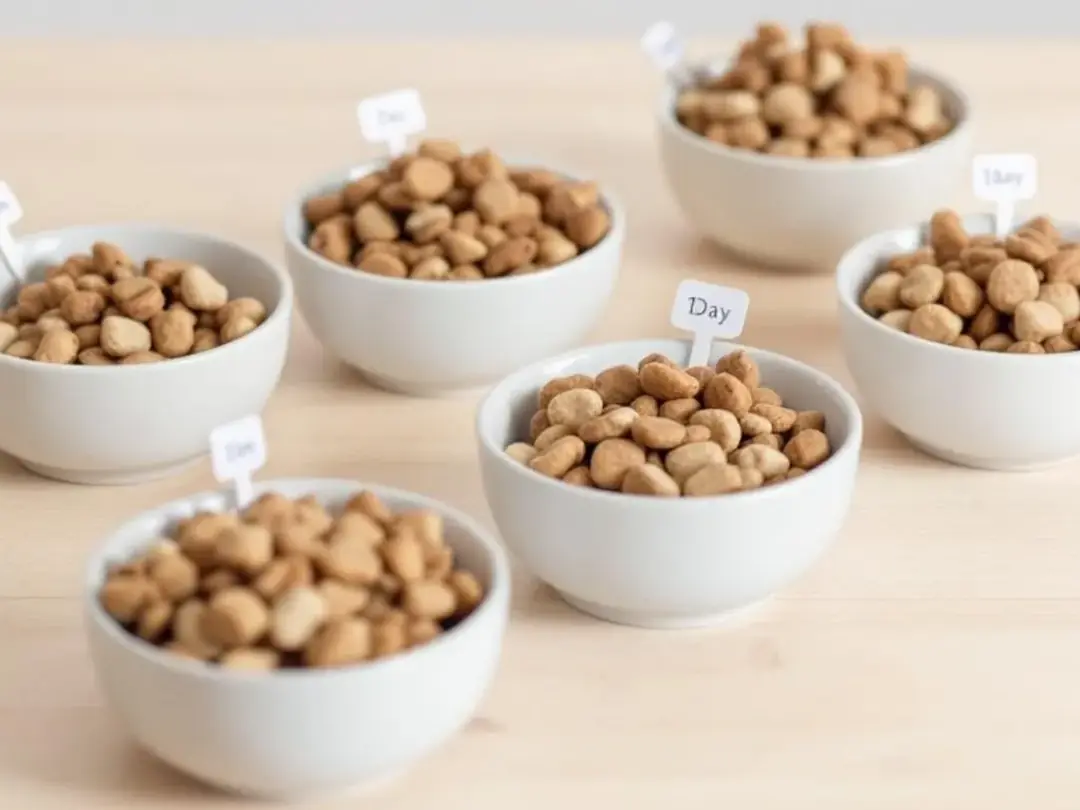
Many dogs do better on smaller, more frequent meals rather than large meals that overfill the stomach. Lower-fat foods are also commonly recommended because high-fat meals can slow stomach emptying and worsen reflux in some dogs.
Highly digestible diets may help reduce irritation and make meals easier to process. In some cases, a veterinarian may recommend a prescription diet or a more specific feeding plan based on the dog's symptoms and history.
If your dog already has a sensitive stomach or frequent digestive upset, our best dog food for a sensitive stomach guide may be a useful next step when thinking about feeding options.
Possible Complications
If acid reflux is left untreated, it can lead to more serious problems. Ongoing acid exposure can damage the esophagus, make swallowing painful, and increase the risk of chronic inflammation or ulceration.
One of the most serious risks is aspiration pneumonia, which can happen if stomach contents are inhaled into the lungs. This is one reason repeated regurgitation, coughing, or breathing changes should never be ignored.
Long-term discomfort can also lead to poor appetite, weight loss, and reduced quality of life. That is why persistent reflux symptoms deserve proper veterinary attention rather than home guessing alone.
Long-Term Management and Prevention
Some dogs recover from reflux once the trigger is addressed, while others need longer-term management. That may include staying on a specific diet, avoiding high-fat treats, maintaining a healthy weight, and following a medication plan if prescribed.
Consistency matters. Dogs with chronic reflux often do best when meals, medications, and routines stay predictable. Sudden diet changes or repeated trigger foods can make symptoms flare again.
Regular follow-up with your veterinarian is also important, especially if symptoms return or never fully resolve. Long-term management is often about control and comfort rather than a one-time fix.
When to Seek Emergency Veterinary Care
Some reflux symptoms can wait for a regular veterinary appointment, but others should be treated as more urgent. Trouble breathing, repeated vomiting, vomiting blood, severe lethargy, or signs of aspiration pneumonia all need prompt medical attention.
Dogs that stop eating, become dehydrated, or seem unable to swallow normally should also be evaluated quickly. If symptoms are escalating rather than improving, it is safer to call your veterinarian sooner rather than later.
When in doubt, especially if breathing or swallowing is involved, it is best to treat the situation as urgent and get professional guidance.
FAQ
Common Questions About Acid Reflux in Dogs
These quick answers cover some of the most common questions dog owners have about reflux symptoms, treatment timing, long-term management, and breed-related risk.
Can I give my dog human antacids for acid reflux?
No, not without veterinary approval. Some human medications are unsafe for dogs, and the right treatment depends on the cause of the symptoms.
How long does acid reflux treatment take to work in dogs?
Some dogs improve within days to a couple of weeks, but healing time depends on how severe the irritation is and whether there is an underlying condition involved.
Is acid reflux in dogs always a lifelong condition?
No. Some dogs recover once the trigger is addressed, while others need longer-term management if the problem is chronic or structural.
Can stress make acid reflux worse in dogs?
Yes, stress can affect digestion and may contribute to reflux symptoms in some dogs, especially when other digestive issues are already present.
Are some breeds more likely to have acid reflux?
Yes. Brachycephalic breeds such as pugs, bulldogs, and French bulldogs may be at higher risk because of their anatomy and related digestive pressure issues.


