
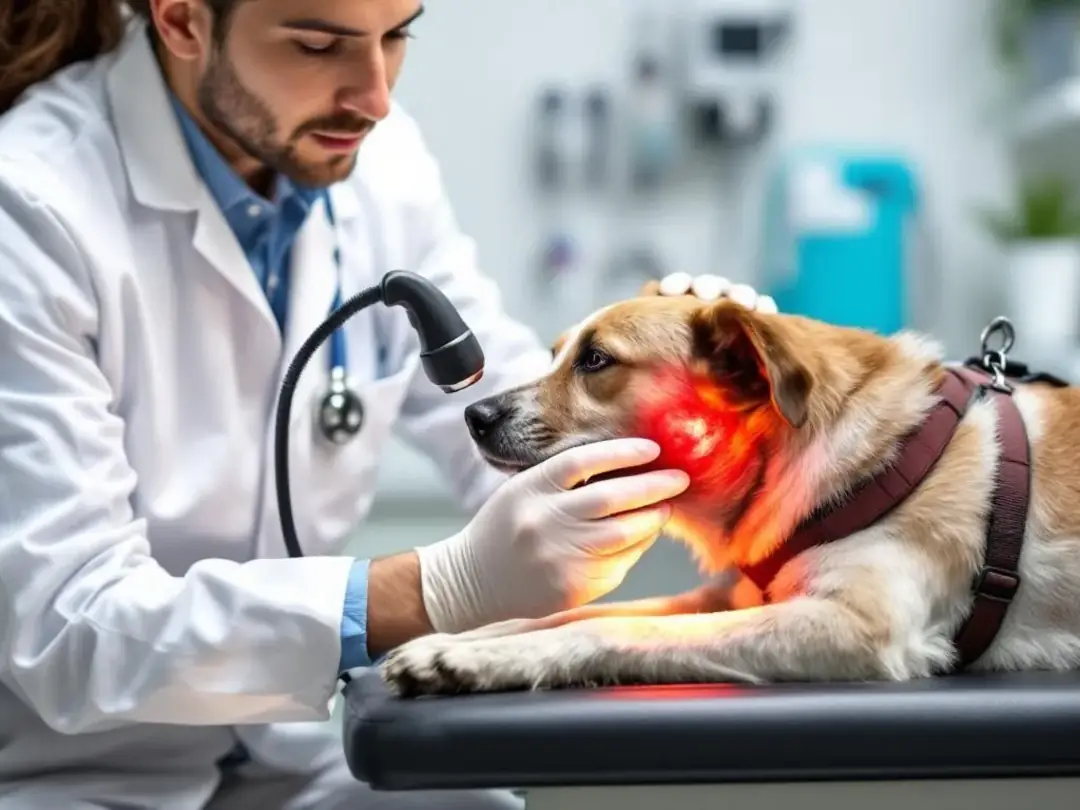

A yeast infection on dog skin or in the ears usually happens when naturally present yeast overgrows and starts causing irritation, odor, itching, and inflammation.
If you are trying to figure out whether your dog's symptoms point to irritation, infection, or another health issue, our why is my dog shaking guide is a useful next read because discomfort often shows up in both skin symptoms and behavior changes.
Key Takeaways
- Yeast infections are caused by overgrowth of naturally present yeast, often Malassezia.
- Common signs include odor, itching, redness, greasy skin, and ear discharge.
- Skin folds, floppy ears, allergies, and moisture can all increase risk.
- Veterinary diagnosis matters because yeast can look like other skin or ear problems.
- Prevention usually focuses on dryness, hygiene, grooming, and managing underlying causes.
What a Yeast Infection on a Dog Actually Is
A yeast infection on a dog usually means yeast that normally lives on the skin or in the ears has overgrown enough to cause symptoms. The most common yeast involved is Malassezia, which is not always a problem until the skin environment changes in a way that lets it multiply too much.
That change may come from allergies, trapped moisture, skin folds, immune issues, or other underlying health problems.
The yeast may be visible in the symptoms, but it is often not the whole story.
Common Signs to Watch For
Common signs include a musty or sweet odor, red or inflamed skin, greasy or scaly patches, itching, licking, scratching, darkened skin, and hair loss in affected areas. If the ears are involved, you may also see brown waxy discharge, head shaking, and sensitivity around the ears.
Dogs often make the problem worse by scratching and licking, which adds more irritation and can lead to secondary infection.
When the skin is miserable, the dog usually makes that obvious.
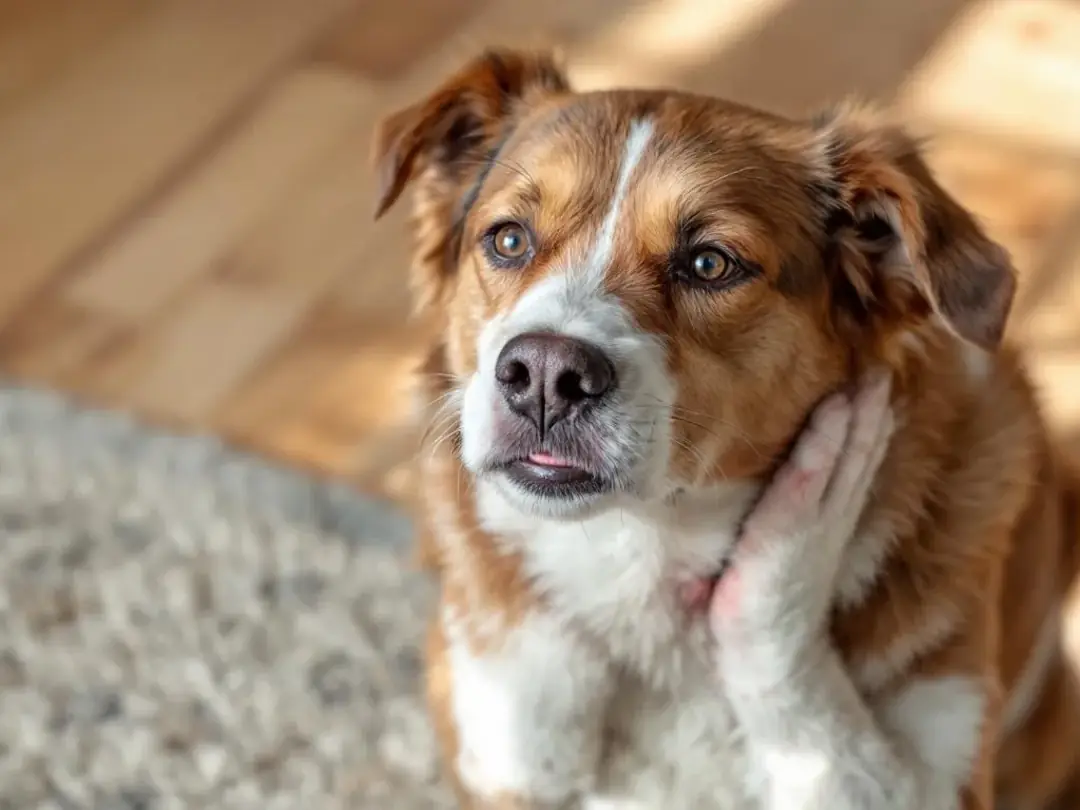
Where Yeast Infections Commonly Show Up
Yeast tends to thrive in warm, moist, low-airflow areas.
Common locations include the ears, paws, armpits, groin, skin folds, around the mouth, and under the tail. Dogs with deep wrinkles, floppy ears, or heavy coat density often have more trouble in these areas because moisture and debris are easier to trap.
That is one reason some dogs seem to get the same infection in the same place over and over again.
Yeast likes the places that stay warm, damp, and hard to air out.
Why Some Dogs Are More Prone Than Others
Dogs with allergies, skin folds, floppy ears, hormonal disorders, immune issues, or frequent moisture exposure are often more prone to yeast infections. Bulldogs, Cocker Spaniels, Golden Retrievers, Poodles, and other breeds with these traits often show up repeatedly in yeast-related cases.
Allergies are especially important because they create inflammation that changes the skin barrier and makes overgrowth easier.
For many dogs, the infection keeps returning because the trigger keeps returning.

Why Diagnosis Matters
Not every itchy, red, smelly patch is yeast.
Bacteria, mites, allergies, hot spots, and other skin conditions can look similar. A veterinarian may use skin samples, ear cytology, or other tests to confirm whether yeast is actually present and whether another problem is involved too.
Treating the wrong thing can delay relief and make the condition harder to control.
Skin irritation is a clue. It is not a final answer.
How Yeast Infections Are Treated
Treatment depends on where the infection is and how severe it is. It may include antifungal creams, medicated shampoos, ear drops, oral medication, or a combination of these. The treatment plan often also needs to address the underlying cause, such as allergies or hormonal imbalance, or the infection may come back.
That is why treatment is often more than just putting something on the skin.
Clearing the yeast is only part of fixing the problem.
What You Can Do at Home
Home care should support treatment, not replace diagnosis.
At home, the most useful steps are keeping affected areas clean and dry, following the treatment plan exactly, staying on top of grooming, and avoiding random DIY remedies unless your veterinarian specifically approves them. Moisture control matters a lot, especially in ears, paws, and skin folds.
Many home remedies sound harmless but can irritate already inflamed skin.
When the skin barrier is damaged, guessing gets expensive fast.
How to Help Prevent Recurrence
Prevention usually means regular grooming, drying the dog well after baths or swimming, cleaning ears when recommended, managing allergies, and watching high-risk areas before they flare up. Dogs with chronic yeast problems often need a long-term maintenance plan rather than one-time treatment.
That plan may include diet changes, allergy control, medicated bathing, or more frequent skin and ear checks.
If the same infection keeps returning, prevention has to become part of the routine.

When to See a Veterinarian
Do not wait too long on skin and ear infections.
You should contact a veterinarian if your dog has strong odor, worsening redness, open sores, repeated scratching, pain, ear discharge, head shaking, or infections that keep coming back. Prompt care matters because untreated yeast problems can become chronic and much harder to manage.
If the dog seems miserable, the problem is already important.
Skin issues are easier to control early than after weeks of irritation.
FAQ
Common Questions About Yeast Infection on Dog
These quick answers cover common questions about symptoms, causes, treatment, and recurrence.
What does a yeast infection on a dog look like?
It often looks red, irritated, greasy, itchy, or darkened, and may have a musty odor.
Can yeast infections happen in the ears too?
Yes. Yeast commonly affects the ears and may cause brown discharge, odor, head shaking, and scratching.
Why does my dog keep getting yeast infections?
Recurring infections are often linked to allergies, moisture, skin folds, hormonal issues, or other underlying health problems.
Can I treat it at home?
Home care can help support treatment, but a veterinarian should confirm the diagnosis before you try to treat it.
When should I worry?
Worry when the dog has pain, strong odor, open sores, repeated ear issues, or symptoms that keep getting worse.


