
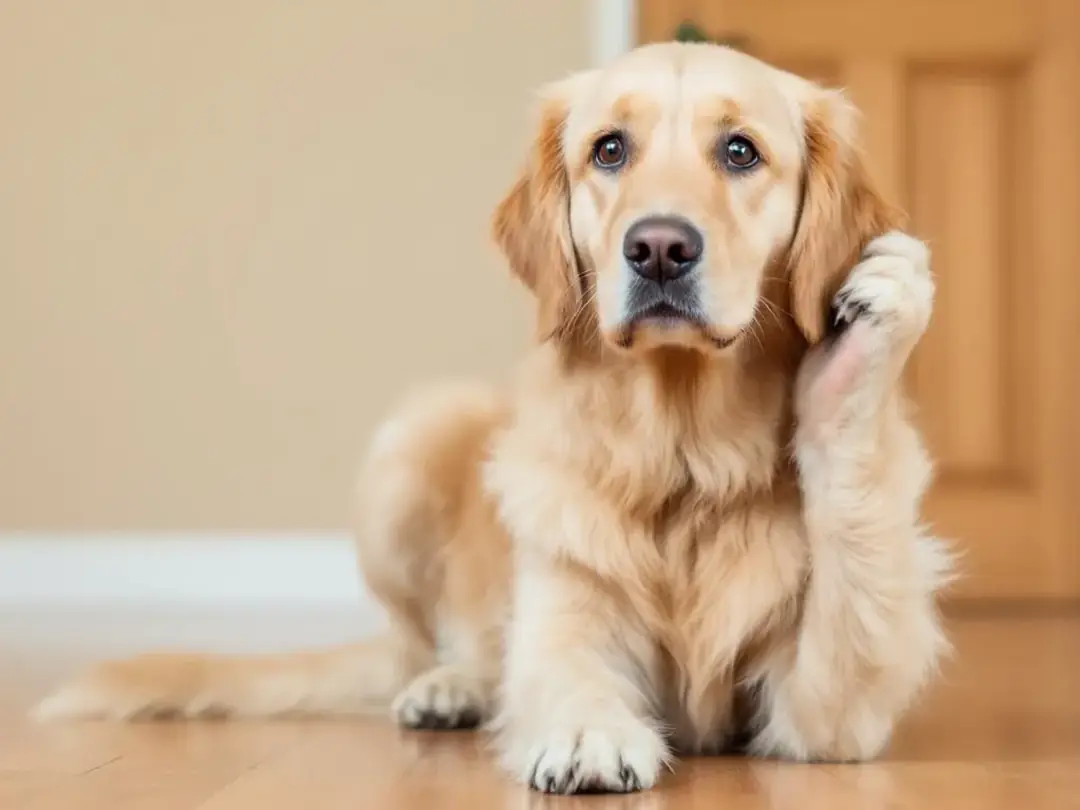

Yeast in dogs ears is a common problem that can cause itching, odor, discharge, and a lot of discomfort if it is not treated properly.
If you are trying to figure out whether your dog's symptoms point to irritation, infection, or another health issue, our why is my dog shaking guide is a useful next read because behavior changes and physical discomfort often show up together.
Key Takeaways
- Yeast ear infections are commonly caused by overgrowth of naturally present yeast.
- Common signs include brown discharge, odor, itching, redness, and head shaking.
- Floppy-eared and allergy-prone dogs are often at higher risk.
- Veterinary diagnosis is important because yeast, bacteria, and mites can look similar.
- Prevention usually focuses on keeping ears dry, clean, and managing underlying causes.
What Yeast in Dogs Ears Actually Means
Yeast in dogs ears usually refers to an overgrowth of yeast in the ear canal, most often Malassezia, which normally exists in small amounts on the skin and in the ears. The problem starts when the ear environment becomes warm, moist, inflamed, or otherwise unbalanced enough for that yeast to multiply too much.
That is why yeast is not always the original problem. Sometimes it is the result of another issue that made the ear vulnerable in the first place.
The infection may be in the ear, but the reason behind it is not always just the ear.
Common Signs of a Yeast Ear Infection
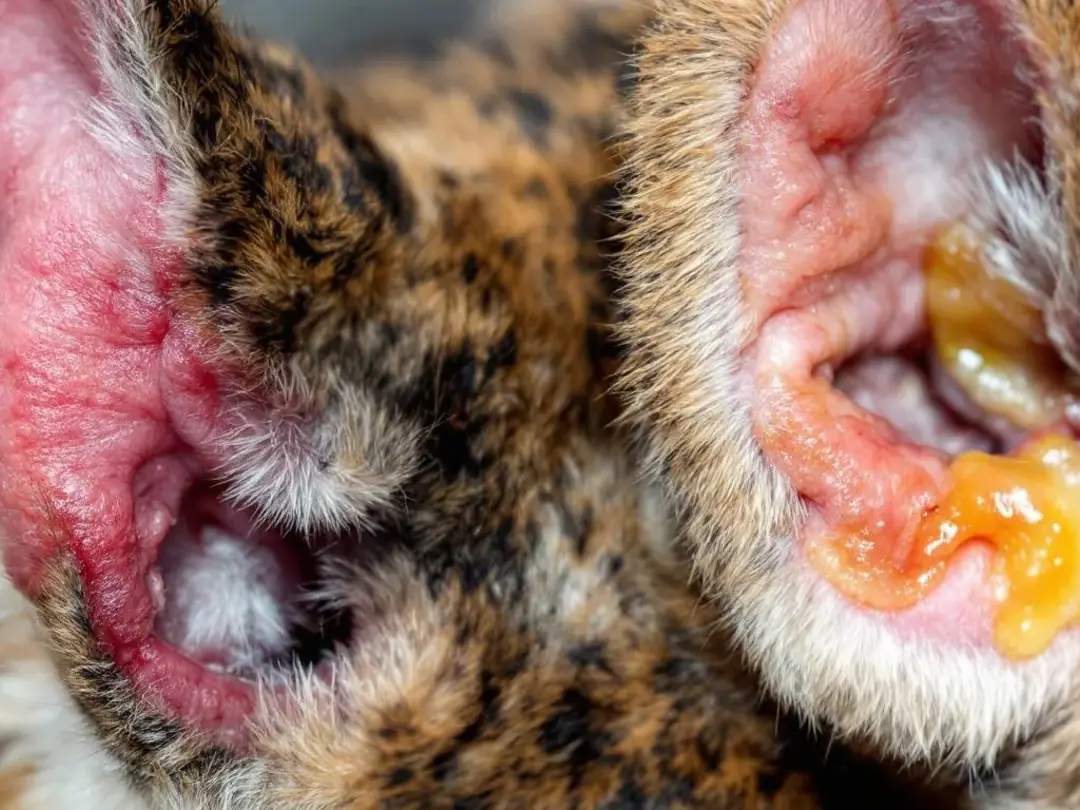
Common signs include brown or dark waxy discharge, a musty or sweet odor, redness, swelling, frequent head shaking, scratching at the ears, and sensitivity when the ears are touched. Some dogs also seem restless, irritable, or less interested in normal activity because the ears are so uncomfortable.
In more advanced cases, the dog may tilt the head, lose balance, or resist having the head handled at all.
When the ears hurt, the whole dog often acts different.
Why Some Dogs Get Them More Often
Some dogs are simply more prone to ear problems than others.
Dogs with floppy ears, heavy ear hair, allergies, skin disease, frequent swimming, or chronic moisture in the ears are often more likely to develop yeast infections. Breeds like Cocker Spaniels, Basset Hounds, Golden Retrievers, and Poodles often show up on that list.
Allergies are one of the biggest recurring drivers because they create inflammation that changes the ear environment.
For many dogs, the yeast is recurring because the trigger is recurring.
Why Diagnosis Matters
Not every ear infection is caused by yeast. Bacteria, ear mites, foreign material, allergies, and even deeper ear disease can create similar symptoms. That is why a veterinary exam matters. Looking into the ear and checking a sample under the microscope helps confirm what is actually there.
Treating the wrong thing can waste time and make the ear worse.
An itchy ear is a symptom. It is not a diagnosis.
How Yeast Ear Infections Are Treated
Treatment usually starts with cleaning and the right medication.
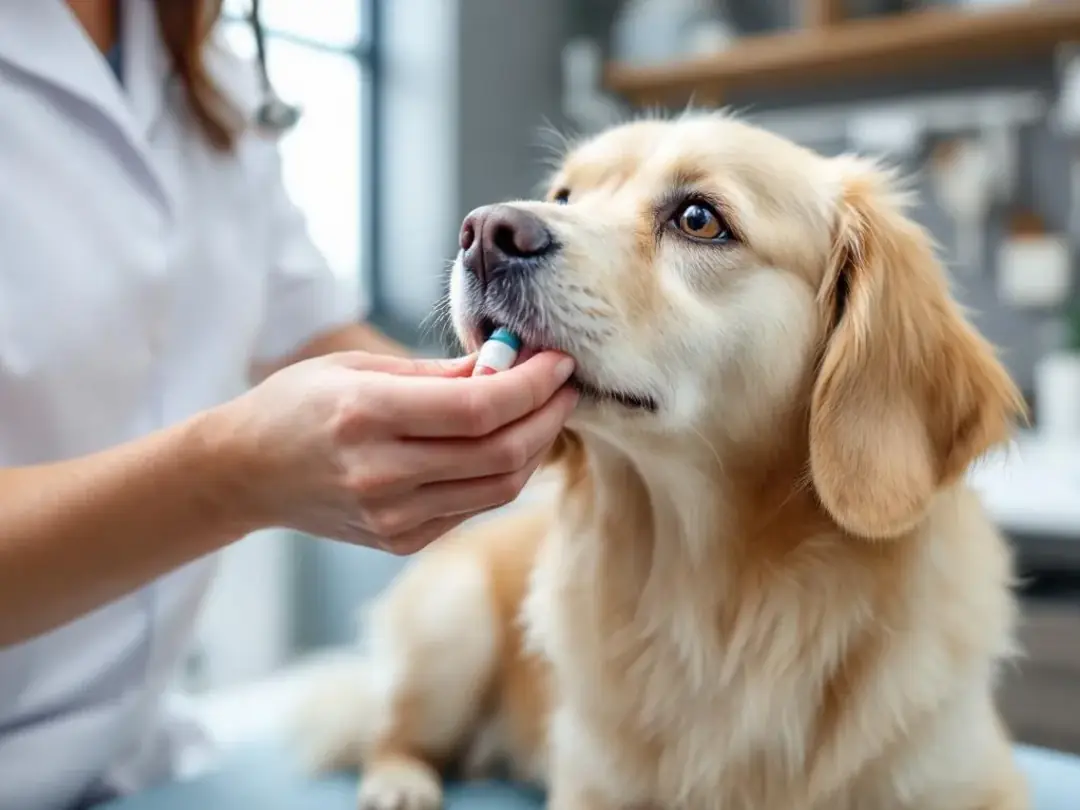
Veterinarians often clean the ears and prescribe antifungal ear medication, sometimes combined with anti-inflammatory or antibacterial ingredients depending on what else is present. Treatment may last days or weeks depending on severity, and follow-up may be needed for chronic or stubborn cases.
If the dog has an underlying allergy or hormonal issue, that also has to be addressed or the infection may keep coming back.
Clearing the yeast is one job. Preventing the next round is another.
What You Can Do at Home
Home care usually means following the treatment plan exactly, using only vet-approved ear cleaners or medications, and keeping the ears dry after baths or swimming. It also means not putting random home remedies into the ear, especially if the eardrum has not been checked.
Many well-meant DIY treatments can irritate the ear more or delay proper care.
The ear canal is not a place to experiment.
How to Help Prevent Recurrence
Prevention usually comes down to moisture, maintenance, and underlying causes.
Regular ear checks, proper drying after water exposure, routine cleaning when recommended, and managing allergies can all help reduce recurrence. Dogs that get repeated ear infections often need a longer-term plan rather than one-time treatment.
That plan may include diet changes, allergy management, grooming adjustments, or more regular ear care.
If the same infection keeps returning, the same prevention plan is probably not enough.
When to See a Veterinarian
You should see a veterinarian if your dog has odor, discharge, repeated scratching, pain, swelling, head tilting, balance changes, or recurring ear problems. Prompt care matters because untreated infections can become chronic, painful, and much harder to fix.
If the dog seems painful or the symptoms are getting worse, waiting is usually the wrong move.
Ear infections are easier to treat early than late.
FAQ
Common Questions About Yeast in Dogs Ears
These quick answers cover common questions about symptoms, causes, treatment, and prevention.
What does yeast in dogs ears look like?
It often looks like brown or dark waxy discharge with redness, irritation, and frequent scratching or head shaking.
What does a yeast ear infection smell like?
Many owners notice a musty, sweet, or stale odor coming from the ear.
Can I treat it at home?
You should not guess at treatment. A veterinarian should confirm whether the problem is yeast, bacteria, mites, or something else before treatment starts.
Why does it keep coming back?
Recurring infections are often linked to allergies, moisture, ear shape, grooming issues, or other underlying health problems.
When is it urgent?
It is more urgent if your dog seems painful, has swelling, balance problems, head tilt, or repeated ear infections.


