

Key Takeaways
-
Sudden indoor peeing in previously house-trained dogs usually indicates medical issues like UTIs, diabetes, kidney disease, bladder infections, or Cushing's disease that require immediate veterinary attention
-
Behavioral causes such as anxiety from household changes, territorial marking, or cognitive decline in senior dogs can trigger unexpected urination indoors
-
Weather conditions, arthritis pain, and incontinence are common physical factors that prevent dogs from reaching their outdoor potty areas
-
Never punish your dog for indoor accidents as this worsens anxiety and behavioral issues - focus on identifying and treating the underlying cause
-
Clean accidents thoroughly with enzymatic cleaners to remove scent markers that may encourage repeat incidents in the same location
Introduction to the Issue
Dog peeing in the house is a challenge that many pet owners face, even when their adult dog has been reliably house trained for years. When a dog suddenly starts peeing indoors, it can be both confusing and stressful for everyone in the household. While it's easy to assume your pet is acting out, the truth is that peeing in the house is often a sign of underlying health issues or behavioral problems that need attention. Understanding why your dog is having accidents is the first step toward finding a solution and restoring harmony at home. In this article, we'll break down the most common reasons for a dog peeing in the house, from medical conditions to changes in routine, and offer practical advice to help you and your pet get back on track.

Medical Reasons Why Your Dog is Suddenly Peeing Inside
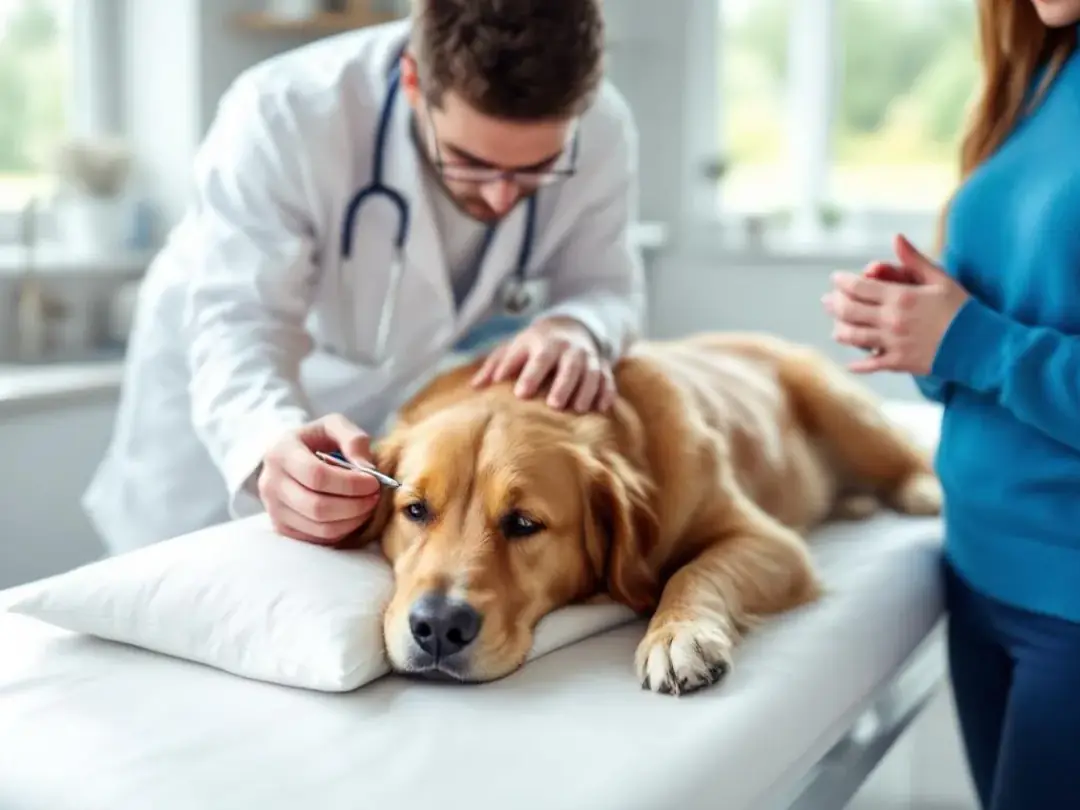
Medical conditions are by far the most common reason for sudden house soiling in previously house-trained dogs. When illness strikes, it can override years of training by creating urgent physical needs your dog simply cannot control. Any condition causing increased thirst, frequent urination, or difficulty controlling bladder function will lead to indoor accidents. In fact, certain health problems such as infections, hormonal imbalances, or organ dysfunction can all contribute to urinary issues.
If you notice your dog suddenly peeing indoors, the key indicator of medical causes is that your dog genuinely cannot help themselves-they're not choosing to pee inside, but rather responding to overwhelming physical urges. You might notice your dog trying to get outside more frequently, drinking more water than usual, or showing signs of distress when accidents happen.
Most veterinarians recommend seeking examination within 24-48 hours of sudden behavior changes, especially if accompanied by other symptoms like lethargy, changes in appetite, or visible discomfort. Early intervention often prevents minor issues from becoming serious health problems, and helps determine if a medical issue is the underlying cause.
Urinary Tract Infections and Bladder Issues
A urinary tract infection is one of the most frequent culprits behind sudden indoor peeing. Bladder infections are another common cause of urinary issues, leading to similar symptoms of urgency and discomfort. UTIs create inflammation in the bladder wall, causing intense urgency and frequent urination that your dog cannot ignore. Even the most well-trained adult dog will have accidents when a urinary tract infection makes waiting impossible.
Female dogs face higher UTI risk due to their shorter urethras, which allow bacteria easier access to the bladder. Senior dogs and those with diabetes also show increased susceptibility. Common symptoms include frequent urination in small amounts, straining to urinate, blood in the urine, and a strong, unpleasant urine odor.
Bladder stones and crystals create similar urgency by irritating the urinary tract. These mineral formations cause pain and inflammation, leading to frequent attempts to urinate and inevitable indoor accidents. Kidney infection can also cause similar symptoms and should be ruled out by a veterinarian. Some dogs with bladder stones will repeatedly return to the same spot indoors, creating a pattern that owners might initially mistake for behavioral marking.
Treatment typically involves antibiotics for infections and dietary changes or surgical removal for stones. Most dogs show improvement within 48-72 hours of starting appropriate treatment, with complete resolution in one to two weeks.
Diabetes and Endocrine Disorders
Diabetes mellitus dramatically increases both thirst and urination frequency, overwhelming even the most dedicated house-trained dog. When blood sugar levels run high, the kidneys work overtime to filter excess glucose, producing large volumes of urine that require frequent elimination. Dogs with diabetes may not produce enough insulin, which leads to excessive urination. They often drink excessive amounts of water and need potty breaks every few hours.
Cushing's disease, also known as hyperadrenocorticism, affects the adrenal glands and is caused by excess cortisol. It causes similar symptoms of excessive thirst and increased urination. Dogs with this condition may also show increased appetite, panting, and a pot-bellied appearance. The constant need to urinate makes indoor accidents inevitable without more frequent outdoor access.
Kidney disease progressively impairs the body's ability to concentrate urine and filter waste products effectively. Monitoring blood pressure is an important part of diagnosing and managing kidney disease, as high blood pressure can worsen kidney damage. As kidney function declines, dogs produce larger volumes of dilute urine and cannot hold their bladder as long as before. Early kidney disease often presents as subtle increases in drinking and urination before progressing to more obvious symptoms.
These conditions require ongoing medical management but respond well to appropriate treatment. A veterinarian may prescribe medication or recommend a prescription diet to regulate blood sugar, support kidney function, or manage other underlying issues. Adjusted schedules can also restore quality of life for most affected dogs.
Age-Related Incontinence and Cognitive Decline
Urinary incontinence becomes increasingly common in senior dogs, particularly spayed female dogs who develop urethral sphincter weakness. This condition, known as urethral sphincter mechanism insufficiency, causes involuntary urine leakage, especially during sleep or rest. Unlike behavioral issues, dogs with incontinence have no control over these accidents. Kidney failure and other kidney problems are also common in older dogs and can contribute to house soiling or urinary accidents, so a veterinary diagnosis is important to determine the underlying cause.
Male dogs can develop similar issues due to prostate problems or nerve damage affecting bladder control. Senior dog incontinence often presents as wet bedding, dribbling urine, or small puddles where the dog has been lying down.
Canine cognitive dysfunction, sometimes called dog dementia, affects memory and spatial awareness in older pets. Dogs with cognitive decline may forget their house training or become confused about appropriate elimination locations. They might stand at the wrong door, eliminate in corners they previously avoided, or seem disoriented about their normal routine.
Fortunately, several medication options can help manage incontinence. Phenylpropanolamine strengthens sphincter muscle tone, while hormone therapy can be effective for spayed females. Environmental accommodations like washable bedding, doggie diapers, and easier outdoor access help maintain comfort and dignity. For dogs with chronic kidney problems, a veterinarian may recommend a prescription diet to help manage the condition.
Health Issues in Female Dogs
Female dogs are especially vulnerable to certain health issues that can lead to urinary tract problems and house soiling. Urinary tract infections (UTIs) are a frequent culprit, as bacteria can easily enter the urinary tract and cause inflammation, pain, and frequent urination. Bladder stones are another concern for female dogs, forming as mineral deposits in the bladder and often resulting in discomfort and an urgent need to urinate. Kidney disease is also more common in senior dogs, including females, and can cause increased thirst and more frequent urination, making it difficult for your dog to hold it until she gets outside. If your female dog suddenly starts peeing in the house, it's important to consider these health problems before assuming it's a behavioral issue. A veterinary checkup can help identify urinary tract infections, bladder stones, kidney disease, or other health issues that may be causing the change in potty behavior. Early diagnosis and treatment are key to resolving house soiling and keeping your dog healthy and comfortable.
Behavioral Causes of Sudden Indoor Peeing
While medical issues top the list of sudden house soiling causes, behavioral factors can also trigger unexpected changes in potty habits. The key difference is that behavioral urination often occurs in specific contexts-during storms, when left alone, or in response to particular triggers-rather than the random, frequent accidents typical of medical conditions.
Behavioral house soiling usually involves smaller volumes of urine and may show patterns related to timing, location, or environmental factors. Dog's anxiety can contribute to a dog's house soiling, as anxious dogs may pee in the house when exposed to stressors or changes in their environment. Dogs experiencing anxiety or stress might urinate immediately upon seeing a trigger, while territorial marking typically involves small amounts deposited on vertical surfaces or new objects.
Understanding why dogs pee in the house due to anxiety or stress is crucial. Identifying the underlying causes of a dog's house soiling, whether behavioral or medical, is key to resolving the issue.
Anxiety and Stress-Related Urination
Dogs experiencing significant stress often lose control of their bladder as part of their physiological response to anxiety. Thunderstorms, fireworks, construction noise, or other loud noises can trigger immediate urination in sensitive dogs. Addressing a dog's anxiety is crucial for managing stress-related urination, and consulting a veterinarian can help identify underlying causes and effective solutions. This stress response is involuntary and should never be punished.
Separation anxiety frequently manifests through urinary accidents when dogs are left alone. The distress of being separated from their family overwhelms normal bladder control, leading to accidents that occur specifically during solo time. These dogs often show other anxiety symptoms like destructive behavior, excessive vocalization, or attempts to escape.
Submissive urination appears most commonly in rescue dogs or those with traumatic backgrounds. When these dogs perceive dominance or threat-even from well-meaning corrections-they may urinate as an appeasement gesture. Young dogs and naturally timid personalities also show this response to perceived authority.
Managing stress-related urination requires addressing the underlying anxiety through environmental modifications, gradual desensitization, and sometimes anti-anxiety medications prescribed by veterinarians. It is important for owners to remain calm when accidents occur, as this helps prevent further anxiety. Potty pads can be used as a temporary solution for dogs with anxiety-related accidents, especially while working on long-term management. Maintaining calm energy, avoiding punishment, and creating safe spaces help reduce overall stress levels.
Territorial Marking Behavior
Urine marking differs significantly from regular urination in both volume and purpose. While emptying the bladder produces large puddles, marking involves small amounts of urine deposited deliberately to communicate territory or social status. Territorial behavior is a natural instinct that leads some dogs to pee indoors as a way of marking their territory. Dogs typically mark on vertical surfaces, corners, or new objects that carry interesting scents.
Intact males show the highest tendency toward marking territory, but neutered dogs and female dogs can also develop this behavior, especially in response to triggers. A new pet in the household, frequent visitors, new furniture, or even the scent of other dogs from outside can provoke marking episodes where dogs pee to assert their presence.
Environmental changes often trigger sudden marking in previously well-behaved dogs. Moving to a new home, rearranging furniture, or introducing a new baby or pet can prompt dogs to reassert their territorial claims through strategic urine deposits.
Neutering significantly reduces marking behavior in unneutered males, often eliminating the problem entirely when performed before the behavior becomes habitual. For dogs who continue marking after neutering, consistent supervision, immediate redirection, and thorough cleaning of marked areas helps break the pattern.
Environmental and Routine Changes
Dogs thrive on predictable routines, and sudden changes can disrupt even the most reliable potty habits. Moving to a new home, changes in work schedules, or family additions like a new baby or new puppy can throw off established patterns and lead to accidents. Bringing a new puppy into the home can disrupt established routines for existing dogs and may cause housetraining setbacks or regression.
Bad weather presents a particularly common challenge for many dogs. Rain, snow, extreme heat, or cold can make dogs reluctant to go outside, leading to delayed elimination and eventual indoor accidents. Small dogs and those with thin coats show particular sensitivity to weather conditions. Setbacks in potty training are common during major changes, so patience and consistency are important.
Construction noise, home renovations, or blocked access to usual outdoor areas can prevent dogs from reaching their normal elimination spots. Even temporary changes like holiday decorations or furniture rearrangement can confuse some dogs about appropriate indoor boundaries.
Maintaining consistent potty schedules even during transitions helps dogs adjust more quickly. Gradual introductions to changes, positive reinforcement for appropriate elimination, and patience during adjustment periods typically resolve environment-related accidents within a few weeks. Using potty pads as a temporary solution during transitions can help manage accidents while your dog adapts.
Physical Limitations Causing Indoor Accidents
Sometimes dogs who understand exactly where they should eliminate simply cannot reach those locations due to physical limitations. Arthritis, joint pain, or mobility issues can make the journey to the backyard difficult or impossible, leading to accidents despite the dog's best intentions. In some cases, a dog learns that getting up is painful due to arthritis, so they may urinate where they are lying rather than risk the discomfort of moving.
These physical barriers often develop gradually in senior dogs, making the onset of accidents seem sudden when the dog finally reaches their tolerance threshold. A dog with developing arthritis might manage stairs for months before one particularly stiff morning makes the trip too painful to attempt.
Recognizing and accommodating physical limitations often resolves these accidents completely while improving your dog's overall quality of life.
Arthritis and Joint Pain
Joint pain affects a significant percentage of senior dogs and can make basic movements like standing, walking, or navigating stairs extremely difficult. A dog with arthritis may be physically unable to get up quickly enough to reach the door when they feel the urge to urinate.
Early signs of arthritis include stiffness after rest, reluctance to jump or climb stairs, and decreased activity levels. Dogs often hide pain well, so owners might not realize their pet is struggling until accidents begin occurring. Cold weather and barometric pressure changes can worsen joint pain and increase the likelihood of accidents.
Pain management through veterinarian-prescribed NSAIDs, joint supplements, and physical therapy can dramatically improve mobility and reduce accidents. Environmental modifications like ramps instead of stairs, non-slip rugs for better footing, and comfortable, supportive bedding help dogs move more confidently.
Some owners find success in creating closer outdoor access for arthritic dogs-installing a pet door to a small fenced area or teaching dogs to use pee pads as an indoor alternative during flare-ups.
Overexcitement and Submissive Urination
Excitement urination typically occurs during high-energy moments like greetings, playtime, or anticipation of treats. Young dogs and naturally exuberant personalities show this response most commonly, though it can persist into adulthood in some cases. The key characteristic is that it happens during specific exciting events rather than randomly.
This type of urination is completely involuntary-the dog's excitement overwhelms their bladder control temporarily. Puppies often outgrow excitement urination as their bladder control strengthens and they learn to manage their emotional responses.
Submissive urination appears when dogs feel intimidated or overwhelmed by dominant body language, loud voices, or perceived corrections. Rescue dogs with uncertain backgrounds often show this response initially as they learn to trust new situations and people.
Managing both conditions requires calm, low-key interactions and avoiding overwhelming situations. Greeting dogs at their level, using quiet voices, and allowing them to approach rather than reaching toward them helps reduce triggering incidents.
How to Address Sudden Indoor Peeing
Successfully resolving sudden house soiling, such as when dogs pee in the house, requires a systematic approach that identifies and treats the underlying cause while managing the immediate situation. The most important first step is determining whether you're dealing with a medical issue, such as urinary issues, or a behavioral issue.
Documentation proves invaluable during this process. Note when accidents occur, their location, volume, and any accompanying symptoms or environmental factors. Documenting urinary issues helps the veterinarian make an accurate diagnosis and develop effective treatment plans.
Remember that punishment never helps and often makes the situation worse by adding anxiety to an already stressful situation for your dog. In some cases, a veterinarian may need to prescribe medication to address underlying causes.
Immediate Steps to Take
Clean all accidents immediately and thoroughly using enzymatic cleaners specifically designed for pet urine. Remember to remain calm when cleaning up accidents, as your reaction can influence your dog's behavior. Regular household cleaners may mask odors to human noses but leave scent markers that encourage dogs to eliminate in the same place repeatedly. Enzymatic cleaners break down the proteins in urine that create these persistent odors.
Increase the frequency of potty breaks to every 2-3 hours, even if this means adjusting your schedule temporarily. More frequent opportunities to eliminate outdoors reduces the pressure on your dog's bladder and decreases the likelihood of accidents while you work to identify the underlying cause.
Monitor your dog's overall behavior, appetite, water consumption, and energy levels. Changes in any of these areas provide valuable clues about whether medical issues might be involved. Also observe the characteristics of their urine-color, odor, frequency, and volume all offer diagnostic information.
Restrict access to previously soiled areas until the problem is resolved and those areas are thoroughly cleaned. Baby gates or closed doors can prevent repeat incidents while you address the root cause. As a temporary solution, consider using potty pads in restricted areas to help manage accidents and ease the transition while you work on resolving the underlying issue.
Veterinary Consultation and Diagnosis
Prepare for your veterinary visit by collecting information about when the behavior started, any potential triggers or environmental changes, and your dog's overall health status. Bring a fresh urine sample if possible-your veterinarian can provide collection instructions if needed.
Standard diagnostic tests often include a urinalysis to check for infections, crystals, or blood, plus a urine culture to identify specific bacteria if infection is suspected. Blood work evaluates kidney function, blood sugar levels, and overall organ health that might contribute to increased urination. Blood pressure measurement may also be included, especially if kidney problems are suspected.
Depending on initial findings, your veterinarian might recommend additional tests like imaging studies to check for bladder stones or other structural abnormalities. More specialized tests can evaluate hormone levels or neurological function if other causes are ruled out. Diabetes testing may determine if your dog is producing enough insulin. Kidney problems are also a possible diagnosis that your veterinarian will consider.
Treatment varies widely based on the underlying cause but might include antibiotics for infections, medications for incontinence, dietary changes for kidney support, or insulin for diabetes management. Your veterinarian may prescribe medication or recommend a prescription diet for certain conditions. Most conditions respond well to appropriate treatment when caught early.
Long-term Management Strategies
Once you've identified and begun treating the underlying cause, focus on reestablishing reliable potty routines through consistent scheduling and positive reinforcement. Reward outdoor elimination enthusiastically while remaining neutral about any accidents that occur during the recovery process.
For dogs with chronic conditions like diabetes, kidney disease, or ongoing urinary issues, environmental modifications can minimize accidents while maintaining quality of life. This might include more frequent potty breaks, easier outdoor access, or strategically placed potty pads for emergency use. In some cases, your veterinarian may recommend a prescription diet as part of long-term management to help address specific health concerns related to urinary issues.
Regular follow-up monitoring helps catch recurring urinary issues early and adjust treatment plans as needed. Senior dogs in particular benefit from more frequent health checks that can identify developing problems before they cause major disruptions.
Prevention and Training Tips
Maintaining consistent potty training schedules and environmental management, including the use of potty pads, helps prevent urinary issues and future episodes while supporting your dog's overall health and well-being. Even after resolving the immediate crisis, continued attention to your dog's routine and needs provides the best foundation for long-term success.
Regular health monitoring through annual veterinary exams, attention to subtle behavior changes, and watching for early signs of urinary issues can catch developing problems before they cause house soiling episodes.
Cleaning and Odor Elimination
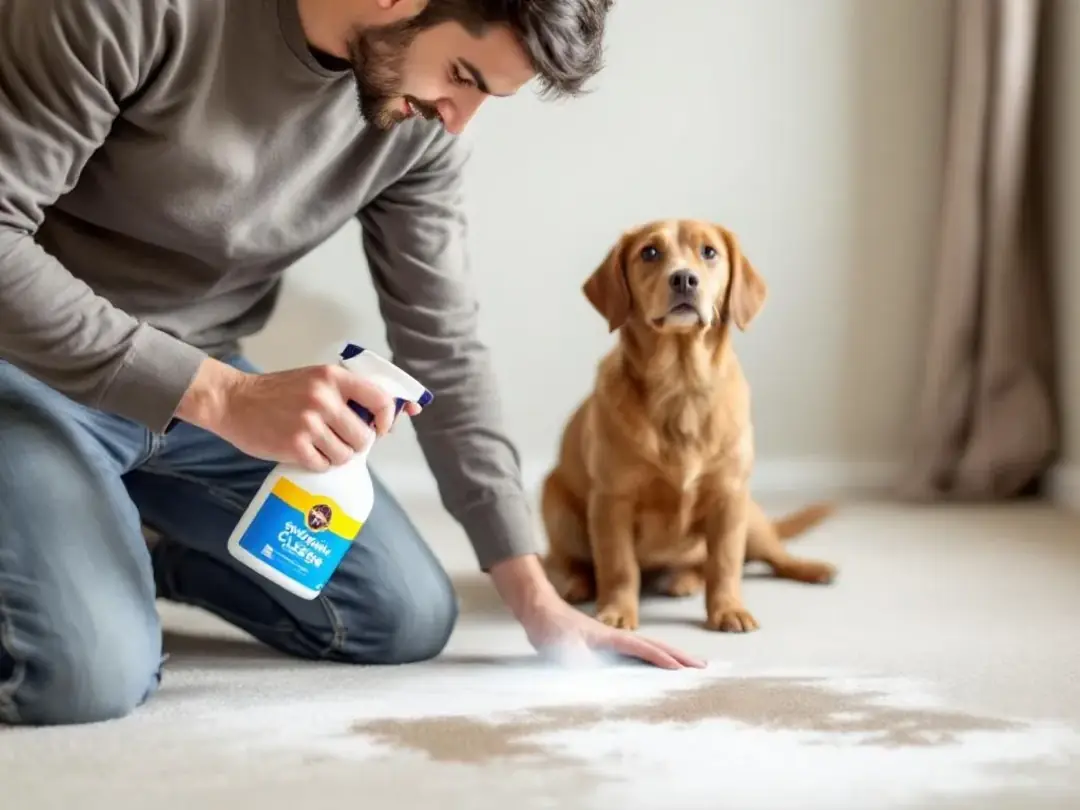
Proper cleaning technique is crucial for preventing repeat accidents in the same locations. Use enzymatic cleaners that specifically target pet urine proteins rather than general household cleaners that may leave residual odors detectable to your dog's sensitive nose.
Focus cleaning efforts on all affected areas, including carpets, upholstery, and wood flooring. Urine can penetrate deeply into porous materials, requiring thorough saturation with enzymatic cleaner and adequate drying time for complete odor elimination.
UV lights can help locate all accident spots that might not be visible to the naked eye, ensuring thorough cleaning of every affected area. In severe cases where urine has penetrated subflooring or padding, replacement may be necessary to completely eliminate odors.
Allow enzymatic cleaners to work for the full recommended time-rushing the process leaves behind odors that encourage repeat elimination in the same spots.
What NOT to Do
Never punish your dog for indoor accidents, even when you're frustrated or concerned about the behavior. Punishment increases anxiety and can worsen both medical and behavioral causes of house soiling. Your dog isn't choosing to disobey-they're responding to physical or emotional needs beyond their control.
Avoid using ammonia-based cleaners that smell similar to urine and may actually attract your dog back to the same spot. Stick with enzymatic cleaners specifically designed for pet accidents to ensure complete odor elimination.
Don't ignore sudden changes in elimination habits, hoping they'll resolve on their own. Most causes of sudden house soiling require intervention, and early treatment prevents minor issues from becoming serious health problems or entrenched behavioral patterns.
Avoid restricting water access unless specifically directed by your veterinarian. While it might seem logical to reduce input to decrease output, adequate hydration is essential for kidney function and overall health.
FAQ
How long should I wait before taking my dog to the vet for sudden indoor peeing?
You should schedule a veterinary consultation within 24-48 hours of sudden house soiling in a previously house-trained dog. If your dog shows additional symptoms like lethargy, vomiting, straining to urinate, or blood in the urine, seek immediate veterinary attention as these may indicate serious medical conditions requiring urgent treatment.
Can stress alone cause a house-trained dog to start peeing inside?
Yes, significant stress or anxiety can absolutely cause sudden indoor urination in house-trained dogs. Separation anxiety, fear of loud noises, or major environmental changes can trigger stress-related accidents. However, it's important to rule out medical causes first through veterinary examination, as stress-related urination typically occurs in specific contexts rather than randomly throughout the day.
Is it normal for senior dogs to lose bladder control, and what can be done about it?
Age-related incontinence is relatively common in senior dogs, affecting up to 15% of dogs over age 11. While not "normal" in the sense of being inevitable, it is treatable in most cases. Medications like phenylpropanolamine can strengthen bladder sphincter muscles, and hormone therapy may help spayed females. Environmental accommodations and veterinary management can significantly improve quality of life for incontinent senior dogs.
How can I tell if my dog is marking territory versus having a medical emergency?
Territorial marking typically involves small amounts of urine deposited on vertical surfaces or specific objects, often triggered by new scents or environmental changes. Medical issues usually cause larger volume accidents that occur more randomly and frequently, often accompanied by other symptoms like increased thirst or urgency. If you're unsure, it's always safer to consult your veterinarian to rule out medical causes.
What's the difference between incontinence and intentional indoor urination?
Incontinence refers to involuntary urine leakage that dogs cannot control, often occurring during sleep or rest periods. Dogs with incontinence typically have no awareness of the accidents and show no signs of distress about them. Intentional urination, whether behavioral or due to urgent medical needs, involves conscious elimination where the dog assumes a typical urination posture and is usually aware of what they're doing.


