
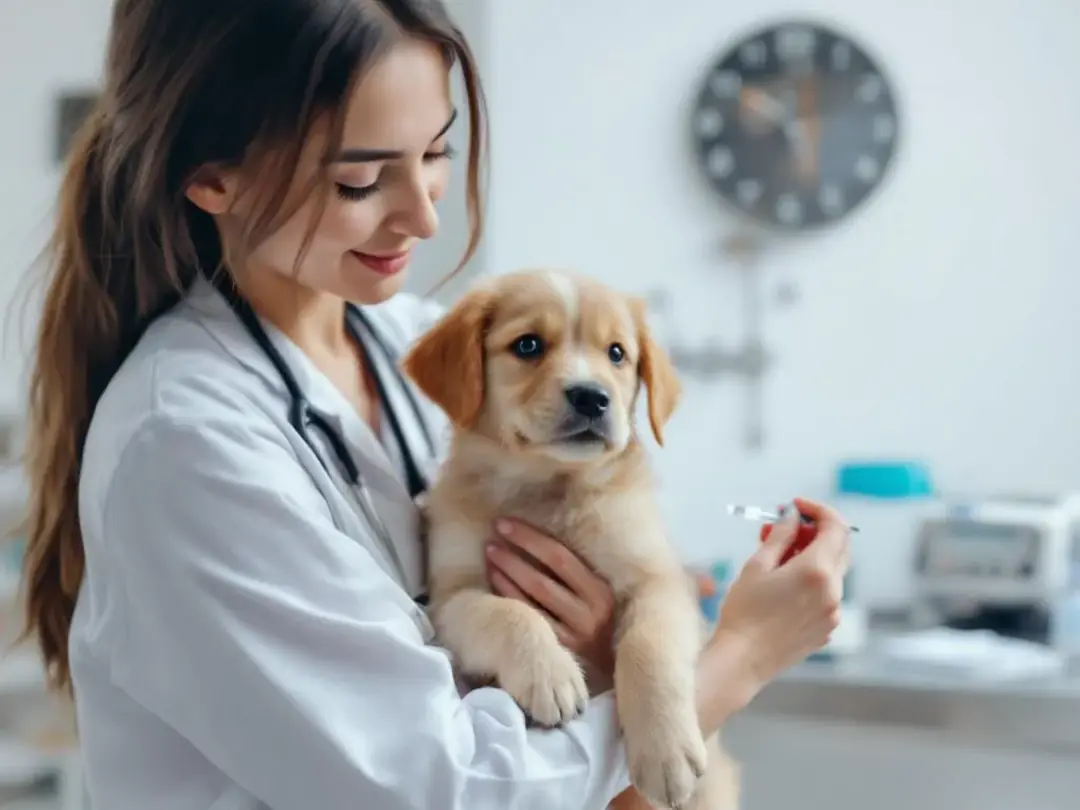

Welcoming a new puppy into your family brings immense joy and significant responsibility. Among your most critical early decisions is establishing a proper puppy vaccination schedule to protect your adorable fur baby from potentially fatal diseases. Understanding what shots do puppies need isn't just about following recommendations-it's about preventing devastating illnesses that can claim young lives within days.
This comprehensive guide will walk you through essential puppy vaccines, optional lifestyle vaccines, detailed vaccination schedules, and everything new dog owners need to know about protecting their canine companions. From core vaccines that every puppy requires to budget considerations and safety guidelines, you'll have the knowledge to make informed decisions about your furry family member's health.
Disclaimer
This content is for general educational purposes only and does not constitute medical advice. Always consult with your veterinarian to develop an appropriate vaccination plan for your specific puppy's needs, health history, and risk factors.
Essential Puppy Vaccines: Core Shots Every Puppy Needs
Core vaccines represent the foundation of any puppy vaccination schedule-these shots are considered mandatory for all puppies regardless of their lifestyle or environment. The veterinary community universally recommends these puppy vaccines because they protect against highly contagious diseases with severe consequences.
The primary core vaccine is the DHPP combination vaccine, which protects against four major diseases:
-
Distemper: A highly contagious virus affecting the respiratory, gastrointestinal, and nervous systems with a 50% fatality rate
-
Hepatitis/Adenovirus: Causes infectious canine hepatitis leading to rapid liver failure
-
Parvovirus: A devastating intestinal infection causing severe gastrointestinal symptoms, dehydration, and death in unvaccinated dogs
-
Parainfluenza: A respiratory pathogen contributing to kennel cough complex
The rabies vaccine stands as another essential core vaccine, legally required in most states and typically administered between 12-16 weeks of age. This zoonotic disease poses risks to both pets and humans, making rabies vaccination a public health priority.
Many veterinarians also include leptospirosis vaccine as part of the core protocol, creating the DHLPP combination vaccine. Leptospirosis is a bacterial disease that can cause kidney failure and liver failure, and it's transmissible to humans through infected animal urine.
These core vaccines protect against diseases that once killed 80-90% of unvaccinated puppies during outbreaks. Today, widespread vaccination has reduced these devastating losses to rare, isolated cases in areas with high vaccination compliance.
Optional Lifestyle Vaccines Based on Your Puppy's Environment
Beyond core vaccines, your veterinarian may recommend additional puppy vaccines based on your dog's expected lifestyle, geographic location, and specific risk factors. These non core vaccines, also called lifestyle vaccines, provide targeted protection for puppies with particular exposure risks.
Bordetella (Kennel Cough) Vaccine tops the list for most puppies, especially those attending dog parks, daycare facilities, boarding kennels, or grooming salons. Kennel cough is a highly contagious respiratory infection that, while rarely fatal, can progress to pneumonia in very young puppies or immunocompromised dogs.
Lyme Disease Vaccine becomes essential for puppies in endemic regions, particularly the Northeast, Midwest, and Pacific Coast areas where deer ticks carrying Borrelia burgdorferi are prevalent. This vaccine specifically targets the bacterial infection transmitted through tick bites.
Canine Influenza Vaccines protect against two strains of dog flu (H3N8 and H3N2) and are recommended for dogs in high-density environments like shelters, dog shows, or areas with known outbreaks.
Canine Coronavirus Vaccine may be suggested in some regions, though its necessity remains debated among veterinary professionals.
Your veterinarian will assess your puppy's individual circumstances-including where you live, planned activities, and exposure to other dogs-to determine which lifestyle vaccines are appropriate for your canine companions.

Puppy Vaccination Schedule: When to Get Each Shot
Understanding the typical puppy vaccination schedule is crucial for new dog owners. Puppies need multiple vaccine doses because maternal antibodies from nursing initially interfere with vaccine effectiveness, creating a "window of susceptibility" as inherited immunity fades.
Initial Puppy Shot Schedule
6-8 Weeks: First DHPP vaccine
-
Very young puppies receive their initial protection against distemper adenovirus hepatitis, parvovirus, and parainfluenza
-
Some veterinarians may include early Bordetella vaccination for high-risk environments
10-12 Weeks: Second DHPP vaccine + lifestyle vaccines
-
Second core vaccine booster strengthens developing immunity
-
Addition of lifestyle vaccines like Lyme disease vaccine, leptospirosis vaccine, or canine influenza vaccines based on risk assessment
14-16 Weeks: Third DHPP vaccine + rabies vaccination
-
Final puppy booster for core vaccines ensures adequate protection
-
First rabies shot (timing varies by local laws, typically 12-16 weeks)
-
Additional lifestyle vaccines as determined by veterinarian
Some high-risk breeds or geographic areas may require additional boosters until 18-20 weeks of age to ensure complete protection as maternal antibodies fully disappear.
First Year Booster Schedule
12-16 Months: Annual boosters and transition to adult dog vaccine schedule
-
DHPP booster shot to maintain immunity
-
Rabies booster (required by law in most jurisdictions)
-
Lifestyle vaccine boosters as appropriate
After the initial puppy series and first-year boosters, most adult dogs transition to vaccines every 1-3 years depending on the specific vaccine type and local legal requirements. Your veterinarian will establish an adult dog vaccine schedule tailored to your pet's ongoing needs.
This systematic approach ensures your puppy develops robust immunity while minimizing the risk of vaccine interference from maternal antibodies.
Diseases Puppy Vaccines Prevent
Understanding the serious conditions that puppy vaccinations prevent helps emphasize why adherence to vaccination schedules is so critical. Each disease presents distinct symptoms and potentially devastating outcomes for unvaccinated dogs.
Canine Distemper attacks multiple body systems, beginning with respiratory symptoms like coughing and nasal discharge, progressing to gastrointestinal distress, and ultimately affecting the nervous system. Infected dogs may develop seizures, paralysis, and behavioral changes. Even survivors often suffer permanent neurological damage.
Canine Parvovirus specifically targets rapidly dividing cells in the intestinal tract and bone marrow. Affected puppies develop severe, bloody diarrhea, vomiting, lethargy, and rapid dehydration. Without immediate intensive treatment, parvovirus kills most unvaccinated puppies within 48-72 hours of symptom onset.
Canine Hepatitis primarily affects the liver, causing jaundice, abdominal pain, and bleeding disorders. The disease progresses rapidly, with some infected animals dying within hours of showing symptoms.
Rabies remains invariably fatal once clinical signs appear. This zoonotic disease affects the nervous systems of infected animals and humans, causing behavioral changes, paralysis, and death. Legal requirements for rabies vaccinations exist precisely because of its public health implications.
Kennel Cough typically causes persistent, harsh coughing that sounds like honking. While usually not fatal, it can progress to pneumonia, particularly in very young puppies, senior dogs, or those with compromised immune systems.
Leptospirosis causes kidney and liver damage through bacterial infection. Infected dogs may show symptoms ranging from mild illness to organ failure and death. The disease spreads through contaminated water or soil, making outdoor dogs particularly vulnerable.
These harmful diseases remain present in the environment, making vaccination the primary defense for protecting your dog's immune system and overall health.

Puppy Vaccination Costs: What to Budget
Planning your budget for puppy vaccines cost helps new dog owners prepare financially for responsible pet ownership. Vaccination expenses vary by geographic location, veterinary clinic type, and specific vaccines required.
| Vaccine Type | Individual Cost Range | Notes |
|---|---|---|
| DHPP (core vaccine) | $20-60 per shot | Most expensive due to combination nature |
| Rabies vaccine | $20-30 per shot | Required by law in most areas |
| Bordetella | $20-40 per shot | Often required for boarding/daycare |
| Lyme disease vaccine | $25-50 per shot | Regional necessity in endemic areas |
| Canine influenza vaccines | $30-60 per shot | Two-shot series for full protection |
| Total first-year costs typically range from $150-300 for basic core vaccines, including the initial puppy series and first-year boosters. Adding lifestyle vaccines can increase costs by $50-150 depending on your puppy's specific needs. |
Cost-saving options include:
-
Low-cost vaccination clinics offered by animal shelters or pet stores
-
Pet insurance that covers preventive care (review policies carefully)
-
Package deals from veterinary clinics for complete puppy care
-
Mobile veterinary services in some areas
Remember that puppy vaccines cost significantly less than treating the diseases they prevent. Parvovirus treatment alone can cost $1,500-5,000, making vaccination an excellent investment in your pet's health and your family's financial security.
Potential Side Effects and Safety Considerations
While puppy vaccines are generally safe and effective, responsible pet owners should understand potential side effects and know when to seek immediate veterinary attention. The vast majority of puppies tolerate vaccination well, with serious adverse reactions occurring in less than 0.13% of administered doses.
Common mild reactions include:
-
Injection site swelling or tenderness lasting 24-48 hours
-
Mild lethargy or decreased appetite for 1-2 days
-
Low-grade fever
Serious reactions requiring immediate veterinary care:
-
Facial swelling, particularly around the eyes and muzzle
-
Difficulty breathing or wheezing
-
Collapse or severe weakness
-
Persistent vomiting or diarrhea
-
Severe lethargy lasting more than 48 hours
Certain breeds show increased sensitivity to vaccines, particularly German Shepherds, Collies, and other herding breeds. Discuss breed-specific considerations with your veterinarian when planning your puppy shot schedule.
Post-vaccination monitoring guidelines:
-
Observe your puppy for 24 hours after each vaccination
-
Limit strenuous activity for 24-48 hours
-
Contact your veterinarian if concerns arise
-
Keep vaccination records for future reference
The benefits of vaccination far outweigh the risks for virtually all puppies. The diseases prevented by vaccines pose significantly greater threats than the vaccines themselves.
Age and Health Restrictions for Puppy Vaccines
Several factors determine when puppies can safely receive vaccines. Age restrictions speak to the developing immune system's ability to respond appropriately to vaccination, while health considerations ensure vaccines are given when they'll be most effective.
Minimum age requirements:
-
Most puppy vaccines begin at 6-8 weeks of age
-
Rabies vaccination typically starts at 12-16 weeks
-
Some vaccines require puppies to be at least 9 weeks old
Health status considerations:
-
Sick puppies should delay vaccination until fully recovered
-
Puppies with compromised immune systems may need modified schedules
-
Pregnant dogs require special vaccination protocols
-
Puppies on certain medications may need timing adjustments
Maternal antibody interference: Very young puppies retain antibodies from their mother's milk, which can neutralize vaccines and prevent proper immune development. This is why the typical vaccination schedule recommended includes multiple boosters-to ensure protection develops as maternal immunity naturally declines.
Pre-vaccination veterinary examination: Every puppy should receive a thorough health assessment before vaccination to identify any conditions that might affect vaccine safety or efficacy. This evaluation considers the puppy's overall health, growth patterns, and any previous medical history.
Elderly and immunocompromised dogs in the household may require special considerations to protect them from disease exposure during the puppy's vaccination period.

Frequently Asked Questions About Puppy Shots
How many shots does my puppy need? A typical puppy vaccination schedule includes 3-4 rounds of core vaccines (DHPP) given every 3-4 weeks from 6-8 weeks until 16-20 weeks of age, plus rabies vaccination and any recommended lifestyle vaccines. This equals approximately 4-6 total vaccination appointments during puppyhood.
Can I delay puppy vaccines if my dog seems healthy? Delaying vaccination significantly increases your puppy's risk of contracting potentially fatal diseases. Puppies appear healthy until disease symptoms appear suddenly, often progressing rapidly. The vaccination schedule is designed to protect during the most vulnerable period when maternal immunity fades.
What happens if I miss a puppy shot appointment? Contact your veterinarian immediately to reschedule. Depending on how much time has passed, you may need to restart portions of the vaccination series. Missing shots creates gaps in protection when your puppy remains vulnerable to infectious diseases.
Are puppy vaccines the same for all dog breeds? The core vaccines remain consistent across breeds, but timing and additional vaccines may vary. Large breed puppies might receive modified schedules, while some breeds have genetic sensitivities requiring special consideration. Your veterinarian will customize the approach for your specific breed and individual puppy.
Can my puppy go outside before completing all vaccinations? Limited, controlled outdoor exposure is possible, but avoid areas with high dog traffic like dog parks, pet stores, or neighborhoods with many unvaccinated dogs. Carry your puppy in public spaces and avoid areas where infected dogs might have been present.
Is titer testing an alternative to puppy vaccines? Titer testing measures antibody levels but isn't recommended as a substitute for the initial puppy vaccination series. Some adult dog owners use titer testing to determine booster needs, but puppies require the initial immunization series to develop baseline immunity.
How do I keep track of my puppy's vaccination records? Maintain organized records including vaccination dates, vaccine brands, lot numbers, and your veterinarian's information. Many clinics provide vaccination cards or digital records. These documents are essential for boarding, grooming, travel, and legal compliance.
Proper puppy vaccinations represent one of the most important investments you'll make in your dog's long-term health and wellbeing. By following evidence-based vaccination schedules, understanding both core and lifestyle vaccine options, and working closely with your veterinarian, you're providing your adorable young family members with the best possible protection against harmful diseases.
The typical puppy vaccination schedule may seem complex, but each shot serves a critical purpose in building immunity against preventable diseases that once devastated canine populations. From the essential DHPP combination vaccine to rabies vaccination required by law, each component of your puppy's immunization plan contributes to a lifetime of health.
Remember that vaccination is just one component of comprehensive puppy care. Combine your deworming and vaccination schedule with proper nutrition, exercise, socialization, and regular veterinary checkups to give your new companion the strongest foundation for a healthy, happy life.
Take action today by scheduling a consultation with a qualified veterinarian to discuss your puppy's specific vaccination needs. Together, you can develop a customized plan that considers your dog's breed, lifestyle, geographic location, and individual health factors. Your diligence in following through with recommended shots puppies need will protect not only your beloved pet but also contribute to the broader community health of all canine companions.


