


The Volhard Puppy Aptitude Test is a structured temperament test used to evaluate young puppies and help predict certain inherited behavioral tendencies before placement.
If you are trying to understand how breeders evaluate puppies beyond looks alone, our goldendoodle size chart guide is a solid next read because it helps compare another major factor families often consider when choosing the right puppy.
Our 8 week puppy schedule guide pairs well with volhard puppy aptitude test: practical tips, timeline, and what when families are trying to build feeding, sleep, and potty routines at the same broader window.
Key Takeaways
- The Volhard test is designed to assess puppy temperament at a very specific age.
- It uses a series of structured tests to evaluate social attraction, sensitivity, confidence, and stability.
- Results are meant to help match puppies to suitable homes, not label them as good or bad.
- The test works best when combined with breeder experience and ongoing observation.
- It is a useful tool, but it is not a perfect crystal ball for adult behavior.
What the Volhard Puppy Aptitude Test Is
The Volhard Puppy Aptitude Test is a temperament assessment created to evaluate behavioral tendencies in young puppies. It is most often used by breeders, trainers, and experienced puppy evaluators to help understand how a puppy may respond to people, handling, sound, movement, and mild stress.
The goal is not to find a "best" puppy. The goal is to find the best fit between a puppy and a home.
A great puppy for one family may be the wrong puppy for another.
Why Timing Matters So Much
The test is traditionally done at 49 days old because that age is believed to offer the clearest window into inherited temperament before too much outside learning changes the picture. Testing too early or too late can make the results less useful.
This timing is one of the most important parts of the whole method.
With this test, the age is not a detail. It is the foundation.
What the Test Looks At
The test looks at patterns, not just one reaction.
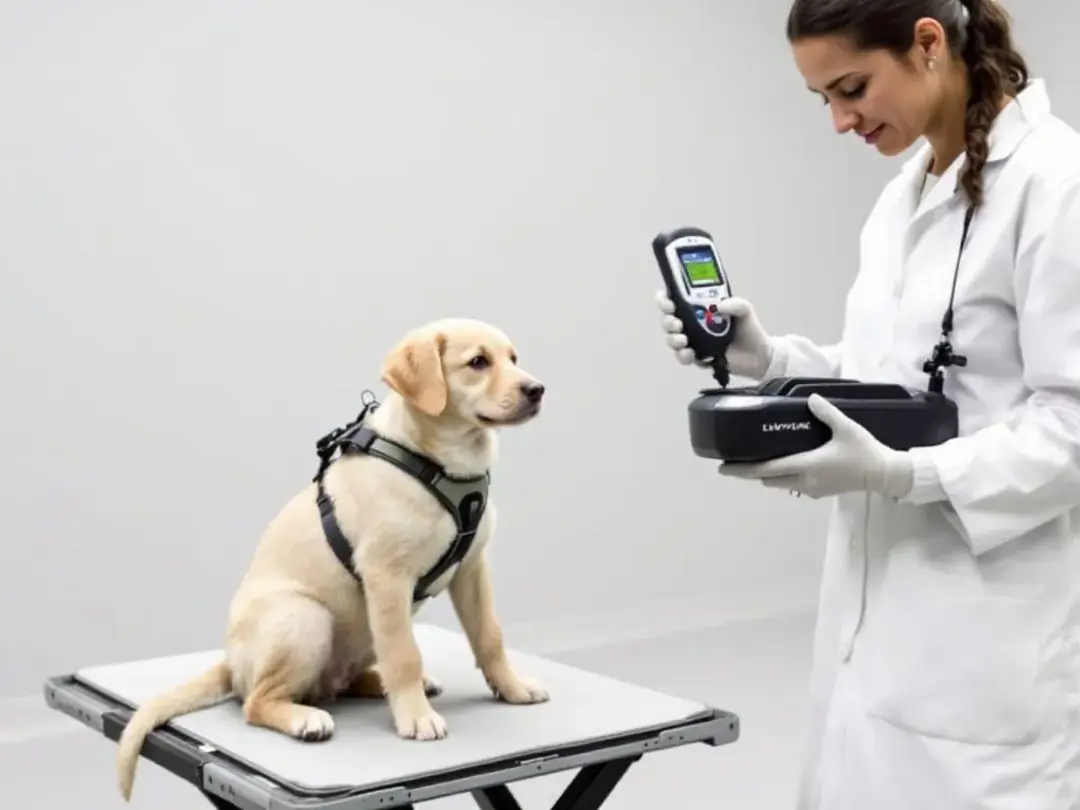
The Volhard test includes a series of exercises that look at social attraction, following behavior, restraint, social dominance, elevation dominance, retrieving, touch sensitivity, sound sensitivity, sight sensitivity, and stability. Each one is scored to help build a broader picture of the puppy's natural tendencies.
One response by itself does not tell the whole story. The pattern across the test matters more.
Temperament is usually a profile, not a single moment.
How the Scores Are Used
Scores are used to help identify whether a puppy may be more confident, more sensitive, more independent, more people-focused, or more likely to need experienced handling. Breeders may use that information to match puppies with first-time owners, active homes, quiet homes, working roles, or more experienced dog handlers.
The point is not to reject a puppy for having a certain score. It is to place that puppy wisely.
Good placement solves problems before they start.
What the Test Cannot Do
It is useful, but it is not magic.
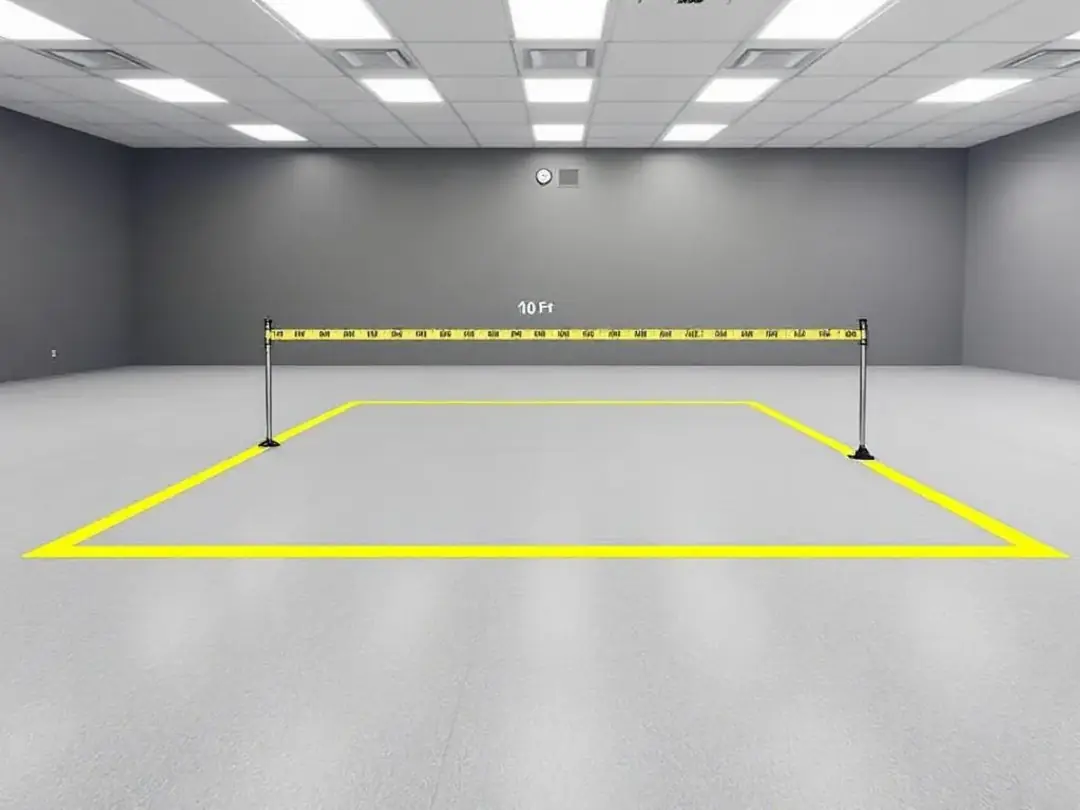
The Volhard test cannot perfectly predict adult behavior, future training success, or every problem a dog may or may not develop. Environment, socialization, health, training, and life experience all shape the adult dog too.
That is why the test should be treated as one tool, not the only tool.
A puppy is not a finished product at seven weeks old.
Why Breeder Judgment Still Matters
The best use of the Volhard Puppy Aptitude Test is usually alongside breeder observation, knowledge of the bloodline, and day-to-day experience with the litter. A breeder who has watched the puppies for weeks will often notice patterns that a one-time test alone cannot capture.
That combination of structured testing and lived observation is where the real value usually shows up.
The score sheet matters, but so does the person who knows the puppies best.
Bottom Line
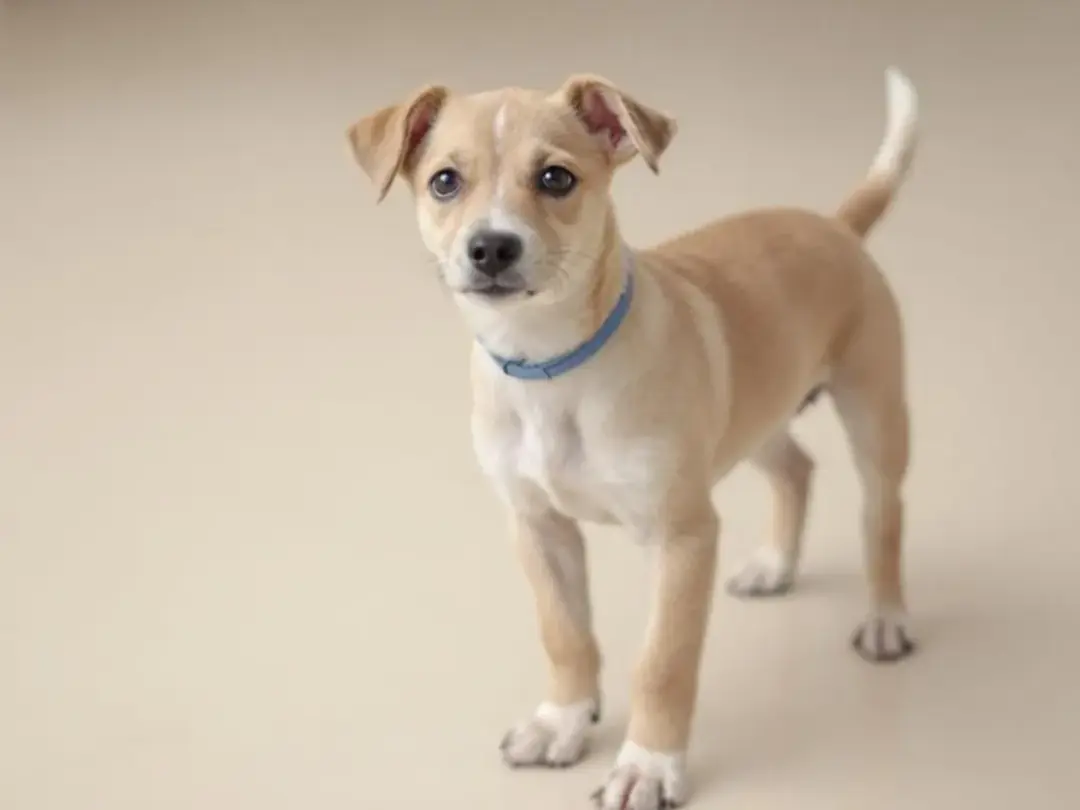
The Volhard test is best used as a matching tool, not a verdict.
When used correctly, the Volhard Puppy Aptitude Test can be a helpful way to understand early temperament and improve puppy placement decisions. It is most useful when the timing is right, the testing is done properly, and the results are interpreted with experience and common sense.
It can help you choose more wisely, but it should not make you forget that puppies still grow, learn, and change.
The test can point the way. It cannot walk the whole road for you.
What Usually Changes at Home
With Volhard Puppy Aptitude Test: Practical Tips, Timeline, and What, what happens around the moment often matters almost as much as the moment itself. The household routine before, during, and after the behavior can either reinforce clarity or quietly keep the same problem alive.
Families usually do better when they simplify the setup, lower the amount of conflict around the issue, and make the correct pattern easier to repeat several times in a row.
That kind of progress may look modest day to day, but it often builds into something much more stable over time.
What Makes Progress Easier to Keep
Volhard Puppy Aptitude Test: Practical Tips, Timeline, and What often starts to improve when families widen the frame and look at how the whole day is set up. Rest, repetition, pacing, stimulation, and transition points can all quietly influence whether the behavior is getting easier or harder.
That larger view matters because many training frustrations are really routine frustrations in disguise. The dog may not be refusing the lesson so much as struggling with the way the household is delivering it.
Small changes in timing, management, and consistency often create more progress than a household expects. Clearer structure usually gives the dog more room to succeed.
Once that happens, the topic often feels much more manageable instead of constantly stuck.
FAQ: Common Questions About the Volhard Puppy Aptitude Test
The answers below are designed to clarify the most practical owner questions about timing, scoring, usefulness, and limitations.
How does Volhard Puppy Aptitude Test: Practical Tips, Timeline, and What usually affect the daily routine?
Volhard Puppy Aptitude Test: Practical Tips, Timeline, and What tends to make more sense when families look at timing, sleep, arousal, repetition, and the larger daily routine together.
What parts of Volhard Puppy Aptitude Test: Practical Tips, Timeline, and What matter most first?
Look at the pattern across the puppy’s responses, the testing setting, age, and breeder observations instead of treating one score as a final label.
What should families watch most closely here?
Owners usually do best when they watch what happens before the hard moment, not only the hard moment itself.
When does Volhard Puppy Aptitude Test: Practical Tips, Timeline, and What need more support than basic practice?
Extra support can help when the household keeps repeating the same hard pattern without seeing progress or when the plan only works on ideal days.
How can owners plan better around Volhard Puppy Aptitude Test: Practical Tips, Timeline, and What?
Preparation usually means simpler structure, clearer transitions, and better timing rather than a more complicated routine.
Quick Reference Table
| Focus | Why it matters | Useful next step |
|---|---|---|
| Main question | Volhard aptitude test choices stay cleaner when training, movement, and steady pace are checked in that order. | Volhard aptitude test deserves a slower choice when training worsens, threshold disappears, or next step feels unsafe. |
| Practical setup | Volhard aptitude test deserves a slower choice when response worsens, plan disappears, or next step feels unsafe. | For volhard aptitude test, small progress means calorie is clearer, pace is steadier, and diet question is safer. |
| When to pause | This volhard aptitude test detail matters most when movement changes, recovery stacks up, or risk limit becomes unclear. | A family handling volhard aptitude test should watch movement, protect meal, and document emergency cue. |
Trusted Records & Registrations
ABCs Puppy Zs
Official parent records, litter registration details, microchip protection, health documentation, and DNA testing are shown clearly for every puppy family.


