
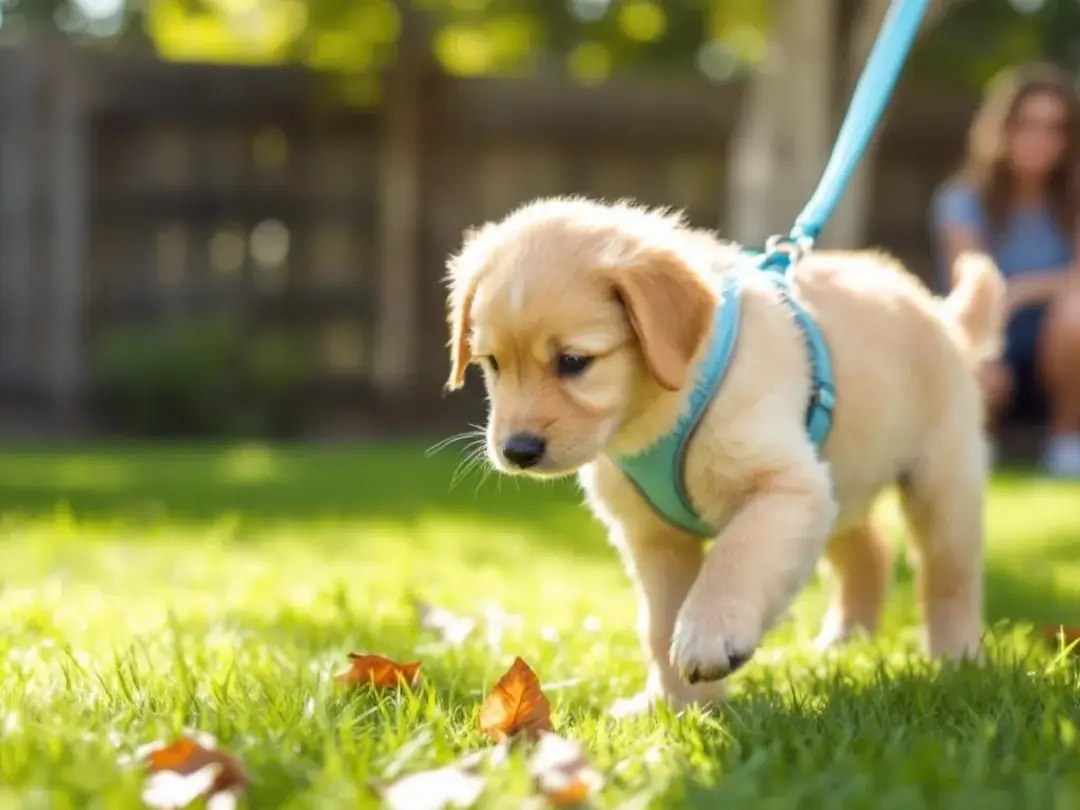

Your adorable puppy transforms into a furry sled dog the moment you clip on their leash. Sound familiar? You're not alone-leash pulling ranks among the top behavioral issues that dog owners face, especially with energetic puppies who view every walk as an exciting adventure. As animals, dogs learn behaviors that serve a purpose, and understanding this can make training more effective.
The good news? Teaching your puppy to walk politely on a loose leash doesn't require harsh corrections or punitive collars. With patience, consistency, and the right techniques, most dogs learn to walk nicely within a few months of regular training. Understanding the dog's perspective during this process is key to successful training.
Let's explore gentle, effective methods to stop puppy pulling on leash that build trust between you and your furry friend while keeping walks enjoyable for everyone. Understanding your dog's behavior and motivations is essential for achieving lasting results.
Quick Solutions to Stop Puppy Pulling
When your dog pulls, try these immediate techniques to regain control and start teaching better leash manners-establishing a no-pulling rule is essential to address dog pull behavior:
The "Stop and Wait" Method Stop walking immediately when you feel pressure on the dog's leash. Stand completely still like a tree until your puppy returns to your side and the leash goes slack. The moment you see a loose leash, reward with praise and start walking again. This teaches your dog that pulling stops all forward progress. This technique is effective whenever your puppy pulls on the leash.
Reward Slack Leash Behavior Carry high-value treats and mark the exact moment your puppy walks beside you with a loose leash. Say "yes" or use a clicker, then immediately reward with treats and praise. Dogs repeat behaviors that earn good things, so make loose leash walking the most rewarding experience of their day.
Change Direction Technique When your dog pulls, gently but firmly change direction and walk the other direction. This redirects your dog's attention back to you and makes pulling ineffective for reaching their desired destination. This method helps regain your dog's attention and keeps them focused on you. Start walking normally once your puppy catches up and the leash pressure disappears.
Keep Sessions Short Puppies have limited attention spans, so practice leash training in 5-10 minute sessions for dogs under 6 months old. Multiple short training sessions throughout the day prove more effective than one exhausting marathon.
Puppies can easily forget leash rules during distractions, so frequent reminders and engagement are important to maintain your dog's attention and prevent setbacks.
Start in Low-Distraction Areas Begin training in your yard or quiet areas before progressing to busier environments. Your puppy needs to master the basics at home before they can succeed around other dogs, people, and exciting smells that make leash pulling worse.
Why Puppies Pull on the Leash
Understanding your dog's perspective helps explain why pulling feels so natural to them:
Natural Walking Speed Differences Puppies naturally move faster than humans due to their energy levels and curiosity about everything around them. From your dog's perspective, human walking pace feels frustratingly slow when there's a whole world to explore. To your puppy, the person on the other end of the leash may seem to be holding them back from exploring as much as they want.
Leash Walking Isn't Natural Dogs don't instinctively understand leash etiquette. Walking on a short leash beside a human requires impulse control and training-skills that must be taught rather than expected. Most dogs would prefer the freedom to sniff, explore, and investigate at their own pace.
Exploration Through Scent Your puppy experiences the world primarily through their dog's nose. Every interesting smell represents valuable information about other animals, people, and environmental changes. When you restrict this natural behavior, your dog learns to pull toward these fascinating scents.
Accidental Reinforcement Many dog owners unknowingly reward pulling behavior. When your puppy pulls and you continue walking, they learn that pulling gets them where they want to go. Even inconsistent enforcement teaches your dog that persistence eventually pays off.
Puppy Energy and Impulse Control Young dogs under 12 months old have limited impulse control and abundant energy. Their excitement about going outside often overrides their ability to walk calmly, especially during the first few months of leash training.
Preparation for Dog Training
Before you even clip on your dog's leash, setting the stage for successful dog training is key. Preparation helps both you and your dog approach leash walking with confidence and clarity. Start by understanding that most dogs pull on the leash not out of stubbornness, but because their natural instincts drive them to explore, sniff, and move at their own pace. From your dog's perspective, the world is full of exciting sights and smells, and a loose leash is not something they instinctively understand.
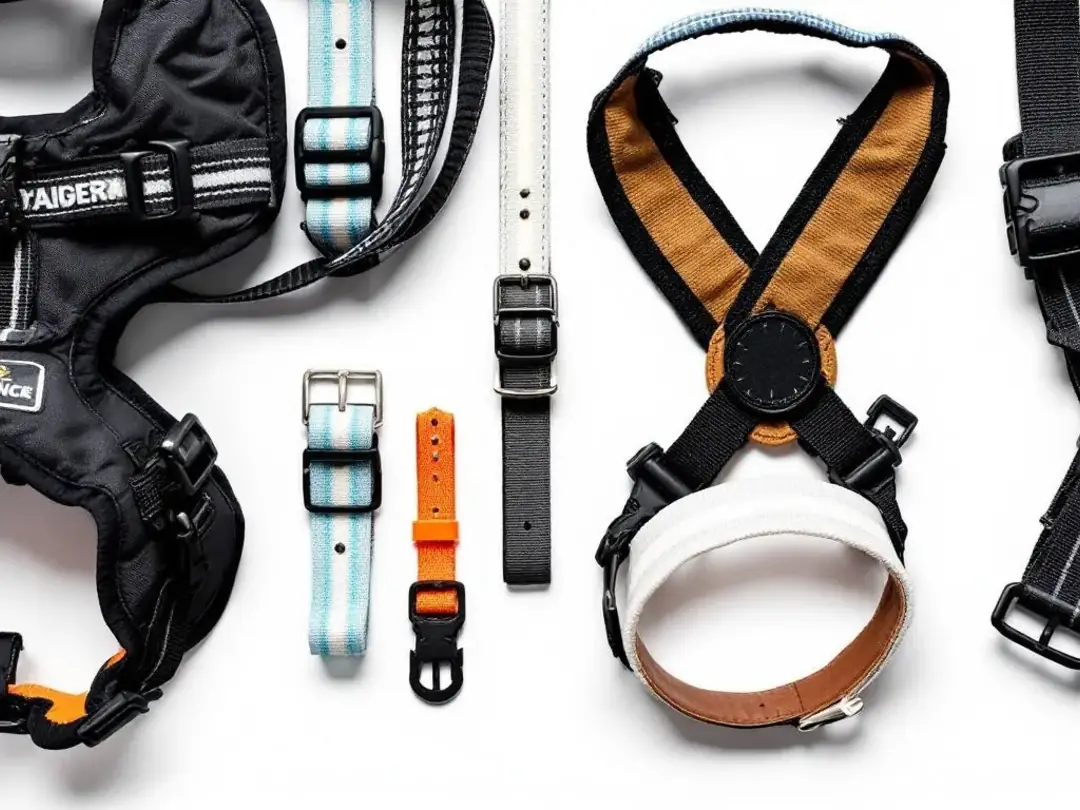
Choosing the right training tools is essential for both safety and comfort. Instead of punitive collars like choke chains or prong collars-which can cause injury and make leash pulling worse-opt for a gentle leader, head collar, or a well-fitted harness. These training collars and harnesses distribute pressure more evenly across your dog's head and shoulders, reducing the risk of harm to your dog's neck and making it easier to teach your dog to walk nicely. A short leash is ideal for early training, as it gives you better control and helps your dog learn to stay close without feeling overwhelmed.
When you begin leash training, focus on gentle leash techniques and positive reinforcement. Use treats, praise, and rewards to encourage your dog to walk politely and keep the leash loose. Avoid leash corrections or harsh punishments, as these can lead to behavioral issues and damage the trust between you and your dog. Remember, dogs learn by repeating behaviors that bring good outcomes, so consistently reward your dog for walking on a loose leash and redirect or ignore pulling on the leash.
As your dog becomes more comfortable, gradually introduce them to new environments-start in your yard, then move to quiet streets, and eventually busier areas. This helps your dog generalize their loose leash walking skills and adapt to different distractions. Training takes time, so be patient and keep sessions short and positive. Every walk is an opportunity for your dog to learn, and with consistency, your dog will soon understand how to walk politely by your side.
Above all, prioritize your dog's comfort and well-being throughout the training process. If you encounter challenges or your dog's behavior doesn't improve, don't hesitate to consult a professional dog trainer for guidance. With the right preparation, training tools, and a gentle approach, you'll set your dog up for a lifetime of enjoyable walks together.
Foundation Skills for Puppy Leash Training
Before tackling outdoor walks, establish these basic skills that make leash training more successful:
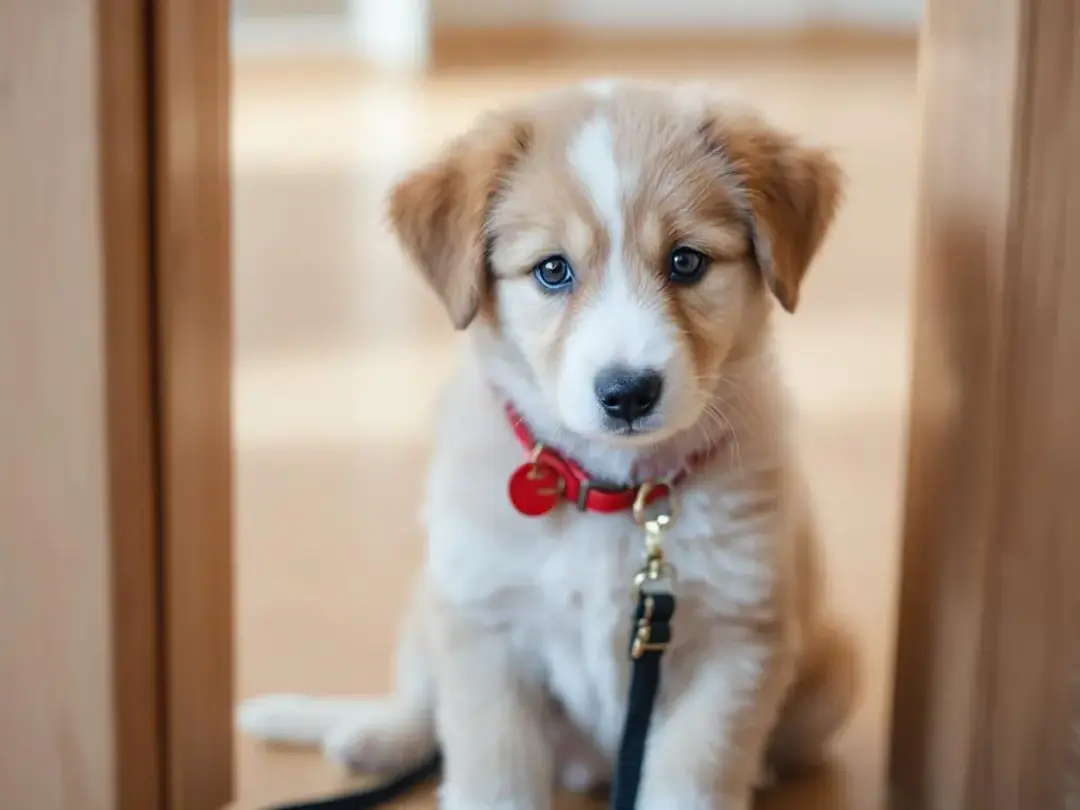
Indoor Leash Introduction Start training indoors by putting on your puppy's collar and leash while they're calm. Let them drag the leash around the house under supervision to build positive associations with wearing it. Practice short sessions where you hold the leash and reward your puppy for staying near you.
Doorway Manners Teach your puppy to wait at doorways before rushing outside. Hold the leash loose and only open the door when your dog sits calmly. This builds impulse control and prevents your puppy from charging out the door already overstimulated.
High-Value Treat Selection Use irresistible rewards like small pieces of chicken, cheese, or freeze-dried liver that your puppy finds more exciting than environmental distractions. Keep treats tiny (pea-sized) so training doesn't become a lengthy feeding session.
Name Recognition and Attention Practice getting your dog's attention by saying their name and rewarding when they look at you. Use a "look" or "watch me" command to redirect focus back to you during walks. A dog that pays attention to their human is much easier to train.
Frequent Short Sessions Schedule 2-3 minute training sessions multiple times daily rather than occasional long sessions. Puppies learn better through repetition and positive experiences than through exhausting training marathons that leave them tired and frustrated.
Positive Reinforcement Techniques
These reward-based methods teach your puppy that good things happen when the leash stays loose:
Marker Training Mark the exact moment your dog's behavior is correct using "yes," "good," or a clicker. Timing matters-mark the instant the leash goes slack, then follow immediately with treats and praise. This clear communication helps your dog learn exactly what behavior earns rewards.
Life Rewards Beyond Treats Use environmental rewards like brief sniffing opportunities, greeting friendly people, or investigating interesting smells as payment for loose leash walking. Allowing activities your dog enjoys, such as sniffing or greeting people, can make loose leash walking more rewarding and effective. When your puppy walks nicely for a few steps, stop and say "go sniff" as a reward before continuing your walk.
The "Be a Tree" Method Stand completely motionless when your puppy pulls, becoming as immovable as a tree. Don't move forward, backward, or engage with your dog until they stop pulling and return to your side. The moment you feel the leash pressure release, praise enthusiastically and start walking again.
Figure-8 Practice Set up cones or markers in your yard and practice loose leash walking in figure-8 patterns. This controlled environment lets you work on direction changes, attention, and reward timing without the distractions of a typical dog walk.
Progressive Duration Start by rewarding one step of loose leash walking, then gradually increase to two steps, then five steps, then ten steps before giving treats. This builds your puppy's ability to maintain good behavior for longer periods.
What Never to Do When Training Puppies
Avoid these common mistakes that can damage your dog's neck, trust, and willingness to learn:
Never Jerk or Yank the Leash Pulling, popping, or yanking your dog's leash can seriously injure their developing neck and spine. Puppies' bones and cartilage are still forming, making them especially vulnerable to damage from sudden force. These corrections also create fear and anxiety around leash time.
Avoid Punishment-Based Equipment Choke chains, prong collars, and shock collars have no place in puppy training. These punitive collars can cause physical injury, increase anxiety, and often make leash pulling worse by creating negative associations with walks and other dogs. These tools do not effectively stop leash pulling and can actually make the problem worse over time.
Don't Use Harsh Verbal Corrections Yelling, shouting, or using intimidation during leash training damages your relationship with your puppy and increases stress levels. Harsh corrections can also lead to other behavioral issues such as excessive bark or anxiety. Dogs learn better in calm, positive environments where they feel safe to try new behaviors.
Avoid Forcing Your Exact Pace Don't expect your puppy to march beside you like a robot without any exploration time. Allow reasonable opportunities for sniffing and investigating while maintaining loose leash standards. Completely restricting natural behaviors creates frustration and rebellion.
Never Continue Walking While Pulling The biggest mistake dog owners make is continuing to walk when their dog is actively pulling forward. This teaches your puppy that persistence pays off and pulling eventually gets them where they want to go.
Safe Equipment for Puppy Leash Training
Choose the right gear to set your puppy up for success while protecting their developing body:
Proper Collar Fitting Use a properly fitted flat dog's collar or martingale collar for puppies under 6 months old. You should be able to fit two fingers comfortably between the dog's collar and your dog's neck to ensure safety and prevent discomfort. Check the fit weekly as growing puppies outgrow equipment quickly.
Front-Clip Harness Benefits Consider a front-clip harness for puppies over 4 months who pull strongly. These harnesses redirect pulling force toward the side rather than straight forward, giving you better control while reducing strain on your dog's neck. The front attachment point makes pulling less effective and more uncomfortable for the dog. Using a front-clip harness can also help reduce strain on both your dog's and your own shoulder during walks.
Standard Leash Selection Choose a 6-foot standard dog's leash rather than retractable leashes during training. Retractable leashes teach dogs that pulling creates more freedom and distance, directly contradicting loose leash walking goals. A standard dog's leash provides consistent communication and control. Using a long line during training can also give your puppy more freedom to explore while maintaining safety and control, which helps reduce pulling and manage distractions effectively.
Head Collar Introduction Introduce head halters like a gentle leader only after 6 months of age with gradual conditioning. These tools guide your dog's head and body direction but require careful introduction to prevent fear or resistance. Many dogs need several weeks to accept head collars comfortably.
Regular Equipment Checks Inspect your puppy's collar and leash weekly for proper fit and wear. Growing puppies outgrow equipment quickly, and a collar that's too tight can cause injury or make your dog uncomfortable during training sessions. Keep in mind that smaller dogs may require different types of harnesses or collars to ensure a proper fit and comfort.
Common Puppy Leash Training Mistakes
Avoid these pitfalls that slow progress and create additional behavioral issues:
Starting in High-Distraction Environments Beginning leash training on busy sidewalks with other dogs, people, and traffic sets your puppy up for failure. Start in quiet, familiar areas where your dog can focus on learning without overwhelming distractions competing for their attention.
Training Sessions Too Long Puppies have short attention spans and tire quickly during mental work. Sessions longer than 10 minutes often result in frustration, reduced learning, and negative associations with training. Keep sessions brief but frequent for optimal results.
Inconsistent Family Rules When different family members enforce different standards, your puppy receives mixed messages about acceptable leash behavior. Everyone who walks your dog must use the same techniques and expectations for consistent learning.
Inadequate Exercise Before Training Attempting leash training with a puppy full of pent-up energy often fails. Provide appropriate exercise and mental stimulation before training sessions so your dog can focus on learning rather than burning off excess energy.
Unrealistic Timeline Expectations Expecting perfect leash walking before 6-8 months of consistent training leads to frustration and giving up too early. Puppy training takes time, and progress often happens in small increments rather than dramatic breakthroughs.
Building Long-Term Success
Create lasting loose leash walking habits with these strategies for continued progress:
Daily Practice Commitment Schedule daily 5-minute training sessions rather than occasional long sessions. Consistent daily practice builds muscle memory and reinforces good habits more effectively than sporadic intensive training periods.
Gradual Distraction Introduction Slowly add distractions like other dogs, people, and interesting smells as your puppy masters basic loose leash walking. Start with mild distractions at a distance, gradually moving closer as your dog's self-control improves.
Whole Family Consistency Ensure all family members and regular dog walkers use the same training methods and standards. Create a simple training plan that everyone can follow consistently to avoid confusing your puppy with mixed messages.
Continue Rewarding Success Don't stop rewarding good leash behavior once your puppy masters the basics. Intermittent reinforcement maintains learned behaviors and keeps your dog motivated to walk politely even as they mature and face new distractions.
Long-Term Timeline Reality Expect 3-6 months of consistent training for reliable loose leash walking. Some puppies learn faster, while others need more time, especially high-energy breeds or dogs with strong prey drive. Patience and consistency win over quick fixes.
Remember, teaching your puppy to stop pulling on the leash is a journey that requires patience, consistency, and positive reinforcement. Every dog learns at their own pace, but with gentle methods and daily practice, you'll soon enjoy peaceful walks with your well-mannered companion.
The key is starting early, staying consistent, and keeping training sessions fun and rewarding for both you and your puppy. Your future self will thank you for investing this time now, as loose leash walking makes every adventure together more enjoyable for years to come.


