
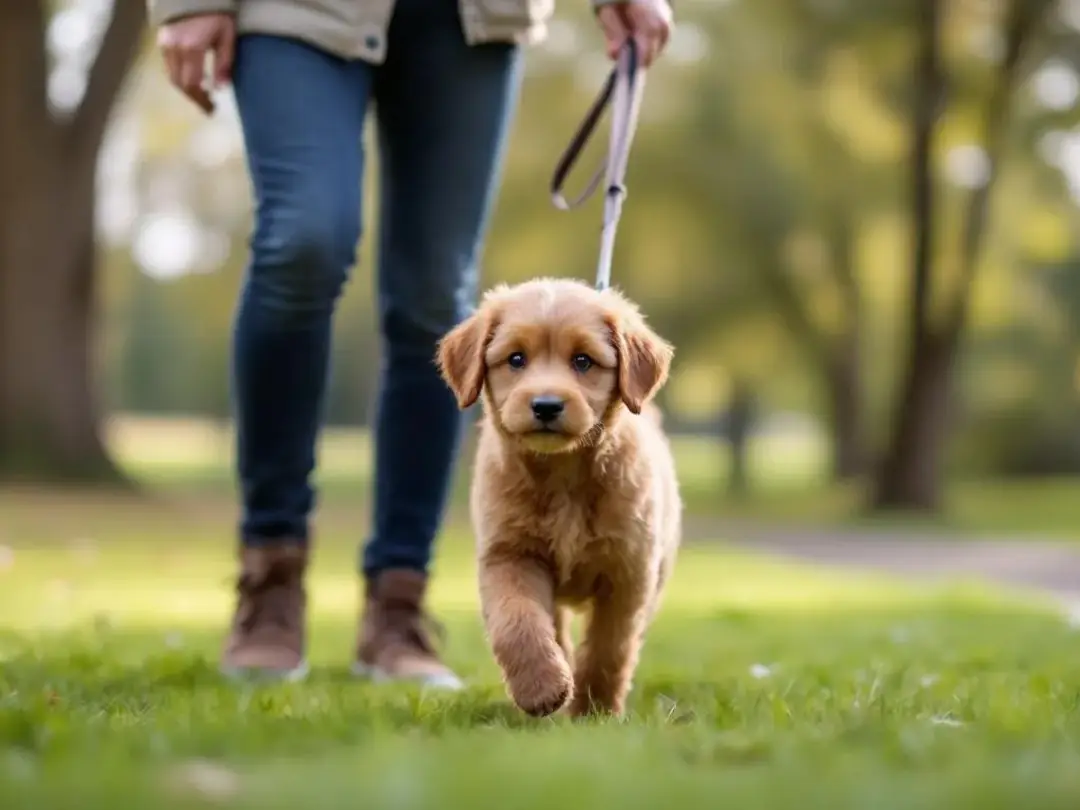

Your adorable puppy just grabbed the leash again, turning your peaceful walk into a tug-of-war match. That wiggling ball of fur you brought home has discovered that the dangling leash makes an excellent chew toy, and now every walk feels like a wrestling competition you never signed up for.
Here's the good news: leash biting is completely normal puppy behavior, and you can stop it with the right approach. Most puppies between 8-16 weeks bite and tug on leashes due to teething, excitement, and natural exploration. With consistent training, you'll typically see significant improvement within 2-4 weeks.
This guide covers everything you need to know to stop leash biting in puppies, from immediate solutions you can try today to long-term training strategies that build good walking habits for life.
Quick Solutions to Stop Puppy Leash Biting
When your puppy bites the leash, you need immediate action that actually works. Here's the three-step approach that stops the behavior in its tracks:
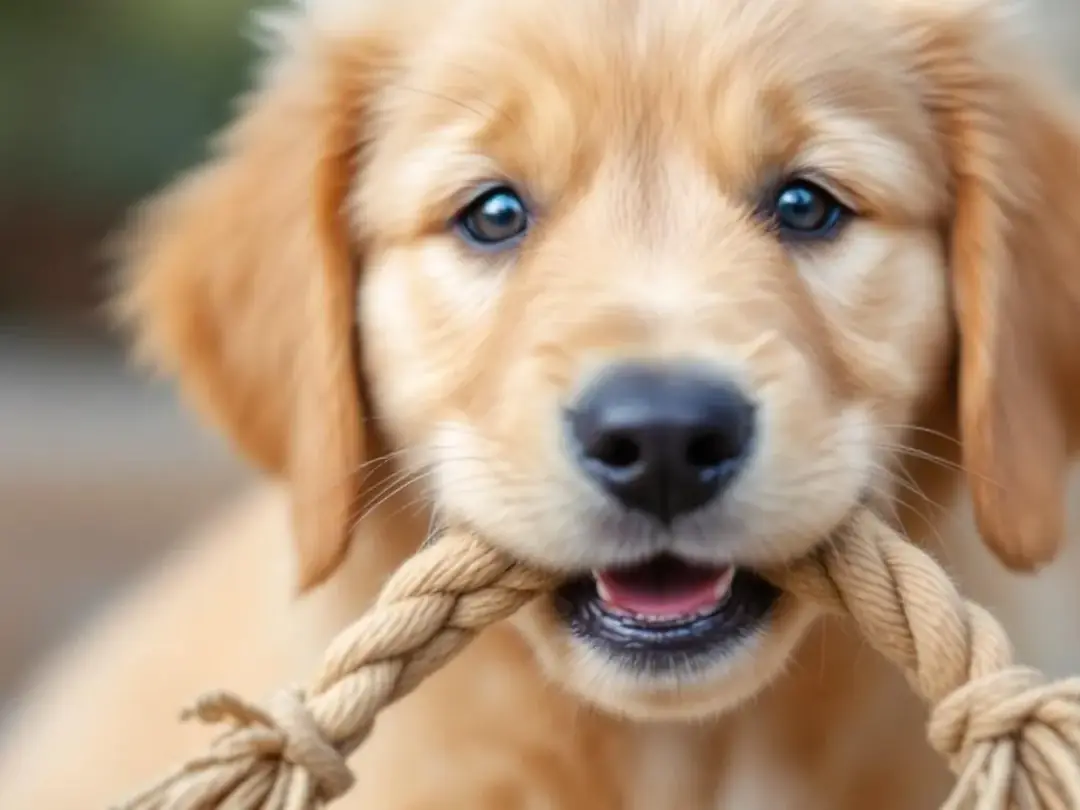
Step 1: Redirect to an Appropriate Toy The moment your pup reaches for the leash, offer a tug toy or chew instead. Keep a rope toy or rubber teething toy in your pocket during every walk. This satisfies their need to bite something without reinforcing the unwanted behavior.
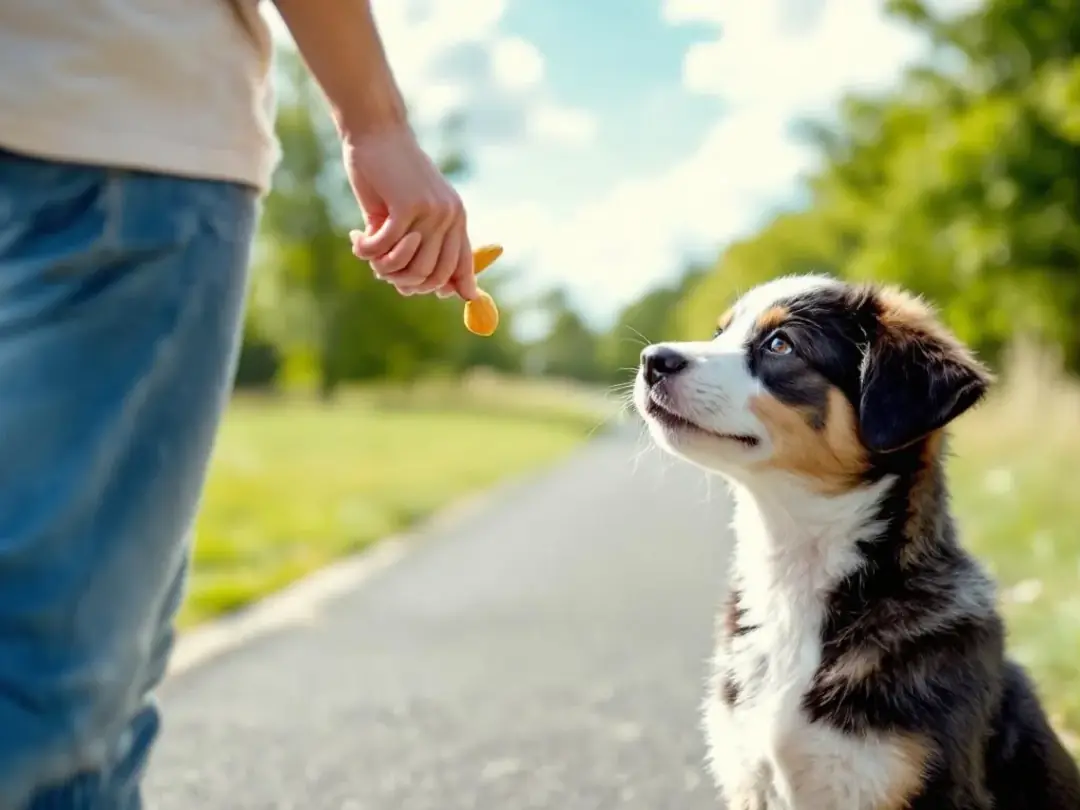
Step 2: Reward Calm Walking Every few steps of walking nicely beside you deserves praise and a small treat. This teaches your puppy that good things happen when they ignore the leash and focus on you instead.
Step 3: Stop Movement When Biting Occurs If your puppy bites the leash, immediately stop walking and remain calm. Don't pull back or engage in a tug-of-war game-this only makes it more fun for them. Stand still until they drop the leash, then continue walking.
Remember, this is normal puppy behavior that can be corrected with consistent training. The teething phase typically lasts from 3-6 months, and most dog owners see improvement within 2-4 weeks when they apply these techniques consistently.
Timeline Expectations:
-
Week 1: Frequent redirections needed, but puppy starts understanding the routine
-
Week 2: Noticeable reduction in leash biting episodes
-
Week 3-4: Significant improvement with occasional slip-ups during excitement
-
Month 2+: Walking nicely becomes the new habit
Why Puppies Bite and Tug on Leashes
Understanding why your puppy bites the leash helps you address the root cause instead of just fighting the symptom. Several natural puppy behaviors contribute to this frustrating habit.
Teething and the Need to Chew Puppies typically go through their most intense teething phase between 3-6 months old. During this time, they need to chew on objects to relieve discomfort and explore their world through their mouth. A moving leash becomes an irresistible target-it's right at mouth level and sways enticingly with each step.
Excitement and Overstimulation For many puppies, walks represent the most exciting part of their day. When overly excited, they channel that energy into biting whatever's closest-usually the leash. This behavior often gets worse when puppies first experience outdoor walks with all their new sights, sounds, and smells.
Prey Drive and Movement Puppies naturally want to chase and grab moving objects. As you walk, the leash creates an enticing swinging motion that triggers their instinct to pounce and grab. Your puppy isn't being naughty-they're following millions of years of canine programming.
Breed-Specific Tendencies Active breeds like Labs, Golden Retrievers, and Border Collies often struggle more with leash biting due to their high energy levels and strong mouths. These dogs were bred to carry and retrieve objects, making the temptation to grab the leash even stronger.
Attention-Seeking Behavior Smart puppies quickly learn that biting the leash gets an immediate reaction from their humans. Whether you laugh, gasp, or try to pull it away, you're giving them exactly what they want-your focused attention. Even negative attention can reinforce this unwanted behavior.
Frustration from Movement Restriction Some puppies bite the leash out of frustration when they can't go exactly where they want. The leash represents the thing keeping them from that interesting smell across the street or the friendly dog they spotted in the distance.
Effective Training Techniques
Redirection is your most powerful tool to stop biting the leash while teaching appropriate alternatives. The key is timing-redirect before the biting occurs, not after.
The Redirection Method
Choose the Right Toys Bring 2-3 different options to maintain your puppy's interest during longer walks:
-
Rope toys for teething puppies who need texture
-
Rubber Kong toys (you can freeze them for extra teething relief)
-
Soft plush toys for gentle chewers
-
Small tug toys that fit easily in your pocket
Master the "Trade" Technique The moment you see your puppy's attention shift toward the leash, offer the toy immediately. Say "take it" in an enthusiastic voice, making the toy more interesting than the boring leash. When they grab the toy instead, reward with praise: "Good puppy!"
Timing is Everything Watch your puppy's body language for early warning signs:
-
Head turning toward the leash
-
Slowing down to focus on the swaying motion
-
Crouching or play bowing toward the leash
Redirect during these moments, before their teeth make contact. If you wait until after they bite the leash, you're teaching them that biting leads to toy rewards.
Practice the Carry Command Train your puppy to carry a toy during walks. This naturally prevents leash biting since their mouth is already occupied. Start indoors by asking them to "carry" the toy for just a few steps, gradually increasing the distance.
Positive Reinforcement Training
Reward-based training builds the behavior you want while making walks enjoyable for both of you. Focus on rewarding every moment your puppy isn't biting the leash.
High-Value Treat Selection Use treats your puppy finds irresistible:
-
Small training treats (pea-sized pieces)
-
Freeze-dried liver or chicken
-
Cheese cubes
-
Cooked chicken pieces
The treats need to be small enough to eat quickly without stopping your training momentum.
The 3-Second Rule During training walks, reward your puppy every 3 seconds they walk without biting the leash. This frequent reinforcement helps them understand exactly what behavior earns rewards. As they improve, gradually increase the time between rewards.
Verbal Praise Consistency Use the same phrase every time your puppy walks nicely: "Good walking!" or "Nice leash!" Make sure everyone in your household uses identical praise words. Dogs learn faster when the signals are consistent across all family members.
Treat Pouch Essentials Invest in a good treat pouch that clips to your belt or pocket. You need immediate access to rewards-fumbling for treats in your pocket breaks the training momentum and misses crucial reward timing.
Indoor Foundation Training
Start leash training inside your house where distractions are minimal and your puppy can focus on learning the basics.
5-10 Minute Indoor Sessions Practice in your living room or hallway during calm times-not right after meals or play sessions when your puppy might be overly excited or distracted. Short sessions prevent frustration and maintain focus.
Step-by-Step Progression:
-
Stationary Practice: Attach the leash and let your puppy get used to wearing it for 2-3 minutes while you sit nearby
-
First Steps: Stand and take 3 steps together, rewarding each step without leash biting
-
Room Length: Gradually increase to walking the full length of your room
-
Direction Changes: Use furniture and walls to practice gentle turns and stops
Calm Environment Setup Choose a quiet time when other pets, children, or household activity won't distract your puppy. Turn off the TV and put away exciting toys. This focused environment helps your puppy learn the basics before adding outdoor distractions.
Foundation Commands Practice basic commands during indoor leash sessions:
-
"Wait" before putting the leash on
-
"Sit" when you stop walking
-
"Touch" to redirect their focus to your hand instead of the leash
-
"Drop" if they do grab the leash

Management Strategies for Puppy Walks
Smart management prevents problems before they start and sets your puppy up for success on every walk.
Optimal Walking Times Schedule walks during naturally calming periods:
-
Early morning (6-8 AM): Fewer distractions, cooler temperatures, calmer energy
-
Evening (7-9 PM): After dinner when your puppy is more content
-
Avoid peak times: Mid-morning and afternoon when children, other dogs, and activity levels are highest
Age-Appropriate Walk Durations Puppies under 4 months should have very short walks to prevent overstimulation:
-
8-12 weeks: 5-minute walks, focus on leash familiarity
-
3-4 months: 10-minute walks with frequent sniffing breaks
-
4-6 months: Gradually increase to 15-20 minutes
Remember, longer isn't better for young puppies. Tired, overstimulated puppies are more likely to bite the leash.
Proper Leash Handling Technique Your leash handling directly affects your puppy's behavior:
-
Keep a slight slack in the leash-tension creates resistance
-
Hold the leash at your side, not dangling in front of your puppy's face
-
Use a standard 4-6 foot leash for better control than retractable options
-
Walk with confident, steady movements rather than jerky or uncertain steps
Strategic Route Planning Start with boring, quiet routes before progressing to stimulating areas:
-
Week 1-2: Your own street or empty parking lots
-
Week 3-4: Quiet neighborhood side streets
-
Month 2+: Gradually introduce busier areas with cars, other dogs, and children
Use Sniffing as Natural Rewards Allow frequent sniffing opportunities during walks-this naturally calming activity helps prevent frustration and gives your puppy's brain positive stimulation. When your puppy walks nicely for 10-15 steps, stop and let them sniff an interesting spot for 30 seconds.
Leash Selection and Equipment Tips
The right equipment makes training easier and more effective. Your choice of leash and walking gear directly impacts your puppy's behavior.
Optimal Leash Types for Training
-
Nylon or leather leashes: Durable and comfortable to hold, unlike retractable leashes that offer poor control
-
4-6 foot length: Perfect for training puppies under 6 months-long enough for movement but short enough for consistent guidance
-
Standard width: ½ to ¾ inch width provides good grip without being bulky
Avoid retractable leashes during training-they teach puppies that pulling extends their freedom, exactly the opposite of what you want.
Harness vs. Collar Considerations For young puppies still developing neck strength:
-
Back-clip harnesses: Distribute pressure across the chest, safer for developing necks
-
Front-clip harnesses: Gently discourage pulling while protecting the neck area
-
Flat collars: Fine for identification but avoid using for leash attachment until 6+ months
Bitter Apple Spray Deterrent For persistent leash biters, apply bitter apple spray to the bottom 6 inches of your leash. This naturally calming deterrent makes the leash taste unpleasant without causing harm. Reapply every few days or after rain.
Backup Leash Strategy Keep a backup leash handy-determined puppy teeth can damage equipment faster than you'd expect. Having a spare means you won't miss training opportunities while shopping for replacements.
Equipment Maintenance Check your leash weekly for:
-
Frayed edges from puppy teeth
-
Weakened metal clips
-
Worn handle areas that might slip from your grip
Safety comes first-replace damaged equipment immediately to prevent accidents.
Common Training Mistakes to Avoid
Well-meaning dog owners often accidentally make leash biting worse. Avoid these counterproductive approaches that turn training into a frustrating cycle.
Never Pull Back When Your Puppy Bites When your puppy grabs the leash, your natural instinct might be to pull it away. This creates an exciting tug-of-war game that makes the behavior more rewarding, not less. Instead, stop moving and wait for them to drop it voluntarily.
Don't Yell or Scold Shouting increases your puppy's excitement level, often making the biting behavior worse. Young puppies can't distinguish between positive and negative attention-they just know they got your focused reaction. Stay calm and redirect instead.
Avoid Inconsistent Training Between Family Members If dad lets the puppy bite the leash while mom redirects to toys, your puppy receives mixed messages that slow learning. Hold a family meeting to ensure everyone follows the same training approach and uses identical commands.
Stop Using Punishment-Based Methods Puppies under 6 months old are still developing emotionally and mentally. Harsh corrections, leash jerks, or intimidation tactics can create fear and anxiety that makes training harder, not easier. Stick to positive reinforcement methods.
Don't Continue Training During Peak Teething If your puppy is going through an intense teething phase (usually 3-5 months), temporarily shorten walks and focus more on indoor training. Forcing long walks when their mouth hurts often increases biting behavior.
Avoid Overstimulating Pre-Walk Routines Many dog owners accidentally amp up their puppy's excitement before walks with enthusiastic "walkies!" announcements and energetic leash attachment. Keep pre-walk routines calm and methodical to start each walk with controlled energy.
When to Seek Professional Help
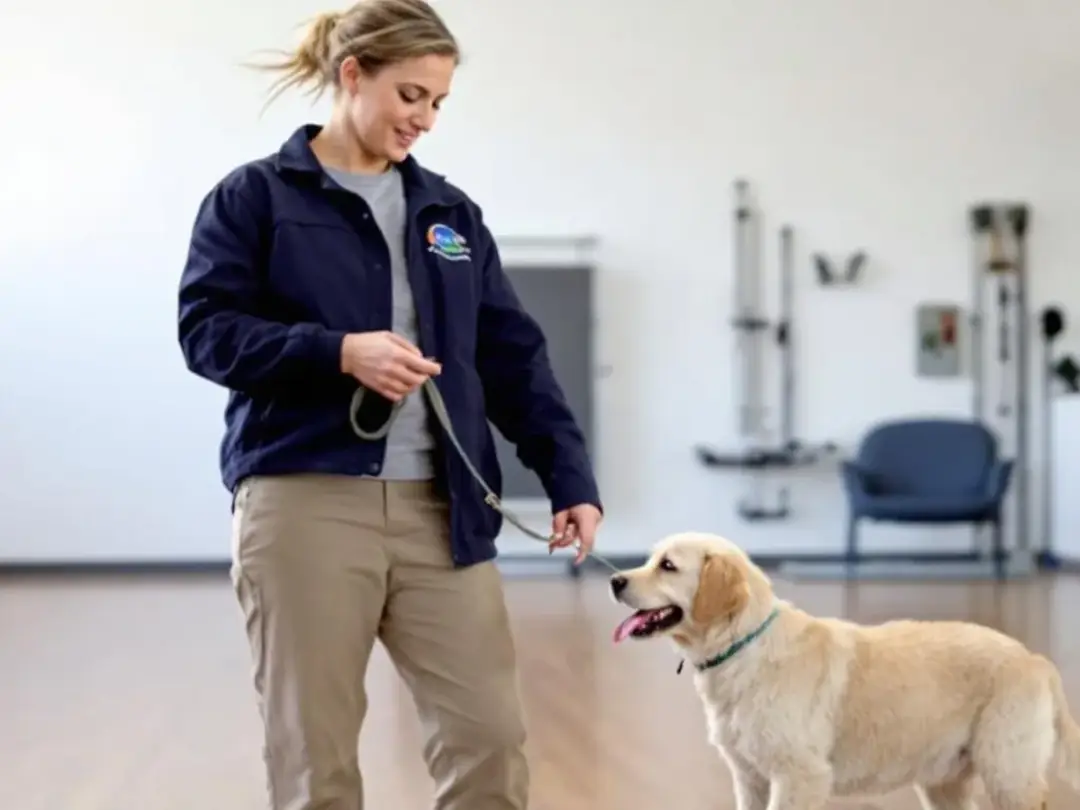
While most leash biting resolves with consistent home training, certain situations require professional intervention from a certified trainer.
Warning Signs That Need Professional Attention:
-
Aggressive biting: Growling, snapping, or biting at your hands when you try to retrieve the leash
-
Resource guarding: Possessive behavior over the leash, not allowing you to approach when they have it
-
Fearful behavior: Cowering, trembling, or trying to escape during walks
-
No improvement after 4-6 weeks: Consistent daily training should show progress by this point
Finding the Right Professional Help Look for trainers with these qualifications:
-
CCPDT certification: Certified professional dog trainers who specialize in positive methods
-
Puppy experience: Specific experience with puppies under 6 months old
-
Force-free philosophy: Trainers who use positive reinforcement rather than intimidation or punishment
Group Classes vs. Individual Sessions
-
Puppy socialization classes: Ideal for puppies 8-16 weeks old who need basic leash skills plus social exposure
-
Individual sessions: Better for puppies with specific behavioral issues, fearfulness, or when family schedules don't allow group attendance
What to Expect from Professional Training A good trainer will:
-
Assess your specific puppy's temperament and triggers
-
Provide customized training plans for your lifestyle
-
Teach you proper timing and technique
-
Offer ongoing support via phone or email
-
Focus on building your confidence as much as your puppy's skills
Cost and Time Investment
-
Group puppy classes: Usually 6-8 weeks, $150-300 total
-
Individual sessions: $75-150 per session, typically 3-6 sessions needed
-
Investment pays off in years of enjoyable walks and a well-trained adult dog
Professional help isn't a sign of failure-it's smart planning that prevents small problems from becoming big ones. Many successful dog owners invest in professional training during the critical puppy months to establish lifelong good habits.
Building Long-Term Success
Stopping leash biting is just the first step toward creating a dog who's genuinely enjoyable to walk. With patience and consistency, your puppy will learn that walks are about exploring the world together, not playing tug-of-war with equipment.
Remember that most puppies between 8-16 weeks exhibit leash biting behavior-you're not dealing with a uniquely difficult dog. The techniques in this guide work for the vast majority of puppies when applied consistently over 2-4 weeks.
Start today with the three-step approach: redirect to an appropriate toy, reward calm walking, and stop movement when biting occurs. Keep your training sessions short, your expectations realistic, and your approach positive.
Your puppy wants to please you and explore the world safely. With the right guidance, that little leash-biting pup will grow into a companion who walks beautifully beside you for years to come.


