
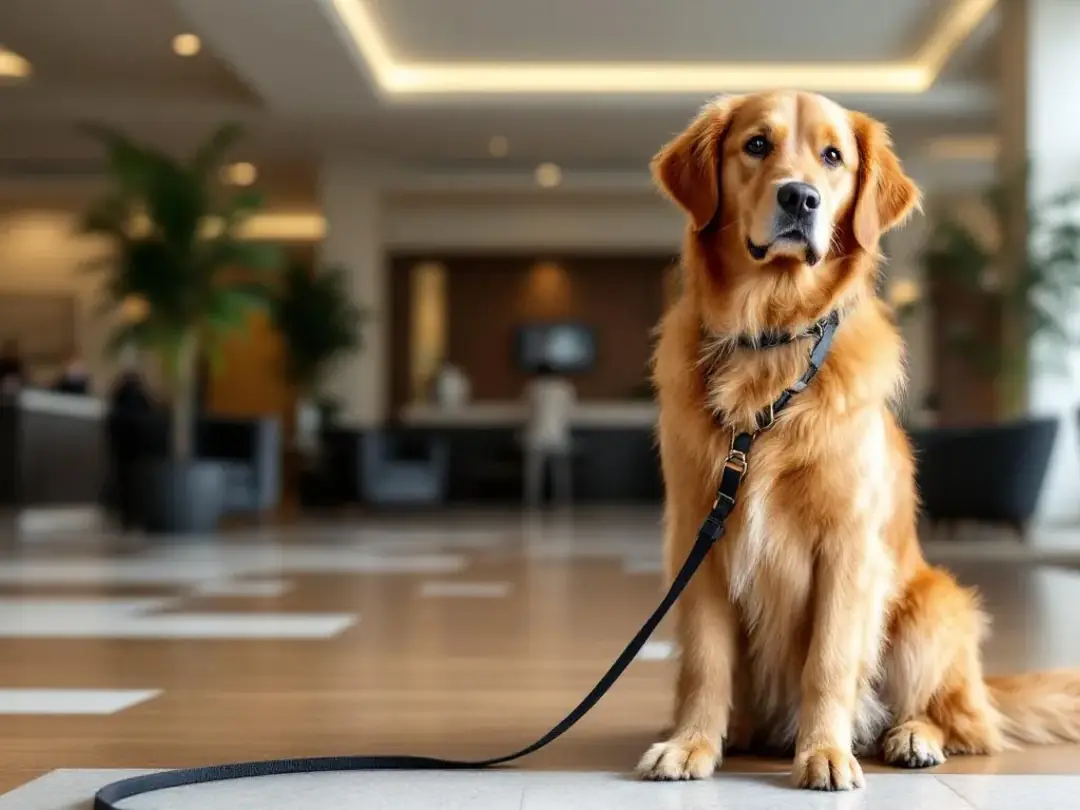

Finding the right approach to staying in a hotel with a dog should feel exciting-not overwhelming. With over 70% of US households owning pets and pet travel surpassing $2 billion annually, hotels are increasingly accommodating our furry friends. However, successful pet hotel stays require careful planning, clear communication, and understanding of hotel policies.
Whether you're a first-time traveler with your dog or looking to improve your hotel experiences, this comprehensive guide covers everything from pre-booking research to checkout day. We'll walk you through proven strategies, cost-saving tips, and insider knowledge to ensure both you and your dog enjoy a relaxing stay.
Essential Steps for a Successful Hotel Stay with Your Dog
A successful pet hotel stay begins weeks before you pack your bags. The key lies in thorough preparation, realistic expectations, and understanding that not all hotels truly welcome pets despite marketing claims.
Brief Overview of Success Factors:
-
Clear communication with hotels about pet policies before booking
-
Proper documentation and preparation of your dog for travel
-
Strategic room selection and setup for maximum comfort
-
Consistent routines and proactive management during your stay
Key Preparation Timeline: Start your planning 2-3 weeks ahead for best pet friendly room availability, especially during peak travel seasons. This timeline allows you to research genuine pet friendly hotels, secure proper documentation, and make alternative arrangements if needed.
Common Mistakes to Avoid: Many pet owners assume pet friendly means truly welcoming, only to discover hidden restrictions, unexpected pet fees, or limited room availability. Others fail to prepare their dogs for hotel environments, leading to stress, accidents, or noise complaints that could affect future bookings.
The most critical mistake is booking through third party sites without directly confirming pet policies with the hotel. Policies change frequently, and what third party site information shows may not reflect current hotel rules.
Pre-Booking Research and Preparation
How to Verify Genuine Pet-Friendly Hotels: Not all hotels that claim to be pet friendly actually provide welcoming experiences. Start by reading recent reviews from other pet owners, focusing on comments about staff attitudes, room conditions, and unexpected charges. Look for hotels that specifically mention dog amenities rather than just "pets allowed" policies.
Real pet friendly hotels will have detailed pet policies readily available on their websites, including specific information about pet fees, weight limits, and breed restrictions. If this information is vague or missing, consider it a red flag.
Using Search Filters Effectively: When using Booking.com, Hotels.com, and Expedia, apply pet-friendly filters but don't rely solely on these platforms. Many hotels have different policies for direct bookings versus third party sites, and the information displayed may be outdated.
Cross-reference your findings by visiting hotel websites directly. Most pet friendly hotels maintain more detailed and current information on their own sites, including specific amenities, designated pet relief areas, and current pet fee structures.
Researching Hotel Reviews: TripAdvisor and Google Reviews offer valuable insights from fellow pet owners. Search for terms like "dog," "pet," "bark," or "fee" within reviews to find relevant experiences. Pay attention to recent reviews, as policies and management can change significantly.
Look for patterns in complaints or praise. If multiple guests mention unexpected pet fees or unfriendly staff attitudes toward pets, consider alternative options.
Preparing Required Documentation: Gather current vaccination records, especially rabies certificates, which many hotels require. Some pet friendly hotels also request proof of flea and tick prevention. Keep both physical copies and digital versions accessible on your phone.
Consider obtaining a health certificate from your veterinarian if staying at luxury hotels or crossing state lines, though most hotel chains don't require this level of documentation.
Understanding Pet Fees and Restrictions
Typical Pet Fee Ranges: Pet fees vary dramatically across hotel chains and individual properties. Budget hotels may charge a flat fee of $20-50 per stay, while luxury properties can charge $100-500. Some hotels charge nightly fees ($10-75 per night), while others prefer one-time charges.
Always ask about both refundable deposits and non-refundable pet fees. Many hotels charge a $100-250 refundable deposit returned if no damage occurs, plus a separate non-refundable cleaning fee.
Weight and Size Restrictions: Common weight limit thresholds include 25, 50, and 80 pounds per pet. Some hotel chains like Kimpton Hotels have no weight restrictions, while others strictly enforce maximum weight limits. Four Seasons typically restricts pets to under 15 pounds, while Red Roof Inn accommodates pets up to 80 pounds at no additional cost.
Larger dogs often face more limited room options, as many hotels restrict heavier pets to ground floor rooms with hard flooring for easier cleanup.
Breed Restrictions Navigation: Breed restrictions remain controversial but common, often targeting breeds deemed high-risk by insurance companies. These lists typically include Pit Bulls, Rottweilers, German Shepherds, and Dobermans, though policies vary significantly.
If your dog falls under breed restrictions, emphasize training certifications, therapy dog credentials, or good behavior history when speaking with hotel management. Some properties make exceptions based on individual circumstances and management discretion.
Maximum Pets Per Room Policies: Most hotels allow 1-2 pets per guest room, though some luxury hotels restrict this to one pet. A few progressive chains allow more flexibility-Kimpton properties sometimes accommodate multiple pets with advance approval.
Always confirm the exact number of pets allowed and whether this includes service animals, which are legally protected separately from pet policies.
Getting Fee Confirmations in Writing: Request email confirmation of all pet fees, restrictions, and policies before booking. This documentation protects you from unexpected charges and provides leverage if policies change between booking and arrival.
Include specific details like total pet fees, weight limits confirmed for your dog, check in procedures, and any included amenities in your confirmation request.
Booking Your Pet-Friendly Hotel Room
Calling Hotels Directly vs. Third-Party Sites: While third party sites offer convenience and comparison shopping, calling hotels directly often yields better results for pet bookings. Hotel staff can confirm current pet policies, available pet friendly rooms, and sometimes offer package deals not available through booking platforms.
Direct bookings also establish personal contact with hotel staff, making it easier to address concerns or request specific accommodations. Many hotel chains offer best-rate guarantees that match third party site prices while providing better flexibility.
Requesting Specific Room Types: Ground floor rooms offer significant advantages for dog owners-easier bathroom breaks, reduced elevator stress, and often direct access to outdoor pet relief areas. Request corner rooms to minimize hallway noise that might trigger barking, and avoid rooms near ice machines, elevators, or high-traffic areas.
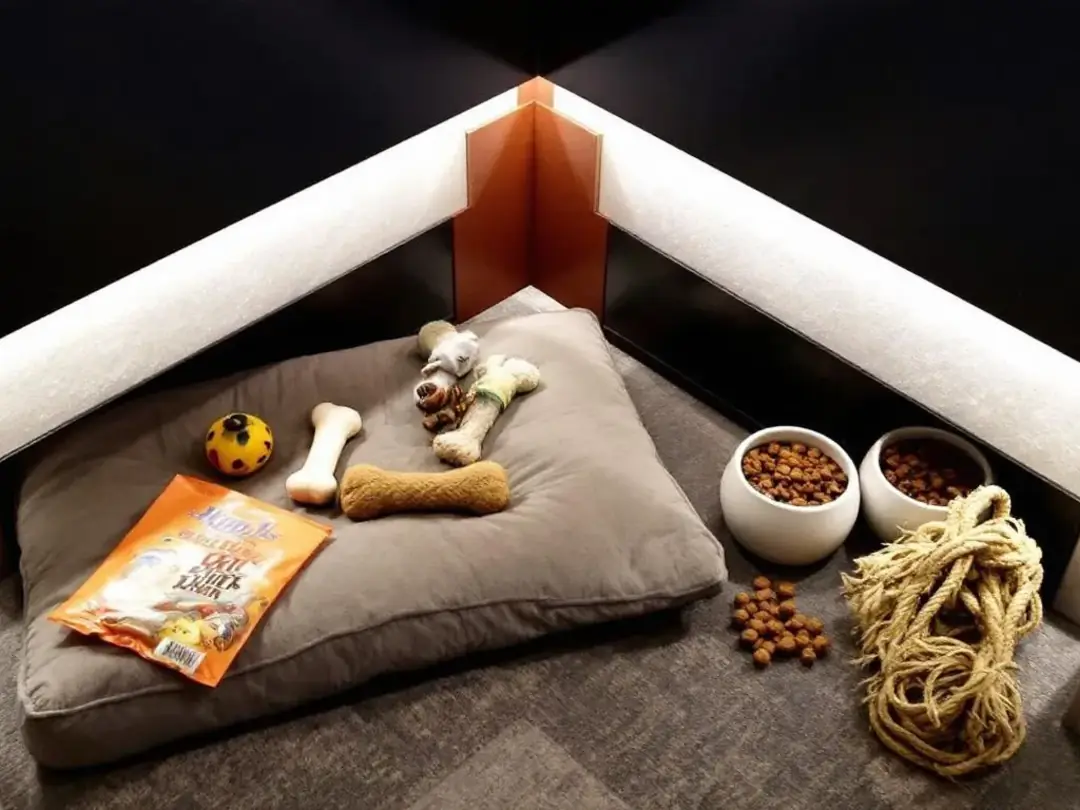
If your hotel has a pet-friendly floor or designated pet section, request these rooms specifically. Hotels with dedicated pet areas often provide better amenities like dog beds, water bowls, and waste bags as standard inclusions.
Pet-Designated Rooms vs. Regular Rooms: Understanding the difference between designated pet rooms and regular rooms that allow pets can significantly impact your hotel stay. Designated pet rooms typically feature hard flooring for easier cleanup, specialized air filtration, and sometimes pet amenities like built-in food stations.
Regular rooms that accept pets may have carpeting, different cleaning protocols, and fewer pet-specific features. Ask specifically about room features when booking to ensure you get accommodations that work best for your dog.
Booking Cancellation Policies: Pet-friendly reservations sometimes have different cancellation terms than standard bookings. Some hotels require longer notice periods or impose higher cancellation fees for pet bookings, especially during peak seasons.
Review cancellation policies carefully, and consider purchasing travel insurance that covers pet-related cancellations, as some policies exclude pet emergencies from standard coverage.
Using Hotel Loyalty Programs: Many hotel chains offer enhanced pet benefits through loyalty programs. Marriott Bonvoy members sometimes receive waived pet fees, while IHG Rewards members at Kimpton properties already enjoy fee-free pet stays as a standard benefit.
Elite status levels may unlock additional perks like premium pet amenities, guaranteed pet room availability, or complimentary pet services. Check your loyalty program benefits before booking, as these perks aren't always automatically applied.
Best Practices for Room Selection
Ground Floor Benefits: Ground floor rooms dramatically simplify bathroom breaks, especially for older dogs or those with mobility issues. You'll avoid crowded elevators during peak times and can quickly address emergency bathroom needs without navigating multiple floors.
Many ground floor rooms also offer direct access to outdoor areas, reducing the need to walk through hotel lobbies and common areas where other guests or service dogs might create distractions.
Corner Rooms for Noise Control: Corner rooms typically share fewer walls with other guest rooms, reducing noise transmission that might trigger barking or anxiety in your dog. These rooms often feel more spacious and private, creating a calmer environment for nervous travelers.
Request rooms away from elevators and ice machines, as the constant mechanical noise and foot traffic can be particularly disturbing for dogs sensitive to outside noises.
Balcony or Patio Access: Rooms with balcony or patio access provide additional outdoor space for your dog without requiring trips through hotel common areas. This can be especially valuable for small dogs who may find large hotel lobbies overwhelming, or during inclement weather when outdoor walks are challenging.
Ensure balcony railings are secure and appropriate for your dog's size to prevent accidents. Some hotels specifically note which rooms have pet-safe outdoor access in their booking systems.
Packing Essentials for Hotel Stays
Must-Have Items: Pack collapsible food and water bowls to maintain your dog's regular feeding schedule without relying on hotel amenities. A familiar dog bed provides comfort and establishes a designated space in unfamiliar surroundings. Bring extra waste bags-many hotels provide some, but you'll need more than expected for frequent bathroom breaks in new environments.
Keep an updated leash easily accessible, even if your dog rarely needs one at home. Hotel properties typically require leashes in all common areas, and you'll want a reliable one for navigating crowded lobbies or elevators.
Comfort Items: Pack your dog's favorite toys and a blanket that smells like home. These familiar scents provide emotional comfort and help your dog settle into the hotel room more quickly. Consider bringing a favorite chew toy for anxiety management, especially if your dog tends to be destructive when stressed.
Calming supplements or anxiety medications prescribed by your veterinarian can be particularly helpful for first-time hotel travelers or dogs with separation anxiety issues.
Safety Items: Ensure your dog wears updated ID tags with your cell phone number and temporary hotel information. Take recent photos of your dog before traveling-these become crucial if your dog escapes or gets lost in an unfamiliar area.
Research and save contact information for emergency veterinary clinics near your hotel. Some pet insurance companies provide 24/7 hotlines that can help locate emergency services in unfamiliar cities.
Cleaning Supplies: Pack pet-safe carpet cleaner, paper towels, and disinfectant wipes for immediate accident cleanup. Hotels appreciate guests who address messes promptly, and quick action prevents stains and odors that could result in additional cleaning fees.
Bring extra towels for muddy paws, especially if you're traveling during wet weather or to areas with beaches or hiking trails.
Entertainment Items: Long-lasting chews, puzzle toys, and portable enrichment items help manage your dog's energy and anxiety during downtime in the hotel room. Bored dogs are more likely to bark, chew inappropriately, or have accidents.
Consider travel-friendly options that won't create noise for other guests-avoid squeaky toys or hard chew items that might disturb neighboring rooms.
Hotel-Specific Packing Considerations
White Noise and Calming Sounds: A portable white noise machine or travel speaker can mask hallway noise, elevator sounds, and conversations that might trigger barking. Many dogs sleep better with consistent background noise, especially in unfamiliar environments.
Download calming music or nature sounds to your phone as a backup option. Some hotels provide white noise machines upon request, but bringing your own ensures availability.
Door Signs and Communication: Pack tape and materials to create a "Pet Inside" door sign for housekeeping staff. Many hotels provide these, but having your own ensures proper communication with staff about your dog's presence.
Some pet owners create custom signs indicating their dog's temperament or special needs, which can be helpful for hotels with dog-walking services or emergency situations.
Containment and Safety: A travel crate or portable pet gate allows you to contain your dog safely when hotel staff need room access or during brief periods when pets might be left unattended (where policies allow).
Portable gates can section off bathroom areas or create safe spaces within the hotel room, particularly useful for dogs who might bolt when doors open.
Extra Comfort Items: Bring additional towels beyond what the hotel provides-these are useful for creating barriers on hotel bedding if your dog is allowed on furniture, or for post-walk cleanup.
Pack pee pads as emergency backup for dogs who might have accidents due to schedule changes or stress. Even house-trained dogs sometimes have issues in unfamiliar environments.
Check-In Process and First Day Setup
Informing Front Desk Staff: Upon arrival, immediately inform front desk staff about your pet, even if they already have this information in your reservation. This personal communication allows you to confirm current pet policies, obtain any required door signs or waste bags, and address any questions about hotel-specific rules.
Ask about designated pet relief areas, preferred walking routes, and any time restrictions for pet activities. Some hotels have quiet hours that apply to pet policies, and understanding these upfront prevents later complications.
Reviewing Hotel-Specific Rules: Every hotel has unique pet policies beyond their standard published rules. Some restrict pet access to certain elevators, have specific requirements for pet behavior in lobbies, or maintain different policies for service animals versus pets.
Request written copies of hotel pet policies and sign any required waivers during check in. This documentation protects both you and the hotel and ensures clear understanding of expectations.
Documenting Room Condition: Take photos or videos of your hotel room before settling in, focusing on areas where pets typically spend time-floors, furniture, and bathroom areas. This documentation protects you from charges for pre-existing damage and provides evidence if disputes arise.
Pay particular attention to carpet conditions, furniture wear, and any existing odors that might be mistakenly attributed to your pet during checkout.
Locating Pet Amenities: Immediately locate the nearest pet relief areas and plan your walking routes. Many hotels have multiple outdoor areas, and some are more convenient or private than others. Test these routes during daylight to identify any potential hazards or obstacles.
Ask about indoor pet relief options if available-some hotels provide indoor grass areas or special facilities for emergencies or bad weather.
Setting Up Your Dog's Space: Establish your dog's designated area immediately upon room entry. Place their bed, toys, and food station in a quiet corner away from high-traffic areas like the room entrance or bathroom.
Set up water bowls in easily accessible locations, but away from carpeted areas where spills might cause damage. Many experienced pet travelers place water bowls on towels or waterproof mats as additional protection.
Room Setup for Maximum Comfort
Strategic Bed Placement: Position your dog's bed in a location where they can see the room entrance but aren't directly in the path of normal room traffic. This placement helps anxious dogs feel secure while minimizing disruption to human activities.
Avoid placing dog beds near heating or cooling units, which can be noisy and create uncomfortable temperature fluctuations for your pet.
Food and Water Station Setup: Create a designated eating area using hotel towels or your own protective mats under food and water bowls. This setup protects hotel floors and makes cleanup easier if spills occur.
Maintain your dog's normal feeding schedule as much as possible, but consider feeding them earlier if you plan evening activities that might keep you out during their usual dinnertime.
Toy and Enrichment Area: Designate a specific area for toys and chew items, preferably on hard flooring if available. This organization helps prevent lost items and makes room cleanup easier during your stay.
Rotate toys throughout your stay to maintain your dog's interest and prevent boredom that might lead to destructive behavior or excessive barking.
Emergency Indoor Relief Area: Set up a small area with pee pads in the bathroom as emergency backup, even for well-trained dogs. Travel stress, schedule changes, and unfamiliar surroundings can sometimes cause accidents in typically reliable dogs.
Position these pads away from shower areas where they might get wet, but in easily accessible locations for emergency use.
Managing Your Dog During the Hotel Stay
Establishing Familiar Routines: Maintain your dog's regular schedule as closely as possible, including wake-up times, meal schedules, and bedtime routines. Consistency helps reduce travel stress and minimizes behavior problems that could disturb other guests.
If your normal routine doesn't align well with hotel quiet hours or breakfast schedules, gradually adjust timing a few days before travel to ease the transition.
Increased Bathroom Break Frequency: Plan for bathroom breaks every 2-3 hours minimum, even for dogs who normally go longer between breaks at home. New environments, different water sources, and travel stress often increase the need for more frequent relief opportunities.
Schedule breaks around meal times, wake-up, and bedtime, but also plan additional breaks after periods of excitement or stress, such as check-in or when returning from activities.
Safe Elevator and Lobby Navigation: Practice calm, controlled behavior in elevators before your trip if your dog is unfamiliar with them. Keep your dog close to your side and use treats to maintain focus during potentially stressful elevator rides.
In hotel lobbies, maintain control with a short leash and be prepared to redirect your dog's attention from other guests, service dogs, or hotel activities that might cause excitement or anxiety.
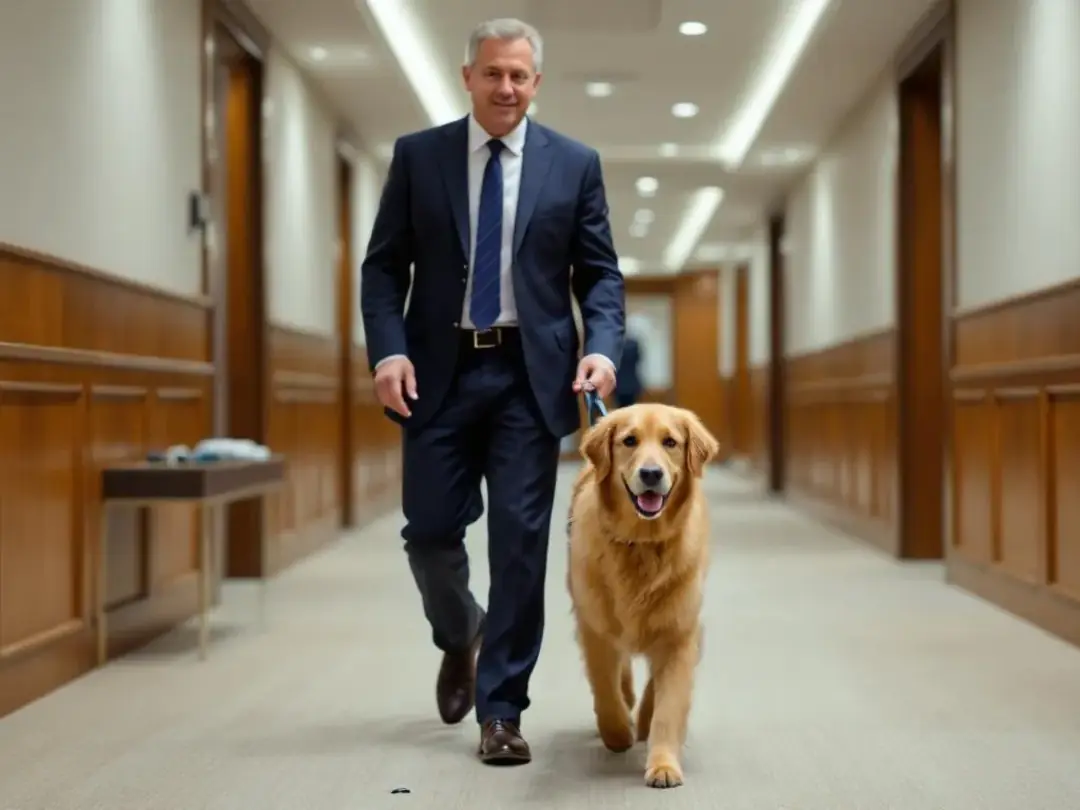
Proper Leash Etiquette: Always keep your dog leashed in hotel common areas, even if they have excellent recall at home. Hotel environments present unique distractions and potential hazards that can overwhelm even well-trained dogs.
Use a standard 6-foot leash rather than retractable options, which provide better control in crowded hotel spaces and comply with most hotel leash policies.
Minimizing Disturbances to Other Guests
Preventing Excessive Barking: Tire your dog with exercise and mental stimulation before leaving them alone in the hotel room. A tired dog is less likely to bark at hallway noises or other disturbances that are normal in hotel environments.
Use background noise from the TV or a white noise machine to mask outside sounds that might trigger barking. Keep curtains closed to reduce visual stimuli from windows that might cause your dog to bark at passersby.
Managing Noise Levels: Be mindful of your dog's activity levels during hotel quiet hours, typically 10 PM to 7 AM. Avoid high-energy play sessions or activities that might create noise for neighboring rooms.
If your dog tends to pace or has restless energy, provide calm activities like puzzle toys or long-lasting chews that don't create noise.
Strategic Activity Timing: Plan your dog's most active periods during times when hotel activity is naturally higher, such as mid-morning or early evening. This timing means any incidental noise from your dog is less likely to disturb other guests.
Avoid bathroom breaks during peak elevator usage times when possible, as crowded elevators can stress both dogs and other hotel guests.
Considerate Walking Route Planning: Choose walking routes that minimize encounters with other guests, especially during early morning or late evening hours. Many hotels have multiple entrance/exit options that can help you avoid busy lobby areas during peak times.
If your dog is reactive to other dogs or tends to be overly friendly with strangers, plan routes that give you space to manage these interactions appropriately.
Handling Common Hotel Challenges with Dogs
Managing Separation Anxiety: If your dog experiences separation anxiety, start with very short absences (15-30 minutes) to help them adjust to the hotel room environment. Gradually increase absence duration as your dog becomes more comfortable with the space.
Leave recently worn clothing in the room to provide comforting scents, and consider anxiety-reducing products like calming pheromone sprays specifically designed for travel situations.
Accident Cleanup Procedures: Address accidents immediately with pet-safe cleaning products and notify hotel housekeeping if necessary. Many hotels prefer to handle carpet cleaning with their own professional equipment rather than having guests attempt deep cleaning.
Document your cleanup efforts with photos if significant accidents occur, as this demonstrates responsible pet ownership and may help reduce additional cleaning fees.
Addressing Noise Complaints: If hotel management contacts you about noise complaints, respond cooperatively and implement immediate solutions. This might include relocating your dog's bed, adjusting your schedule, or providing additional enrichment to reduce barking triggers.
Ask hotel staff for specific details about when noise occurred and what type of sounds were reported, as this information helps you address the root cause more effectively.
Housekeeping Coordination: Most hotels require that pets not be left unattended during housekeeping service. Coordinate with housekeeping to schedule cleaning when you're present, or arrange to remove your dog during service if hotel policy allows brief unattended periods.
Some hotels offer "pet in room" door signs that alert housekeeping to skip service when you're away with your dog, allowing you to maintain your preferred schedule.
Pet Service Coordination: Many pet-friendly hotels can arrange dog-walking services, pet-sitting, or grooming appointments through local providers. Book these services in advance, especially in popular tourist destinations where pet services may be in high demand.
Verify that any recommended service providers are licensed, insured, and have good references from the hotel or other guests.
Emergency Situations and Solutions
Local Emergency Veterinary Clinics: Research and save contact information for 24-hour emergency veterinary clinics before you travel. Many pet insurance companies and veterinary practices provide travel resources that list emergency services by location.
Keep your regular veterinarian's contact information easily accessible, as they may be able to provide guidance or records to emergency clinics if issues arise during travel.
Pet Escape Prevention and Response: Always ensure your dog is secured before opening hotel room doors, as unfamiliar environments can cause even well-behaved dogs to bolt. Use a leash or physical barrier when room service or housekeeping staff enter.
If your dog does escape, immediately notify hotel security and front desk staff, who can alert housekeeping and other staff to watch for your pet throughout the property.
Managing Behavioral Issues: If your dog displays aggressive behavior or extreme anxiety that creates safety concerns, have a backup plan for alternative accommodations. Some hotels may ask you to leave if your pet poses a risk to staff or other guests.
Consider consulting with a veterinary behaviorist before travel if your dog has known triggers that might be problematic in hotel environments.
Alternative Accommodation Options: Research backup options like pet-friendly vacation rentals, extended stay properties, or even boarding facilities in case hotel stays don't work out as planned. Having alternatives reduces stress and provides solutions if unexpected problems arise.
Keep contact information for local pet boarding facilities or pet-friendly accommodations readily available as emergency backup options.
Top Pet-Friendly Hotel Chains and Their Policies
Kimpton Hotels (IHG): Kimpton Hotels leads the industry with a genuinely pet-friendly approach-no pet fees at most locations, no size or breed restrictions, and no formal limit on the number of pets per room. Dogs can even attend nightly wine receptions in many locations.
Standard amenities include premium dog beds, food and water bowls, and treats upon arrival. Some Kimpton properties offer specialized services like dog-walking, grooming arrangements, and customized pet amenities based on your dog's preferences.
Red Roof Inn: Red Roof Inn allows pets under 80 pounds to stay free of charge, making it one of the most budget-friendly options for pet travel. Their policy focuses on damage-only charges rather than upfront fees, though guests remain responsible for any pet-related damage.
While amenities are minimal compared to luxury options, Red Roof Inn provides reliable, consistent pet policies across their properties with clear guidelines and generally pet-welcoming staff attitudes.
Best Western: Best Western properties typically charge $20-30 nightly pet fees and accommodate pets up to 80 pounds. Policies can vary by individual property, but most locations provide basic amenities like designated pet relief areas and waste bag stations.
Some Best Western properties offer enhanced pet packages including beds, toys, and local area pet activity guides, though these vary by location and aren't standardized across the chain.
Marriott Brands: Marriott's pet policies vary significantly across their brand portfolio, with higher-end properties typically charging $75-150 in pet fees but offering premium amenities. Many Marriott properties provide specialized pet beds, food stations, and welcome packages.
Marriott Bonvoy loyalty members may receive waived pet fees or enhanced amenities at participating properties, making loyalty program membership particularly valuable for frequent pet travelers.
Hilton Brands: Approximately 80% of Hilton properties accept pets, with average fees around $85 per stay. Hilton's pet program includes partnerships with local pet service providers and standardized amenities across participating properties.
Higher-tier Hilton brands often provide luxury pet amenities including specialized room service menus, premium bedding, and concierge services for pet-related needs.
Luxury Hotel Pet Programs
Loews Hotels: Loews Hotels offers comprehensive pet programs including pet room service menus with items like "Bow Wow Beer" and gourmet pet meals. Their canine concierge services can arrange dog-walking, pet-sitting, and local pet activity recommendations.
Many Loews properties provide welcome amenities including premium beds, toys, and treats, with some locations offering specialized suites designed specifically for pet travelers.
Ritz-Carlton: The Ritz-Carlton's pet program includes custom pet beds, gourmet treats, and access to professional dog-walking services. Some properties offer specialized packages including spa services for pets and customized dietary accommodations.
Pet amenities often include monogrammed beds, premium toy selections, and personalized attention from staff trained in pet hospitality services.
Four Seasons: Four Seasons maintains more restrictive pet policies (typically under 15 pounds only) but provides exceptional service for qualifying pets. Custom pet programs may include specialized dining options, grooming services, and dedicated pet concierge assistance.
Some Four Seasons properties offer unique amenities like pet yoga classes, specialized walking services, and luxury pet transportation arrangements.
Boutique Hotel Specialized Programs: Many independent boutique hotels compete by offering unique pet programs that chain hotels can't match. These might include custom birthday celebrations for pets, specialized photography sessions, or partnerships with local pet businesses for unique experiences.
Research individual boutique properties for creative pet programs that might include everything from pet massage therapy to specialized adventure packages designed for active dogs and their owners.
Cost-Saving Tips and Alternatives
Leveraging Hotel Loyalty Programs: Many hotel loyalty programs offer pet fee waivers or reduced charges for members. Marriott Bonvoy, Hilton Honors, and IHG Rewards Club members often receive discounted or waived pet fees, especially at higher tier membership levels.
Consider concentrating your hotel stays with one hotel chain to build loyalty status that includes pet benefits. The annual savings on pet fees can quickly offset any slightly higher room rates you might pay for brand loyalty.
Extended Stay Advantages: Extended stay hotels often offer better weekly or monthly rates that include pet accommodations. These properties typically feature kitchenettes that allow you to maintain your dog's regular diet, and more spacious rooms that feel more comfortable for longer stays.
Many extended stay properties have more relaxed pet policies and better outdoor facilities, making them ideal for longer trips or temporary living situations with pets.
Alternative Accommodation Options: Pet-friendly vacation rentals and Airbnb properties often provide better value for longer stays, especially when traveling with multiple pets or larger dogs that face restrictions at traditional hotels. These options typically offer more space, fenced yards, and no pet fees.
Research vacation rental policies carefully, as individual owners may have different rules about pets than the platform's general policies indicate.
Budget-Friendly Camping and RV Options: Many state and national parks offer pet-friendly camping facilities at significantly lower costs than hotel accommodations. KOA campgrounds and similar facilities often provide amenities like dog parks, walking trails, and pet washing stations.
RV parks increasingly cater to pet travelers with specialized facilities and often welcome pets that might face restrictions at traditional hotels due to size or breed limitations.
Timing and Seasonal Considerations: Pet-friendly accommodations often have lower demand during off-peak seasons, potentially reducing both room rates and pet fees. Some hotels offer special packages during slower periods that include pet amenities at reduced rates.
Consider traveling mid-week when possible, as many pet-friendly hotels have higher demand and rates during weekends when leisure travelers are more likely to bring pets.
Staying in a hotel with a dog requires preparation, patience, and clear communication, but the reward is the joy of traveling with your furry friend. Start your planning early, research thoroughly, and choose accommodations that truly welcome pets rather than merely tolerate them. With proper preparation and realistic expectations, you and your dog can enjoy comfortable, stress-free hotel stays that strengthen your bond and create lasting travel memories.
Remember that each hotel stay is an opportunity to advocate for responsible pet ownership and positive pet travel experiences. By following these guidelines and maintaining high standards for your dog's behavior, you contribute to the growing acceptance and improvement of pet-friendly hospitality services.
Ready to plan your next adventure? Start by researching pet policies at hotels in your destination, gather necessary documentation, and book early to secure the best pet-friendly rooms available. Your well-prepared approach will set the foundation for a successful and enjoyable trip for both you and your dog.


