
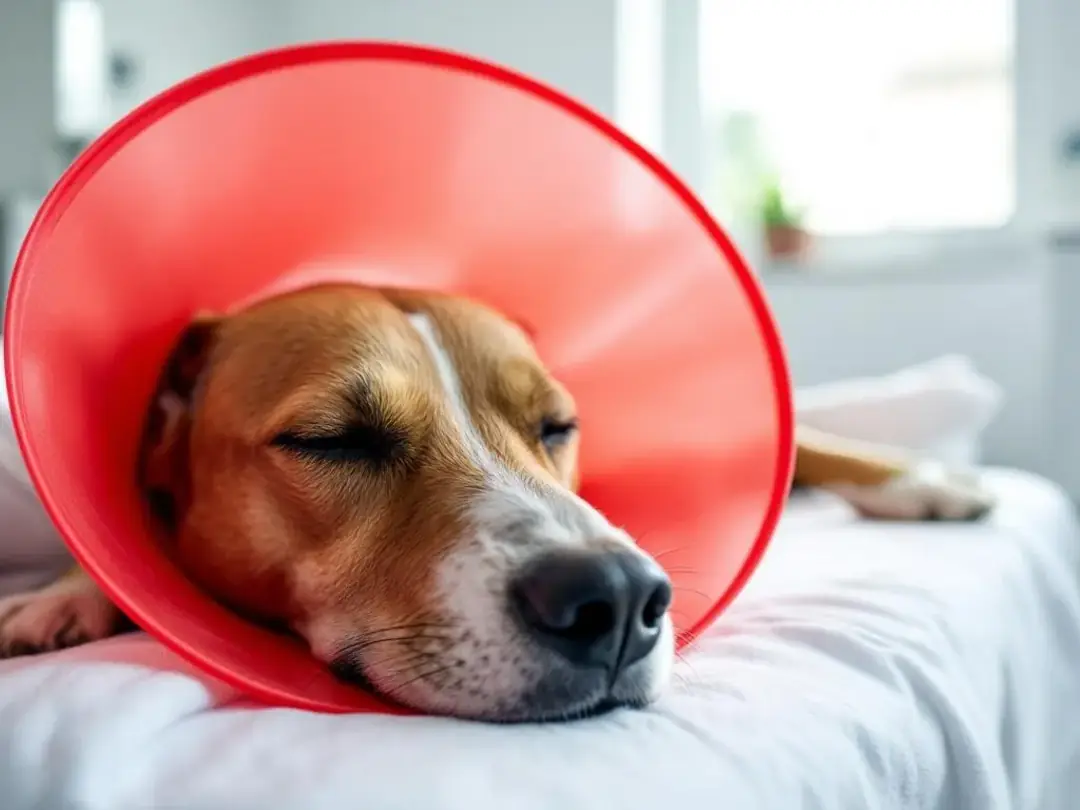

Understanding your female dog's spay surgery recovery timeline can make all the difference between a smooth healing process and costly complications. This major surgery requires careful post op care and close monitoring to ensure proper healing. While most dogs recover fully within two weeks, the internal healing process continues for up to six weeks, making it crucial for pet owners to follow veterinary instructions throughout the entire recovery period.
Spay surgery, also known as ovariohysterectomy, involves removing the ovaries and uterus under general anesthesia. This spay procedure helps prevent unwanted litters while reducing the risk of certain health issues later in life. The success of your pet's recovery depends largely on following activity restrictions and monitoring for warning signs during the critical healing phase.
Complete Spay Recovery Timeline Overview
The standard recovery period for spay or neuter surgery spans 10-14 days for external healing, with full internal healing taking up to six weeks. This timeline applies to most dogs, though individual factors can affect healing time. Understanding each phase helps pet parents provide appropriate post op care and recognize when their pet appears to be healing normally versus when complications may be developing.
Critical first 72 hours require the most intensive monitoring and restricted activity. During days 3-7, you'll notice gradual improvement in your pet's appetite and energy levels. Days 7-14 focus on continued healing while preventing overexertion, even though your dog may seem fully recovered. Individual factors like age, breed, and overall health status can significantly affect healing time and recovery experience.
Young animals typically heal more quickly than senior dogs, while larger dogs may need additional recovery time compared to smaller breeds. Female dogs who were in heat at the time of surgery or those carrying extra weight may experience a slightly extended healing process. Your veterinarian will provide specific guidance based on your dog's individual needs and surgical technique used.
Day 0-1: Surgery Day and Immediate Post-Operative Period
On surgery day, dogs remain groggy and sleepy for 12-24 hours due to anesthesia effects. This drowsiness is completely normal and expected as the anesthetic medications work their way out of your pet's system. During this initial period, mild nausea, drooling, or occasional vomiting are normal anesthesia side effects that typically resolve within 24 hours.
Provide a quiet, warm recovery space away from other pets and children where your female dog can rest undisturbed. Choose a small room or area where you can easily supervise while allowing your pet rest without stimulation from household activity. Keep the environment calm and dimly lit to reduce stress during this vulnerable period.
Offer a small meal the evening of surgery, though don't be concerned if your pet shows little interest in food initially. Normal appetite typically returns by the next day, though some pets may prefer small meals rather than their usual portion size. Ensure fresh water is always available, as proper hydration supports the healing process.
Monitor breathing, gum color, and basic responsiveness every few hours during the first night. Your pet's gums should remain pink, and breathing should be steady and unlabored. Keep the elizabethan collar (e collar) on at all times to prevent licking the surgical site, as this can introduce bacteria and delay healing.
Days 2-3: Early Recovery Phase
Dogs typically regain alertness during this phase but may remain lethargic and hesitant to move normally. This continued sluggishness is expected as your pet's body focuses energy on the healing process rather than normal activity levels. Some stiffness after rest periods is common and should gradually improve.
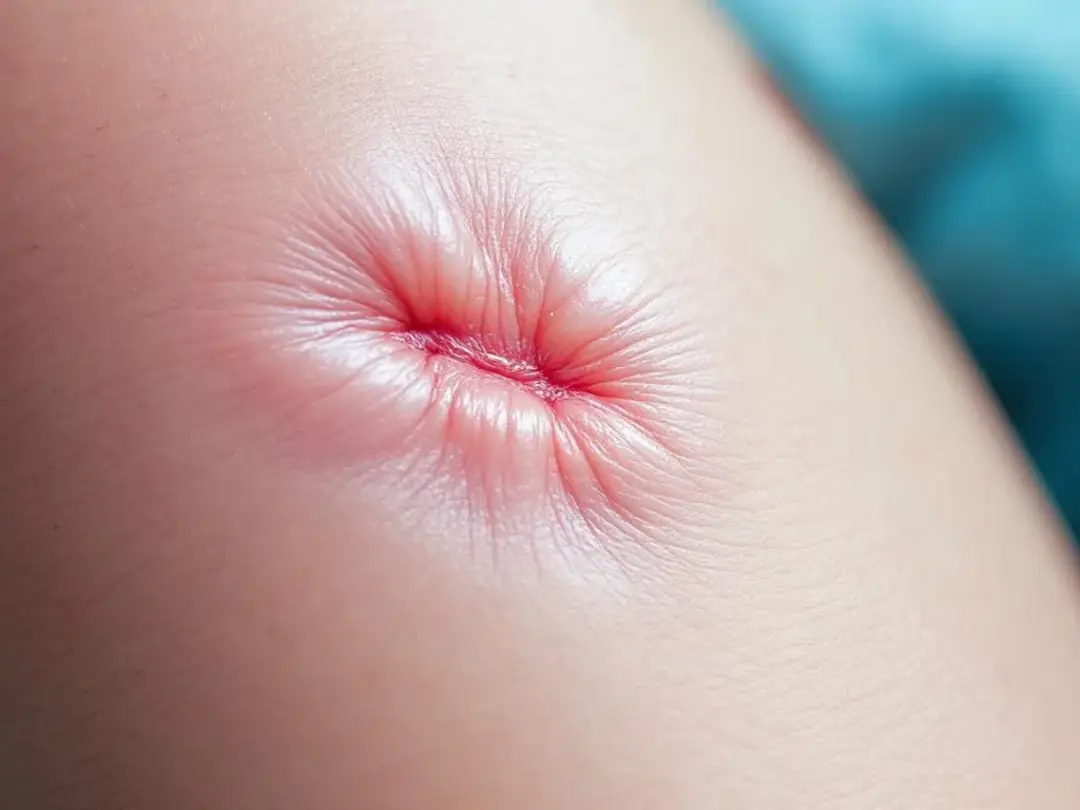
Mild swelling and bruising around the incision site are expected and normal during this early healing phase. The surgical site may appear slightly raised or firm to the touch, which indicates normal inflammation as part of the body's healing response. However, excessive swelling that continues to increase or becomes hard should be reported to your veterinarian.
Continue strict activity restriction with only short leashed bathroom breaks lasting no more than 5-10 minutes. Even though your dog's recovery may seem to be progressing well, internal sutures and tissues are still very fragile during this critical period. Avoid stairs, jumping, and interaction with other animals that might encourage rough play.
Begin daily incision checks for redness, swelling, or discharge. Normal healing shows minimal redness around the incision with no drainage or foul odor. The incision should remain dry and clean, with edges that stay properly aligned. Take photos if you're unsure about changes, as these can help your veterinarian assess healing progress.
Administer prescribed pain medications like Carprofen or Meloxicam exactly as directed on the medication instructions. Proper pain management not only keeps your pet comfortable but actually supports faster healing by reducing stress hormones that can delay recovery. Never give human pain medications, as these can be toxic to pets.
Days 4-7: Gradual Improvement Period
Most dogs show increased interest in their surroundings and improved appetite during this gradual improvement period. Energy levels begin returning, but it's crucial to remember that internal healing is still ongoing despite your pet's improved demeanor. Many post surgical complications occur during this phase when owners relax restrictions too early.
Your female dog may seem almost back to normal, but the internal tissues are still rebuilding strength and integrity. The healing incision may look good externally while remaining fragile internally. Maintain all activity restrictions despite your pet's apparent recovery, as premature activity can cause serious complications.
Continue e collar use and maintain strict activity restrictions even though your dog may be more mobile and interested in normal activities. Short 5-10 minute leashed walks for bathroom needs remain the only acceptable physical activity. Use baby gates or crates to prevent access to stairs or furniture when you cannot directly supervise.
Monitor for complications like seromas (fluid pockets under the skin) or early signs of infection during this period. A seroma appears as a soft, fluid-filled swelling near the surgical site and typically requires veterinary evaluation. Signs of infection include increasing redness, warmth, swelling, or any discharge from the incision.
Warning Signs During Week 1
Several warning signs during the first week require immediate veterinary attention. Excessive redness, swelling, or warmth at the incision site that worsens rather than improves may indicate infection or other complications. The surgical site should gradually improve each day, not become more inflamed.
Foul-smelling discharge or bleeding lasting more than 24 hours after surgery needs prompt evaluation. While minor spotting immediately after surgery can be normal, ongoing bleeding or any discharge with an unpleasant odor suggests complications that require treatment.
Lethargy, persistent vomiting, or loss of appetite persisting beyond 48 hours post-surgery are concerning signs. While some decreased appetite and energy are expected initially, these symptoms should steadily improve. Worsening or prolonged symptoms may indicate pain medication side effects or other complications.
Difficulty breathing, pale gums, or unresponsiveness require emergency veterinary care. These signs can indicate serious complications or allergic reactions that need immediate treatment. Trust your instincts-if your pet appears significantly worse or you're concerned about their condition, contact your veterinarian promptly.
Incision difficulty urinating or defecation problems, or any opening or separation of the surgical site edges require immediate attention. The incision should remain intact and properly closed throughout the healing process. Any separation of the wound edges can lead to serious complications.
Days 8-14: Final Recovery Phase
During the final recovery phase, the surgical site shows minimal redness with healthy pink coloration indicating good healing progress. The incision should appear dry and well-sealed, though you may notice a small, firm lump under the skin where internal sutures are dissolving. This is completely normal and will resolve over time.
Internal sutures continue healing even when the external appearance looks normal. This is why activity restrictions must continue through the full two-week period despite your dog's apparent recovery. The internal tissues need this full time to regain sufficient strength to handle normal activity levels safely.
Dogs may appear fully healed and eager to resume normal activities, but premature return to running, jumping, or rough play can cause internal damage that isn't immediately visible. The healing process requires patience and continued vigilance even when your pet appears ready for more activity.
The elizabethan collar typically comes off after 10-14 days once the incision is fully sealed and the vet approves removal. However, some pets may need to wear the recovery cone longer if they show excessive interest in licking the healing incision. Follow your veterinarian's specific guidance about when collar removal is appropriate.
Veterinary clearance is needed before resuming normal activities, typically provided at a follow-up appointment around 10-14 days post-surgery. This examination ensures proper healing has occurred and that it's safe to gradually return to normal exercise levels. Don't assume your pet is ready for full activity without professional confirmation.
Activity Restrictions and Exercise Guidelines
Strict activity restrictions are essential throughout the entire 10-14 day recovery period. No running, jumping, rough play, or swimming should occur during this critical healing time. These restrictions apply even when your dog appears energetic and ready for more activity, as internal healing lags behind external appearance.
Use crates, exercise pens, or baby gates to limit movement when you cannot directly supervise your pet. A small room setup works well for larger dogs who need more space but still require movement restriction. The goal is preventing sudden bursts of activity that could damage healing tissues.
Avoid stairs, furniture access, and interaction with other pets who might encourage energetic play. Other animals in the household should be separated during the recovery period to prevent complications. Even gentle play between pets can result in movements that affect healing time or cause injury to the surgical site.
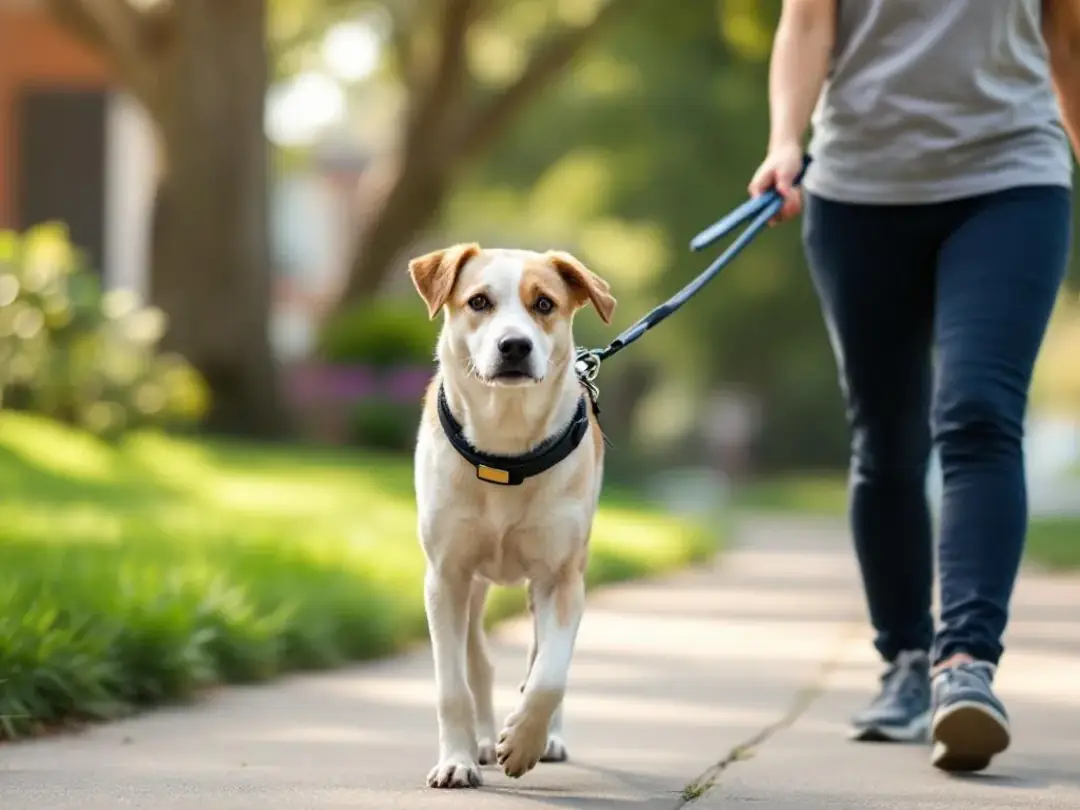
Leashed bathroom breaks should last only 5-10 minutes and focus solely on necessary elimination. These short walks provide minimal exercise while allowing your pet to maintain normal bathroom habits. Keep your dog on a short leash to prevent sudden movements or attempts to run or jump.
Consider sedation medications for anxious or high-energy dogs who struggle with activity restrictions. Some pets, particularly young or very active dogs, may need pharmaceutical help to rest appropriately during recovery. Discuss this option with your veterinarian if your pet appears stressed by the confinement.
Gradual return to normal exercise should only begin after veterinary approval, typically starting with slightly longer leash walks and slowly increasing activity over several days. Full recovery to unlimited activity usually occurs 2-3 weeks post-surgery, but follow your veterinarian's specific recommendations based on your dog's healing progress.
Incision Care and Monitoring
Daily incision checks are crucial for detecting early signs of complications and ensuring proper healing. Check the surgical site at the same time each day in good lighting, looking for changes in color, swelling, discharge, or odor. Normal healing shows steady improvement with decreasing redness and no drainage.
A properly healing incision appears dry with minimal redness and no discharge or unusual odor. Small scab formation and light pink coloration indicate the healing process is progressing normally. The incision edges should remain well-aligned without gaps or separation.
Avoid cleaning the incision unless specifically instructed by your veterinarian. Most incisions heal best when left alone and kept dry and clean through normal care. Using hydrogen peroxide, alcohol, or topical ointments on the surgical site can actually delay healing or cause irritation unless prescribed by your vet.
Keep the incision dry throughout the recovery period-no baths or swimming for a minimum of 10 days or until your veterinarian confirms complete healing. Water can introduce bacteria into the healing tissues and soften the incision, potentially causing complications. Use pet wipes for cleaning other areas if needed.
Document any concerning changes with photos and notes to share with your veterinarian. Changes in the incision's appearance, size, or your pet's behavior around the surgical site should be monitored and reported. Early intervention can prevent complications from becoming serious problems.
E-Collar Management
Maintain elizabethan collar use 24 hours a day for a minimum of 7-10 days post-surgery, or until your veterinarian approves removal. The recovery cone prevents licking and chewing, which are the leading causes of post-surgical complications. Even brief periods without the collar can result in significant damage to the healing incision.
Alternative options include recovery suits or inflatable collars if the traditional cone causes excessive stress or prevents eating and drinking. Some pets adapt better to fabric suits that cover the incision while allowing more normal movement and comfort. Discuss alternatives with your veterinarian if the standard e collar creates problems.
Licking and chewing at the surgical site can introduce bacteria, delay healing, or cause the incision to open completely. Even gentle licking can damage delicate healing tissues and extend the recovery period significantly. Prevention through proper collar use is much easier than treating complications after they occur.
Remove the collar only during supervised feeding if absolutely necessary, and replace it immediately afterward. Some pets may need assistance eating or drinking with the collar on, but unsupervised time without protection risks serious complications. Monitor closely during any collar-free periods.
Pain Management and Medications
Proper pain management is essential for your pet's comfort and supports faster healing by reducing stress hormones that can delay recovery. Common prescribed medications include Carprofen (Rimadyl), Meloxicam (Metacam), and Gabapentin for various types of pain and inflammation control.
Follow exact dosing instructions and timing provided with your medication instructions, and never give human medications like ibuprofen or acetaminophen, which can be toxic or fatal to pets. If you miss a dose, contact your veterinarian for guidance rather than doubling the next dose or adjusting the schedule on your own.
Signs that your pet may be experiencing pain include whimpering, excessive panting, reluctance to lie down comfortably, decreased appetite, or withdrawal from normal interactions. Some dogs hide pain well, so watch for subtle changes in behavior or movement patterns that might indicate discomfort.
Contact your veterinarian if pain appears to persist despite proper medication administration, or if you notice concerning side effects like vomiting, diarrhea, or extreme lethargy. Some pets may need dosage adjustments or different pain medications to achieve adequate comfort during recovery.
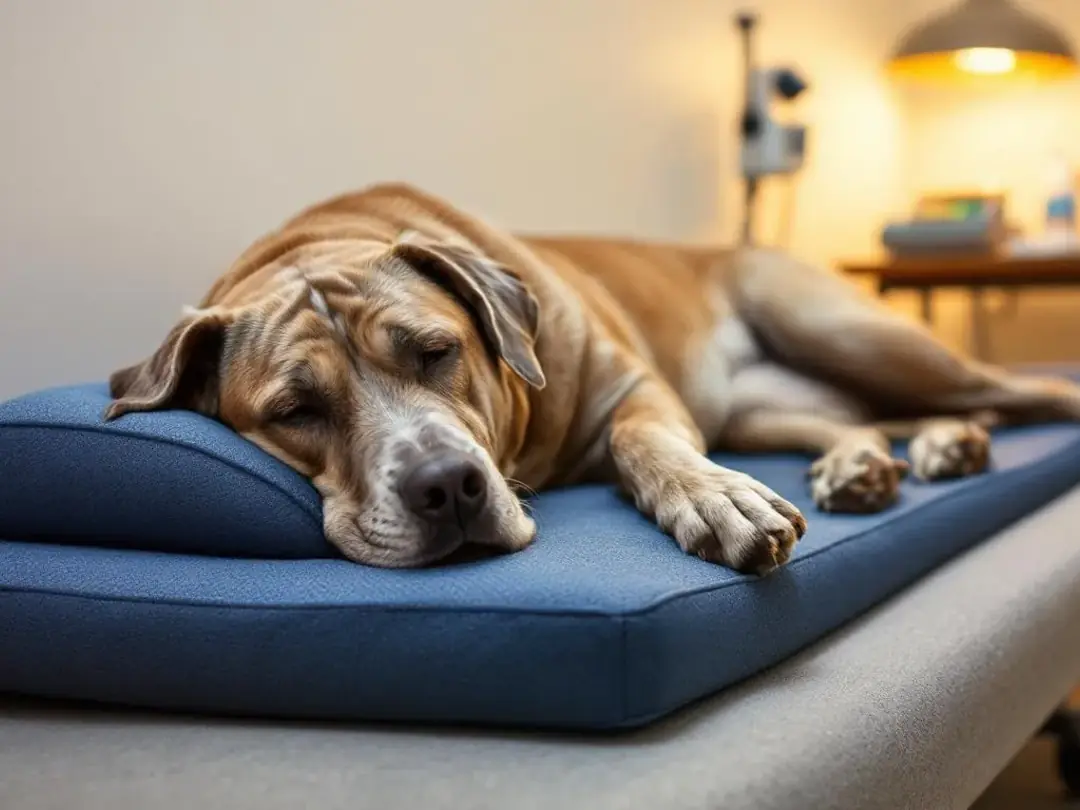
Additional comfort measures include providing orthopedic bedding, maintaining a quiet environment, and ensuring easy access to food and water without requiring much movement. Senior dogs particularly benefit from extra comfort measures and may need longer pain management protocols.
Factors Affecting Recovery Timeline
Several factors can significantly influence your dog's recovery experience and timeline. Puppies under 6 months typically heal faster than adult dogs due to their rapid cell regeneration, but they require extra supervision to prevent overactivity that could damage healing tissues. Young animals often don't understand the need for rest and may attempt normal play behaviors.
Senior dogs may require 2-3 additional days for complete healing and often benefit from orthopedic bedding and extra comfort measures. Older pets may have slower circulation and cell regeneration, affecting their overall healing time. They may also have underlying health issues that impact recovery.
Overweight female dogs often experience slower healing and increased complication risk due to additional strain on the surgical site and potentially compromised circulation. Extra tissue also makes the surgery more complex and can increase post-operative inflammation. Weight management becomes crucial during recovery and beyond.
Pre-existing health issues can extend the recovery period beyond the standard 14 days. Conditions affecting immune function, circulation, or general health may slow healing and increase complication risk. Discuss any ongoing health concerns with your veterinarian when planning post-operative care.
Breed size influences healing patterns, with larger dogs potentially needing additional recovery time due to increased stress on internal sutures from their size and weight. Giant breeds may need extended activity restrictions to ensure internal tissues have adequate time to strengthen before resuming normal activity levels.
When to Contact Your Veterinarian
Immediate veterinary contact is needed for excessive bleeding, incision opening, or severe lethargy that seems disproportionate to expected post-operative effects. Any separation of the incision edges or active bleeding beyond minor spotting in the first 24 hours requires prompt evaluation and possible emergency treatment.
Persistent vomiting, diarrhea, or loss of appetite beyond 24-48 hours post-surgery should be reported, especially if accompanied by other concerning symptoms. While some initial digestive upset can occur from anesthesia and medications, ongoing problems may indicate complications or adverse reactions requiring treatment adjustment.
Difficulty urinating or defecating after the first post-operative day, particularly if your pet shows signs of straining or distress, needs veterinary attention. Some pets may be hesitant to eliminate normally due to discomfort, but inability to urinate or defecate can indicate serious complications.
Increasing redness, swelling, or pus-like discharge from the incision suggests infection or other complications requiring antibiotic treatment or other intervention. Normal healing should show steady improvement, not worsening symptoms as days progress.
Behavioral changes like uncharacteristic aggression, excessive hiding, or unusual vocalization may indicate significant pain or distress that isn't being adequately managed. Any concerns about your pet's healing progress, comfort level, or medication side effects should be discussed with your veterinarian promptly.
Trust your instincts as a pet owner-you know your dog's normal behavior and appearance better than anyone. If something seems wrong or different from what you'd expect, don't hesitate to contact your veterinary team for guidance.
Special Considerations for Different Life Stages
Puppies heal quickly but require extra supervision to prevent overactivity during the critical healing period. They may also benefit from smaller, more frequent meals during recovery to avoid digestive upset while maintaining proper nutrition for growth and healing. Young dogs often don't understand the need for rest and may need more creative containment solutions.
Senior dogs benefit from joint supplements and extra comfort measures during recovery. Orthopedic bedding, easy access to food and water, and potentially longer pain management protocols can help older pets recover more comfortably. They may also need assistance with mobility if they have underlying arthritis or other age-related conditions.
Anxious pets may need calming supplements or prescription anti-anxiety medications to help them rest appropriately during recovery. Some dogs become stressed by the combination of post-operative discomfort, activity restrictions, and wearing an elizabethan collar. Managing anxiety can actually improve healing by reducing stress hormones.
Multi-pet households require separation to prevent rough play during the healing period. Other pets in the home should be kept away from the recovering dog to avoid accidental injury or encouragement of inappropriate activity. This separation protects both the healing pet and prevents other animals from becoming stressed by the changes in routine.
Female cats who undergo spay surgery follow similar recovery principles, though they may hide discomfort more effectively than dogs. Watch carefully for subtle changes in behavior, appetite, or litter box habits that might indicate complications.
FAQ
How long does complete recovery take?
Most dogs achieve external healing within 10-14 days, but full recovery with complete internal healing takes up to 6 weeks. Normal activities can typically resume after veterinary clearance at the 2-week recheck appointment, with gradual return to full exercise over the following weeks.
When can my dog have a bath?
Bathing should wait a minimum of 10-14 days until the incision is completely healed and sealed. Your veterinarian will confirm when it's safe to allow water contact with the surgical site. Until then, use pet wipes for cleaning other areas if needed.
Will my dog's personality change?
Slight personality changes are temporary and related to hormonal adjustments following spay surgery. Most behavioral changes are subtle and stabilize within a few weeks to months after surgery. Some female dogs become slightly less territorial or aggressive, which is generally considered a positive change.
How can I prevent weight gain after spay surgery?
Monitor food intake carefully and maintain regular exercise routines once cleared by your veterinarian. Spayed female dogs may have slightly lower metabolic rates, so portion control and regular activity become important for maintaining healthy weight throughout life.
What if my dog seems fully recovered before 14 days?
Continue following all restrictions until veterinary clearance, regardless of how well your pet appears to be healing. Internal tissues take longer to heal than external appearance suggests, and premature activity can cause serious complications even when the incision looks perfect.
Is it normal to feel a lump under the incision?
A small, firm lump under the healing incision from internal sutures or normal scar tissue formation is completely normal. This typically resolves gradually over several weeks to months. However, report any lumps that seem to be growing, becoming softer, or causing your pet discomfort.Understanding your dog's spay surgery recovery timeline and following proper post op care protocols ensures the best possible outcome for this important procedure. While the recovery period requires patience and diligence, most dogs heal completely without complications when pet parents follow veterinary instructions carefully. Remember that every dog's recovery experience is unique, and when in doubt, consulting with your veterinary team provides the best guidance for your individual pet's needs.
The key to a smooth recovery lies in balancing appropriate rest with careful monitoring, ensuring your female dog heals properly while maintaining her comfort throughout the process. With proper care and attention, your pet will soon return to full activity and enjoy the long-term health benefits that spay surgery provides.


