


The wagging tail of a small dog can transform any space into a home filled with joy and companionship. Whether you're drawn to the bold personality of a Chihuahua or the gentle nature of a Cavalier King Charles Spaniel, finding the right small dog requires more than falling in love with a cute face. This guide walks you through everything you need to know about small dogs for sale, from understanding different breeds to avoiding common pitfalls, and includes a comprehensive list of small dog breeds and options you can consider.
Small dogs offer unique advantages that make them increasingly popular choices for modern families. They adapt well to apartment living, cost less to feed than large dogs, and often live longer, giving you more years of friendship. But with countless dogs available through various channels-from reputable breeders to dog rescue organizations-knowing where to look and what to expect makes all the difference in finding your forever family member.
What Are Small Dogs and Why Choose Them?
Small dog breeds typically weigh under 22 pounds and stand no taller than 16 inches at the shoulder when fully grown. This category includes an incredible variety of personalities, coat types, and colors-from the silky-haired Yorkshire Terrier to the wrinkled face of a Pug. These compact companions pack big personalities into small packages, often displaying the same confidence and spirit as their larger counterparts.
The benefits of choosing a smaller dog extend beyond their adorable appearance. They're naturally apartment-friendly, requiring less space for exercise and play. Food costs stay manageable since a small dog eats significantly less than larger breeds-sometimes saving you hundreds of dollars annually. Travel becomes easier too, whether you're moving across the country or just visiting friends for the weekend.
Many small breeds also enjoy longer lifespans than large dogs, often living 12-16 years or more with proper care. This extended companionship means more time for adventures, more years of that enthusiastic greeting when you come home, and a longer relationship with a pet who truly becomes part of your family. A small dog often loves to spend time with their family, showing affection and forming strong emotional bonds.
Their portability makes them excellent companions for people with active lifestyles who want to include their pets in activities. From coffee shop visits to weekend trips, small dogs adapt well to various situations and environments.

Popular Small Dog Breeds Available for Sale
Understanding specific breeds helps you choose a dog whose temperament and needs match your lifestyle. If you're searching for adorable pups, these small dogs are especially popular for their cuteness and affectionate personalities, making them appealing choices for potential owners. Here are some of the most popular small dog breeds you'll find available:
Chihuahua - Weighing just 2-6 pounds, these tiny dogs display remarkable confidence and loyalty. Prices typically range from $500-$1,000, though some can be found for less through rescue organizations. They're minimally groomed but can be sensitive to cold weather and may not thrive in homes with other animals.
Yorkshire Terrier - These 4-7 pound companions are known for their silky coats and alert personalities. Expect to pay $800-$2,000 from breeders. They require regular grooming but make excellent apartment dogs with moderate exercise needs.
Pomeranian - Weighing 3-7 pounds, Pomeranians are intelligent, playful, and social. Market prices typically range from $600-$1,500. Their dense double coat needs regular brushing, but they're generally easy to care for and adapt well to various living situations.
French Bulldog - Though on the larger end at 16-28 pounds, these gentle companions have become incredibly popular. Prices often exceed $2,000-$4,000 due to high demand. They're low-energy dogs perfect for apartments but require careful attention to respiratory health.
Cavalier King Charles Spaniel - These 12-18 pound dogs are known for their gentle, friendly nature. Prices range from $1,000-$2,500. They're excellent with children and other pets, making them ideal family dogs.
Toy Breeds include Maltese (4-7 pounds), Papillon (5-10 pounds), Toy Poodle (4-6 pounds), Havanese (7-13 pounds), and Shih Tzu (9-16 pounds). Each offers unique characteristics, from the Maltese's hypoallergenic coat to the Papillon's butterfly-like ears. Prices typically range from $800-$2,500 depending on the breed and source.
Where to Find Small Dogs for Sale
Your choice of where to find your small dog significantly impacts everything from initial cost to long-term health outcomes. Each source has distinct advantages and considerations.
Reputable Breeders represent the premium option for purebred dogs. Legitimate breeders focus on health testing, proper socialization, and breed improvement. They'll provide health certifications, allow you to meet parent dogs, and offer ongoing support. Expect to pay $800-$3,000 or more, but you're investing in predictable temperament and reduced health risks. Red flags include breeders who always have puppies available, won't show you their facilities, or offer multiple breeds.
Pet Stores offer convenience and immediate availability, but quality varies dramatically. Some partner with responsible breeders, while others source from puppy mills. Prices typically range from $500-$2,000. Always ask about the puppy's origin, health guarantees, and return policies. Avoid stores that can't provide detailed information about breeding practices.
Online Platforms like Pawrade, PuppyFind, and AKC Marketplace connect you directly with breeders nationwide. This expands your options but requires careful vetting. Legitimate sellers provide extensive photos, health records, and welcome video calls. Be cautious of sellers demanding immediate payment or refusing to answer detailed questions about their breeding program.
Local Classified Ads and breeder directories can yield great finds, especially for those willing to wait for the right match. Local breeders often have lower overhead costs, potentially offering better prices. However, thoroughly research anyone you contact through classified ads, as this venue also attracts less scrupulous sellers.

Adoption or a Dog Rescue vs. Purchasing: Consider Rescue Organizations
Before committing to purchase, explore the incredible work being done by small dog rescues and shelters across the country. Organizations like Arizona Small Dog Rescue and Charming Pet Rescue specialize in finding homes for smaller breeds, often including dogs surrendered by families who couldn't provide proper care. Many of these organizations also focus on rescuing abandoned, abused, and neglected dogs, working tirelessly to give them a second chance at a loving home.
Adoption offers significant financial advantages. Typical adoption fees range from $200-$600, compared to breeder prices of $800-$3,000 or more. These fees usually include spay/neuter surgery, current vaccinations, microchipping, and basic health testing-services that would cost hundreds of dollars if purchased separately. Beyond cost savings, adoptions have a profound positive impact, giving dogs a new lease on life and bringing joy to their new families.
Beyond cost savings, adoption saves lives. Countless dogs wait in shelters for their forever family, including purebreds and wonderful mixed breeds. Many rescued dogs are already house-trained and past the destructive puppy phase, making the transition to your home smoother.
Rescue organizations typically provide detailed information about each dog's temperament, compatibility with children and other animals, and any special needs. Foster-based rescues are particularly valuable because volunteers have spent time observing the dogs in home environments, providing realistic assessments of personality and behavior. The dedicated staff and the importance of volunteering play a crucial role in supporting these organizations, from hands-on care to administrative and event support.
The adoption process usually includes an application, reference checks, and sometimes a home visit. While this might seem extensive, it ensures good matches and reduces the likelihood of dogs being returned to shelters. If you are interested in adopting or supporting rescue organizations, remember that every contribution-whether through donations or volunteering-helps save and rehabilitate abandoned, abused, and neglected dogs.
What to Look for When Buying a Small Dog
Whether purchasing from a breeder or adopting from a rescue, certain standards indicate quality care and increase your chances of bringing home a healthy, well-adjusted pet.
Health Certifications and Veterinary Records should be readily available and current. Look for evidence of vaccinations appropriate for the dog's age, deworming records, and any breed-specific health testing. Reputable sources provide detailed medical histories and welcome questions about health protocols.
Temperament Testing and Socialization History matter tremendously for long-term success. Puppies should be curious but not fearful, comfortable with handling, and show appropriate responses to new stimuli. Ask about exposure to different people, sounds, and experiences during critical early weeks. It's also important to find the right person for each dog, ensuring a good match between the animal's temperament and the adopter's lifestyle.
Meeting Parent Dogs provides valuable insights into your puppy's likely adult temperament and size. While this isn't always possible with rescue dogs, reputable breeders should allow visits and be proud to show their breeding dogs. Observe the parents' behavior, health, and living conditions.
Clean, Safe Breeding Environment speaks volumes about overall care standards. Facilities should be clean, spacious, and obviously designed with animal welfare in mind. Dogs should appear healthy, alert, and comfortable with human interaction. Avoid situations where you're not allowed to see where dogs are housed.
Written Health Guarantees and Return Policies protect your investment and indicate confidence in breeding practices. Responsible sellers stand behind their dogs with reasonable guarantees covering genetic health issues and offer support if problems arise.
Cost Considerations for Small Dog Ownership
Understanding the full financial commitment helps you budget appropriately and avoid surprises. Small dogs for sale range dramatically in initial price, but purchase cost represents just the beginning of your investment.
Initial Purchase Prices vary significantly by source and breed:
-
Shelter/Rescue: $50-$400
-
Pet Stores: $500-$2,000
-
Reputable Breeders: $800-$4,000+
-
Rare or Designer Breeds: $2,000-$5,000+
First-Year Expenses typically include:
-
Supplies (bed, crate, toys, leash): $200-$400
-
Initial veterinary care: $300-$600
-
Food: $200-$400
-
Training classes: $100-$300
-
Grooming (if needed): $200-$500
Ongoing Monthly Expenses average $50-$150 and include:
-
Food: $15-$30
-
Preventive healthcare: $20-$40
-
Grooming: $30-$80 (varies by breed)
-
Toys and supplies: $10-$20
It's important to set aside funds each month for ongoing care and unexpected expenses, such as emergency veterinary visits or additional supplies.
Small dogs offer genuine savings compared to larger breeds. They eat less food, require smaller equipment, and often have lower grooming costs. However, some small breeds are prone to specific health issues that can result in higher veterinary costs, so factor breed-specific considerations into your budget planning.
Preparing Your Home for a Wagging Tail of a Small Dog
Proper preparation ensures a smooth transition and keeps your new family member safe during those crucial first weeks. Small dogs have specific needs that differ from larger breeds.
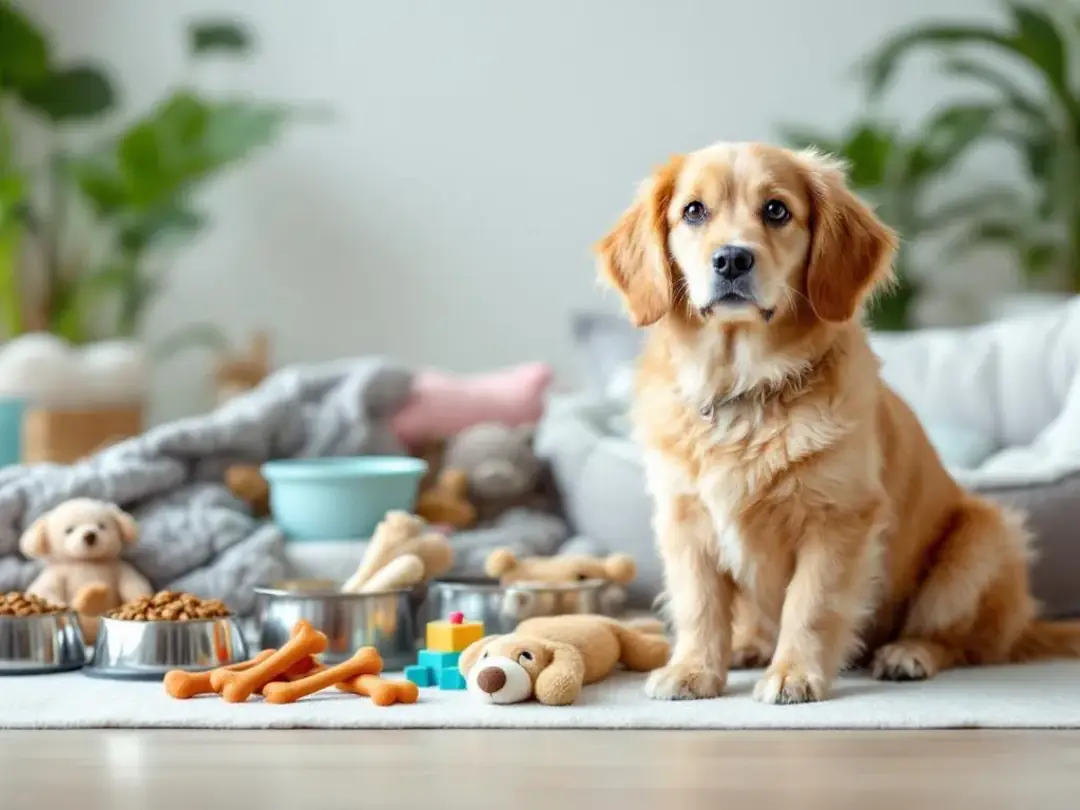
Essential Supplies to have ready include:
-
Appropriately sized crate (just large enough to stand and turn around)
-
Food and water bowls (elevated bowls can help prevent neck strain)
-
High-quality puppy or small-breed food
-
Collar, leash, and ID tags
-
Comfortable bed or blanket
-
Age-appropriate toys
-
Cleaning supplies for accidents
Puppy-Proofing Considerations are especially important for small breeds. Remove or secure small objects that could become choking hazards. Cover electrical cords, secure cabinets containing chemicals, and block access to spaces where a tiny dog could become trapped. Install baby gates to control access to stairs or rooms until your dog is fully trained.
Setting Up Spaces means creating designated areas for eating, sleeping, and playing. Choose a quiet corner for the bed, away from high-traffic areas where your small dog might feel overwhelmed. Establish feeding areas that won't interfere with family activities but allow you to monitor eating habits.
Safety Considerations for small breeds include protecting them from falls, providing easy access to elevated furniture if desired, and ensuring they can't squeeze through fence gaps or balcony railings. Consider the height of furniture, decks, and stairs that might pose injury risks to dogs weighing just a few pounds.
Training and Socialization for Small Dogs
Training and socialization are essential steps in helping your small dog become a well-mannered and joyful member of your family. While their tiny size might make them seem easy to manage, small dogs benefit greatly from learning basic commands like "sit," "stay," and "come." These commands not only make daily life smoother but also keep your pet safe in a variety of situations. Investing time in training helps your small dog understand what's expected, making them more confident and content.
Socialization is equally important for small dogs. Introducing your pet to other animals, new people, and different environments early on helps them thrive and reduces the risk of fear-based behaviors. Take your small dog on walks in the neighborhood, visit pet-friendly stores, or arrange playdates with other dogs to build their confidence. Positive reinforcement-using treats, praise, and affection-encourages good behavior and strengthens the bond between you and your pet.
Proper training and socialization can prevent common issues such as excessive barking, chewing, or anxiety, which are sometimes seen in smaller dogs. With patience, consistency, and lots of love, you'll be providing your small dog with the tools they need to become a loving, well-adjusted companion. The time you invest in making your small dog feel secure and happy will be rewarded with years of joy and friendship for your whole family.
Health and Nutrition Tips for Small Dog Owners
Keeping your small dog healthy starts with providing the right nutrition and regular veterinary care. Small dogs have unique dietary needs, so it's important to choose high-quality food formulated specifically for their size and life stage. Look for options rich in protein, with balanced fats and carbohydrates, to support their energy and overall well-being. Consulting your veterinarian can help you determine the best food and portion sizes for your pet, ensuring they get all the nutrients they need to thrive.
Regular check-ups are a must for small dogs, as they help catch any health issues early and keep vaccinations up to date. Preventative care, such as heartworm medication and flea control, is essential for protecting your pet from common diseases and parasites. Make sure your small dog always has access to plenty of fresh water, and provide daily exercise and mental stimulation to keep them happy and healthy.
By providing attentive care and a nutritious diet, you're setting your small dog up for a long, vibrant life. Small dogs may be little, but with the right support, they can enjoy plenty of adventures and bring endless joy to your home.
Red Flags to Avoid When Shopping for Small Dogs
Protecting yourself from unscrupulous sellers and puppy mills requires vigilance and willingness to walk away from deals that seem too good to be true. Your heart might want to "save" a puppy from poor conditions, but purchasing from bad sources perpetuates the problem and often results in expensive health and behavioral issues.
Warning Signs of Puppy Mills include:
-
Multiple breeds always available
-
Puppies sold at very young ages (under 8 weeks)
-
No health testing or documentation
-
Reluctance to show breeding facilities
-
Dogs appear fearful or unsocialized
-
Selling locations frequently change (parking lots, hotels)
Unrealistic Pricing should raise immediate suspicions. Extremely low prices often indicate corners cut on health care, nutrition, or living conditions. Conversely, prices significantly above breed standards might indicate artificial scarcity or unsubstantiated claims about bloodlines.
Pressure Tactics are red flags whether from breeders, pet stores, or online sellers. Legitimate sources want good matches and encourage questions, visits, and time to make decisions. Be wary of sellers demanding immediate payment, refusing to provide references, or claiming other buyers are waiting.
Missing Documentation is unacceptable from any professional source. Reputable breeders provide extensive health records, registration papers, and detailed care instructions. Rescue organizations should have veterinary records and behavioral assessments available.
Trust Your Instincts throughout the process. If something feels wrong-whether it's evasive answers, poor facility conditions, or high-pressure sales tactics-look elsewhere. There are many wonderful small dogs available from ethical sources; you don't need to compromise your standards or support questionable practices.
The commitment to bring a small dog into your life extends far beyond the initial purchase. These intelligent, loving animals thrive in homes where they receive consistent care, appropriate training, and genuine affection. Take time to research breeds that match your lifestyle, budget appropriately for both initial and ongoing costs, and choose sources that prioritize animal welfare over profit.
Whether you find your perfect companion through a dedicated rescue organization or a reputable breeder, the wagging tail and unconditional love of a well-chosen small dog will enrich your life for years to come. Start your search with patience, do your homework, and trust that the right dog will find their way to your family when the time is right.
The Joy of Companion Animals: Life with a Small Dog
There's something truly special about sharing your life with a small dog. These little animals have a remarkable ability to fill your home with love, laughter, and companionship. Whether they're curled up on your lap after a long day or eagerly greeting you at the door, small dogs quickly become cherished members of the family. Their affectionate nature and playful spirit make every moment together a joy.
Small dogs are perfect for people with limited space, thriving in apartments or cozy homes where they can be close to their human companions. They love being involved in family activities, whether it's a walk in the park, a quiet evening on the couch, or a fun game of fetch. Despite their size, small dogs have big personalities and a lot of love to give.
Caring for a small dog means providing them with attention, exercise, and a safe, loving environment. In return, you'll experience the deep bond that only a devoted pet can offer. The joy of having a small dog in your life is unmatched-they truly make every day brighter and every home feel complete.
Conclusion: Welcoming Your Perfect Tiny Companion
Bringing a small dog into your life is a decision that brings countless rewards-hours of joy, unwavering love, and the satisfaction of providing a forever family to a deserving animal. Whether you choose to adopt, rescue, or purchase from a responsible breeder, taking the time to find the right match ensures a happy future for both you and your new companion.
By opening your heart and home to a small dog, you're not only gaining a loyal friend but also making a positive impact in the fight against puppy mills and animal cruelty. Every adoption or rescue is a life saved, and your support helps countless dogs find the loving homes they deserve. With patience, kindness, and proper care, your small dog will thrive, filling your days with wagging tails and endless affection.
If you're ready to start your search, remember that the perfect tiny companion is out there waiting for you. With your love and commitment, your small dog will enjoy a life filled with happiness, health, and plenty of cherished moments. Welcome to the wonderful world of small dog ownership-where every day is brighter with a little friend by your side.


