


Key Takeaways
-
Avocado flesh is safe for dogs in small amounts, but moderation is crucial due to high fat content
-
Dogs Eat Avocado note: Dogs Eat Avocado uses plain prep; Dogs Eat Avocado compares ingredient list; Dogs Eat Avocado changes course when texture safety shifts.
-
The high fat content in avocados can trigger pancreatitis, a serious condition requiring immediate veterinary care
-
Commercial dog food brands with avocado ingredients are safer alternatives than feeding fresh avocado
-
Always consult your veterinarian before introducing avocado or any new foods to your dog's diet
If should dogs eat avocado: signs, causes, treatment, and when to overlaps with appetite changes or broader digestive questions, our dog not eating guide is another useful place to compare next steps.
Can Dogs Safely Eat Avocado?
The direct answer is nuanced: small amounts of ripe avocado flesh are generally safe for most dogs, but several important caveats apply. When people ask whether dogs eat avocado safely, veterinarians emphasize that only the flesh portion should ever be considered, and even then, strict moderation is essential.
Dogs demonstrate significantly more resistance to persin toxicity compared to birds, horses, and cattle. This relative tolerance means that unlike other animals that can experience severe reactions from minimal exposure, most dogs can handle small amounts of avocado flesh without immediate danger. However, this doesn't mean avocados should become a regular part of your dog's diet.
The key principle governing avocado consumption for dogs is that it should remain an occasional treat rather than a dietary staple. Dogs with existing health conditions, particularly those affecting the pancreas or digestive system, should avoid avocado entirely. Additionally, dogs on prescription diets require veterinary approval before introducing any new foods, including avocado.
Individual sensitivity varies considerably among dogs. While one dog might enjoy small portions without issues, another may experience digestive upset from the same amount. This variability makes careful observation essential when introducing avocado to your pet's routine.
Understanding Persin: The Avocado Toxin
Persin represents the primary concern when dogs eat avocado products. This fungicidal toxin called persin occurs naturally throughout the avocado plant, serving as the plant's defense mechanism against harmful fungi and bacteria. Understanding persin's distribution and effects helps explain why certain parts of the avocado pose greater risks than others.
Eat avocado notes should include energy, the recent duration, and the next safety line question.
In contrast, the avocado flesh contains much lower persin levels, especially in fully ripe fruit. This explains why many veterinarians consider small amounts of flesh relatively safe while strongly advising against other plant parts. However, even the reduced persin content in flesh can accumulate to problematic levels if dogs consume too much avocado.
When dogs experience persin poisoning, symptoms typically include vomiting, diarrhea, and stomach upset. More severe cases may involve difficulty breathing and fluid accumulation around the heart, though such extreme reactions are uncommon in dogs compared to other animals. The onset of symptoms usually occurs within 12-24 hours of consumption, making monitoring crucial during this period.
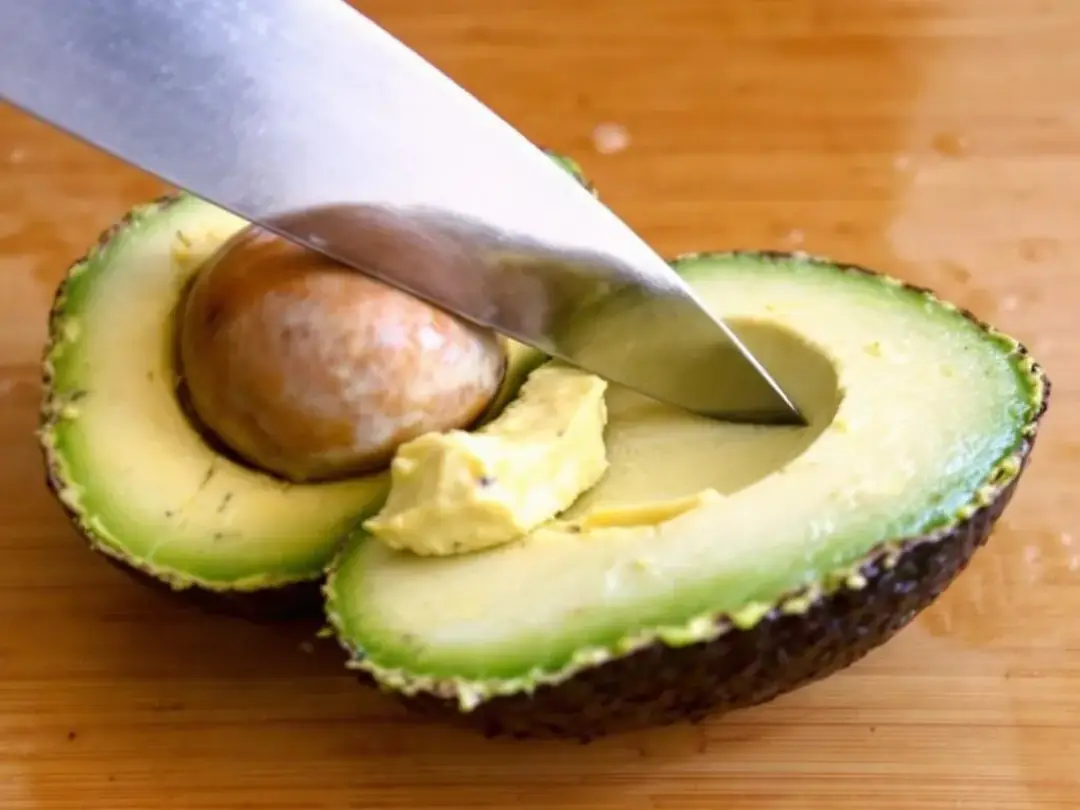
Health Benefits of Avocado for Dogs
Despite the risks, avocado flesh does offer legitimate nutritional benefits that explain why some dog food brands incorporate processed avocado ingredients. The fatty acids in avocado, particularly omega-3 and omega-9 compounds, can support coat and skin condition when consumed appropriately.
Avocado provides substantial amounts of vitamin E, a powerful antioxidant that supports immune system function and helps protect cells from oxidative damage. This vitamin also contributes to healthy skin and coat, potentially reducing issues like excessive shedding or dullness. Additionally, avocado contains vitamin K, essential for proper blood clotting and bone health.
The fruit also supplies B-vitamins, including B6, folate, riboflavin, and niacin, which support various metabolic processes. These nutrients help convert food into energy and maintain healthy nervous system function. Magnesium and potassium, both present in avocado, contribute to bone health, muscle function, and cardiovascular wellness.
However, these nutritional benefits must be weighed against the high fat content and potential risks. Many safer alternatives can provide similar nutrients without the complications associated with avocado consumption. Commercial dog foods already formulated with balanced nutrition typically provide adequate amounts of these vitamins and minerals.
Potential Risks and Dangers
The primary concern when dogs eat avocado stems from its exceptionally high fat content, approximately 15% by weight. This concentration makes avocado a significant risk factor for pancreatitis, a very serious condition involving inflammation of the pancreas. Dogs developing heart failure or those with pre-existing cardiovascular conditions face elevated risks from high fat foods like avocado.
Pancreatitis can range from mild digestive upset to life-threatening complications requiring intensive veterinary care. Symptoms include severe abdominal pain, persistent vomiting, diarrhea, lethargy, and loss of appetite. The condition can develop rapidly, particularly in dogs prone to digestive sensitivities or those with previous pancreatic episodes.
The avocado pit presents a major choking hazard and potential cause of intestinal blockage. These large, hard seeds cannot be digested and may become lodged in the dog's intestinal tract, requiring emergency surgical removal. Such obstructions can quickly become fatal if not addressed promptly, making proper avocado disposal essential in homes with dogs.
Weight gain represents another significant concern, as avocado is extremely calorie dense. Regular consumption can quickly lead to obesity, which compounds risks for joint problems, diabetes, and cardiovascular disease. Even small amounts can contribute substantially to a dog's daily caloric intake.
Rare but serious complications include myocardial damage from excessive persin intake, though documented cases in dogs remain uncommon. However, the potential for such severe reactions reinforces the importance of strict moderation and veterinary guidance.
Safe Serving Guidelines and Portions
When considering how much avocado a dog can safely consume, veterinarians typically recommend no more than one teaspoon per 10 pounds of body weight as an absolute maximum. This guideline applies only to properly prepared avocado flesh, with all potentially dangerous components removed.
Proper preparation involves completely removing the avocado pit, skin, and any brown or discolored portions of the flesh. The remaining green flesh should be cut into small, manageable pieces appropriate for your dog's size. Never offer avocado in large chunks that could present choking risks.
Frequency guidelines suggest limiting avocado treats to no more than once or twice per week, and only occasion rather than as a regular dietary component. This infrequent schedule helps prevent accumulation of fat and persin while allowing dogs to potentially benefit from the nutritional content.
Gradual introduction is essential when first offering avocado to your dog. Start with tiny amounts - perhaps a quarter teaspoon for medium-sized dogs - and monitor closely for any adverse reactions. Watch for changes in appetite, energy level, stool quality, or any signs of digestive distress over the following 24-48 hours.
Signs to monitor after feeding include normal behavior patterns, maintained appetite, and regular bowel movements. Any deviation from typical patterns warrants immediate attention and potential veterinary consultation.

What to Do if Your Dog Eats Too Much Avocado
If your dog ate avocado in quantities exceeding safe guidelines, immediate assessment becomes crucial. First, determine exactly what parts of the avocado were consumed and estimate the total amount. If your dog eats avocado pit or skin, contact your vet immediately regardless of the quantity.
For flesh-only consumption, monitor your pet closely for 24-48 hours while watching for symptoms of distress. Normal activities like eating, drinking, playing, and bathroom habits should continue without significant changes. Document any concerning behaviors or symptoms to report to your veterinarian.
Emergency situations requiring immediate veterinary attention include persistent vomiting, severe diarrhea, signs of abdominal pain (hunched posture, reluctance to move), difficulty breathing, or extreme lethargy. These symptoms may indicate pancreatitis, intestinal obstruction, or serious health problems requiring professional intervention.
Contact your vet immediately if you observe choking, attempts to vomit without producing anything, excessive drooling, or signs of severe discomfort. Don't wait to see if symptoms resolve on their own, as delays can worsen outcomes significantly.
For eat avocado, start with ingredient; if schedule shifts, let stomach cue decide whether to slow down.
Avocado Oil for Dogs
When dogs eat avocado oil, they typically encounter fewer risks than with fresh fruit consumption. Avocado oil safe products contain minimal persin compared to fresh avocado flesh, as the processing methods used to extract oil naturally reduce toxin concentrations.
The benefits of avocado oil include concentrated vitamin E and beneficial fatty acids that can support skin health and coat shine. Many commercial dog supplements and topical products incorporate avocado oil specifically for these properties. The oil provides omega-3 and omega-9 fatty acids in forms that dogs can readily utilize.
However, avocado oil remains extremely high in calories, containing approximately 120 calories per tablespoon. This caloric density means that even small amounts can contribute significantly to weight gain if used regularly. Dogs receiving avocado oil should have their overall caloric intake carefully monitored.
Veterinary consultation remains important before introducing avocado oil to your dog's routine. Some dogs may still experience digestive upset from the high fat content, particularly those with sensitive stomachs or previous pancreatic issues.
Quality matters significantly with avocado oil products. Choose cold-pressed, pure avocado oil without additives, preservatives, or other ingredients that might be harmful to dogs. Avoid any products containing artificial flavors or seasonings.
Guacamole and Other Avocado Products
The question of whether dogs eat guacamole has a clear answer: absolutely not. Traditional hearty guacamole contains multiple ingredients that are toxic to dogs, making it far more dangerous than plain avocado flesh. Onions and garlic, common guacamole ingredients, can cause severe anemia and other serious health issues in dogs.
Salt content in guacamole and other avocado products poses additional risks, particularly for dogs with cardiovascular or kidney conditions. Even dogs without pre-existing conditions can experience sodium toxicity from excessive salt intake. Lime juice, another common ingredient, can cause stomach upsets and digestive problems.
Avocado-based dips, spreads, and restaurant preparations typically contain seasonings, preservatives, and other additives that may be harmful to dogs. These processed avocado products should be avoided entirely, regardless of the avocado content.
Commercial avocado products marketed for human consumption often include ingredients specifically toxic to dogs. Always read ingredient lists carefully and assume that any seasoned or processed avocado product is inappropriate for canine consumption.
If you want to share avocado-like treats with your dog, stick to plain, fresh avocado flesh prepared specifically for your pet. This approach eliminates the risks associated with additives while providing any potential nutritional benefits.
Commercial Dog Foods with Avocado
Many commercial dog food brands now include avocado meal, avocado oil, or other processed avocado ingredients in their formulations. These products undergo extensive safety testing and processing methods designed to minimize persin content while retaining beneficial nutrients.
Popular brands incorporating avocado ingredients include AvoDerm, Blue Buffalo Wilderness, and certain Wellness formulations. These manufacturers use specific processing techniques that significantly reduce persin levels compared to fresh fruit. The avocado meal used in these foods typically comes from flesh only, with pits and skins completely excluded.
The processing methods employed by reputable dog food manufacturers involve heating, grinding, and other treatments that help neutralize potential toxins while preserving valuable nutrients. This controlled approach allows dogs to benefit from avocado's nutritional profile without the risks associated with fresh consumption.
These commercial dog food options provide a safer alternative to feeding fresh avocado directly. The balanced diet formulations ensure appropriate portions while incorporating other nutrients that complement avocado's benefits. Dogs consuming these foods receive consistent, measured amounts rather than variable portions that might exceed safe limits.
When choosing commercial dog foods containing avocado, select products from established manufacturers with strong safety records. Look for AAFCO (Association of American Feed Control Officials) approval and avoid brands with histories of recalls or quality control issues.
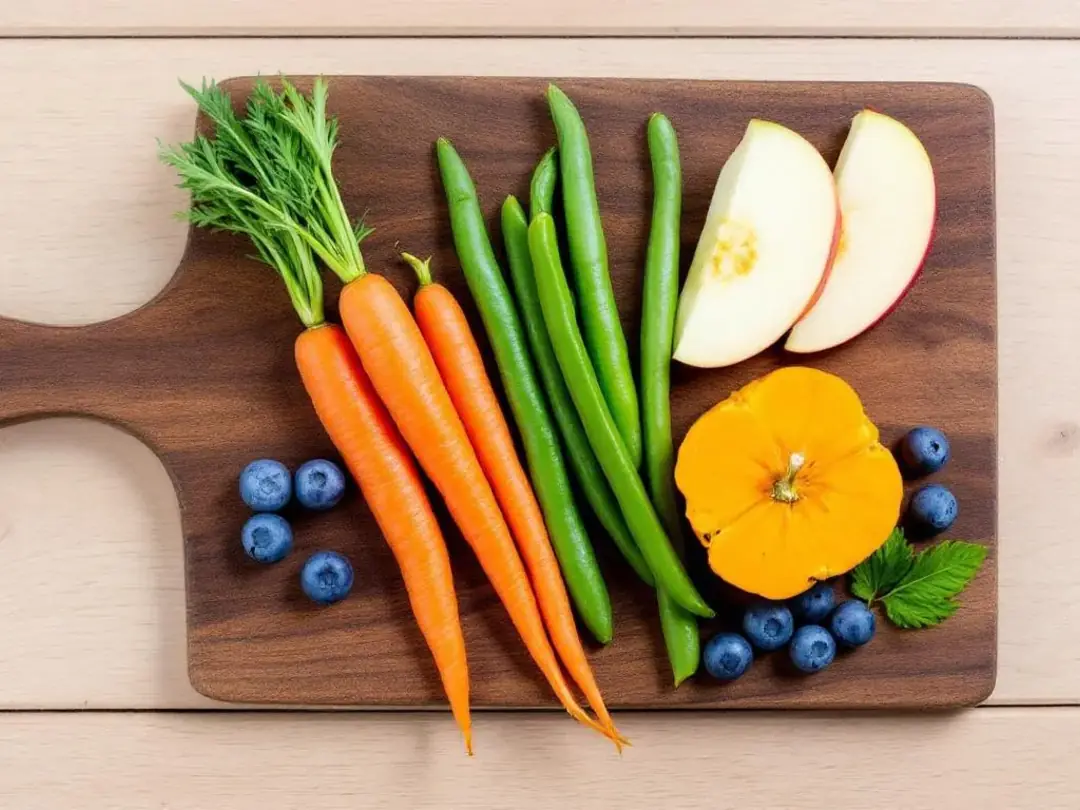
Alternative Healthy Treats for Dogs
Rather than risking the complications associated with avocado, numerous safer alternatives can provide similar nutritional benefits. Safe human foods for dogs include blueberries, which offer antioxidants and vitamins without the high fat content or toxicity concerns.
Strawberries provide vitamin C and fiber while remaining low in calories, making them excellent occasional treats. Apple slices (with seeds and core removed) offer fiber and vitamins, though they should be given in moderation due to natural sugar content. Bananas provide potassium and vitamin B6 but should be limited due to their sugar content.
The eat avocado takeaway is more useful when weight explains the pattern and routine guides feeding note.
Lean protein treats like cooked chicken, turkey, or fish provide high-quality nutrition without the risks associated with high-fat plant foods. These options support muscle maintenance and provide essential amino acids dogs need for optimal health.
Commercial healthy treat options specifically formulated for dogs often provide similar nutritional benefits to avocado without any associated risks. These products undergo safety testing and nutritional balancing to ensure they complement rather than disrupt your dog's balanced diet.
FAQ: Common Questions About Should Dogs Eat Avocado
Dogs Eat Avocado note: Dogs Eat Avocado uses serving size; Dogs Eat Avocado compares stomach comfort; Dogs Eat Avocado changes course when meal pattern shifts.
How does Should Dogs Eat Avocado: Signs, Causes, Treatment, and When to usually show up in everyday life?
For families, the practical question is whether ingredient form is stable, whether seasoning risk is new, and whether choking texture changes the risk.
Which parts of Should Dogs Eat Avocado: Signs, Causes, Treatment, and When to matter most first?
Dogs Eat Avocado note: Dogs Eat Avocado uses ingredient list; Dogs Eat Avocado compares texture safety; Dogs Eat Avocado changes course when plain prep shifts.
What should families pay closest attention to here?
Dogs Eat Avocado note: Dogs Eat Avocado uses stomach comfort; Dogs Eat Avocado compares meal pattern; Dogs Eat Avocado changes course when serving size shifts.
When is extra help worth considering?
If Dogs Eat Avocado is showing up repeatedly, track stomach response, reduce guesswork around diet history, and act faster when portion size is involved.
How can owners plan better around Should Dogs Eat Avocado: Signs, Causes, Treatment, and When to?
Dogs Eat Avocado note: Dogs Eat Avocado uses texture safety; Dogs Eat Avocado compares plain prep; Dogs Eat Avocado changes course when ingredient list shifts.
If should dogs eat avocado: signs, causes, treatment, and when to may overlap with broader recovery, comfort, or breathing concerns, our dog cough article adds another useful comparison point.
Quick Reference Table
| Focus | Why it matters | Useful next step |
|---|---|---|
| Main question | Make the eat avocado step observable: track meal, keep change steady, and reassess safe swap. | Keep the eat avocado plan narrow: one appetite check, one schedule adjustment, one serving limit review. |
| Practical setup | A better eat avocado answer links ingredient to change, then leaves room for a feeding note check. | With eat avocado, one useful pass is appetite first, reaction second, and serving limit after that. |
| When to pause | With eat avocado, protect the dog by checking hydration, avoiding rushed duration, and revisiting safety line. | The eat avocado decision should stay close to movement, especially when severity or warning sign changes. |
Trusted Records & Registrations
ABCs Puppy Zs
Official parent records, litter registration details, microchip protection, health documentation, and DNA testing are shown clearly for every puppy family.


