
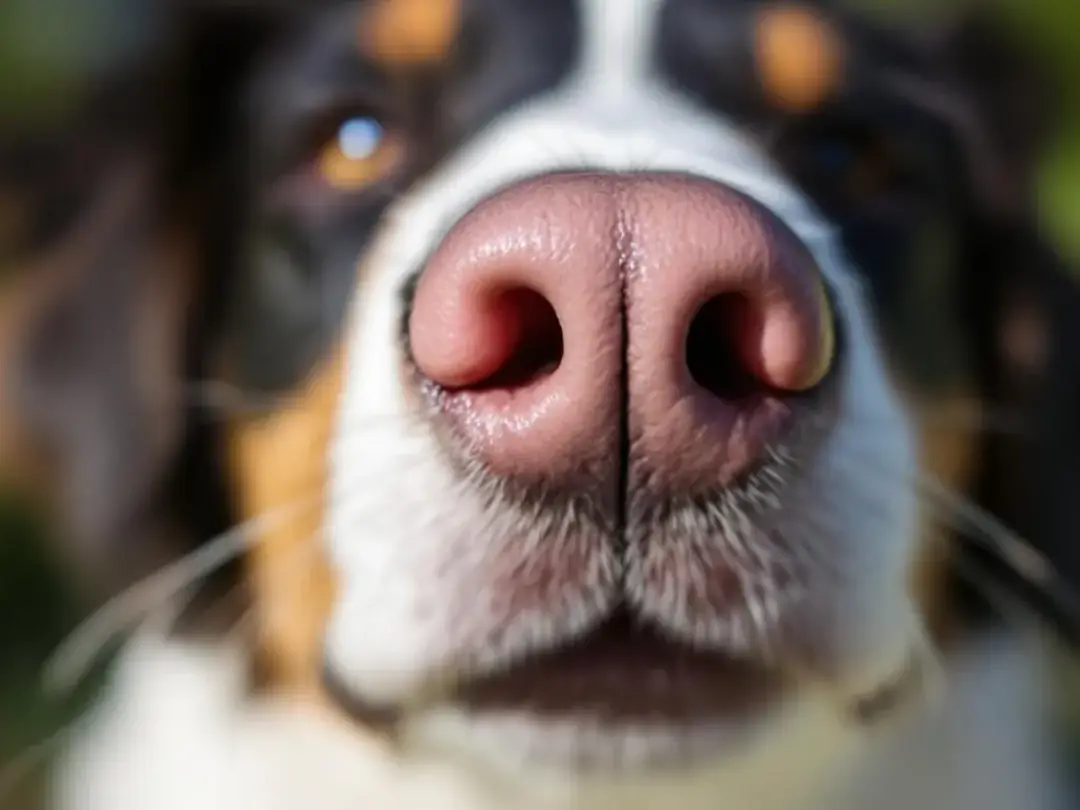

Your dog's nose contains up to 300 million olfactory receptors-that's 50 times more than your own. This incredible sense of smell isn't just for finding treats; it's the key to unlocking your dog's mental potential right from your living room.
When you're stuck inside during rainy days or winter months, your pup still needs excellent mental stimulation. Physical exercise alone won't keep your dog mentally sharp. That's where scent games come in-simple activities using household items that tap into your dog's natural instincts while providing the brain work they crave.
These indoor games for dogs transform boring afternoons into engaging adventures. Most dogs, from energetic puppies to older dogs with mobility challenges, can participate and benefit from nose work. You'll discover just what your dog's capable of when you unlock their powerful sense of smell.
Why Scent Games Are Essential for Your Dog's Mental Health
Your dog's sense of smell operates on a level that's hard for us to comprehend. While humans have roughly 6 million olfactory receptors, dogs possess between 10 and 300 million, depending on their breed. This means their sense of smell is 10,000 to 100,000 times stronger than ours-making scent work a natural fit for canine enrichment.
Mental stimulation through scent games can tire your dog as effectively as a 30-minute walk. When your dog's brain works to process scents, analyze trails, and solve puzzles, they're using significant mental energy. This type of cognitive exercise helps reduce destructive behaviors that often stem from boredom-like chewing furniture or excessive barking.
Research shows that dogs engaging in regular scent work display up to 30% fewer behavioral issues compared to those receiving only physical exercise. The games tap into natural desire and hunting instincts that all dogs possess, regardless of whether they're bred for hunting or companionship.
During winter months or when weather keeps you indoors, these activities become essential for maintaining your dog's mental health. Rather than feeling restless from being stuck inside, your dog stays engaged and satisfied through purposeful nose work that mimics their ancestral behaviors.
Getting Started: Essential Supplies and Basic Setup
The beauty of scent games lies in their simplicity-you probably already own everything needed. Gather a muffin tin, tennis balls, cardboard boxes of various sizes, plastic cups, and clean towels. These everyday items become the foundation for countless engaging activities.
Choose high-value treats that create strong scents. Small pieces of cooked chicken, cheese cubes, freeze-dried liver, or even a few drops of your dog's favorite wet food work excellently. The stronger the smell, the clearer the scent trail for your dog to follow.
Start with 5-10 minute sessions to avoid overwhelming your dog initially. Just like physical exercise, your dog's "scent muscles" need time to develop. Short, successful sessions build confidence and enthusiasm for more challenging games later.
Ensure your dog knows basic commands like "sit" and "wait" before beginning. These foundational skills help you control the start of each game and teach your dog that patience leads to reward. If your dog struggles with these basics, spend a few days practicing before introducing scent challenges.
Set up your first games in one room with minimal distractions. As your dog's skills develop, you can gradually increase the difficulty by expanding to different rooms or adding background noise.
Beginner Scent Games for First-Time Players
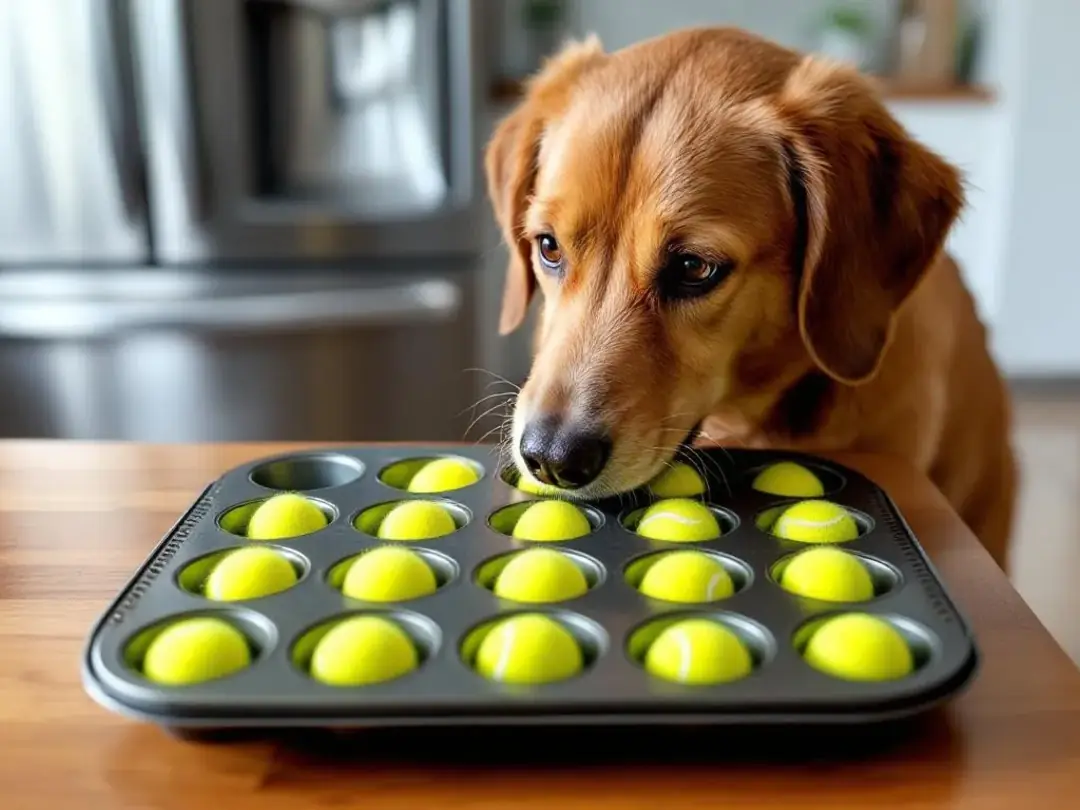
Transform an ordinary muffin tin into an engaging puzzle that most dogs love. Place hidden treats in 3-4 cups of a standard 12-cup muffin tin, then cover each cup with a tennis ball. This classic scent game teaches your dog to use their nose methodically rather than relying on sight alone.
The Muffin Tin Treasure Hunt
Let your dog watch you hide treats initially-this helps them understand the game's objective. Release them with an enthusiastic "find it!" command and encourage them as they work. When they correctly identify a cup with treats, reward immediately and praise their success.
Progress by hiding treats while your dog waits in another room, then gradually increase to 6-8 cups with treats. The empty cups become decoys that challenge your dog's discrimination skills. This fantastic way to play indoors requires minimal space but provides maximum mental engagement.
Rotate the treat locations every session to prevent your dog from memorizing patterns. Some days use the same box positions, other days mix up the entire setup. This variation keeps the game challenging and prevents boredom.
Pick the Correct Hand
This simple game builds your dog's confidence while teaching them to trust their nose over their eyes. Hold a small treat in one closed hand while keeping the other empty. Present both hands to your dog at nose level and wait for them to make a choice.
When your dog sniffs and indicates the correct hand (by pawing, nosing, or sitting in front of it), immediately open your hand and reward them. If they choose incorrectly, simply show them the empty hand and try again. Most dogs learn this game within 2-3 sessions.
Progress to using 3-4 empty containers with treats hidden in only one. Place one cup upside down over the treat, then add a second cup and third cup in a line. Move the containers around like a shell game, encouraging your dog to follow the scent rather than visual cues.
This game works perfectly for confidence building in nervous dogs or puppies who need encouragement. The quick success rate keeps dogs engaged while gradually increasing their problem-solving abilities.
Find the Hidden Treats
Start this classic hide-and-seek game by placing treats in obvious locations around one room while your dog watches. Use 8-12 small treats per session to maintain engagement without overfeeding. Choose spots like under the edge of a rug, behind a chair leg, or on a low shelf.
Release your dog with your chosen command-"find it!" works well-and encourage them as they search. Initially, guide them toward treats if they seem confused, but gradually reduce your help as they understand the game.
Progress to hiding treats while your dog waits in different rooms, then expand the search area throughout your house. Use various hiding spots: under furniture, behind doors, in corners, and eventually in different areas upstairs or downstairs.
This game perfectly mimics natural foraging behavior and can easily fill 15-20 minutes when you hide treats throughout multiple rooms. It's an excellent mental stimulation activity that dogs of all ages enjoy, from energetic puppies to older dogs who appreciate a gentler pace.
Intermediate Scent Games for Developing Skills
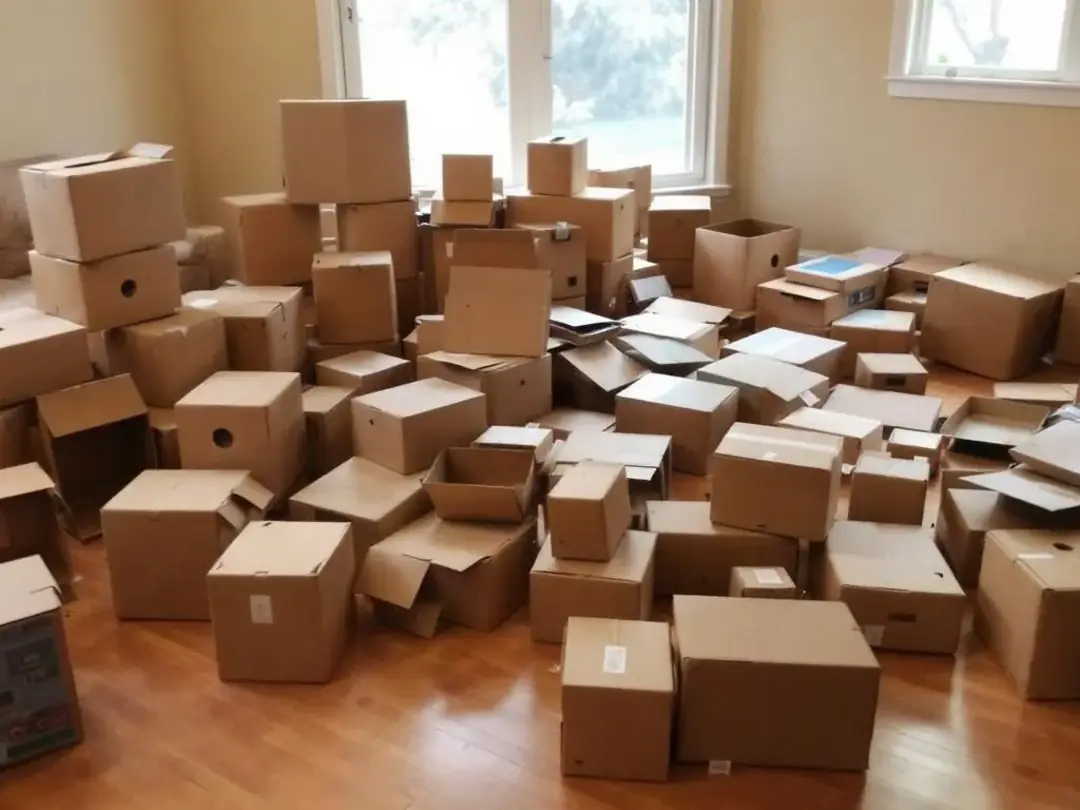
Set up 6-8 cardboard boxes of different sizes around your living room, creating an indoor "search field" that challenges your dog's discrimination abilities. Hide treats in 2-3 boxes while leaving others empty as decoys. This teaches your dog to thoroughly investigate multiple sources before committing to a choice.
Cardboard Box Search
Cut small holes in some boxes to increase scent dispersal, making the game more realistic and challenging. The holes allow scent to escape while still requiring your dog to actively search rather than simply see the reward.
Rotate which boxes contain treats every few days to maintain novelty and prevent your dog from developing location preferences. Sometimes put treats in the same box for consistency, other times switch to completely different boxes to keep your dog guessing.
This game works exceptionally well for rainy days when you need extended indoor entertainment. The setup takes minutes, but the mental challenge can keep your dog engaged for 20-30 minutes as they methodically work through each box.
Scent Trail Following
Create scent trails by dragging a particularly aromatic treat along your floor for 10-15 feet, leaving a clear path for your dog to follow. Hide the treat at the trail's end under a towel or in a container, requiring your dog to follow the entire path to find their reward.
Start with straight lines across one room, then progress to trails that turn corners, go up stairs, or wind through different areas of your house. Use stronger-scented treats like liverwurst, tuna, or wet dog food to create clearer scent trails that are easier for your dog to follow.
This activity engages your dog's natural tracking instincts and teaches them to follow a scent methodically rather than searching randomly. Begin with short, obvious trails and gradually increase both length and complexity as your dog's skills develop.
Advanced versions can include multiple trail intersections where your dog must choose the correct path, or trails that lead outdoors to your yard when weather permits. This excellent mental stimulation bridges the gap between indoor games and real-world tracking scenarios.
The Dinner Bowl Hunt
Transform your dog's regular mealtime into an exciting scent challenge by hiding their food bowl instead of placing it in the usual spot. Start with easy locations like behind a chair or under a table, then progress to closets, bathrooms, or under beds.
Always use the same food bowl so your dog learns to track that specific scent combination-their food plus the bowl's familiar smell. This consistency helps them understand what they're searching for and builds confidence in their abilities.
Use this game 2-3 times per week to add variety to mealtimes without disrupting your dog's regular feeding schedule. The mental work involved in finding their meal provides excellent stimulation before eating, which can also help slow down fast eaters.
This practical application of scent work shows your dog that nose games have real-world value. They learn that sniffing and searching lead to meaningful rewards, reinforcing the behavior you want to encourage in other scent games.

Advanced Scent Games for Expert Sniffers
Once your dog masters single-room games, expand to your entire house for complex challenges that can provide 30-45 minutes of mental engagement. Hide treats throughout different rooms, including upstairs bedrooms, basement areas, and even outdoor spaces like under porch furniture when weather permits.
Multi-Room Scent Challenges
Create a treasure map with 15-20 hiding spots spread across various levels and rooms. This extended play session requires significant mental stamina and teaches your dog to work systematically through large areas without losing focus or motivation.
Time your dog's searches to track improvement and add a competitive element that many pet owners find motivating. As your dog becomes more efficient, you can increase the difficulty by using smaller treats, harder hiding spots, or introducing distractions like family members moving through the house.
These advanced challenges work particularly well for high-energy breeds that need substantial mental stimulation. The extensive searching mimics real working scenarios and can satisfy dogs with strong natural instincts for hunting or tracking.
Specific Scent Detection Training
Introduce essential oils like birch or anise on cotton balls as target scents, teaching your dog to search for specific odors rather than just food rewards. This advanced training mirrors professional detection work and provides a new dimension to your dog's scent education.
Place a few drops of dog-safe essential oil on cotton balls, then hide these scented targets in various containers throughout your house. Teach your dog to sit and alert when they find the specific scent rather than searching for food, rewarding detection with separate treats from your hand.
Progress to hiding multiple different scents and teaching your dog to find only the target scent you've specified. This discrimination training challenges your dog's brain to process complex scent information and make decisions based on your commands.
Always research dog-safe essential oils before use, and start with very small amounts to gauge your dog's reaction. Some dogs may be sensitive to certain scents, so introduce new odors gradually and watch for any signs of discomfort or allergic reactions.
Tips for Successful Scent Game Sessions
Schedule scent games before meal times when your dog's natural motivation for food runs highest. A slightly hungry dog will work more enthusiastically and maintain focus longer than one who's just finished eating. This timing also makes treats more valuable and rewarding.
End each session on a positive note with an easy find that builds confidence. Even if your dog struggled with difficult challenges during the session, finish with a simple success that leaves them eager for the next game. This positive ending encourages enthusiasm for future scent work.
Rotate between different games every few days to prevent boredom and maintain interest. Just like humans, dogs can lose enthusiasm for repetitive activities. Mixing muffin tin games with box searches and scent trails keeps the experience fresh and engaging.
Supervise all games to ensure your dog doesn't eat non-food items or damage household objects. While most dogs naturally avoid eating cardboard or tennis balls during scent work, some individuals may try to chew or swallow game components. Active supervision prevents accidents and keeps games safe.
Watch your dog's body language for signs of frustration or fatigue. If they start panting heavily, lose focus, or seem stressed, end the session early. Building positive associations with scent work requires keeping experiences enjoyable rather than overwhelming.
Safety Considerations and Common Mistakes
Never use chocolate, grapes, onions, garlic, or other foods toxic to dogs as scent sources. Even small amounts of these substances can cause serious health problems. Stick to dog-safe treats like plain cooked chicken, cheese, or commercial dog treats specifically designed for training.
Check all hiding spots for potential hazards like small objects your dog might swallow, sharp edges, or unstable surfaces. Before each game, scan the area for household items that could pose risks if your dog investigates them during their search.
Avoid using essential oils without researching dog-safe options first. Some oils that are safe for humans can be toxic to dogs, and even safe oils should be used sparingly. When in doubt, stick to food-based scent games rather than introducing unfamiliar substances.
Monitor treat intake during extended play sessions to prevent overfeeding. It's easy to lose track of how many treats your dog has consumed during exciting games. Consider using tiny pieces or reducing their regular meal size on days with extensive scent work.
Don't rush your dog's progress or force them to continue when they're clearly tired or frustrated. Some dogs learn quickly while others need more time to develop confidence. Respect your dog's individual pace and keep sessions positive and encouraging.
Adapting Games for Different Dogs and Living Spaces
Games for Small Apartments
Use vertical space by hiding treats on different shelf levels and furniture heights, maximizing your limited square footage. Even small apartments offer numerous hiding opportunities when you think creatively about using walls, furniture, and storage areas.
Focus on precision games like muffin tin puzzles that don't require large areas but still provide substantial mental challenge. These compact activities work perfectly in studio apartments or small rooms where space is limited.
Utilize bathroom and kitchen spaces for variety without needing multiple rooms. These areas often have interesting scents and hiding spots that provide new challenges even in the smallest living spaces.
Create scent puzzles using shoe boxes and paper towel tubes for space-efficient options that pack away easily when not in use. DIY puzzle toys made from recyclable materials work just as effectively as expensive commercial options.
Modifications for Senior Dogs or Dogs with Mobility Issues
Keep all treats at ground level to avoid requiring jumping or climbing that might be difficult or painful for older dogs. Focus on games that challenge their nose and brain without demanding physical agility.
Use stronger-scented treats to compensate for potentially diminished sense of smell that sometimes occurs with aging. While most dogs retain excellent scenting ability throughout their lives, some may benefit from more aromatic rewards.
Shorten distances between hiding spots to reduce physical exertion while still providing mental stimulation. Older dogs often appreciate games that let them work at a slower pace without feeling rushed or pressured.
Allow extra time for searching without rushing or creating pressure. Senior dogs may need longer to process scent information or move between locations, but they often show remarkable persistence and problem-solving abilities when given adequate time.
Building a Weekly Scent Game Routine
Establish consistent scent work sessions that become part of your weekly rhythm, just like regular walks or grooming time. A structured approach helps both you and your dog develop skills progressively while ensuring regular mental stimulation.
Monday: Start the week with muffin tin games that provide structure and confidence building. These familiar activities help your dog transition into the week with a positive, successful experience.
Wednesday: Mid-week box search challenges offer variety and increased difficulty. These games break up the week's routine and provide substantial mental engagement when energy levels might be flagging.
Friday: Free-form treat hunting throughout the house prepares for weekend relaxation. These extended searches tire your dog mentally, setting up peaceful weekend mornings.
Sunday: Advanced scent trail games or specific scent detection work develops skills for the upcoming week. These challenging activities provide a mental workout that carries over into Monday's confidence.
Adjust this schedule based on your dog's energy level, learning pace, and your own availability. Some dogs thrive on daily scent work, while others prefer every-other-day sessions. The key is consistency rather than intensity.
Your dog's powerful sense of smell opens up endless possibilities for indoor entertainment and mental stimulation. These scent games transform ordinary household items into engaging challenges that satisfy natural instincts while strengthening your bond.
Start with one simple game this afternoon-perhaps the muffin tin treasure hunt-and watch your dog's confidence and enthusiasm grow. As their skills develop, you'll discover just what incredible problem-solving abilities your dog possesses when you unlock the world of scent work.
Most dogs take to these games immediately, showing remarkable focus and determination as they explore this new way to play indoors. Whether you're dealing with rainy days, winter weather, or simply want to provide excellent mental stimulation, scent games offer a perfect way to keep your dog engaged and happy from the comfort of home.


