Goldendoodle Blog Banner

Ringworm in Dogs

Bricks Coggin

Bricks Coggin · Director of Services

Published

Key Takeaways

  • Ringworm is a highly contagious fungal infection that affects dogs' skin, hair, and nails, not caused by actual worms

  • Early symptoms include circular hair loss patches, brittle hair, red crusty edges, and scaly skin, commonly appearing on face, ears, and paws

  • Treatment requires combination of topical antifungals, oral medications, strict quarantine protocols, and thorough environmental decontamination

  • Dogs remain contagious for approximately 3 weeks with aggressive treatment, requiring isolation from other pets and family members

  • Ringworm can transmit to humans, especially young children and immunocompromised individuals, making proper handling essential

What is Ringworm in Dogs?

Ringworm is a fungal infection, medically known as dermatophytosis, that affects a dog's skin, dog's hair, and occasionally the nails of dogs. The name "ringworm" originates from the characteristic ring-shaped lesions often seen in human infections, though these circular patterns don't always appear in dogs.


The infection is caused by dermatophyte fungi that feed on keratin, a protein found in hair shafts, skin cells, and nails. Three main species cause ringworm infections in dogs:


  • Microsporum canis - responsible for approximately 70% of cases

  • Microsporum gypseum - accounts for about 20% of infections

  • Trichophyton mentagrophytes - causes the remaining 10%


These fungal organisms are keratinophilic, meaning they specifically target and consume keratin-rich tissues. When fungal spores land on a dog's skin, they can penetrate through minor abrasions or damaged skin, establishing an infection in hair follicles and surrounding tissue.


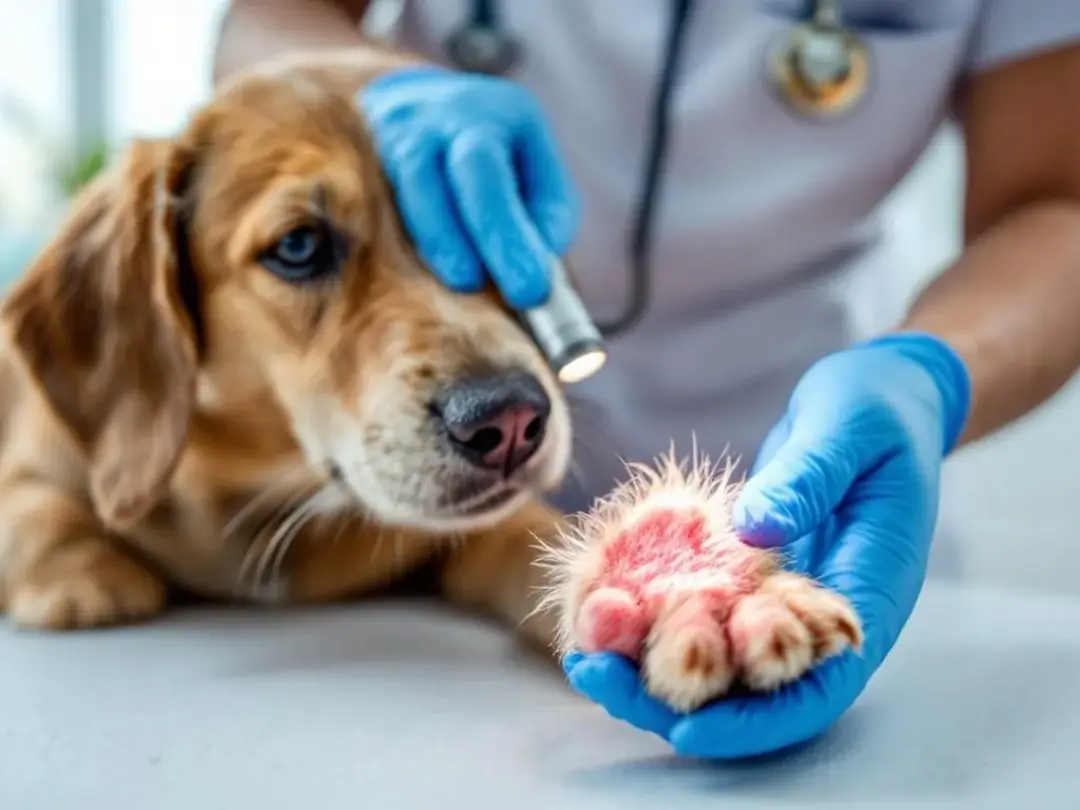
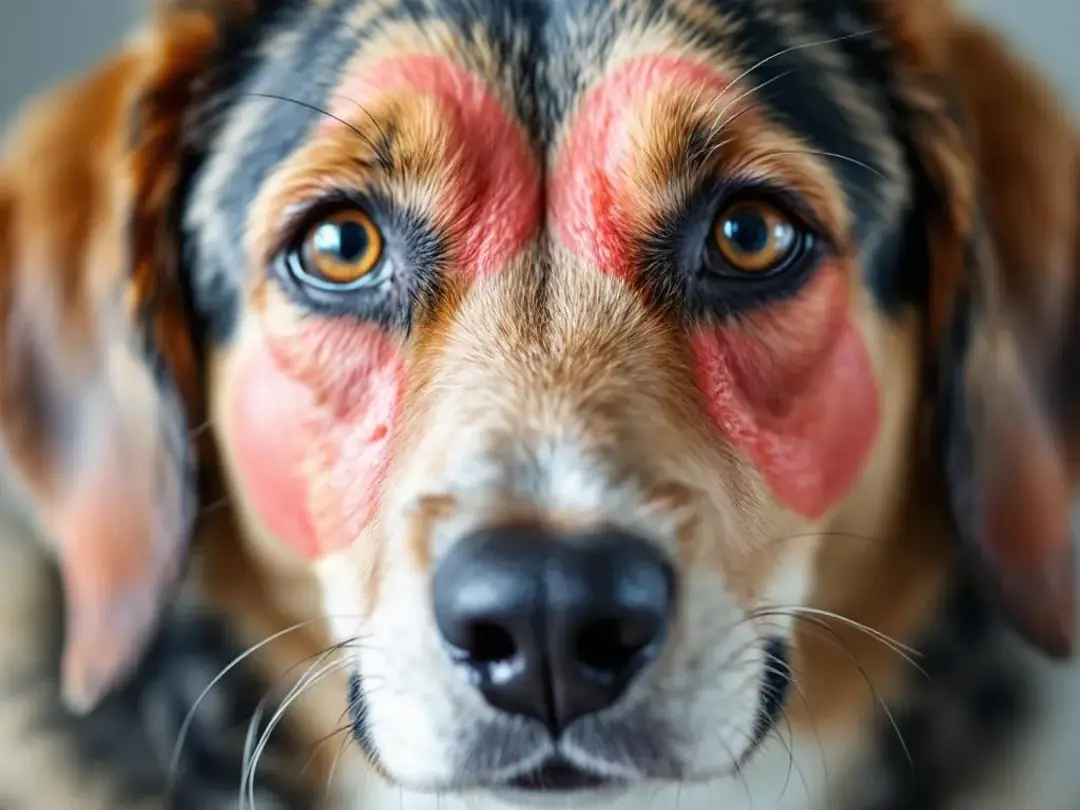
A ringworm lesion in dogs typically appears as a circular or irregular patch of hair loss with redness, scaling, or crusting on the dog's skin. These lesions are important visual indicators of the condition and may help guide diagnosis.


Ringworm is considered a highly contagious skin disease that can spread rapidly between animals and from animals to humans. This zoonotic potential makes proper identification and treatment critical not just for your dog's health, but for your entire household's well-being.


The infection occurs when environmental conditions favor fungal growth, including warm, humid environments and compromised skin barriers. Unlike bacterial infections that often require significant tissue damage to establish, ringworm fungus can infect relatively healthy skin, particularly in young animals or those with a compromised immune system. A strong dog's immune system can help resist or limit the severity of ringworm infection.

A veterinarian wearing disposable gloves is examining a dog's paw that shows signs of a ringworm infection...

Symptoms and Clinical Signs of Ringworm in Dogs


Recognizing ringworm lesions early is crucial for preventing spread and initiating prompt treatment. Watch for the following symptoms of ringworm in dogs: The clinical signs can vary significantly between individual dogs, making professional diagnosis essential.


Primary Symptoms


The most characteristic sign of dog ringworm is circular or irregular patches of hair loss with distinctive features. Fungal spores can remain in the dog's fur even after hair loss occurs, so thorough cleaning and topical treatments are important to prevent environmental contamination and the spread of infection.


  • Bald patches with well-defined borders

  • Red, crusty edges surrounding the affected areas

  • Scaling skin with flaky, dandruff-like appearance

  • Brittle hair that breaks easily at the hair shafts

  • Darkened skin in chronic cases


These symptoms typically appear on infected areas, which are regions of the dog's body where lesions are present. Identifying infected areas is crucial for accurate diagnosis and effective treatment.


Common Affected Areas


Ringworm infections typically begin in areas where the dog's skin experiences frequent contact or minor trauma:


  • Face and ears (especially ear tips)

  • Paws and nail beds

  • Tail and legs

  • Underbelly and chest

  • Areas with very long coats that trap moisture


Hair and Skin Changes


The ringworm fungus specifically targets hair follicles, causing characteristic changes:


  • Hair becomes brittle and breaks off near the skin surface

  • Loose hair can be easily plucked from affected areas

  • Excessive dandruff appears around ringworm lesions

  • Some dogs develop itchy skin, though many show minimal scratching

  • In severe cases, secondary bacterial infections may develop


Nail Involvement


Though less common, ringworm can affect nail beds, causing:


  • Rough, brittle, or misshapen claws

  • Swelling around the nail base

  • Discharge from infected nail beds

  • Pain when walking on hard surfaces


Asymptomatic Carriers


Some dogs, particularly those with strong immune systems, may carry and shed ringworm spores without showing obvious clinical signs. These infected animals remain contagious to other pets and humans despite appearing healthy, making routine screening important in multi-pet households.

How Dogs Contract Ringworm

Understanding how ringworm occurs helps pet owners implement effective prevention strategies. The infection spreads through multiple pathways, all involving contact with fungal spores.


Direct Contact Transmission


Dogs most commonly contract ringworm through direct contact with an infected animal. This includes:


  • Playing with infected pets at dog parks or daycare

  • Contact with stray or feral animals

  • Interaction with newly adopted shelter animals

  • Grooming or sleeping near infected dogs


Environmental Contamination


Ringworm spores are remarkably resilient, surviving in the environment for up to 18 months under favorable conditions. Dogs can become infected by contact with contaminated objects including:


  • Pet bedding and blankets

  • Grooming brushes and tools

  • Toys and food bowls

  • Carpets and furniture

  • Soil in areas where infected animals have been


Risk Factors


Several factors increase a dog's susceptibility to ringworm infections:


  • Age: Puppies and senior dogs have less robust immune responses

  • Compromised immune system due to illness, stress, or medications

  • Damaged skin from scratches, flea bites, or other skin conditions

  • Dense or very long coats that trap moisture and spores

  • Crowded living conditions such as shelters, kennels, or multi-pet households

  • Poor nutrition that weakens the dog's immune system


Incubation Period


After exposure to ringworm spores, clinical signs typically appear within 1-3 weeks. However, this timeline can vary based on:


  • The dog's age and immune status

  • The amount of fungal spores encountered

  • Environmental factors like humidity and temperature

  • The specific fungal species involved


Not every exposure results in infection. Healthy adult dogs with intact skin may successfully resist fungal invasion, while puppies or immunocompromised animals are more likely to develop active infections.

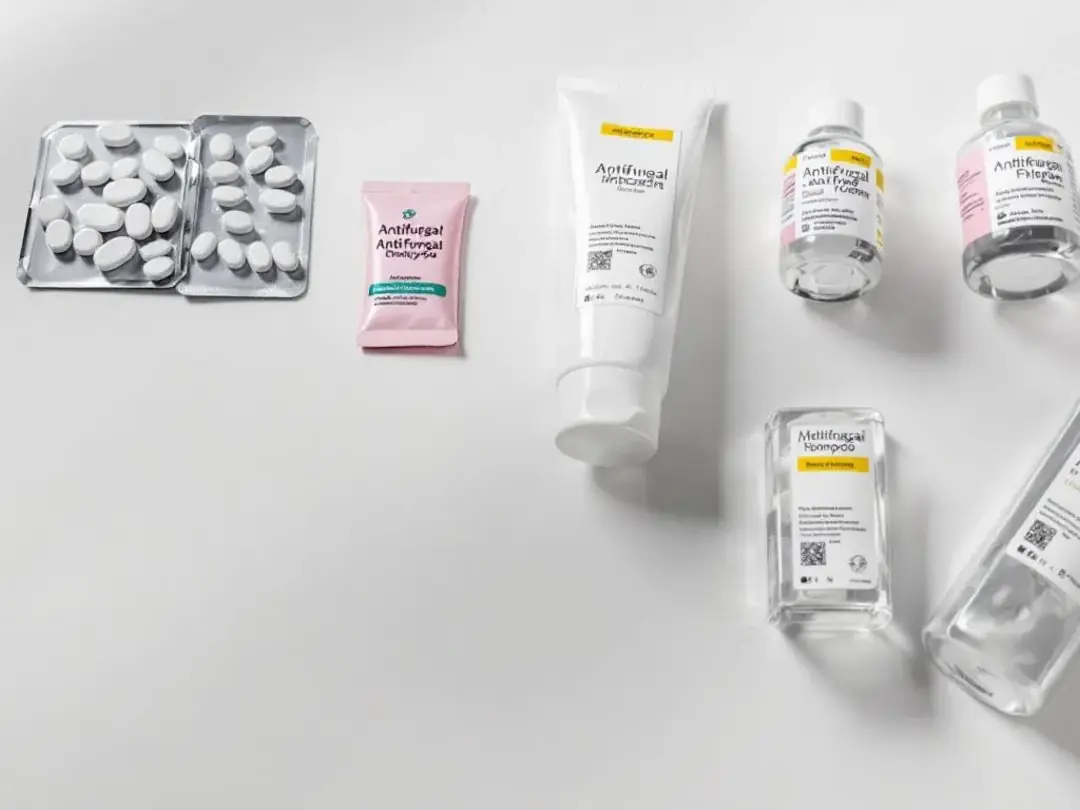
The image displays a variety of antifungal medications, including oral tablets, topical creams, and medicated shampoo...

Diagnosis of Ringworm in Dogs


Accurate diagnosis of ringworm requires professional veterinary evaluation, as many skin conditions can mimic ringworm infections. Veterinarians use multiple diagnostic methods to confirm the presence of ringworm fungus and identify the specific species involved. A hair sample is often collected for diagnostic tests such as fungal culture or PCR, which help detect fungal presence and DNA for accurate diagnosis.


Wood's Lamp Examination


The Wood's lamp test uses ultraviolet light to detect fluorescence in certain ringworm infections:


  • Approximately 72% of Microsporum canis infections produce a characteristic yellow-green glow

  • The test provides immediate results during the veterinary visit

  • Positive fluorescence strongly suggests ringworm, but negative results don't rule it out

  • Other fungal species typically don't fluoresce under UV light

  • False positives can occur from other substances on the hair or skin


This screening tool helps veterinarians identify likely ringworm cases and monitor treatment progress, but additional testing is usually necessary for definitive diagnosis.


Fungal Culture Testing


Fungal culture remains the gold standard for diagnosing ringworm:


  • Hair and skin scrapings are collected from affected areas and a few hairs from the periphery of lesions

  • Samples are placed on specialized dermatophyte test media (DTM)

  • Results typically appear within 3-5 days, though some cases require up to 3 weeks

  • Positive cultures confirm both the presence of ringworm and identify the specific fungal species

  • This method is essential for monitoring treatment success through consecutive negative fungal cultures


The extended timeline for culture results means treatment often begins based on clinical signs and other rapid tests, with culture confirmation following later.


PCR Testing and Microscopic Examination


Advanced diagnostic methods offer additional options:


PCR (Polymerase Chain Reaction) Testing:


  • Detects fungal DNA with results available in 2-5 days

  • Highly sensitive and specific for ringworm diagnosis

  • Cannot distinguish between living and dead fungal organisms

  • Useful for rapid confirmation when treatment decisions are urgent


Microscopic Examination (Trichogram):


  • Direct examination of plucked hairs under microscope

  • Can identify fungal spores and hyphae on hair shafts

  • Provides same-day results

  • Requires considerable expertise to interpret accurately


Importance of Professional Diagnosis


Many skin conditions can resemble ringworm, including:


  • Demodectic mange caused by mites

  • Bacterial skin infections

  • Allergic dermatitis

  • Autoimmune skin diseases

  • Other fungal infections


Only proper veterinary testing can definitively diagnose ringworm and rule out these other conditions that require different treatment approaches.

Treatment Options for Ringworm in Dogs

To effectively treat ringworm, a combination of therapies is required. Successful treatment of ringworm requires a comprehensive approach combining oral medication, topical treatments, environmental decontamination, and strict quarantine protocols. The treatment plan must address not only the infected dog but also the contaminated environment to prevent reinfection.


While some pet owners may consider natural remedies, these can be risky and are often ineffective. It is important to consult a veterinarian for safe and effective treatment options.


Quarantine and Isolation Protocols


Immediate isolation is the first critical step in treating ringworm:


  • Confine the infected dog to an easily cleanable room without carpets or fabric furnishings

  • Use rooms with hard flooring like bathrooms, laundry rooms, or tiled areas

  • Restrict access to other pets and minimize human contact

  • Implement twice-weekly thorough cleaning of the isolation area

  • Wear disposable gloves when handling the infected pet and wash hands thoroughly afterward


Proper quarantine prevents the spread of ringworm spores throughout the home and protects other animals and family members from infection.


Topical Treatments


Topical therapy forms a cornerstone of ringworm treatment by directly targeting fungal organisms on the dog's skin:


Lime Sulfur Dips:


  • Most effective topical treatment for widespread infections

  • Applied as whole-body dips 2-3 times weekly

  • Strong sulfur odor and yellow staining of light-colored coats

  • Requires careful application to avoid skin irritation


Antifungal Shampoos:


  • Medicated shampoos containing miconazole and chlorhexidine

  • Used twice weekly for the duration of treatment

  • More convenient than dips with less odor and staining

  • Effective for removing fungal spores from the dog's fur, which helps reduce environmental contamination


Antifungal Creams:


  • Topical medications including miconazole, terbinafine, and clotrimazole

  • Applied directly to localized ringworm lesions

  • Most effective for small, isolated infections

  • Should be used in combination with systemic therapy for widespread cases


Oral Antifungal Medications


Systemic therapy is essential for treating extensive infections and preventing recurrence:


Common Oral Anti Fungal Drug Options:


  • Griseofulvin: Traditional treatment requiring administration with fatty foods for absorption

  • Itraconazole: Highly effective with fewer side effects than griseofulvin

  • Terbinafine: Newer option with excellent efficacy and good safety profile

  • Fluconazole: Alternative for dogs that don't tolerate other medications


Treatment Duration:


  • Minimum 6 weeks of continuous therapy

  • Many cases require 8-12 weeks for complete resolution

  • Treatment continues until two consecutive negative fungal cultures are obtained

  • Premature discontinuation frequently leads to treatment failure and recurrence


Monitoring for Side Effects:


  • Regular monitoring for gastrointestinal upset, loss of appetite, or liver dysfunction

  • Some oral medications cannot be used in pregnant animals

  • Dosing adjustments may be necessary based on the dog's response and tolerance


Combination Therapy Approach


Veterinary authorities recommend multimodal treatment combining:


  • Oral antifungal medication for systemic treatment

  • Topical therapy to reduce surface contamination

  • Environmental decontamination to eliminate spores

  • Ongoing monitoring through follow-up testing


This comprehensive approach significantly improves treatment success rates and reduces the likelihood of reinfection or treatment failure.

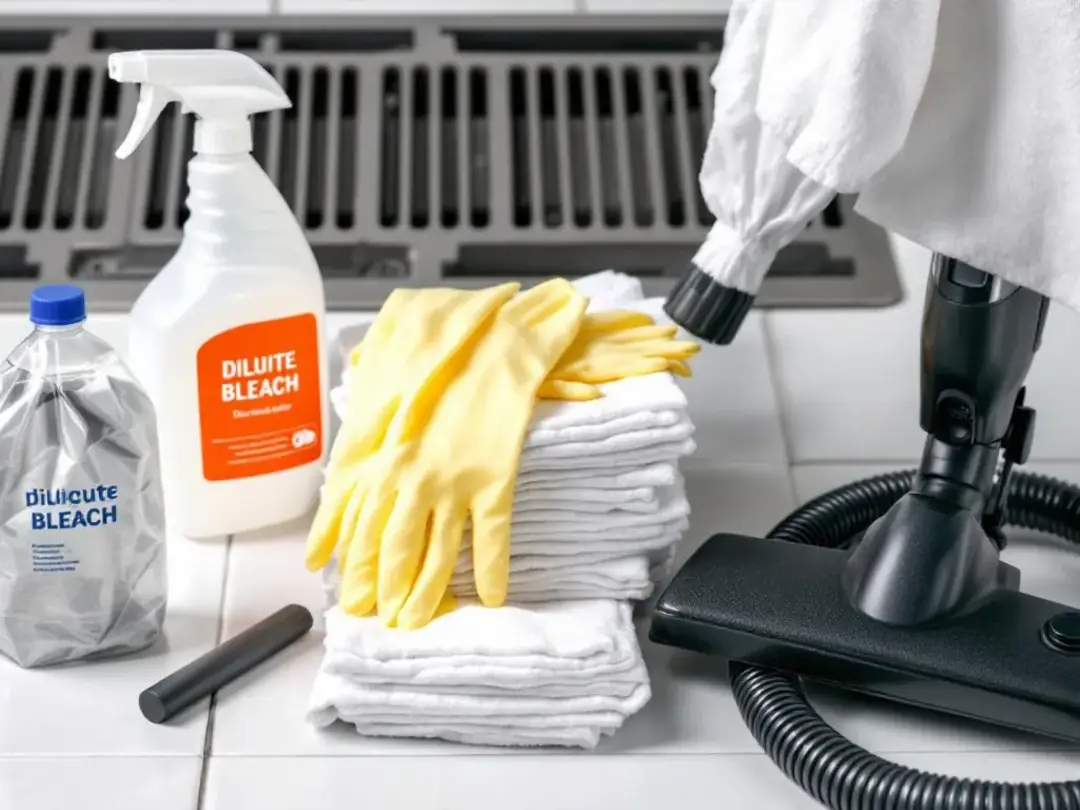
The image displays an assortment of cleaning supplies, including dilute bleach spray bottles, disposable gloves, a...

Environmental Decontamination


Thorough environmental cleaning is absolutely critical for successful ringworm treatment. The persistence of ringworm spores in the environment means that inadequate decontamination often leads to treatment failure and reinfection.


Daily Cleaning Protocols


Effective environmental management requires systematic daily cleaning:


  • Vacuum thoroughly all areas where the infected dog has been, paying special attention to carpets, upholstery, and cracks where pet hair accumulates

  • Dispose of vacuum bags immediately or clean bagless canisters with dilute bleach solution

  • Damp mop hard surfaces with appropriate disinfectants to capture spores

  • Wash bedding, toys, and fabric items in hot water (140°F or higher) with regular detergent


Effective Disinfectants


Most household cleaners are ineffective against ringworm fungus. Use these proven options:


Dilute Bleach Solution:


  • Mix 1 part bleach with 8-10 parts water

  • Allow contact time of at least 10 minutes on surfaces

  • Rinse thoroughly after application to prevent skin irritation

  • Test on inconspicuous areas first to check for damage or discoloration


Accelerated Hydrogen Peroxide:


  • Commercial products like Virox specifically designed for fungal decontamination

  • Effective against ringworm spores with shorter contact times

  • Less corrosive than bleach solutions

  • Safe for use around pets when used according to directions


Managing Contaminated Objects


Different items require specific decontamination approaches:


  • Grooming tools: Soak in dilute bleach solution for 10 minutes, then rinse thoroughly

  • Toys and bowls: Wash in hot, soapy water followed by disinfectant treatment

  • Contaminated bedding: Wash in hottest water setting or dispose of heavily contaminated items

  • Carpets and furniture: Professional cleaning may be necessary for severe contamination


Environmental Contamination Timeline


Continue intensive environmental cleaning throughout the treatment period:


  • Daily cleaning during active treatment phase

  • Thorough weekly deep cleaning of the entire area

  • Continue until the dog achieves two consecutive negative fungal cultures

  • Final comprehensive cleaning after treatment completion


The investment in thorough environmental decontamination significantly reduces treatment duration and prevents the frustrating cycle of reinfection that occurs with only minimal measures.

Recovery Timeline and Contagiousness

Understanding the recovery timeline helps pet owners maintain appropriate precautions and monitor treatment progress. The contagious period and healing timeline depend on several factors including treatment compliance, environmental management, and the dog's immune system response. The strength of the dog's immune system plays a significant role in how quickly the infection resolves, as a robust immune system can help fight off the fungus more effectively and may shorten the duration and severity of the infection.


Contagious Period


Dogs with ringworm remain contagious during the initial treatment phase:


  • Approximately 3 weeks with aggressive, comprehensive treatment

  • Longer periods if treatment is incomplete or inconsistent

  • Some dogs may remain contagious despite clinical improvement

  • Only consecutive negative fungal cultures confirm that the dog is no longer infectious


The highly contagious nature means strict isolation must continue throughout the entire contagious period, not just until visible symptoms improve.


Factors Affecting Recovery


Several elements influence how quickly dogs recover from ringworm:


Treatment Compliance:


  • Consistent administration of oral medications

  • Regular application of topical treatments

  • Adherence to quarantine protocols

  • Thorough environmental decontamination


Dog's Immune System:


  • Young puppies and senior dogs typically require longer treatment

  • Dogs with compromised immune system may need extended therapy

  • Healthy adult dogs often respond more quickly to treatment


Environmental Factors:


  • Thorough environmental cleaning accelerates recovery

  • Continued exposure to contaminated areas prolongs infection

  • Multi-pet households face greater challenges with cross-contamination


Monitoring Treatment Progress


Veterinarians track recovery through regular follow-up examinations:


  • Clinical assessment of lesion healing and hair regrowth

  • Fungal cultures every 2-4 weeks during treatment

  • Wood's lamp examinations to monitor reduction in fluorescence

  • Treatment adjustments based on response and side effects


Confirming Cure


Treatment success requires objective confirmation, not just clinical improvement:


  • Two consecutive negative fungal cultures taken 2-4 weeks apart

  • Complete resolution of clinical signs

  • Return of normal hair growth in affected areas

  • No evidence of new lesions developing


Premature treatment discontinuation based solely on clinical improvement frequently results in relapse and extended treatment periods.

Prevention and Risk Management

Preventing ringworm infections requires a multifaceted approach addressing environmental risks, animal health maintenance, and prompt response to potential exposures.


Household Risk Assessment


After a ringworm diagnosis, evaluate all pets in the household:


  • Test all other animals even if they appear healthy

  • Monitor for clinical signs development over 2-4 weeks

  • Implement preventive topical treatments for high-risk animals

  • Consider prophylactic oral medications in severe outbreak situations


Maintaining Healthy Skin


Strong skin barriers provide the best protection against ringworm:


  • Proper nutrition supports immune function and skin health

  • Regular grooming removes debris and identifies skin problems early

  • Prompt treatment of skin conditions like flea bites or allergic dermatitis

  • Stress reduction maintains optimal immune system function


Environmental Management


Reduce environmental risk factors in your home and yard:


  • Regular cleaning of pet areas and grooming tools

  • Quarantine new animals until veterinary evaluation is complete

  • Prevent digging in areas where infected animals may have been

  • Avoid overcrowding in kennels or multi-pet situations


Early Detection Strategies


Quick identification of skin lesions enables prompt treatment:


  • Regular skin examinations during grooming or petting

  • Prompt veterinary attention for any hair loss or skin changes

  • Documentation with photos to track progression or improvement

  • Awareness of seasonal patterns when environmental conditions favor fungal growth


High-Risk Situations


Certain scenarios require extra vigilance:


  • Adopting animals from shelters or rescue organizations

  • Boarding dogs in kennels or daycare facilities

  • Contact with stray or feral animals

  • Visiting areas with known ringworm outbreaks


In these situations, consider preventive measures like antifungal shampoos and careful monitoring for several weeks after potential exposure.

Human Health Risks and Zoonotic Concerns

Ringworm poses significant health risks to humans, particularly vulnerable populations. Understanding these risks and implementing proper protective measures is essential for household safety.


Transmission Risk to Humans


Ringworm is an extremely contagious zoonotic disease that readily spreads from infected pets to people:


  • Direct contact with infected animals spreads spores to human skin

  • Contaminated objects like bedding, brushes, or furniture can transmit infection

  • Environmental exposure to areas where infected animals have been

  • Airborne spores from grooming or handling infected pets


The fungus that causes dogs ringworm can establish infections in humans with the same ease as in animals.


High-Risk Populations


Certain groups face increased susceptibility to ringworm infections:


Children:


  • Developing immune systems offer less resistance

  • More likely to have close contact with pets

  • Often less careful about hand hygiene after pet interaction


Elderly Individuals:


  • Age-related immune system changes increase vulnerability

  • Medications may suppress immune responses

  • Slower healing in case of infection


Immunocompromised Individuals:


  • People with cancer, HIV/AIDS, or autoimmune diseases

  • Those taking immunosuppressive medications

  • Individuals with diabetes or other chronic conditions


Pregnant Women:


  • Hormonal changes may affect immune responses

  • Potential concerns about antifungal medication use during pregnancy


Human Symptoms


Ringworm infections in humans typically present as:


  • Red, raised, scaly lesions with clearly defined edges

  • Ring-shaped patches with healthy-appearing centers

  • Itchy skin that may burn or sting

  • Thickened, discolored nails if nail beds become infected

  • Hair loss in scalp infections


Protective Measures


Implement comprehensive protection strategies when dealing with infected pets:


Personal Protection:


  • Wear disposable gloves when handling infected animals

  • Wash hands thoroughly with soap and hot water after any contact

  • Avoid touching face or other body parts during pet care

  • Change clothes after handling infected pets


Environmental Precautions:


  • Limit family member access to isolation areas

  • Use dedicated cleaning supplies for contaminated areas

  • Wash clothing and linens in hot water after potential exposure

  • Seek medical evaluation for any suspicious skin lesions


When to Seek Medical Attention


Contact healthcare providers promptly if family members develop:


  • Circular, scaly skin lesions

  • Persistent itching or burning sensations

  • Hair loss in circular patterns

  • Nail changes or thickening

  • Any skin changes that don't resolve within a few days


Early medical intervention typically results in more effective treatment and reduces the risk of spreading infection to other family members.

FAQ

Can ringworm in dogs resolve without treatment?

While ringworm may self-resolve in 2-3 months in healthy dogs, untreated infections pose significant risks of spreading to other pets and humans. Leaving a dog's ringworm untreated increases the risk of spread and can significantly prolong recovery. Treatment accelerates healing, reduces contagiousness, and prevents complications from secondary bacterial infections. The persistent environmental contamination from untreated cases makes spontaneous resolution impractical in household settings.


How can I differentiate ringworm from other skin conditions like mange?

Ringworm and mange can appear similar with spreading hair loss and minimal itching. However, ringworm is a fungal infection while demodectic mange is caused by mites. Professional veterinary diagnosis using specific tests like fungal cultures or skin scrapings is essential for proper identification and treatment. Only laboratory testing can definitively distinguish between these conditions.


Is it safe to groom a dog with ringworm?

Light trimming around affected areas with electric clippers can help limit fungal spread, but avoid extensive shaving dogs which may cause skin cuts and worsen infection. Daily brushing helps remove spores, but disinfect all grooming tools with dilute bleach after each use and dispose of collected hair carefully. Professional grooming should be postponed until treatment is complete.


What household disinfectants effectively kill ringworm spores?

Most standard household cleaners are ineffective against ringworm fungus. Use diluted bleach (1 part bleach to 8-10 parts water) or accelerated hydrogen peroxide products like Virox for effective surface decontamination. These solutions must contact surfaces for adequate time to kill persistent fungal spores that can survive for months in the environment.


Are certain dog breeds more susceptible to ringworm infections?

While all breeds can contract ringworm, terrier breeds including Boston Terriers, Yorkshire Terriers, and Jack Russell Terriers show increased susceptibility. Puppies, senior dogs, and those with compromised immune systems or chronic skin conditions are also at higher risk regardless of breed. Dogs with very long coats may also face increased risk due to moisture retention and difficulty detecting early lesions.

ABCs Puppy Zs

ABCs Puppy Zs Ensures Healthy, Lovingly Raised Goldendoodles, for an Exceptional Experience in Pet Ownership.

Could you ask for more? You bet: