Picture this: your dog suddenly freezes, extends their neck, and begins making alarming honking or snorting sounds as if they can't breathe. Before you panic, you're likely witnessing reverse sneezing in dogs-a common and usually harmless respiratory phenomenon that affects millions of pets worldwide. While the dramatic display can be frightening for pet owners, understanding what reverse sneezing is and how to respond can provide peace of mind and help you better care for your furry companion.
What is Reverse Sneezing in Dogs?
Reverse sneezing is an involuntary respiratory reflex where dogs rapidly inhale air through the nose, creating distinctive snorting or honking sounds. Unlike a normal sneeze that forcefully expels air outward, reverse sneezing involves rapid, repeated inhalations that pull air sharply into the nasal passages. This condition is also medically known as paroxysmal respiration or "backward sneezing."
The mechanism behind reverse sneezing occurs when the dog's soft palate becomes irritated and begins to spasm. During these spasms, the soft palate muscle temporarily obstructs the airway, causing the characteristic inward gasping motion as your dog attempts to fully inhale. The laryngeal area also plays a role, as the voice box may partially close during these episodes.
Most dogs experience reverse sneezing at some point in their lives, and while it appears distressing, it's generally a benign condition that doesn't pose serious health risks. The episodes are self-limiting, meaning they resolve on their own without medical intervention in the vast majority of cases.
What Does Reverse Sneezing Look and Sound Like?
Recognizing a reverse sneezing episode is crucial for pet owners. The most distinctive feature is the snorting sound-often described as honking, goose honking, or snorting noises that can range from quiet to quite loud. Some owners compare it to the sound of a pig snorting or a goose calling.
During an episode of reverse sneezing, your dog will typically:
-
Stand completely still with their neck extended forward
-
Widen their chest and rib cage
-
Make rapid, forceful inhalations through the nose
-
Keep their mouth closed while the snorting occurs
-
Appear as though they're choking or struggling to breathe
The physical stance is unmistakable-dogs position their head and neck in a characteristic forward-extended posture, often with their elbows spread wide. Their dog's face may show signs of concentration or mild distress, but they typically remain alert and responsive.
Most episodes last only a few seconds to about a minute, though they can occasionally extend to two minutes. The frequency varies significantly between individual dogs-some may have episodes daily, while others experience them only occasionally throughout their lives. After the episode ends, dogs act completely normal, resuming their previous activities as if nothing happened.
Recording these episodes on your phone can be invaluable when you need to show your veterinarian what's occurring, especially since reverse sneezing often doesn't happen during veterinary visits.
Common Causes and Triggers of Reverse Sneezing
Understanding what triggers reverse sneezing episodes can help you minimize their occurrence and identify when veterinary attention might be needed. The underlying cause typically involves irritation of the nasal passages, nasal cavity, or throat area.
Environmental Irritants are among the most common triggers:
-
Household products like cleaning agents, air fresheners, and perfumes
-
Seasonal allergens including pollen, dust, and grass seeds
-
Smoke from cigarettes, fireplaces, or cooking
-
Strong scents or sudden changes in air quality
Physical Triggers can mechanically stimulate the sensitive throat and nasal areas:
-
Tight collars that press against the dog's throat
-
Leash pulling that creates pressure on the neck
-
Rapid eating or drinking that irritates the throat
-
Sudden excitement or intense physical activity
-
Temperature changes when moving between indoor and outdoor environments
Anatomical Factors play a significant role, particularly related to the soft palate and nasal passage structure. An elongated soft palate, common in certain breeds, increases the likelihood of spasms and irritation.
Foreign Bodies in the nasal cavity or throat can cause persistent episodes. These might include:
-
Grass seeds or plant material
-
Small debris inhaled during outdoor activities
-
Food particles that become lodged
Medical Conditions that can contribute to reverse sneezing include:
-
Allergies that cause chronic inflammation
-
Nasal mites (though relatively rare in household pets)
-
Upper respiratory infections
-
Nasal tumors (very rare but possible in severe cases)
Other Symptoms that may accompany or trigger episodes include nasal discharge, which can irritate the sensitive nasal passages and throat areas.
Breeds Most Prone to Reverse Sneezing
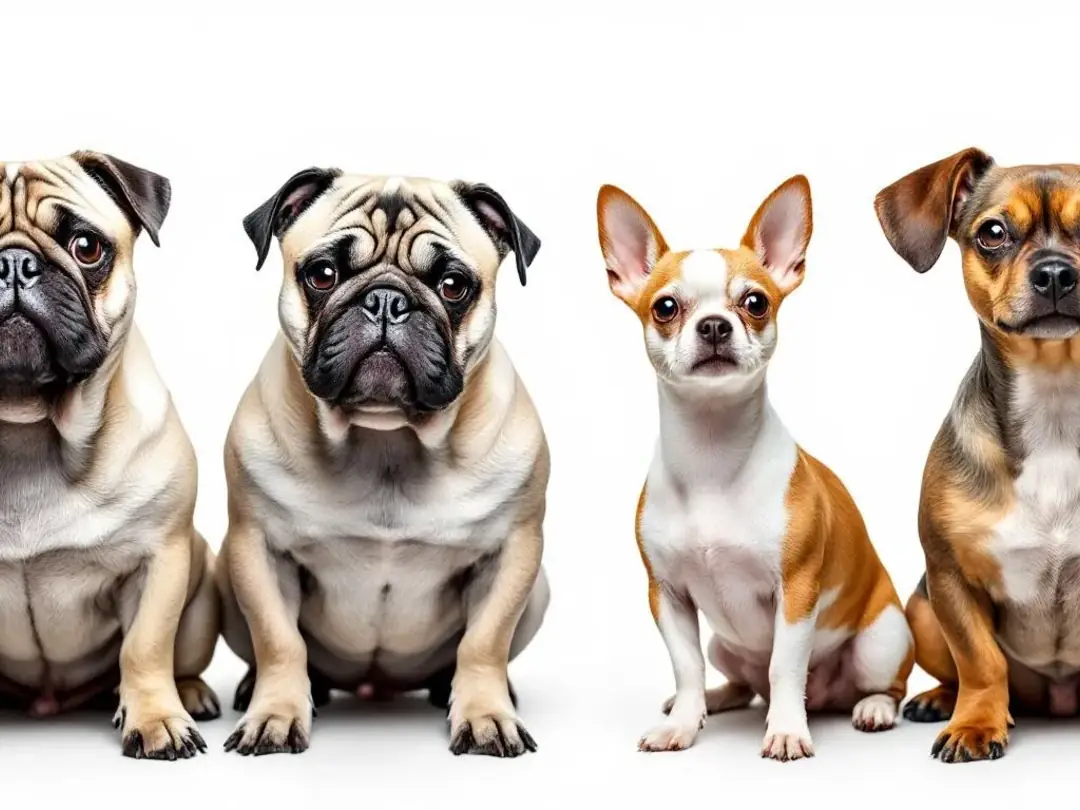
Certain breeds are commonly affected by reverse sneezing due to their anatomical characteristics. Brachycephalic breeds face the highest risk due to their compressed facial structure and elongated soft palate:
-
English Bulldogs and French Bulldogs
-
Pugs and Boston Terriers
-
Shih Tzus and Pekingese
-
Cavalier King Charles Spaniels
Small breed dogs also experience frequent episodes, often related to their narrow nasal passages and delicate throat structures:
-
Chihuahuas and Yorkshire Terriers
-
Maltese and Toy Poodles
-
Papillons and Italian Greyhounds
Small dogs in general have narrower airways that can become irritated more easily. However, it's worth mentioning that any dog-regardless of size or breed-can experience reverse sneezing. Even dogs with long noses can develop episodes, though they may be less frequent than in the breeds listed above.
The narrowed trachea makes breathing more challenging for some breeds, while the elongated soft palate in brachycephalic dogs creates additional opportunities for irritation and spasming.
When to Contact Your Veterinarian
While reverse sneezing is typically harmless, certain situations warrant professional veterinary evaluation. As a responsible pet owner, understanding when to seek medical attention can help ensure your dog's health and your own peace of mind.
First-Time Episodes should prompt a veterinary consultation, especially if you're unsure whether what you're witnessing is truly reverse sneezing or another respiratory condition. A veterinarian can confirm the diagnosis and rule out more serious conditions.
Frequent Episodes requiring veterinary attention include:
-
Daily occurrences or multiple episodes per week
-
Episodes that seem to be increasing in frequency over time
-
Sudden onset of frequent episodes in a previously unaffected dog
Duration and Severity Concerns:
-
Episodes lasting longer than two minutes
-
Episodes that cause significant distress or panic in your dog
-
Multiple episodes occurring in quick succession
Associated Clinical Signs that require immediate veterinary attention:
-
Nasal discharge, especially if bloody or thick
-
Persistent coughing between episodes
-
Exercise intolerance or difficulty breathing during normal activities
-
Loss of appetite or changes in eating habits
-
Lethargy or behavioral changes
-
Collapse or fainting after episodes
Underlying Cause Investigation may be needed when:
-
Episodes began after a specific incident (potential foreign body)
-
You suspect exposure to toxins or irritants
-
Other symptoms suggest gastrointestinal disorders or systemic illness
-
The dog experiences breathing difficulties outside of episodes
Severe Cases that develop suddenly or worsen rapidly should receive prompt veterinary evaluation to rule out conditions like collapsing trachea, nasal tumors, or other serious respiratory conditions.
How Veterinarians Diagnose Reverse Sneezing
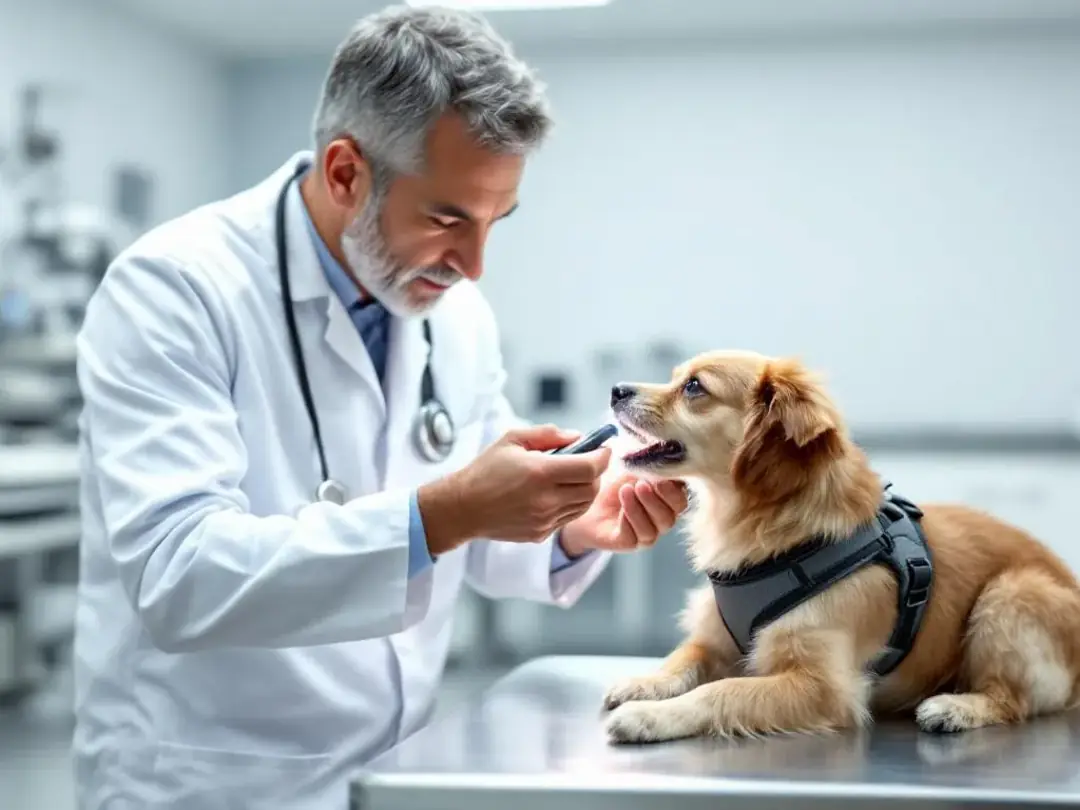
When you bring your dog to the veterinarian for evaluation, the diagnostic process typically begins with a thorough history and physical examination. Your veterinarian will want detailed information about the episodes, including their frequency, duration, potential triggers, and your dog's behavior before, during, and after episodes.
Medical History Assessment includes:
-
Detailed description of episodes from pet owners
-
Review of any video recordings you've captured
-
Discussion of potential environmental triggers
-
Assessment of the timing and circumstances surrounding episodes
Physical Examination focuses on the respiratory system:
-
Examination of the nasal passages for foreign bodies or discharge
-
Evaluation of the throat and laryngeal area for abnormalities
-
Assessment of the dog's soft palate for elongation or other issues
-
General respiratory evaluation including lung sounds
Diagnostic Tests may be recommended in certain cases:
-
X rays of the chest and neck area to evaluate the trachea and rule out structural abnormalities
-
Rhinoscopy (endoscopic examination of nasal passages) when foreign bodies or nasal tumors are suspected
-
Blood tests to check for underlying infections or allergic conditions
-
Evaluation for tracheal collapse using specialized imaging
Differential Diagnosis is crucial to distinguish reverse sneezing from other conditions:
-
Distinguishing from regular coughing, which involves both inspiration and expiration
-
Ruling out collapsing trachea, which may present with similar honking sounds
-
Excluding more serious respiratory conditions that might require medical treatment
The veterinarian examine will also consider the possibility of nasal mites, though these parasitic infections are relatively uncommon in household pets. In most cases, the diagnosis can be made based on the owner's description and video evidence, as the characteristic presentation of reverse sneezing is quite distinctive.
Treatment Options and Management
The approach to treating reverse sneezing depends largely on the underlying cause and frequency of episodes. For most dogs, no medical treatment is necessary, as episodes are self-limiting and resolve naturally.
Immediate Management During Episodes:
-
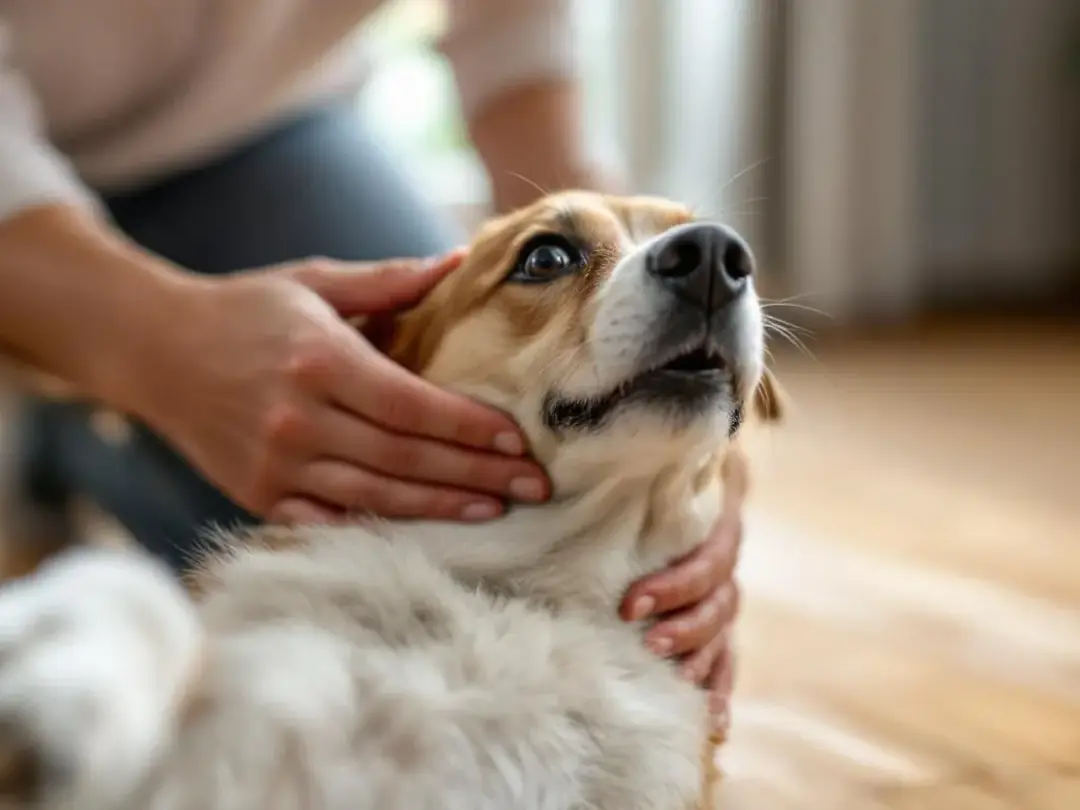
Gentle throat massage to help relax the soft palate muscle
-
Briefly covering the dog's nose to encourage swallowing
-
Offering water to help clear potential irritants
-
Speaking calmly to reduce anxiety and excitement
-
Allowing the episode to run its course without intervention
Medical Treatment may be necessary for specific underlying causes:
-
Antihistamines for dogs with allergies causing chronic irritation
-
Anti-parasitic medications if nasal mites are identified
-
Corticosteroids for severe inflammatory conditions (short-term use)
-
Antibiotics if bacterial infections are contributing to episodes
Environmental Management forms a crucial part of long-term treatment:
-
Identifying and removing known triggers from the dog's environment
-
Using air purifiers to reduce allergens and irritants
-
Avoiding strong household products and perfumes around sensitive dogs
-
Managing seasonal allergies with appropriate preventive measures
Surgical Options are rarely needed but may be considered in severe cases:
-
Soft palate resection for dogs with significantly elongated soft palates
-
Correction of anatomical abnormalities contributing to frequent episodes
-
Treatment of underlying conditions like nasal tumors (extremely rare)
Lifestyle Modifications:
-
Using harnesses instead of collars to reduce pressure on the throat
-
Managing excitement levels during play and exercise
-
Feeding smaller, more frequent meals to prevent rapid eating
-
Maintaining optimal humidity levels in the home environment
Home Care and Prevention Strategies
Prevention focuses on identifying and avoiding specific triggers while maintaining your dog's overall respiratory health. Keep a log of episodes, noting potential triggers, duration, and severity to help identify patterns.
Environmental Control Measures:
-
Regular cleaning to reduce dust and allergens
-
Avoiding aerosols and strong-scented products near your dog
-
Using fragrance-free household products when possible
-
Ensuring good ventilation in living spaces
Physical Management:
-
Choosing properly fitted harnesses over collars
-
Training to reduce leash pulling and neck pressure
-
Managing excitement during greetings and play
-
Providing calm environments during meals
Health Maintenance:
-
Regular veterinary check-ups to monitor respiratory health
-
Maintaining healthy weight to reduce breathing strain
-
Prompt treatment of allergies and respiratory conditions
-
Keeping vaccinations current to prevent respiratory infections
Prognosis and Long-term Outlook
The prognosis for dogs with reverse sneezing is excellent in the vast majority of cases. Most dogs continue to live normal, healthy lives with only occasional episodes that don't significantly impact their quality of life.
Typical Outcomes:
-
Most cases require no ongoing medical treatment
-
Episodes often become less frequent with age in some dogs
-
Dogs maintain normal activity levels and life expectancy
-
Quality of life remains high with appropriate management
Chronic Cases:
-
Some dogs may experience persistent episodes despite treatment
-
These cases rarely cause serious health complications
-
Regular veterinary monitoring helps ensure optimal management
-
Owners typically become comfortable managing routine episodes
Long-term Monitoring:
-
Annual veterinary examinations to assess respiratory health
-
Continued attention to environmental trigger management
-
Prompt evaluation of any changes in episode frequency or severity
-
Ongoing owner education about recognition and management
Success Factors:
-
Owner education and comfort level with managing episodes
-
Consistent environmental management
-
Appropriate veterinary partnership
-
Early intervention when episodes change in character
The key to successful long-term management lies in understanding that reverse sneezing, while dramatic in appearance, is typically a benign condition that doesn't progress to more serious respiratory problems. With proper knowledge and management strategies, both dogs and their owners can maintain confidence and comfort when episodes occur.
For most dogs, reverse sneezing remains an occasional, brief interruption to their normal activities rather than a significant health concern. By working closely with your veterinarian and implementing appropriate prevention strategies, you can help ensure your dog's continued comfort and well-being while minimizing the frequency and impact of reverse sneezing episodes.