
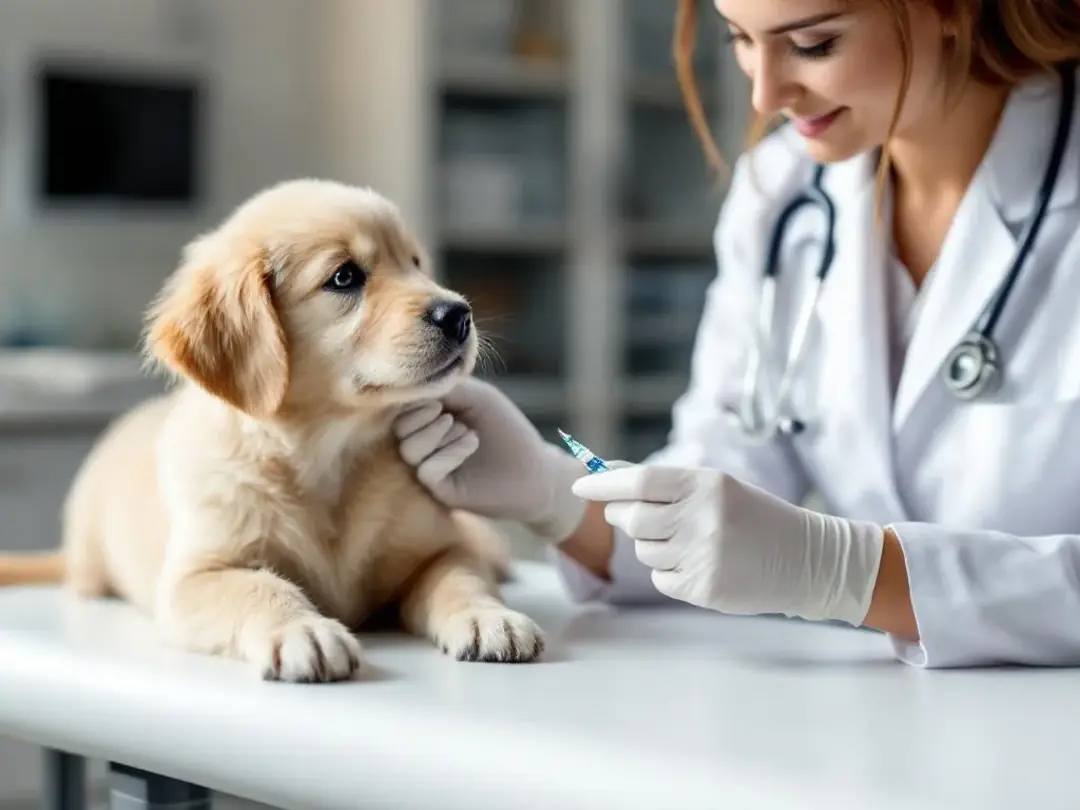

Protecting your new puppy from potentially life threatening diseases starts with understanding the proper puppy vaccine schedule. A well-planned vaccination schedule is one of the most important investments in your dog's long and healthy life, providing essential protection during the vulnerable early months when your pup's health depends on building strong immunity.
This comprehensive guide covers everything you need to know about puppy vaccinations, from the essential timeline and core vaccines to costs and safety considerations. By following evidence-based vaccination protocols, you'll give your puppy the best protection against serious diseases while ensuring they can enjoy a healthy life as an adult dog.
Essential Puppy Vaccination Timeline
The typical puppy vaccination schedule follows a carefully structured timeline designed to work with your puppy's immune system as it develops. Here's the standard vaccination schedule most veterinarians recommend:
| Age | Core Vaccines | Optional Vaccines | Notes |
|---|---|---|---|
| 6-8 weeks | DHPP (Distemper, Hepatitis, Parvovirus, Parainfluenza) | Bordetella | First puppy shot |
| 10-12 weeks | Second DHPP | Bordetella, Lyme (first dose) | Second round of puppy shots |
| 14-16 weeks | Third DHPP, Rabies vaccine | Lyme (second dose), Leptospirosis vaccine | Final puppy vaccination series |
The timing of these puppy shots is crucial because very young puppies receive temporary protection from their mother's antibodies, but this protection gradually wanes between 6-16 weeks of age. The vaccination schedule ensures continuous protection as maternal immunity disappears and your puppy's immune system learns to defend itself.
It's important to note that vaccination schedules may vary by region and veterinarian recommendations. Some veterinarians may extend the series to 20 weeks for certain breeds that tend to be more susceptible to diseases like parvovirus, including German Shepherds and other large breeds.
Core Vaccines Every Puppy Needs
Core vaccines are considered essential for all puppies regardless of their dog's lifestyle or geographic location. These vaccines protect against diseases that are widespread, highly contagious, and potentially deadly.
DHPP Combination Vaccine
The DHPP combination vaccine (sometimes called DAPP or DA2PP) is the cornerstone of puppy vaccinations. This single injection protects against four serious diseases:
-
Distemper: A highly contagious virus affecting the respiratory, gastrointestinal, and nervous system
-
Adenovirus Hepatitis: Causes infectious hepatitis affecting the liver and other organs
-
Parvovirus: A deadly gastrointestinal virus that can be fatal within 48-72 hours
-
Parainfluenza: The canine parainfluenza virus contributes to respiratory infections
Rabies Vaccination
The rabies vaccine is required by law in most states because rabies is a zoonotic disease that can transmit to humans with 100% fatality rate once symptoms appear. This vaccine protects both your puppy and public health, making rabies vaccinations a legal requirement rather than just a medical recommendation.
Leptospirosis Vaccine
Increasingly considered a core vaccine, the leptospirosis vaccine protects against a bacterial disease that causes kidney failure and liver failure. This zoonotic disease is particularly important in areas with wildlife exposure or standing water where the bacteria thrive.
Optional Lifestyle Vaccines for Puppies
Non core vaccines, also called lifestyle vaccines, are recommended based on your dog's specific risk factors, including geography, lifestyle, and exposure to other dogs.
Bordetella Vaccine
The bordetella vaccine protects against kennel cough, a highly contagious respiratory infection. This vaccine is essential for puppies who will attend:
-
Boarding facilities
-
Doggy daycare
-
Dog parks
-
Training classes with other dogs
Lyme Vaccine
The lyme vaccine is recommended for dogs in tick-endemic areas, particularly the Northeast and upper Midwest. This bacterial disease can cause joint pain, kidney problems, and neurological issues if left untreated.
Canine Influenza Vaccine
The canine influenza virus vaccine protects against a highly contagious respiratory disease. This non core vaccination is most important for dogs in urban environments or areas experiencing canine influenza outbreaks.
Your veterinarian will help determine which lifestyle vaccines are appropriate for your dog based on local disease prevalence and your puppy's expected activities.

When Puppies Can Start Vaccinations
Puppies typically receive their first vaccines at 6-8 weeks of age, after weaning from their mother. This timing is critical because maternal antibodies that protect very young puppies also interfere with vaccine effectiveness if given too early.
The science behind vaccination timing involves understanding how the puppy's immune system develops:
-
Birth to 6 weeks: Maternal antibodies provide protection but block vaccine response
-
6-16 weeks: Maternal immunity gradually declines, creating a window where vaccination becomes effective
-
16+ weeks: Puppy's own immune systems are mature enough to respond fully to vaccines
This is why the vaccination schedule requires multiple puppy shots given every 3-4 weeks. Each vaccine dose helps ensure protection as maternal antibodies disappear, with the final vaccination at 16 weeks providing the most reliable immunity.
Some high-risk breeds or puppies in areas with high disease pressure may benefit from an extended schedule continuing to 20 weeks to ensure complete protection.
Diseases Puppy Vaccines Prevent
Understanding the diseases that vaccines prevent helps illustrate why following the dog vaccine schedule is so important for your pup's health.
Distemper
Canine distemper is a highly contagious virus that attacks multiple body systems. Unvaccinated dogs face:
-
Respiratory symptoms including coughing and difficulty breathing
-
Gastrointestinal signs like vomiting and diarrhea
-
Neurological damage affecting the nervous system
-
High mortality rate, especially in young puppies
There is no cure for distemper, making prevention through vaccination essential.
Parvovirus
Parvovirus is particularly devastating to young puppies, causing:
-
Severe, bloody diarrhea leading to rapid dehydration
-
Vomiting and loss of appetite
-
Secondary infections due to compromised immune systems
-
Death within 48-72 hours without immediate treatment
Even with intensive treatment, mortality rates remain high in unvaccinated dogs, making the core vaccine absolutely critical.
Rabies
Rabies is a fatal neurological disease that affects all mammals, including humans. This zoonotic disease:
-
Causes progressive neurological symptoms
-
Is 100% fatal once clinical signs appear
-
Requires immediate post-exposure treatment in humans
-
Has no cure once symptoms develop
Rabies vaccination protects both pets and people, which is why rabies vaccinations are legally mandated.
Hepatitis and Other Core Diseases
Infectious hepatitis caused by adenovirus affects the liver, kidneys, and other vital organs. The canine parainfluenza virus contributes to kennel cough complex and other respiratory diseases. While less immediately fatal than distemper or parvovirus, these diseases can cause severe illness and compromise your dog's immune system, leading to secondary infections.
Puppy Vaccination Costs
Understanding initial puppy vaccination costs helps you budget for your new puppy's healthcare needs. While costs vary by region and veterinary clinic, here are typical ranges:
| Vaccine Type | Cost Range | Frequency |
|---|---|---|
| DHPP vaccine | $75-150 per visit | 3 visits |
| Rabies vaccine | $20-30 | Once at 12-16 weeks |
| Bordetella vaccine | $20-40 | Annually |
| Lyme vaccine | $30-50 | Two initial doses |
| Leptospirosis vaccine | $25-45 | Annually |
| Total first-year vaccination costs typically range from $200-400, depending on which non core vaccines your veterinarian recommends. While this may seem significant, these costs are minimal compared to treating the potentially deadly diseases that vaccines prevent. |
Low-cost vaccination clinics and animal shelters often offer discounted services for budget-conscious owners. However, ensure these providers follow proper vaccine storage and administration protocols for optimal protection.
Booster Schedule for Adult Dogs
The adult dog vaccine schedule maintains the immunity established during puppyhood. After completing the initial puppy vaccination series, adult dogs require:
Core Vaccine Boosters
-
DHPP booster: Every 3 years after the initial series
-
Rabies shot: Annually or every 3 years, depending on vaccine type and local laws
-
Leptospirosis: Annual boosters recommended in endemic areas
Lifestyle Vaccine Boosters
Non core vaccinations typically require annual boosters:
-
Bordetella vaccine: Annually for dogs with regular exposure to other dogs
-
Lyme vaccine: Annually in tick-endemic areas
-
Canine influenza: Annually for high-risk dogs
Titer Testing Option
Some veterinarians offer titer testing to measure existing antibody levels before administering booster shots. This approach can help determine if your adult dog truly needs additional vaccinations, though it's not routinely recommended for the initial puppy series due to the complexity of maternal antibody interference.
The adult dog vaccine schedule should be discussed with your veterinarian, who can tailor recommendations based on your dog's age, health status, and risk factors.
Potential Side Effects and Safety
Most puppies experience only very mild reactions to vaccinations, but understanding potential side effects helps you monitor your puppy appropriately.
Common Mild Reactions
-
Soreness at the injection site
-
Mild lethargy for 24-48 hours
-
Slight decrease in appetite
-
Low-grade fever
These mild reactions indicate that your dog's immune system is responding appropriately to the vaccine.
Serious Allergic Reactions
Severe allergic reactions are rare but require immediate veterinary attention. Watch for:
-
Facial swelling, especially around the eyes and muzzle
-
Difficulty breathing or rapid breathing
-
Vomiting or diarrhea within hours of vaccination
-
Collapse or severe lethargy
-
Hives or widespread skin reactions
Certain breeds tend to be more sensitive to vaccines, including German Shepherds and some Collie breeds. However, the benefits of vaccination far outweigh the small risk of adverse reactions for virtually all dogs.
If you notice any concerning symptoms after vaccination, contact your veterinarian immediately. Most mild reactions resolve on their own, but professional guidance ensures your puppy's safety.
Keeping Puppies Safe Before Full Vaccination
Since puppies aren't fully protected until approximately two weeks after their final vaccine appointment, careful management is essential during this vulnerable period.
Safe Socialization Strategies
Balancing infection risk with crucial early socialization requires creativity:
-
Puppy classes: Choose classes that require proof of vaccination and maintain clean environments
-
Controlled meetings: Arrange playdates with known healthy, vaccinated dogs
-
Carrier outings: Use strollers or carriers for public exposure without ground contact
-
Home visits: Invite vaccinated, friendly dogs to your home for controlled interactions
Areas to Avoid
Until your puppy completes their vaccination series, avoid:
-
Dog parks and public areas where unvaccinated dogs congregate
-
Pet stores and veterinary clinic floors
-
Areas with high dog traffic like hiking trails
-
Boarding facilities or daycare centers
When Full Protection Begins
Your puppy achieves maximum protection approximately 2 weeks after their final puppy shot, typically around 18-20 weeks of age. At this point, they can safely explore public areas and interact freely with other dogs.
Remember that even adult dogs with compromised immune systems or senior dogs may remain vulnerable to certain diseases, so maintaining vaccination schedules protects not just your puppy but the broader dog community.
Conclusion
Following a proper puppy vaccine schedule is one of the most important steps you can take to ensure your new puppy grows into a healthy adult dog. The carefully timed series of core vaccines protects against potentially deadly diseases, while optional lifestyle vaccines provide additional protection based on your dog's specific risk factors.
While vaccination involves some initial costs and requires careful scheduling, the investment protects your puppy's health and contributes to community immunity that benefits all dogs. Work closely with your veterinarian to develop a vaccination plan appropriate for your dog's needs, and remember that this content does not constitute medical advice-your veterinarian remains the best source for personalized recommendations.
By understanding the science behind vaccination timing, the diseases vaccines prevent, and how to keep your puppy safe during the vulnerable early months, you're setting the foundation for a long and healthy life together. Proper vaccination, combined with good nutrition and preventive care, gives your puppy the best possible start in life.


