


Bringing home a new puppy transforms your house into an exciting journey of discovery-both for you and your curious companion. However, what seems like a safe environment to adult eyes can harbor countless potential hazards for an inquisitive pup who experiences the world through taste, touch, and relentless exploration.
According to pet insurance data, accidental ingestion accounts for over 22% of emergency vet visits among puppies under one year old. The good news? Most of these incidents are entirely preventable with proper puppy proofing. This comprehensive checklist provides 25 essential steps to create a puppy safe environment that protects your new dog while allowing them to explore and learn confidently.
From securing electrical cords to removing toxic plants, each step in this puppy proofing checklist addresses real hazards that veterinarians encounter daily. Whether you're preparing for a new pup or recently brought home your new companion, this room-by-room approach ensures no potential dangers slip through the cracks.
Essential Indoor Puppy Safety Checklist
Creating a secure indoor environment starts with understanding how a curious puppy experiences your home. Dogs explore primarily through their mouths, making anything within your puppy's reach a potential chew toy or snack. This section covers the most critical indoor hazards that require immediate attention.
Begin your puppy proofing by crawling through each room at your pup's eye level. This perspective reveals dangers you might miss from standing height-loose electrical cords behind furniture, small objects that rolled under sofas, or sharp edges at the perfect height for a growing puppy.
Kitchen and Dining Room Safety
The kitchen presents numerous hazards for your new puppy, from toxic foods in trash cans to dangerous cleaning supplies under the sink. Start with these essential steps:
Secure all trash cans with locking lids or store them inside cabinets. Even a single wrapper from sugar free gum containing xylitol can trigger life-threatening hypoglycemia in dogs within 15-30 minutes. Remove or elevate fruit bowls containing grapes, which are extremely toxic to dogs.
Install childproof latches on all lower cabinets, especially those containing cleaning supplies. The space under your sink likely houses dishwasher detergent, garbage disposal cleaners, and other chemicals that taste good to dogs but cause severe poisoning.
Secure small appliances and manage their cords. Coffee makers, toasters, and blenders should be unplugged when not in use, with cords wrapped or secured. Move knife blocks to high counters or inside locked drawers.
Lock dishwasher controls or use safety latches to prevent your puppy from accessing dirty dishes containing food scraps, bones, or detergent residue. Sharp objects like broken glass or metal can cause serious injuries.
Living Areas and Bedrooms
Living spaces require careful attention to electrical safety and small object removal. These areas often contain the most tempting hazards for an exploring puppy.
Protect all electrical cords using cord covers, furniture placement, or cable management systems. Puppies are naturally drawn to dangling cords, which present dual threats of electrical shock and mouth burns. Pay special attention to holiday decorations and temporary lighting setups.
Remove small objects from accessible areas, including coins, batteries, rubber bands, and paper clips. These items pose choking hazards or can cause intestinal blockages requiring emergency surgery. Check gym bags, purses, and clothing pockets regularly.
Secure window blind cords and curtain ties, which present strangulation hazards. Use cord cleats or winders to keep these safely out of reach. Install baby gates at doorways to control your puppy's access to certain rooms.
Anchor tall furniture like bookcases and entertainment centers to prevent tip-overs. Even lightweight items can cause serious injuries if knocked over by an enthusiastic puppy.
Bathroom and Laundry Room Precautions
Bathrooms and laundry rooms contain concentrated chemical hazards that require special attention. These smaller spaces often store the most dangerous household products within easy reach of a determined puppy.
Secure toilet lids with childproof locks to prevent both drowning risks and contamination from cleaning chemicals. Remove all toiletries from accessible shelves, including razors, hair ties, and cotton swabs that present choking or injury risks.
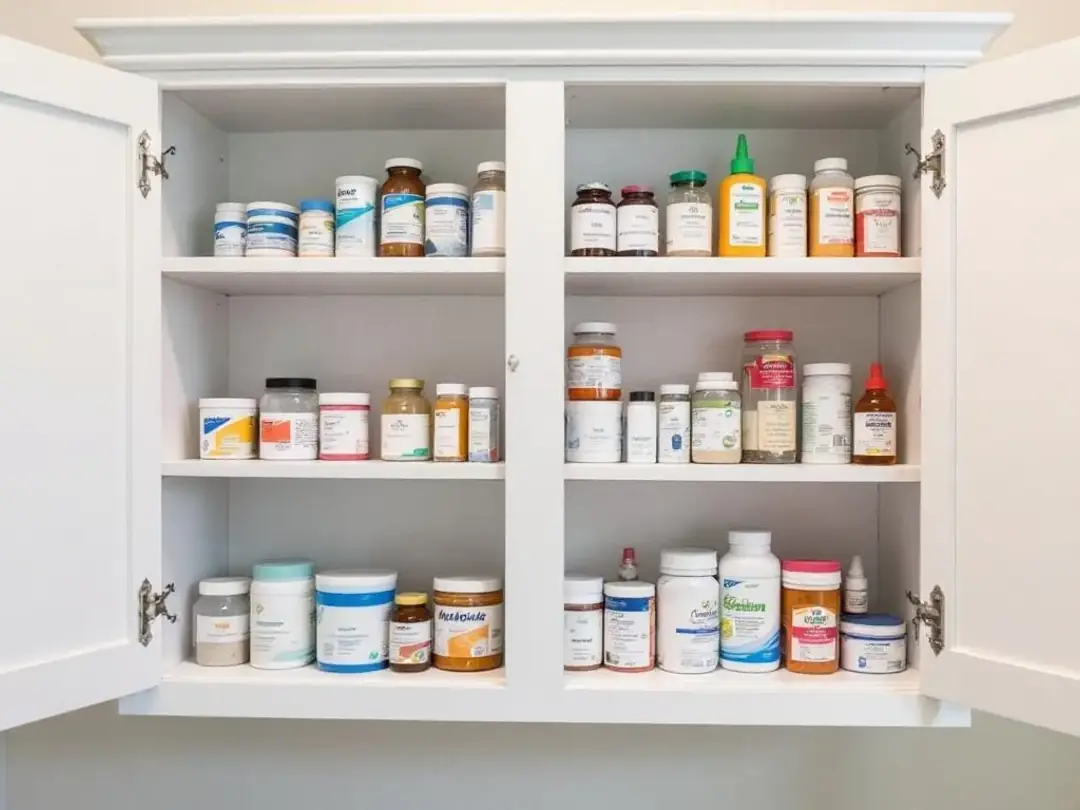
Lock medicine cabinets and remove prescription bottles from countertops. Even child-resistant caps can be defeated by persistent chewing. Store medications in high cabinets or locked boxes, as even common over-the-counter drugs like ibuprofen can be fatal to dogs.
Secure laundry supplies in high cabinets or locked containers. Laundry detergent pods, fabric softeners, and bleach products are particularly dangerous. The concentrated chemicals can cause severe burns and poisoning if ingested.
Store personal care items safely, including electric razors, hair straighteners, and cosmetics. Many personal care products contain xylitol or other toxic ingredients that can harm your pup.
Medication and Chemical Storage Protocol
Proper medication and chemical storage represents one of the most critical aspects of puppy proofing. Human and pet medications account for a significant percentage of pet poisoning emergencies, often because owners underestimate their puppy's ability to access seemingly secure areas.
Store all medications in high cabinets at least 4 feet above ground level or in locked medicine boxes. This includes prescription drugs, over-the-counter medications like acetaminophen and ibuprofen, and even vitamins that can be toxic in large quantities.
Install childproof latches on all cabinets containing household chemicals. Focus particularly on under-sink storage areas where families commonly keep cleaning supplies, dishwasher pods, and garbage disposal cleaners.
Secure garage chemicals including antifreeze, motor oil, fertilizers, and rat poison. Even small amounts of antifreeze can be fatal to dogs, and the sweet taste makes it particularly appealing. Store these items on high shelves or in locked cabinets.
Create a proper disposal system for expired medications. Never throw pills in accessible trash cans-use pharmacy take-back programs or mix with unpalatable substances before disposal in secured containers.
Plant Safety and Toxic Vegetation Removal
Many common household and garden plants pose serious toxicity risks to dogs. Creating a puppy safe environment requires identifying and relocating dangerous vegetation while selecting safe alternatives.
Remove all toxic indoor plants including sago palms, philodendrons, pothos, and dieffenbachia. These contain compounds like calcium oxalate that cause immediate oral pain and potentially life-threatening systemic reactions.
Replace with safe alternatives such as spider plants, Boston ferns, and African violets. These pet-friendly options provide greenery without the toxicity risk. Elevate all plants to prevent digging in soil and ingestion of fertilizers.
Address seasonal plant hazards by removing poinsettias during holidays, Easter lilies in spring, and checking for toxic fall plants like autumn crocus. Even brief exposure to lily pollen can be dangerous for pets.
Secure hanging plants to prevent falls and ensure they remain out of jumping reach as your puppy grows. Consider your puppy's breed when determining safe heights-larger breeds and good jumpers require extra clearance.
Outdoor Yard and Garden Safety Measures
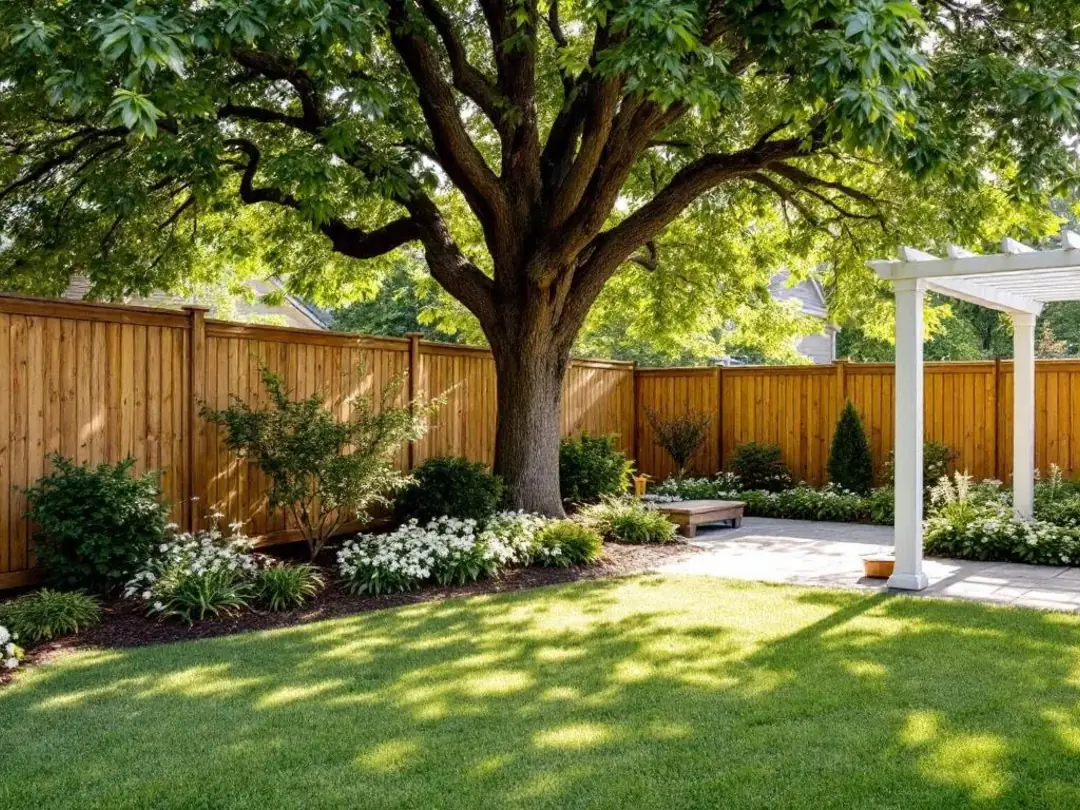
Outdoor spaces present unique challenges for puppy proofing, combining escape risks with natural hazards like toxic plants and environmental dangers. A secure yard becomes your puppy's primary exercise and exploration area.
Conduct thorough fence inspections checking for gaps larger than 4 inches, loose panels, or weak spots. Puppies can escape through surprisingly small openings, and athletic breeds may attempt to jump even tall barriers.
Remove toxic outdoor plants including oleander, azaleas, daffodil bulbs, and wild mushrooms. Many garden plants are more dangerous than indoor varieties, and yard exploration increases exposure risk.
Secure pool areas with proper fencing and gate latches. Even swimming-capable dogs can drown in pools, and puppy coordination develops slowly. Install pool covers or alarms for additional protection.
Establish shade and water stations throughout the yard. Puppies are at higher risk for heatstroke due to immature thermoregulation, making cool water and shaded rest areas essential for safe outdoor play.
Fence and Boundary Security
Proper fence and boundary security requires attention to details that might seem minor but can lead to escapes or injuries. Every gap, weak point, and hardware component plays a role in keeping your new puppy secure.
Measure all gaps to ensure openings remain smaller than 4 inches. Puppies can squeeze through surprisingly tight spaces, and even small gaps near fence bottoms can be exploited by determined diggers.
Install ground-level barriers for breeds prone to digging. Bury chicken wire or install dig-proof barriers along fence lines to prevent escape attempts. Some dogs will dig persistent holes that compromise fence integrity.
Inspect gate hardware including hinges, latches, and automatic closure mechanisms. Gates should close and latch automatically to prevent accidental openings. Consider spring-loaded hinges for added security.
Coordinate with neighbors regarding shared fence responsibilities and notify them about your new puppy. Neighbor cooperation helps identify weak spots and ensures consistent maintenance of boundary security.
Emergency Preparedness and Veterinary Planning
Preparing for emergencies before they occur can mean the difference between a minor incident and a tragedy. Even the most thorough puppy proofing cannot eliminate every risk, making emergency preparedness essential.
Program emergency contacts into your phone, including your veterinarian, nearest emergency animal clinic, and the ASPCA Poison Control Hotline at (888) 426-4435. Quick access to professional guidance is crucial during poisoning emergencies.
Assemble a pet first aid kit containing hydrogen peroxide (for induced vomiting only under veterinary guidance), gauze, saline solution, and digital thermometer. Include your veterinarian's after-hours instructions and emergency clinic directions.
Research emergency clinic locations and hours, including driving routes and parking information. During emergencies, every minute counts, and familiar routes reduce stress and save time.
Consider pet insurance policies before your puppy's health issues develop. Most policies require waiting periods, making early enrollment important for accident coverage during the vulnerable puppy months.
Puppy Zone Setup and Containment Strategy
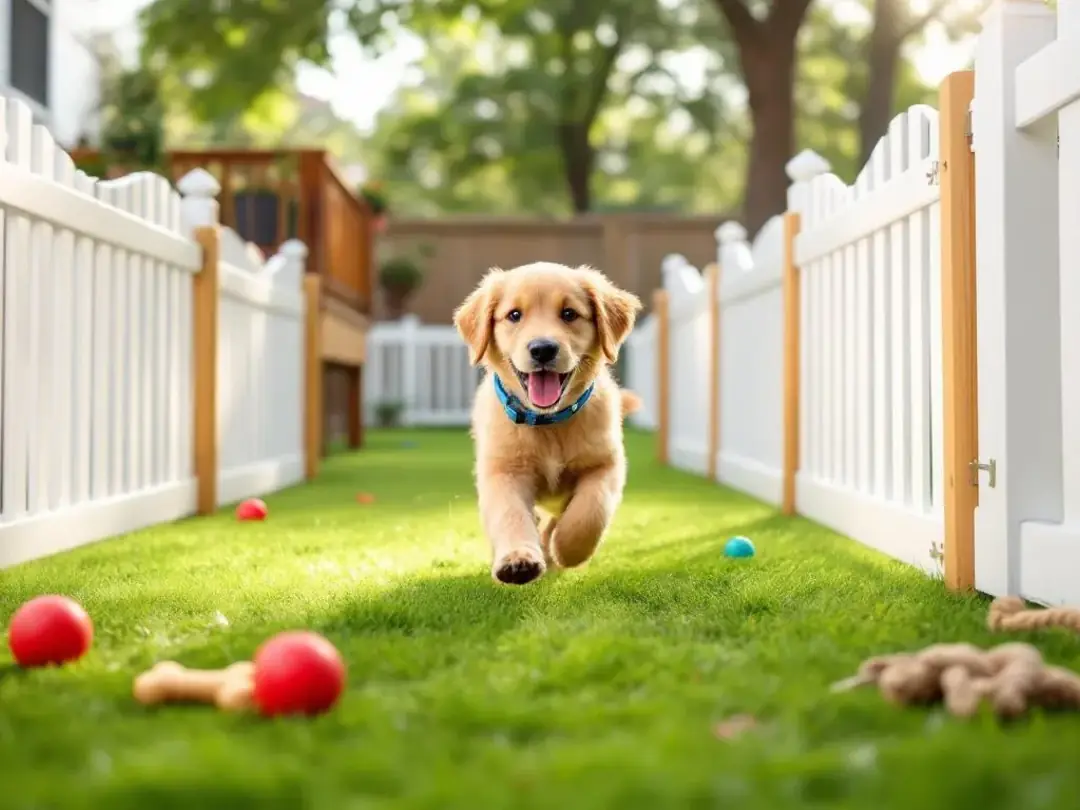
Creating designated safe zones gives your puppy freedom to explore while maintaining security. These areas become crucial for training, supervision, and gradual house introduction.
Size crates appropriately for your puppy's current size with room to stand, turn, and lie down comfortably. Crates that are too large may encourage inappropriate elimination, while undersized crates cause stress and discomfort.
Install baby gates at strategic locations including stair tops and bottoms, doorways to restricted rooms, and kitchen entrances. Gates allow supervision while preventing access to hazardous areas.
Set up exercise pens for outdoor containment during supervised play. These portable enclosures provide secure outdoor access before your puppy masters reliable recall commands.
Plan rotation systems for gradually expanding your puppy's access as they mature and demonstrate good judgment. Start with one puppy-proofed room and slowly introduce new areas under supervision.
Daily Maintenance and Ongoing Safety Checks
Puppy proofing is not a one-time task but an ongoing process that evolves with your growing dog. Regular maintenance ensures your safety measures remain effective as your puppy develops new abilities and interests.
Conduct weekly walkthroughs at your puppy's level, checking for new hazards, loose objects, or compromised safety devices. What seems secure today may become accessible as your puppy grows taller and more agile.
Update seasonal safety measures for holidays, weather changes, and outdoor activities. Holiday decorations, swimming pool openings, and seasonal plants all introduce temporary risks requiring attention.
Adjust for growth by raising secured items as your puppy reaches higher surfaces. Counter-surfing abilities develop quickly, and what once seemed safely elevated may become easily accessible.
Brief visitors and family members on puppy safety protocols, including door security, food restrictions, and supervised interaction requirements. Guests often inadvertently create hazards by leaving personal items accessible.
Document your puppy proofing measures with photos and checklists for family reference. This documentation helps maintain consistency and provides a foundation for adjustments as your puppy's abilities change.
Creating a puppy safe environment requires dedication and attention to detail, but the peace of mind and well being benefits make every effort worthwhile. This comprehensive puppy proofing checklist provides the foundation for protecting your new companion while fostering their natural curiosity and confidence.
Remember that puppy proofing is an investment in your dog's life-long safety habits and your family's peace of mind. Start with the highest-risk areas-kitchen chemicals, medications, and electrical hazards-then work systematically through each room and outdoor space.
Your new environment should feel welcoming to your pup while maintaining essential safety boundaries. Take time to observe your puppy's behavior and interests, adjusting your safety measures accordingly. With proper preparation and ongoing vigilance, you can provide a secure foundation for your exciting journey together.


